



Blonde Walnut Cabinet
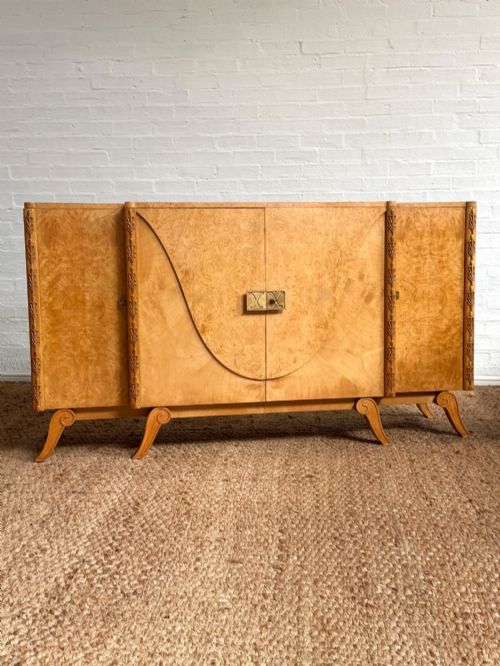
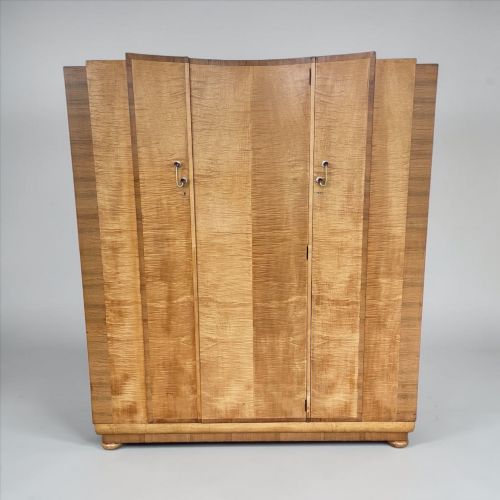
A blonde walnut cabinet brings warmth and striking grain pattern to a room, most commonly seen in English and Continental Art Deco designs.
Blonde Walnut Cabinet
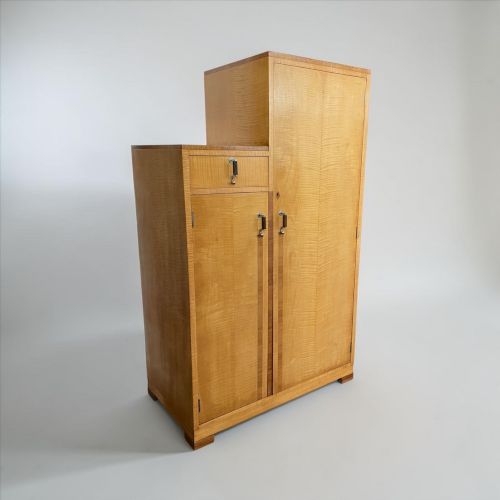
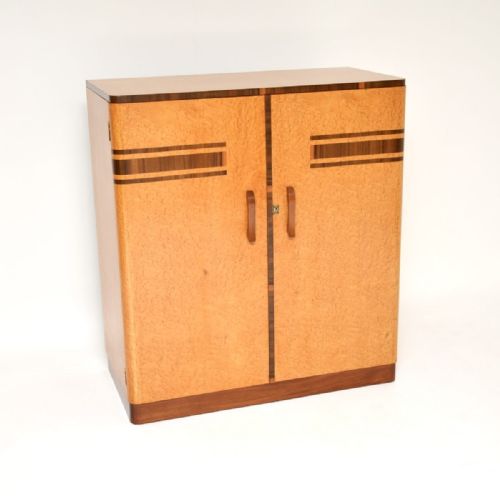
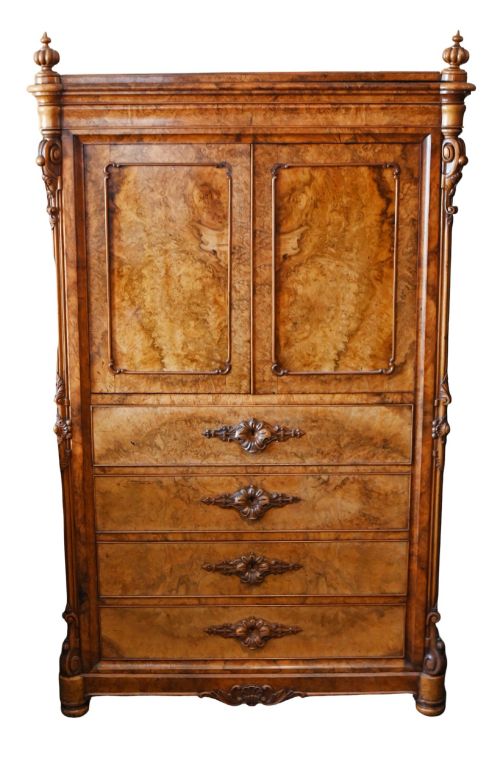
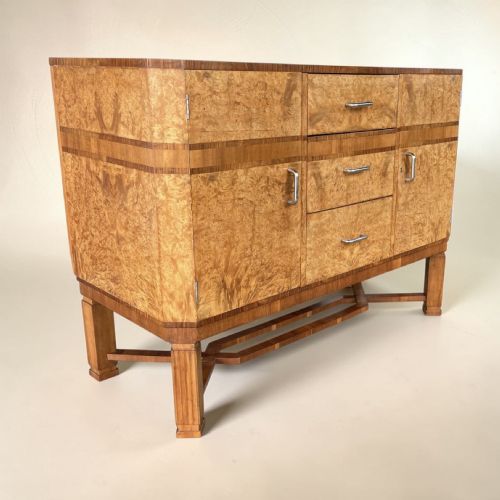
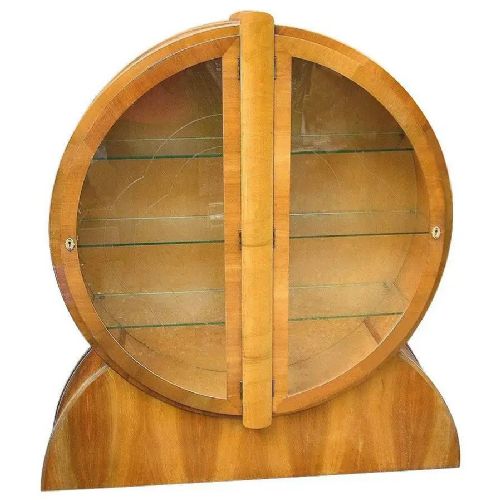
When you search for a blonde walnut cabinet, you encounter storage forms spanning the nineteenth century up to the nineteen thirties. The selection here leans heavily towards twentieth-century Art Deco pieces, including wardrobes, sideboards, bookcases, and cocktail cabinets.
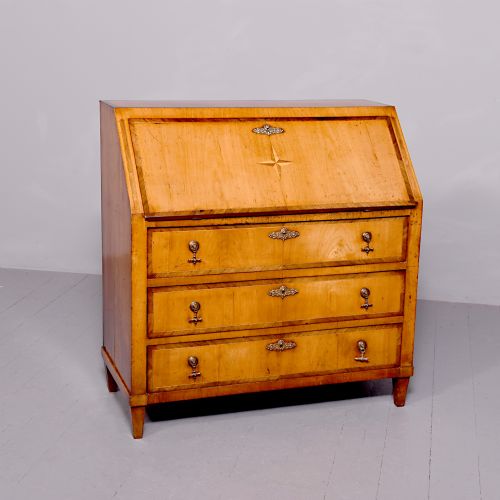
These items originate from distinct periods, ranging from eighteenth-century examples and nineteenth-century Continental pieces through to the height of the nineteen thirties modernist movement. Alongside straightforward cabinets, you find hybrid forms such as compactum wardrobes, secretaire desks, and tiered display units.
Materials and construction methods
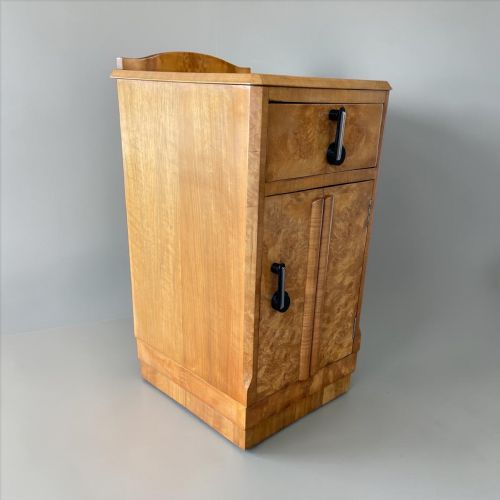
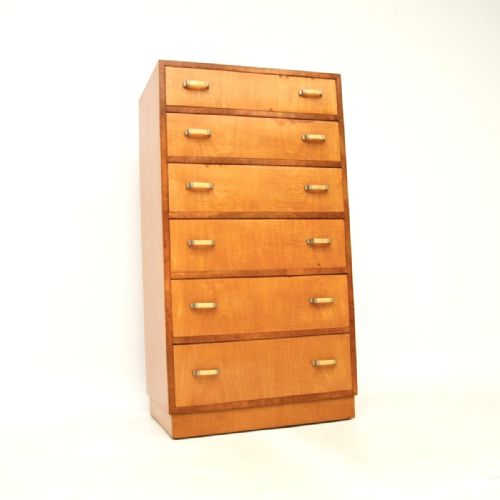
Cabinet makers utilised primary timbers of walnut and burr walnut, frequently pairing them with contrasting secondary woods like sycamore, birds-eye maple, satinwood, and satin birch. Bleaching techniques were often applied to achieve the characteristic pale, blonde tone seen on nineteen thirties surfaces.
Metal elements in brass, chrome, and occasional bakelite appear on handles, hinges, and structural trim, particularly within Art Deco pieces. Glass doors feature on display cabinets and bookcases, while internal construction relies on traditional cabinet-making joints adapted for large wardrobes and sideboards.
Blonde Walnut Cabinet Retail Price Guide 2026
Typical asking prices for blonde walnut cabinet among the pieces listed under this phrase on Sellingantiques today, from the lower quarter to the upper quarter. They describe what is for sale here now, not the wider market.
Some nineteenth-century Continental makers hid entire writing desks inside unassuming blonde cabinets, ready to drop open for sudden correspondence.
Assessing quality in blonde walnut furniture
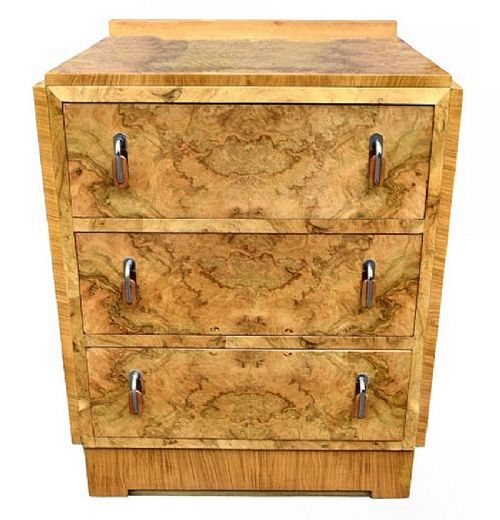
The choice of veneer defines the visual impact, with highly figured burr walnut and book-matched grain patterns sitting at the upper end of the scale. Plain timber surfaces rely entirely on the natural warmth of the walnut and the precision of the polish.
Maker attribution alters the standing of a piece, with workshops such as Epstein, S. Hille and Co. Ltd., and Bath Cabinet Makers bringing distinct architectural proportion and execution. The integration of secondary contrasting timbers like sycamore or maple further distinguishes finer workshop output from standard production.
S. Hille and Co. Ltd.·Bath Cabinet Makers·Epstein·Harry and Lou Epstein
The Blonde Walnut Cabinet Glossary
- Burr walnut
- A prized veneer obtained from tree growths, showing intricate swirling patterns and knots. It forms decorative panels on cabinet doors and drawer fronts.
- Compactum
- A multi-functional wardrobe combining hanging space, shelves, and internal drawers within a single carcass. This space-saving form gained popularity during the Art Deco period.
- Secretaire
- A cabinet or bureau incorporating a drop-front writing desk hiding small drawers and pigeonholes. It merges formal display or storage with a compact writing surface.
- Book-matching
- A veneer technique where adjacent slices of timber are opened like a book to mirror each other. This creates symmetrical patterns across large cabinet surfaces.
Blonde Walnut Cabinet: Frequently Asked Questions
What periods do these cabinets come from?
The pieces span from the eighteenth century and nineteenth-century Continental traditions into the early twentieth century. The majority originate from the nineteen tens and nineteen thirties.
Art Deco is the dominant design movement represented, alongside occasional revival pieces and earlier Continental furniture.
How do I care for blonde walnut?
Keep wooden furniture away from direct sunlight and steady sources of artificial heat to prevent the pale walnut veneer from drying out or shifting in tone. Dust gently with a soft dry cloth and avoid harsh chemical cleaners.
Wax or polish formulated specifically for fine wood surfaces helps maintain the sheen on polished walnut and contrasting sycamore or maple details.
Where should I place a blonde walnut cabinet?
A blonde cabinet functions effectively in living rooms as a cocktail cabinet, bookcase, or sideboard, offering both display space and concealed storage. Smaller bedside tables and chests of drawers suit bedroom interiors.
The pale timber tones allow these pieces to brighten darker corners while complementing both neutral modern interiors and traditional settings.
What is the difference between walnut and blonde walnut?
Standard walnut possesses a rich, dark brown colour with deep chocolate undertones. Blonde walnut refers to timber that has either naturally lighter figuring or has undergone a bleaching process.
This deliberate lightening highlights the decorative grain and swirl of burr walnut, aligning with the brighter aesthetic favored in nineteen thirties interior design.