





Black Wooden Standing Desk
These black wooden standing desk pieces bring character to a study through dark carved woods and functional Victorian forms.

Black Wooden Standing Desk
When searching for a black wooden standing desk, buyers encounter a selection of dark wood desk accessories and small writing furniture rather than full-sized standing desks. The pieces span the Victorian era, the nineteenth century, and the early twentieth century.
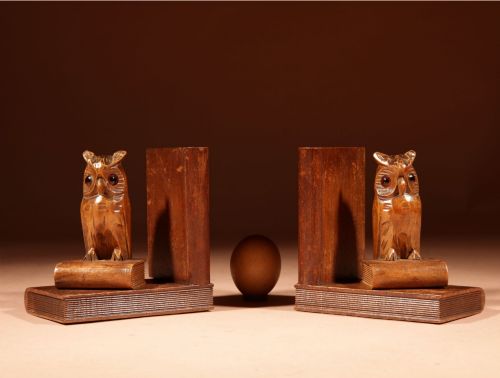
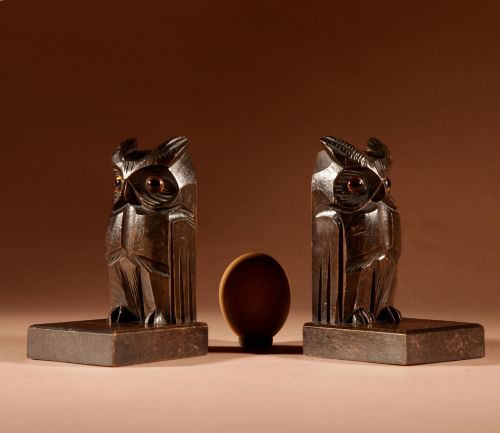
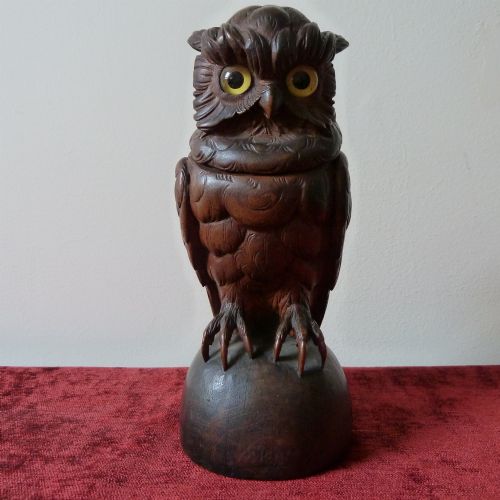
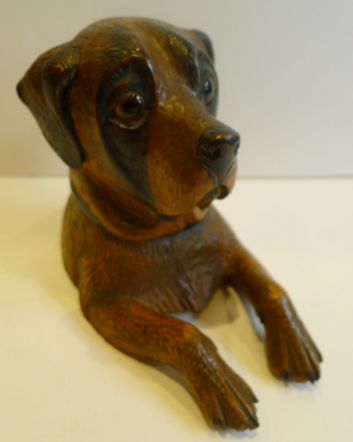
The selection includes clerks desks, extending book rests, book slides, and inkwells carved from ebony, ebonised wood, and linden wood. Black Forest styles and carved animal figures appear frequently among the accessories.
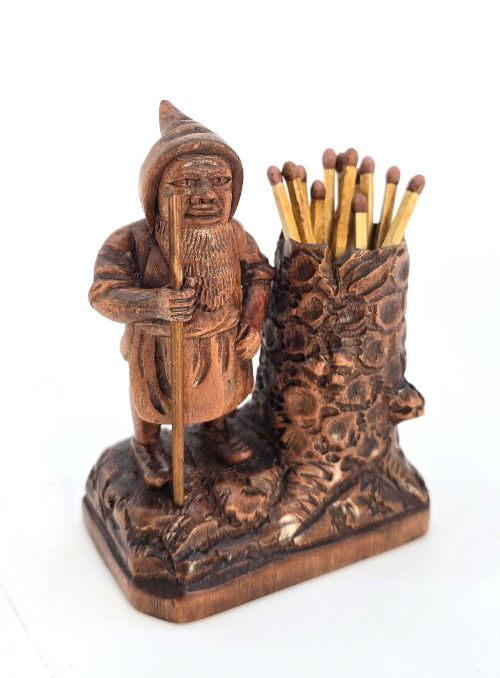
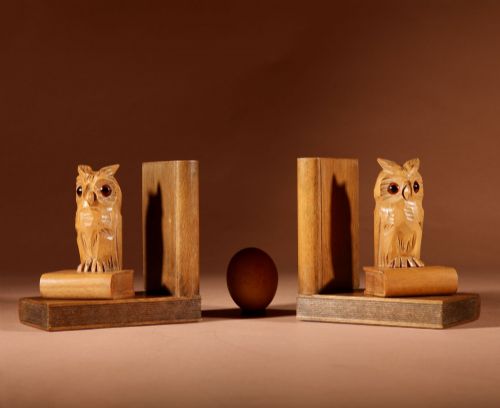
Victorian gothic influences and folk art touches shape many of the smaller items, bringing carved owls, cats, dogs, and gnomes to desk organisation.
How they were made
Carvers shaped linden wood and ebony using hand chisels to create deep relief details and figural forms such as owls, eagles, and dogs. Ebonised wood provided a dark finish alternative to solid ebony on stands and frames.
Brass fittings, glass inserts, and cast iron mechanisms reinforced extending book rests and adjustable desk accessories. Fine joints and turned supports held the clerks desks and desk stands together.
Black Wooden Standing Desk Retail Price Guide 2026
Typical asking prices for black wooden standing desk among the pieces listed under this phrase on Sellingantiques today, from the lower quarter to the upper quarter. They describe what is for sale here now, not the wider market.
What varies in quality
Integration of original brass mounts, fitted glass inkwells, and smooth extending actions for book slides distinguish well-preserved items. Maker signatures and dated inscriptions add documented provenance to individual carvings.
Pillischer London·Maison F Mack
The Black Wooden Standing Desk Glossary
- Black Forest
- A style of wood carving originating from the mountain region in Germany, known for realistic representations of animals and foliage. Pieces often utilise linden wood and dark stains.
- Ebonised wood
- Timber treated with a dark finish to imitate expensive solid ebony. This technique appeared widely on Victorian desk accessories and stands.
- Book slide
- An adjustable desktop rack designed to hold a row of books upright, often featuring extending wooden sections and decorated ends. These pieces contracted or expanded to fit the shelf space.
- Inkstand
- A desktop tray or stand holding inkwells, pen holders, and sometimes match strikers or stamp boxes. They were central to nineteenth century writing equipment.
- Limewood
- A soft, pale wood favoured by traditional carvers for its fine grain and ease of shaping intricate details without splitting. It took dark stains and finishes readily.
Black Wooden Standing Desk: Frequently Asked Questions
What is a Black Forest desk accessory?
Black Forest desk accessories are nineteenth and early twentieth century carved wooden items featuring animals and natural motifs. They originated in central Europe and typically utilise linden wood.
These pieces include inkwells, bookends, and match holders designed to sit on a writing table.
How do you use an extending book slide?
An extending book slide sits on a desk or table to hold a selection of volumes between two decorative ends. The wooden base pulls outward or pushes inward to adjust the length.
Victorian examples often incorporated brass mechanisms to ensure smooth movement.
What materials make up these desk pieces?
The pieces utilise woods such as ebony, linden wood, ebonised wood, and pine. Metal elements include brass and cast iron for adjustments and fittings, alongside glass ink inserts.
Carved wood forms the primary body of the Black Forest and nineteenth century items.
How are Victorian inkstands constructed?
Victorian inkstands combine a wooden base with fitted glass inkwells, pen trays, and sometimes match holders or stamp compartments. The wood is frequently carved or ebonised to match other desk furniture.
Brass hinges and mounts secure the moving parts and decorative trims.