

Black Wooden Frame
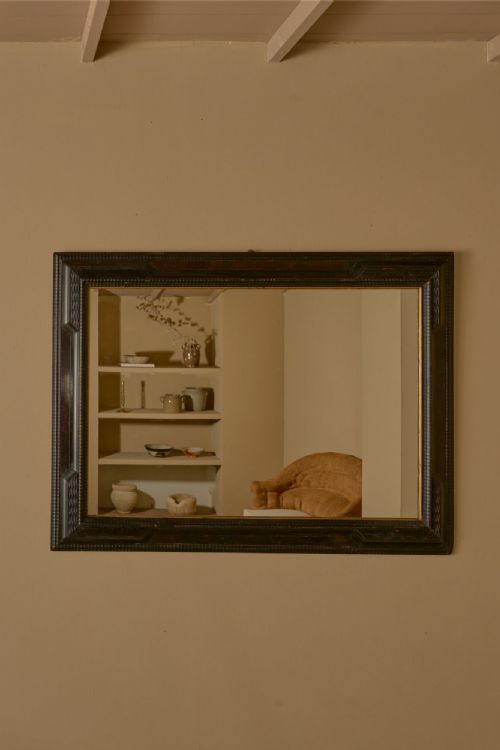
A black wooden frame holds together centuries of portraiture, mirrors and taxidermy, offering a sharp, dark border that focuses the eye entirely on the work inside.
Black Wooden Frame
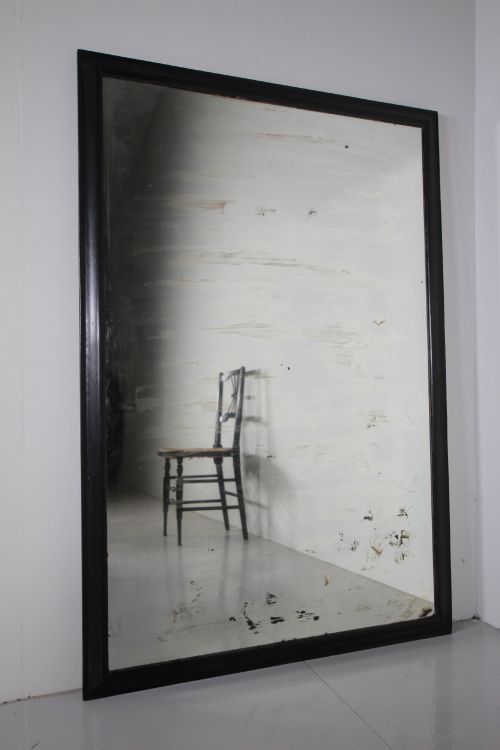
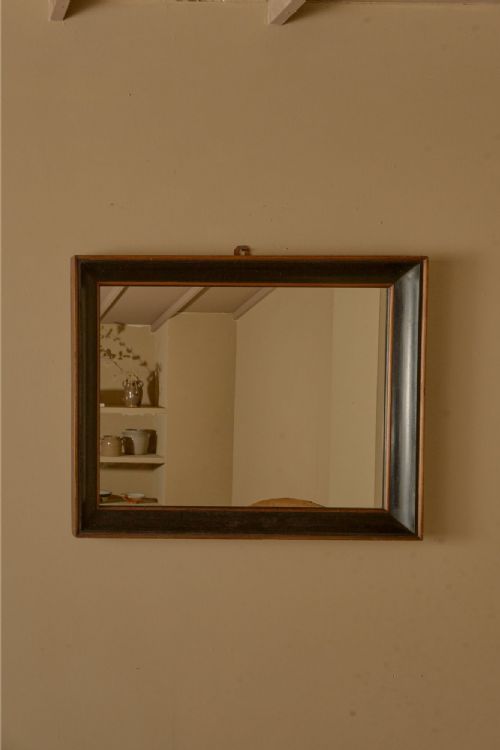
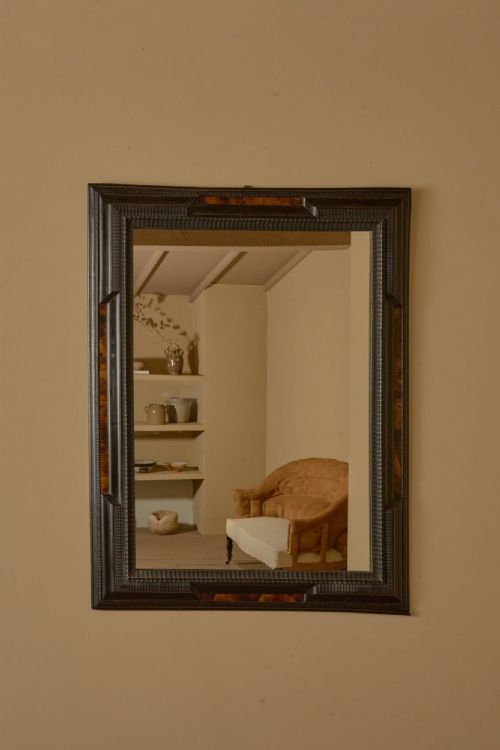
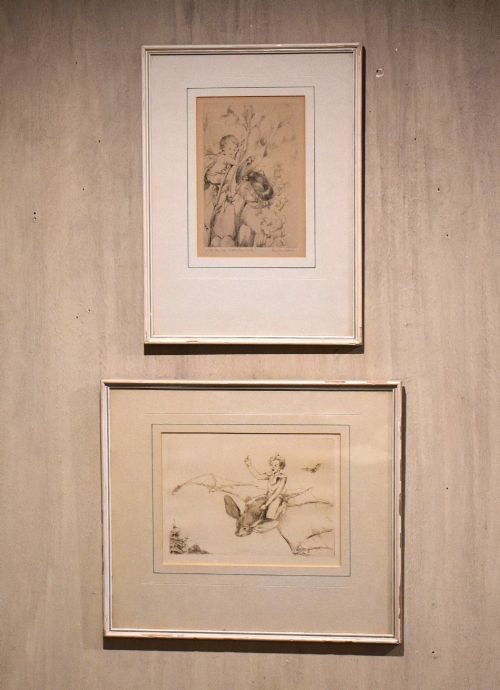
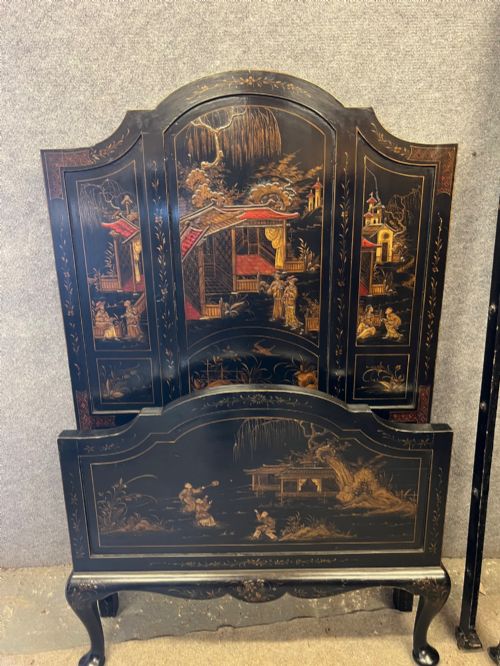
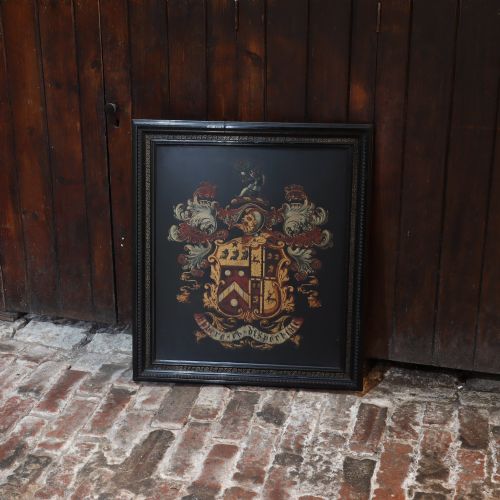
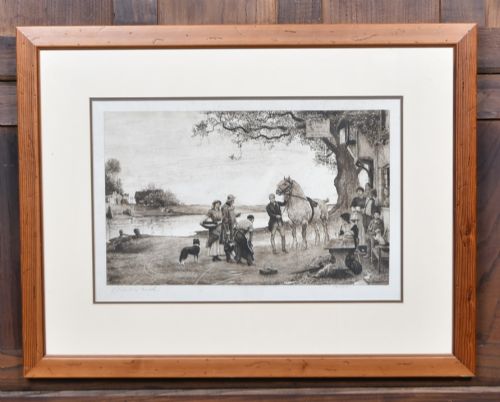
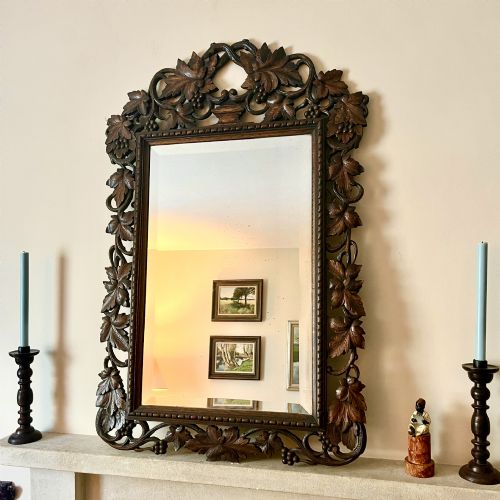
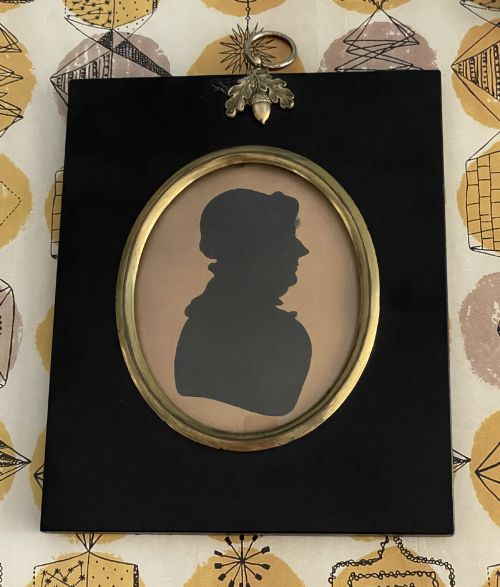
A black wooden frame turns up across several centuries, enclosing everything from delicate silhouettes to massive overmantle mirrors and heraldic panels. When searching for a black wooden frame, buyers encounter diverse objects ranging from Victorian wall mirrors and Edwardian window seats to Georgian reverse glass mezzotints.
The pieces on this page span the eighteenth, nineteenth and early twentieth centuries, drawing on styles from Regency and Victorian to Black Forest and Aesthetic Movement. Ebonised wood frequently forms the dark structural boundary for mirrors, furniture and taxidermy cases alike.
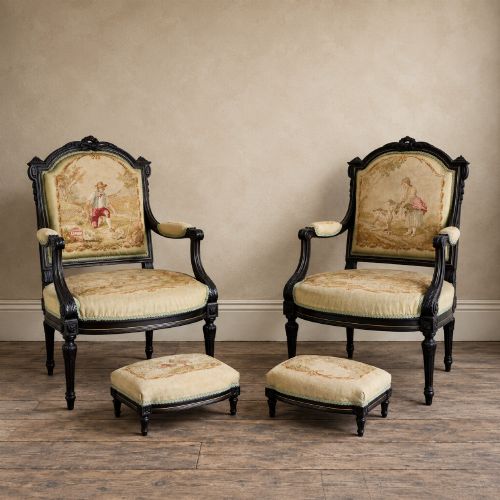
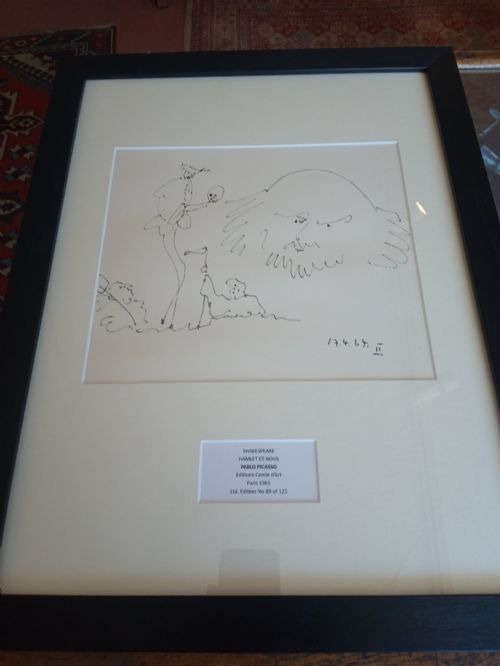
Many of these dark surrounds are integral to the artwork or mirror they contain, such as nineteenth-century carved oak or ebonised beech salon armchairs. Others house specific paper works, watercolours, and photographs designed to be displayed on walls or tabletops.
How they were made
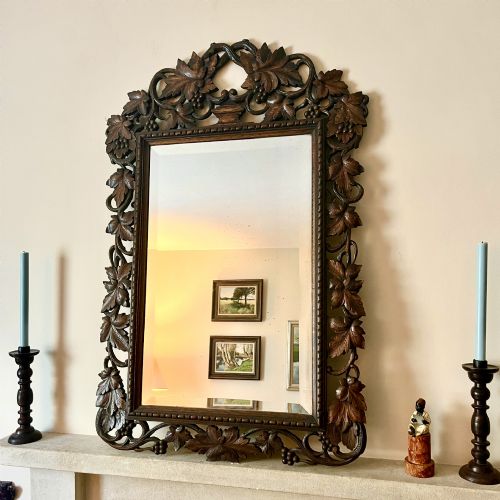
Makers utilised solid timbers such as oak and beech, frequently applying an ebonised finish to achieve a dense, uniform black appearance that mimics exotic hardwoods. Carved details on these surrounds range from intricate foliage to heavy architectural moulding.
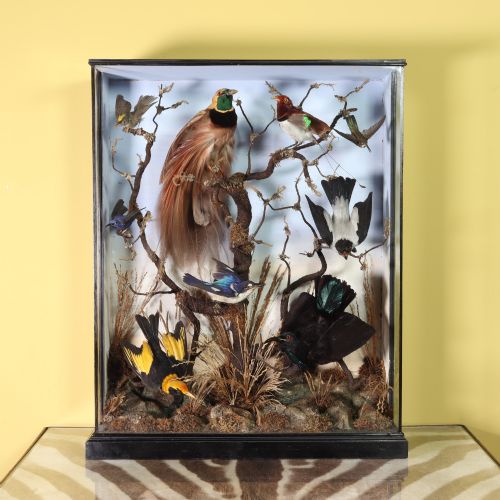
Glass, brass mounts and paper inserts combine with timber structures, particularly in mirrors, display boxes and framed prints. Frame construction relies on traditional joinery methods suited to the period, securing heavy elements like taxidermy cases and large overmantle glass safely.
Black Wooden Frame Retail Price Guide 2026
Typical asking prices for black wooden frame among the pieces listed under this phrase on Sellingantiques today, from the lower quarter to the upper quarter. They describe what is for sale here now, not the wider market.
Listings feature wood, glass, brass and paper across Victorian, Regency and eighteenth-century styles.
What varies in quality
The depth of carving and the finish of the timber set apart the finer examples, particularly where ebonised surfaces show careful preparation or oak bears deep, crisp chisel work. Superior pieces maintain integrity in their original joinery and glass components without excessive modern intervention.
The articulation of decorative styles, such as the naturalistic motifs found in Black Forest work or the restrained lines of Regency pieces, determines the visual impact of the frame. Original context, such as matching pairs of mirrors or frames retaining early glass, elevates the standing of the piece.
Robert W. Macbeth·Augustin Edouart·T. E. Gunn·Hutchings of Aberystwyth·James Gillespie
The Black Wooden Frame Glossary
- Ebonised
- Wood stained or painted to resemble ebony, providing a deep black surface common in nineteenth-century furniture and frames. This finish was widely utilised during the Victorian and Aesthetic Movement periods.
- Overmantle
- A large mirror or panel designed to hang directly above a fireplace mantelpiece. These substantial items often feature elaborate carved timber or ebonised surrounds.
- Black Forest
- A style of ornate wood carving originating from the mountainous region of Central Europe, typically featuring naturalistic animal and foliage motifs. Carved wooden frames in this tradition display high relief work.
- Reverse glass painting
- An art form where the image is painted directly onto the back of a piece of glass and viewed from the front. This technique protects the pigment and produces a glossy surface.
- Mezzotint
- A printmaking process of the intaglio family where the plate is roughened to produce tones and rich dark areas. It allows for subtle gradations of light and shade.
Black Wooden Frame: Frequently Asked Questions
How do I clean a black wooden frame?
Dust the timber gently with a dry, soft cloth to prevent accumulation in carved recesses. Avoid harsh chemical cleaners that might strip historical ebonised finishes.
For glass components housed within the frame, apply a mild glass cleaner to a cloth rather than spraying directly onto the surface near the wood.
Are these frames original to the artwork?
Many pieces retain their original surrounds, particularly items like nineteenth-century silhouettes, taxidermy cases and specific mirrors designed as a single unit.
Inspect the backboards, fixings and timber oxidation to determine if the frame and its contents have shared a long history together.
Where should I hang a large overmantle mirror?
These heavy mirrors suit traditional placement above a fireplace, where they reflect light and anchor the proportions of a room. Ensure the wall structure and fixings can support the substantial weight of the timber and glass.
They also function effectively on principal living room walls to create an illusion of increased space.
What periods do these black frames come from?
The selection spans from the eighteenth century through the Victorian era and into the early twentieth century. Styles range from Georgian restraint to ornate Black Forest carving and Aesthetic Movement design.
Each period employed distinct woodworking techniques and finishes, from simple oak mouldings to deep ebonisation.