


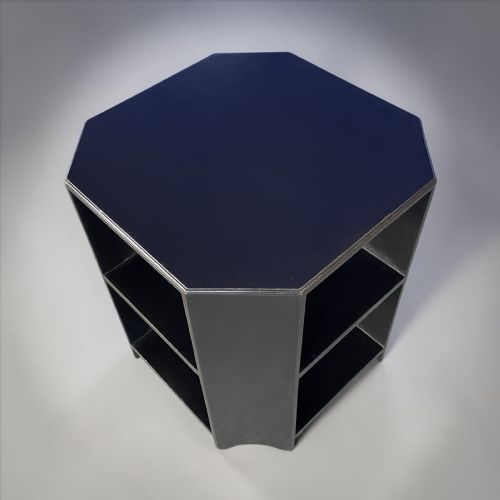


Black Wood Lamp
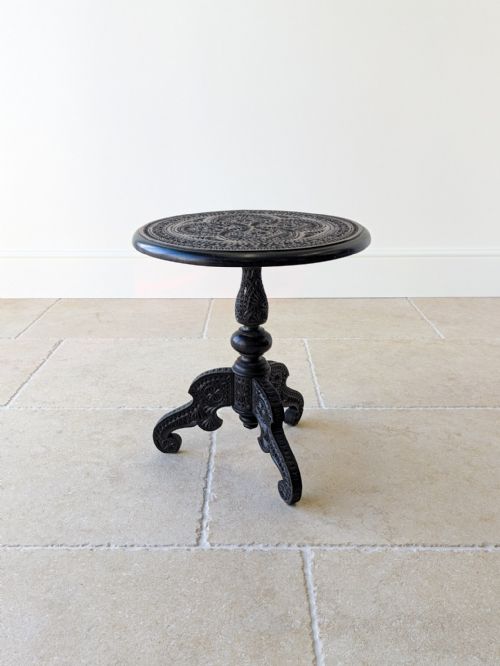
A black wood lamp brings depth and dark contrast to a room, using rich ebonised finishes and carved timber to anchor a space.
Black Wood Lamp
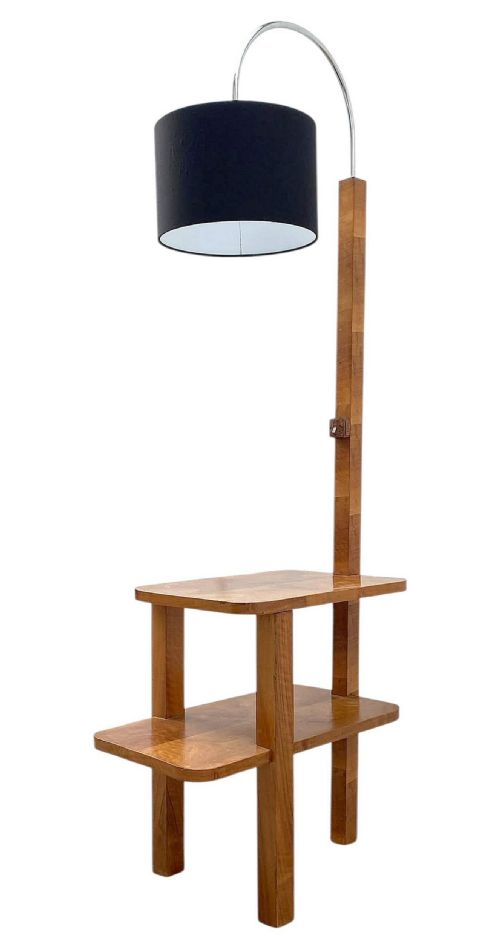
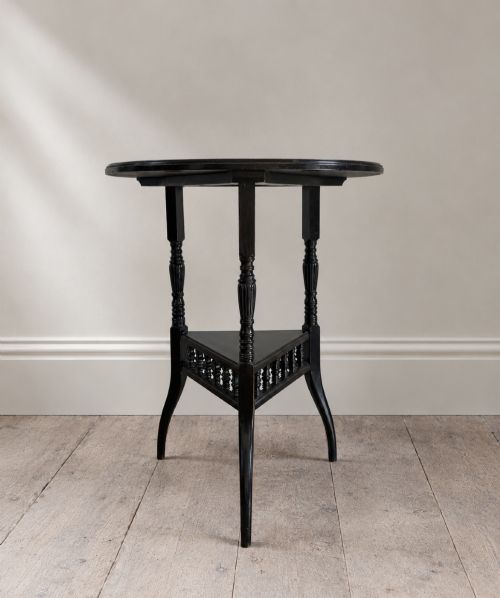
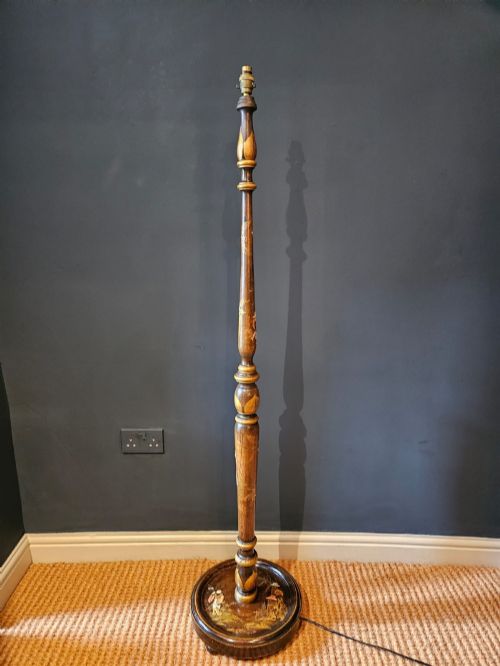
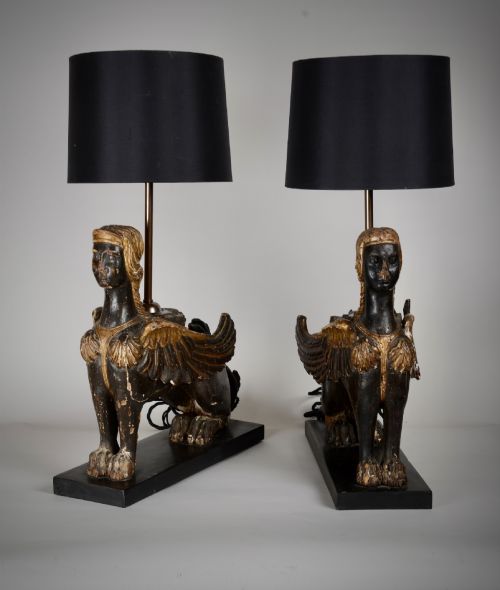
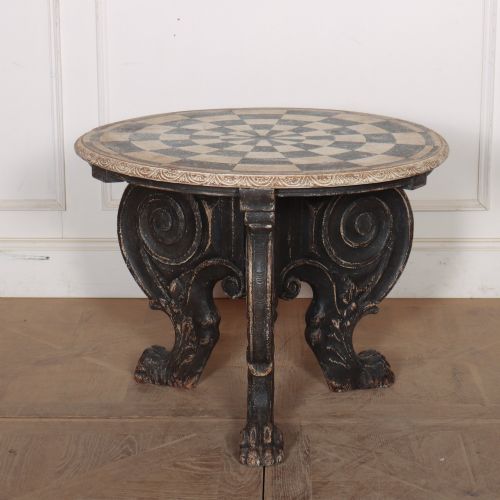
When you search for a black wood lamp, you encounter pieces that range from converted occasional tables and floor standards to carved wooden figures holding illumination. The selection spans the eighteenth century through to the art deco era, drawing on Victorian aesthetic movement designs and Chinoiserie traditions.
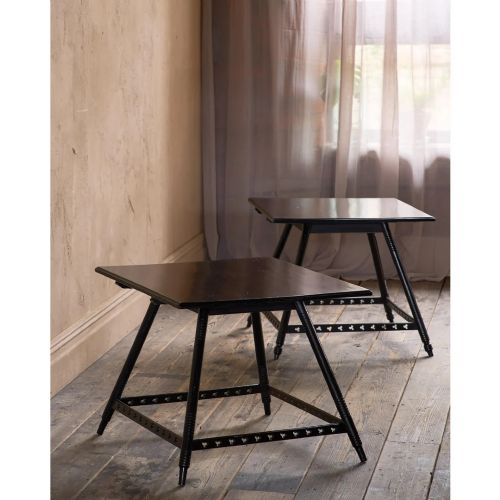
You will frequently meet ebonised occasional tables, standard lamps, and carved figures such as Black Forest bears repurposed for lighting. These items blend dark timber surfaces with brass fittings, fabric shades, and painted details.
Originating across English, continental, and Asian workshops, these pieces utilise dense hardwoods, elm, and linden. They function equally as side tables adapted for lamps or as tall floor standards designed to cast ambient light.
Materials and construction methods
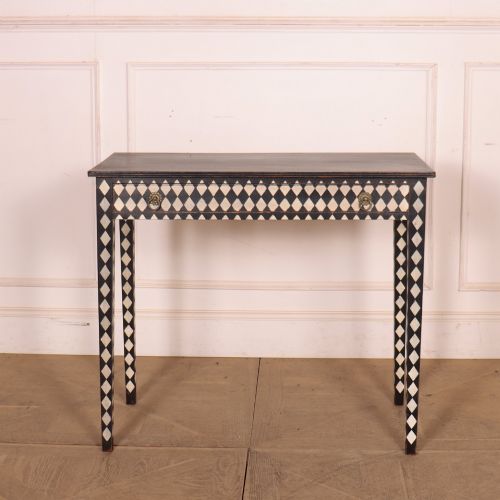
Craftsmen built these pieces using solid hardwoods, oak, and elm, often applying an ebonised finish to mimic costly exotic timbers like ebony. Lacquer, japaning, and painted surfaces frequently overlay the wood, sometimes accented with parcel gilt or bone inlay.
Black Wood Lamp Retail Price Guide 2026
Typical asking prices for black wood lamp among the pieces listed under this phrase on Sellingantiques today, from the lower quarter to the upper quarter. They describe what is for sale here now, not the wider market.
Several heavy-pawed Black Forest bears stand ready to illuminate your hallway without demanding any fish.
Distinctions in craftsmanship
Quality rests in the depth of the ebonisation, the crispness of the hand-carved details, and the integrity of the underlying timber. Superior examples display refined marquetry, precise bone inlay, or sophisticated Chinoiserie decoration rather than simple surface paint.
The sophistication of the conversion also matters, particularly in tables adapted for electrical wiring or figures integrated with lamp standards. Weight, stability, and the harmonious integration of brass hardware separate standard utility pieces from finer decorative works.
The Black Wood Lamp Glossary
- Ebonised
- Wood treated with a stain or finish to imitate true ebony, popular in nineteenth-century aesthetic design. This dark treatment provides a uniform, light-absorbing surface.
- Chinoiserie
- European imitation and adaptation of Chinese artistic traditions, featuring painted or lacquered motifs. It commonly appears on eighteenth and early twentieth-century furniture.
- Guéridon
- A small French occasional table supported by one or more columns or figures. These pieces frequently serve as pedestals for lamps or decorative objects.
- Marquetry
- Decorative veneer applied to furniture in geometrical patterns or pictorial scenes using various wood types. Skilled makers combine contrasting timbers to create complex visual depth.
- Japaning
- A European form of finishing that mimics Asian lacquer work through layers of varnish and heat curing. It typically displays metallic decoration over a dark ground.
Black Wood Lamp: Frequently Asked Questions
How do I style a black wood lamp?
Pair these dark timber pieces against neutral walls to let the silhouette stand out in a room. They suit both traditional settings and modern interiors by adding textural weight and contrast.
Ensure the scale matches surrounding furniture, particularly when using table lamps on low occasional surfaces or placing tall floor standards in corners.
Are these lamps converted from older tables?
Many examples begin life as occasional tables, stands, or decorative figures before receiving professional adaptation for electrical fittings. This practice preserves historical craftsmanship while updating the object for modern use.
Examine the wiring entry points and structural modifications to understand how the original form has been adapted over time.
What periods do these pieces come from?
The selection includes eighteenth-century designs, Victorian aesthetic movement creations, and early twentieth-century art deco or Black Forest pieces. Each era brings distinct carving styles and finishing techniques to the dark wood surface.
Victorian pieces often lean towards ebonised tables with incised gilt details, while later pieces favour floor standards and lacquered finishes.
How do I care for ebonised wood?
Dust regularly with a soft, dry cloth to prevent surface scratching on the dark finish. Avoid placing timber pieces in direct sunlight or near heat sources to protect the wood from drying out.
Apply a quality furniture wax sparingly if the finish appears dry, buffing gently to maintain a subtle, even sheen.