

Black Wood Framed Portrait
A black wood framed portrait carries the quiet gravity of past centuries, bringing deep mouldings and austere painted or printed likenesses into a modern room.
Black Wood Framed Portrait
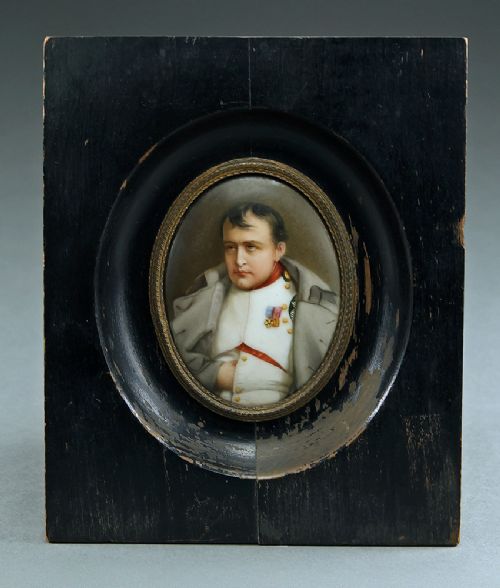
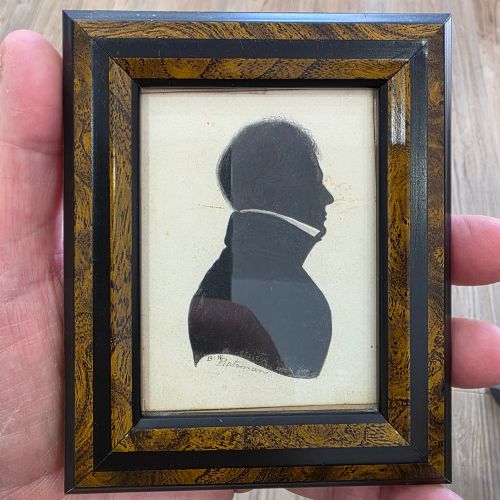
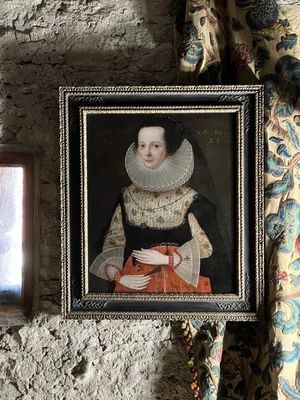
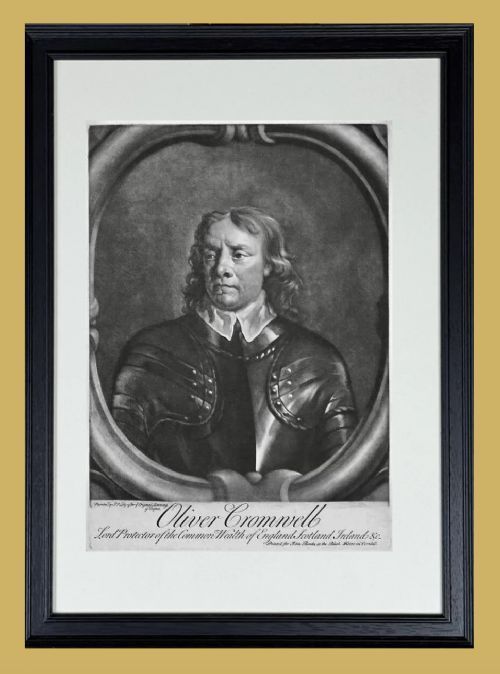
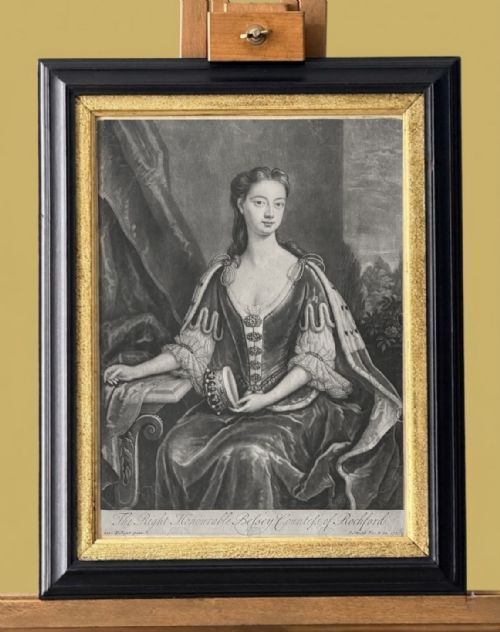
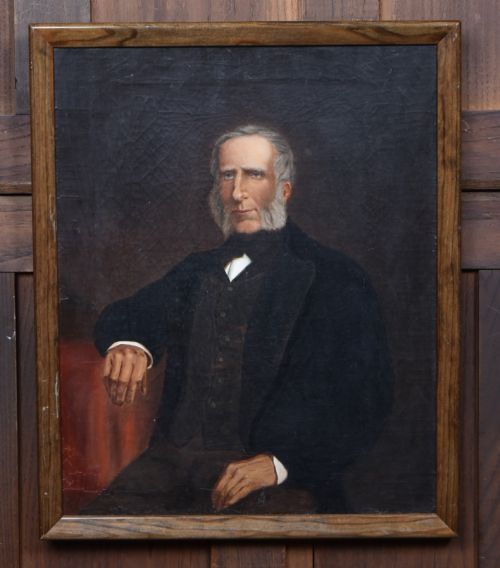
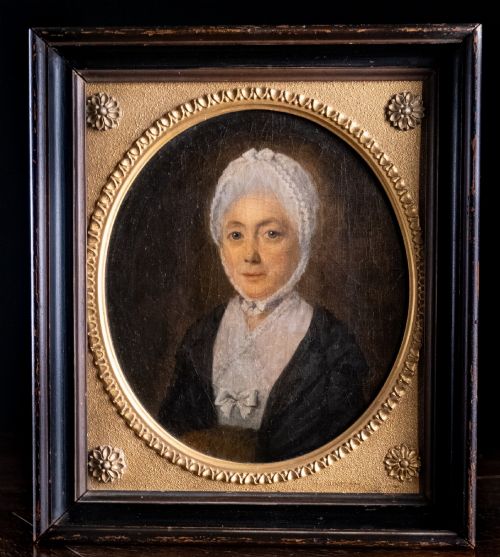
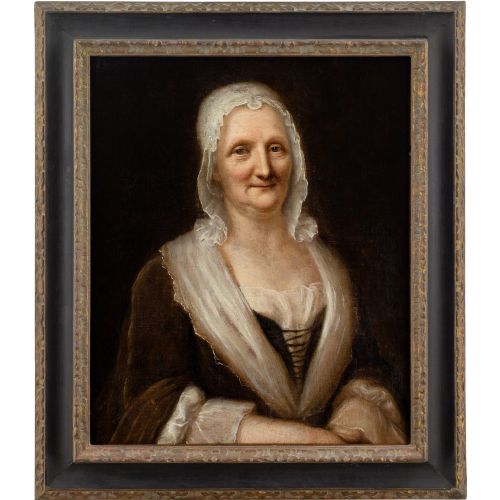
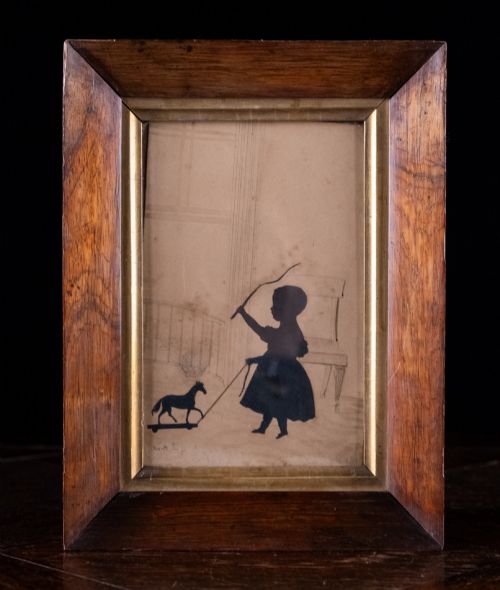
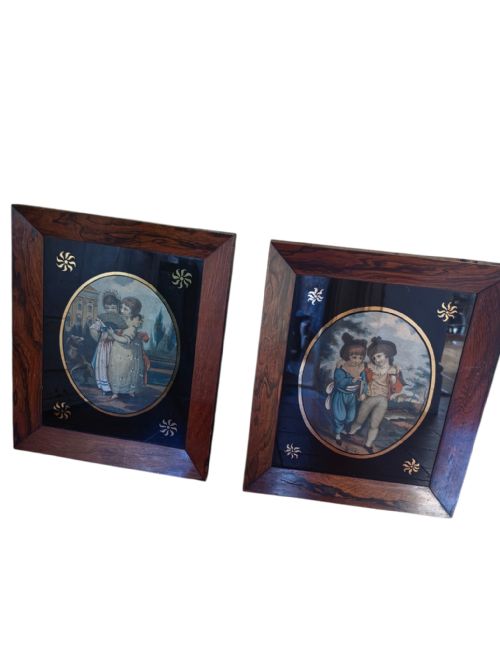
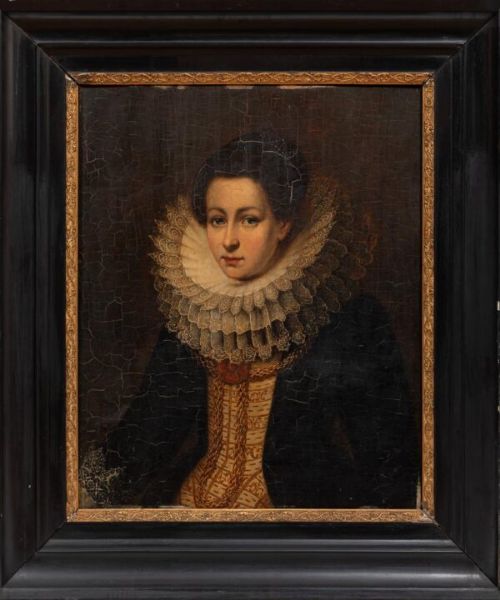
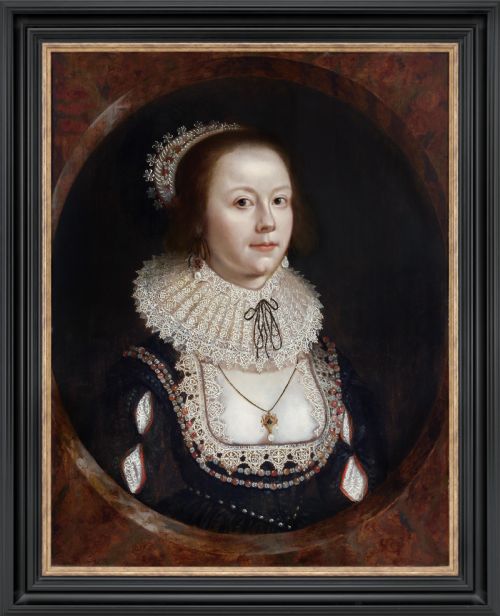
A black wood framed portrait presents historical likenesses enclosed in dark timber surrounds, ranging from austere silhouettes to elaborate oil paintings. These works capture subjects from noblewomen in ruff collars to Victorian gentlemen, rendered in media that span centuries of artistic practice.
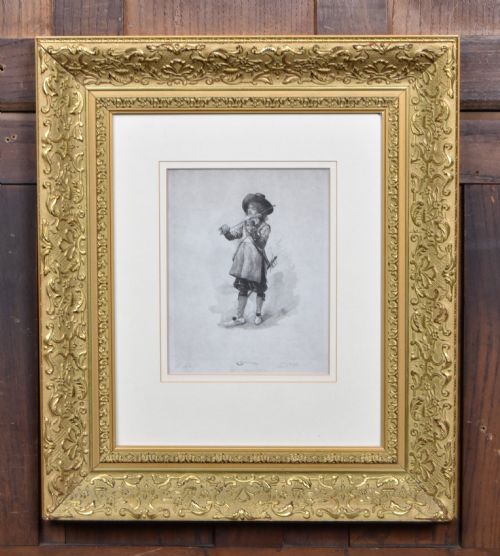
The selections on this page draw predominantly from nineteenth and eighteenth-century origins, though earlier seventeenth-century works and later twentieth-century reproductions also appear. Forms include oil on canvas, delicate paper silhouettes, and rich mezzotint engravings, all sharing the characteristic dark framing.
Buyers seeking these items find a mix of intimate portrait miniatures, folk art pairs, and dramatic printed plates. Each object offers a window into past portraiture conventions, unified by the stark contrast of a blackened wooden boundary.
Materials and construction methods
Makers utilised wood, glass, and paper alongside oil paint, ink, and gold leaf to construct these works. Canvases and wooden panels received layers of oil paint, while prints and silhouettes relied on fine paper surfaces protected beneath glass panes.
The dark frames themselves are constructed from timber, sometimes enhanced with gilt details or reverse glass techniques like eglomise. Pigments applied by hand or inked plates pressed onto paper created the lasting imagery preserved within these borders.
Several portraits feature subjects wearing elaborately stiff ruff collars that look remarkably difficult to eat dinner in.
Quality variations in historical portraiture
The integrity of the materials also dictates standing, with original period glass, stable oil paint surfaces, and undisturbed wooden frames commanding greater appreciation than later replacements or heavily restored components.
Augustin Edouart·Sir Peter Lely·Nicolaes Maes·John Bowles·James Tassie
The Black Wood Framed Portrait Glossary
- Mezzotint
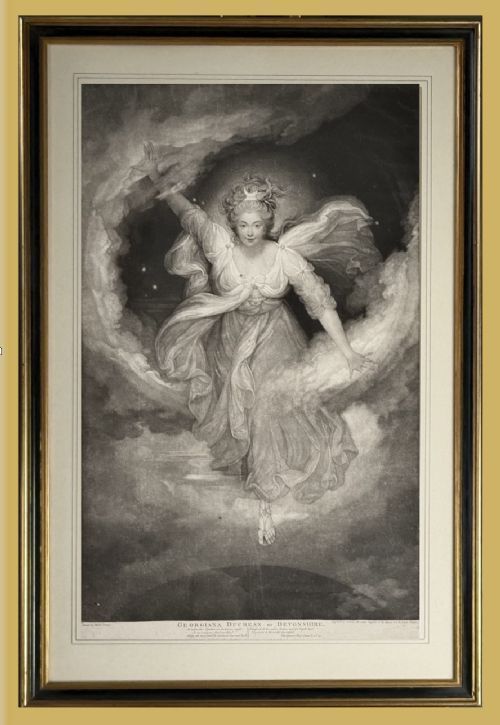
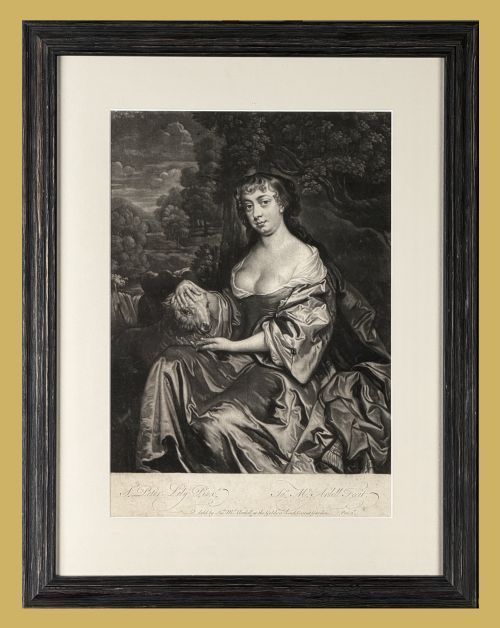
- A printmaking process where the copper plate is roughened to allow deep, velvety tones and subtle gradations of light and shade. This technique became popular for reproducing oil paintings of notable figures.
- Silhouette
- A portrait profile filled in with a solid dark colour, usually cut from paper or painted on card. These works gained widespread popularity during the eighteenth and nineteenth centuries.
- Reverse glass print
- An image painted or transferred directly onto the underside of a glass sheet so that it is viewed through the transparent material. This method produces a characteristic glossy finish.
- Plumbago
- A delicate drawing executed in graphite, taking its name from the Latin word for lead ore. Artists used this medium for highly detailed portrait miniatures.
- Eglomise
- A decorative technique involving the application of cold painting and metal leaf to the rear face of glass. The resulting panels create reflective, ornate borders.
Black Wood Framed Portrait: Frequently Asked Questions
How do I hang a heavy framed portrait?
Ensure your wall fixings match the weight of the timber frame and glass, using appropriate wall plugs and sturdy picture wire secured firmly to the side dows.
Position the piece at eye level where fluctuating room temperatures and direct sunlight will not damage the delicate paper or paint beneath the glass.
Are these frames original to the portraits?
Many pieces retain their period frames, which show appropriate signs of age such as minor shrinkage, subtle surface wear, and historic timber patination.
Some works have been reframed over the centuries to suit changing interior tastes, making the combination of frame and artwork a product of multiple eras.
How should I clean antique glass and wood?
Dust the black wooden frame gently with a dry, soft cloth, avoiding commercial polishes that might leave residues in the grain or mouldings.
Clean the glass sparingly with a microfibre cloth slightly dampened with water, taking care to prevent any moisture from seeping under the edge of the rebate.
What is the difference between an oil painting and a print?
An oil painting consists of viscous pigments applied directly to canvas or wooden panel by hand, creating visible brush texture and unique impasto layers.
A print, such as a mezzotint or engraving, is mechanically or chemically transferred from a prepared plate onto paper, resulting in a flat surface under glass.