

Black Wood Chair
A black wood chair brings dark tones and striking silhouettes into a room, offering seating shaped by nineteenth-century revival styles and regional traditions.
Black Wood Chair
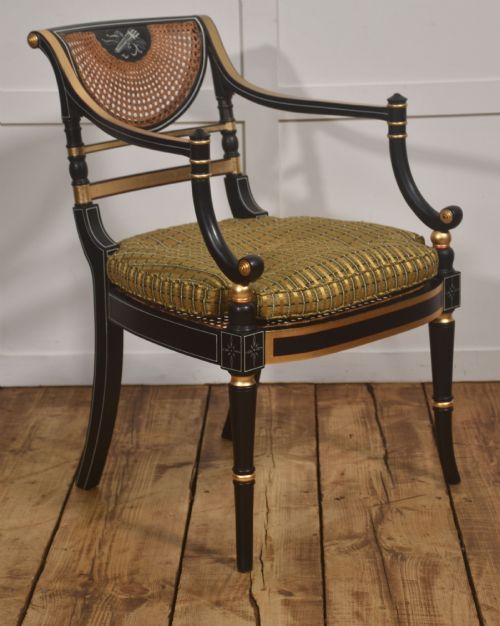
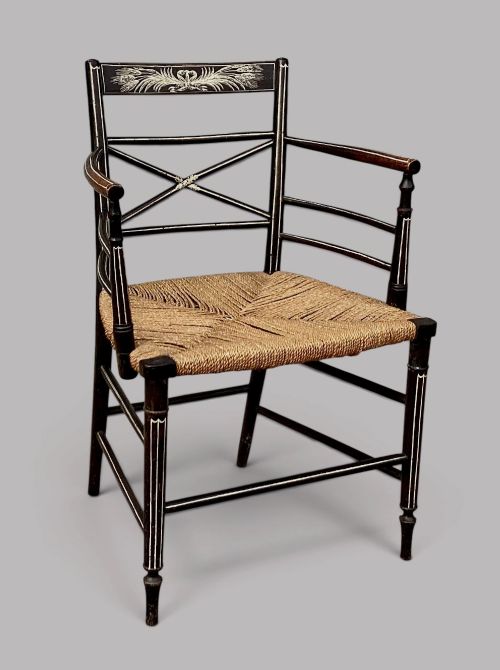
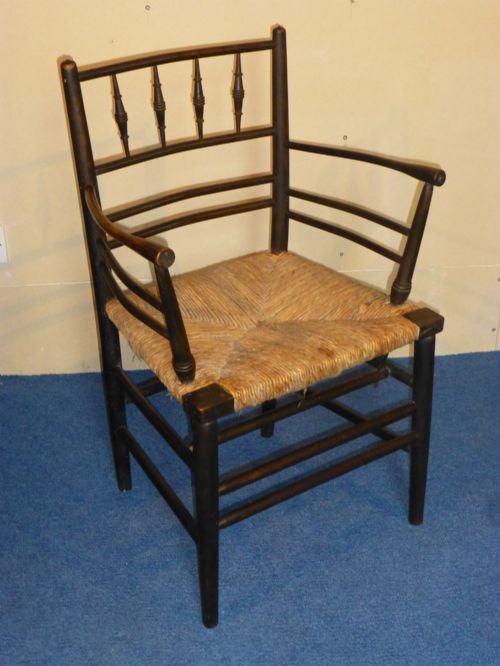
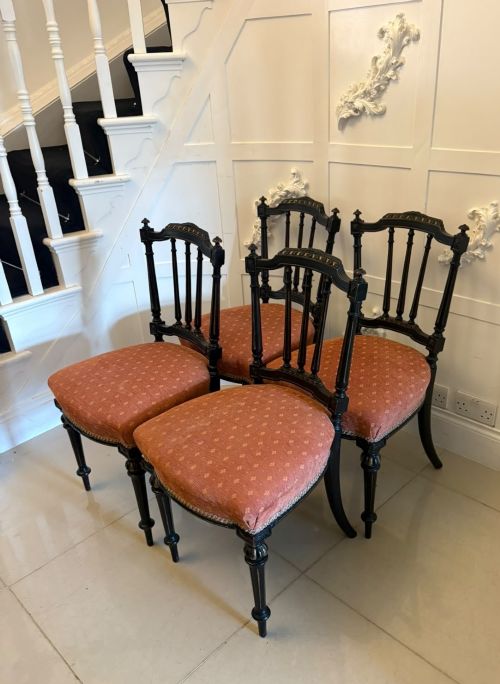
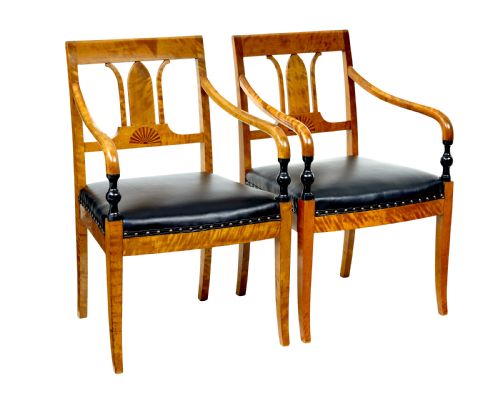
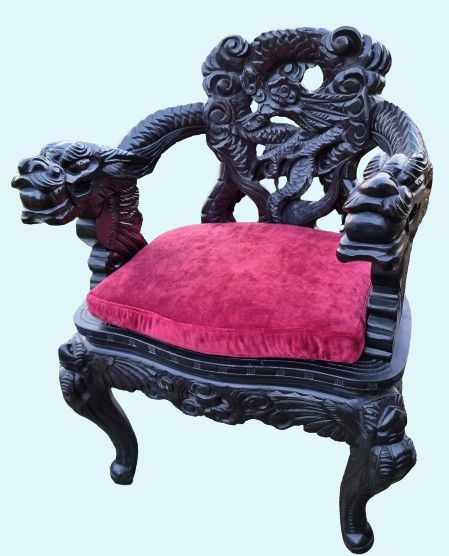
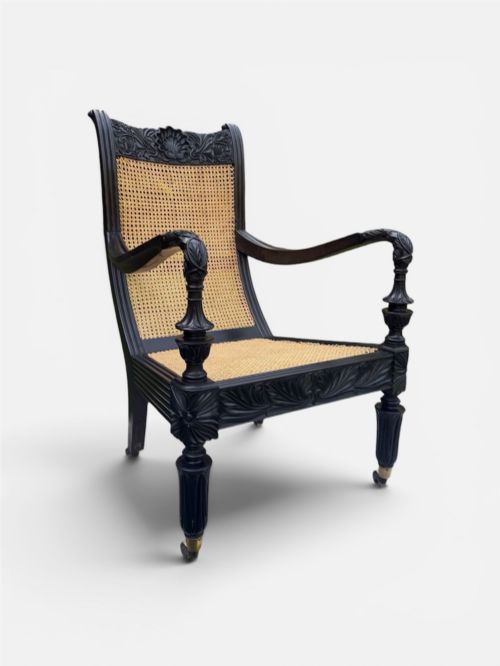
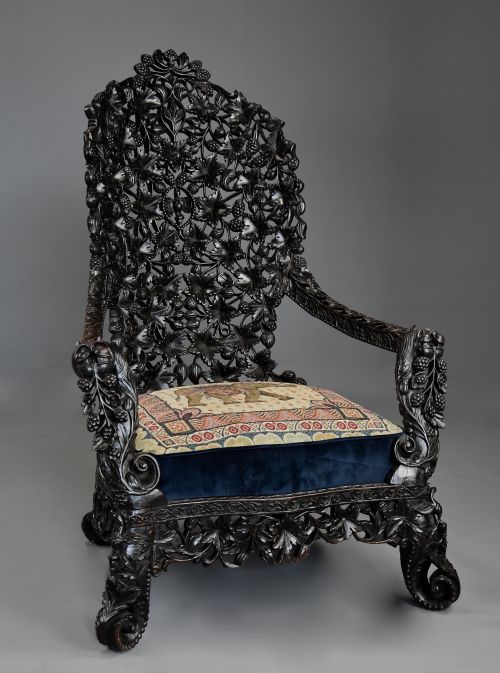
When you search for a black wood chair on this page, you encounter seating spanning the Regency, Victorian, and Arts and Crafts periods, alongside regional forms such as Anglo-Indian and Chinese export pieces.
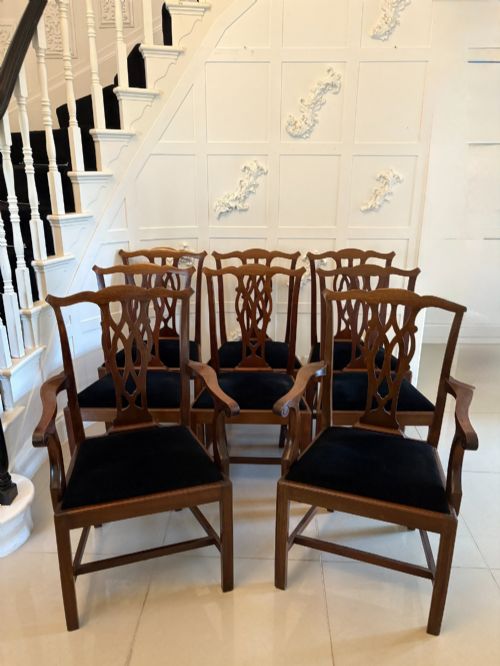
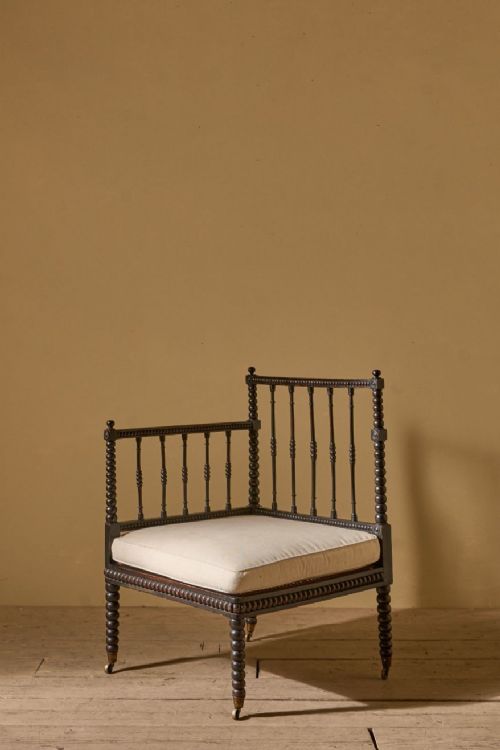
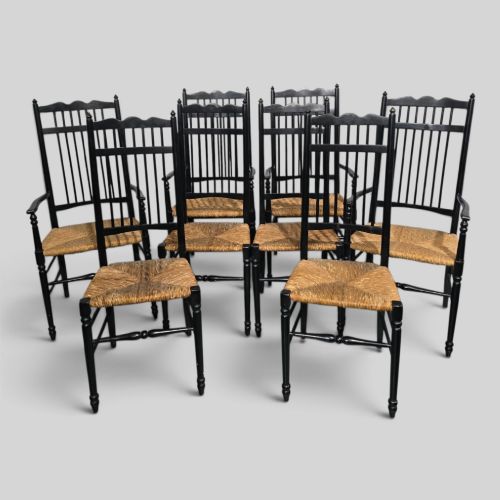
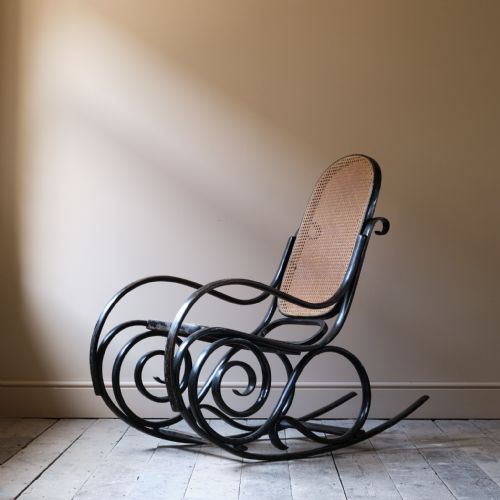
The selection ranges from single elbow chairs and corner chairs to sets of dining chairs and rocking chairs, encompassing ebonised finishes, solid hardwoods, and painted surfaces.
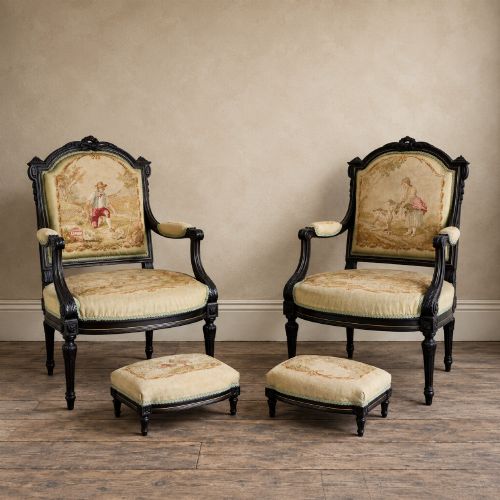
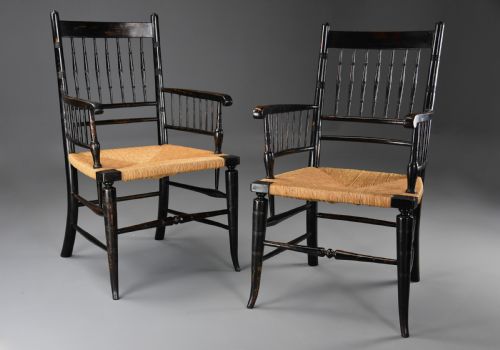
Victorian ebonised models and nineteenth-century armchairs dominate the selection, reflecting a preference for dark, formal seating across both parlour and dining settings.
What varies in quality
The standard of carving and the integrity of the painted or ebonised surface define the baseline of execution, separating standard production from finely detailed examples.
Proportion and the retention of original materials, such as early cane seats or period upholstery, distinguish pieces that retain their character from those altered over time.
Black Wood Chair Retail Price Guide 2026
Typical asking prices for black wood chair among the pieces listed under this phrase on Sellingantiques today, from the lower quarter to the upper quarter. They describe what is for sale here now, not the wider market.
Styles recorded on this page range from Victorian and Regency to Anglo-Indian, Arts and Crafts, and Aesthetic Movement.
Jennens and Bettridge·Morris and Co·Philip Webb·E W Godwin
The Black Wood Chair Glossary
- Ebonised
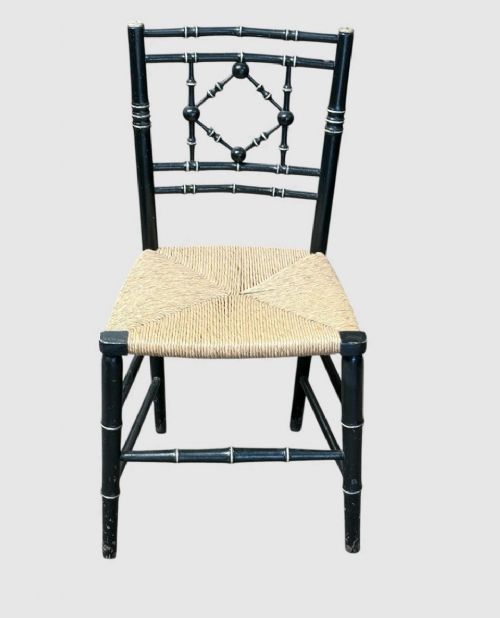
- Wood finished with a dark stain or paint to imitate ebony. This treatment became popular during the nineteenth century for decorative furniture.
- Anglo-Indian
- Furniture made in India by local craftsmen for British residents or export, often featuring dense carved hardwood. These pieces combine traditional Indian motifs with European forms.
- Cockpen
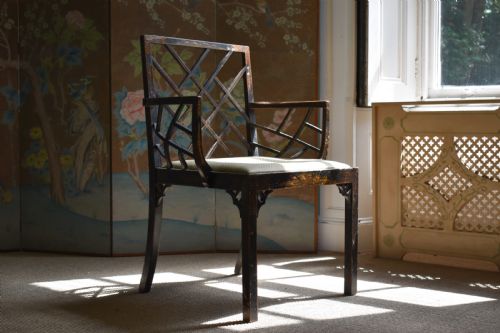
- A Chinese Chippendish style of chair characterised by an open lattice framework. The design takes inspiration from Chinese export furniture.
- Prie Dieu
- A low devotional chair with a padded top rail intended for kneeling or leaning during prayer. Victorian examples frequently feature upholstered panels.
- Bobbin
- A turned furniture leg or stretcher shaped like a string of spools. This decorative turning style appears frequently on nineteenth-century corner chairs.
Black Wood Chair: Frequently Asked Questions
What periods do these chairs cover?
The listings span the nineteenth century and the early twentieth century, taking in Regency, Victorian, and Arts and Crafts eras.
Specific decades represented include the 1860s, 1870s, 1880s, and 1900s, reflecting diverse manufacturing periods.
How do I care for ebonised wood?
Ebonised surfaces require gentle dusting with a dry cloth and protection from direct sunlight to preserve the dark finish.
Avoid liquid cleaners and silicone polishes, which can degrade the painted or stained outer layer over time.
Are these chairs suitable for daily dining?
Many dining chairs and sets are built for regular use, though older frames benefit from careful weight distribution.
Upholstered and cane seats may require professional reinforcement if intended for heavy daily seating.
What is the difference between ebonised and solid ebony?
Ebonised wood is typically a domestic timber stained, painted, or polished black to resemble a more costly dark material.
Solid ebony pieces are carved from dense tropical hardwood, offering natural weight and grain throughout the structure.