



Black Pine Cupboard
A black pine cupboard offers robust country storage with a dark painted finish, bringing genuine regional character and practical utility to any room.
Black Pine Cupboard
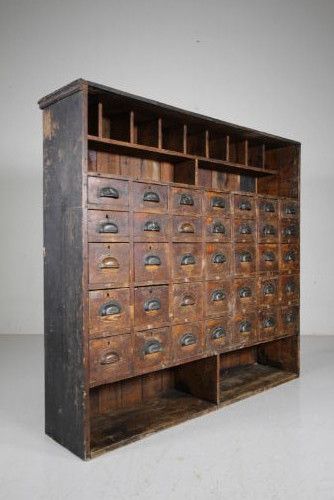
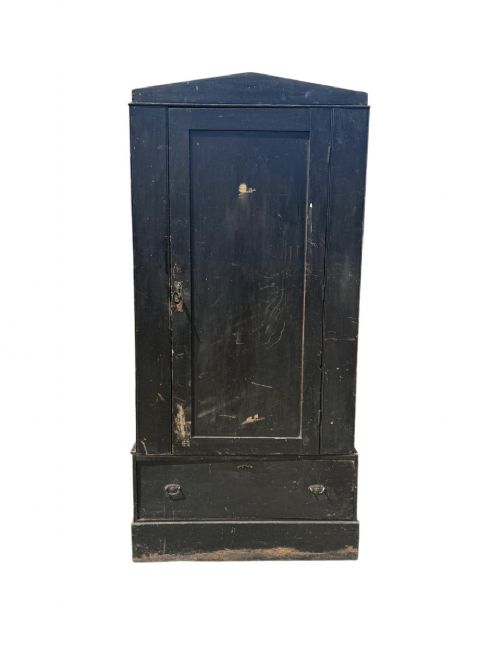
A black pine cupboard encompasses various storage forms such as bedside cabinets, hall wardrobes, dresser bases, and pantry cupboards finished in dark paint. These pieces emerge predominantly from Victorian and nineteenth-century traditions, spanning English, Irish, and Hungarian origins.
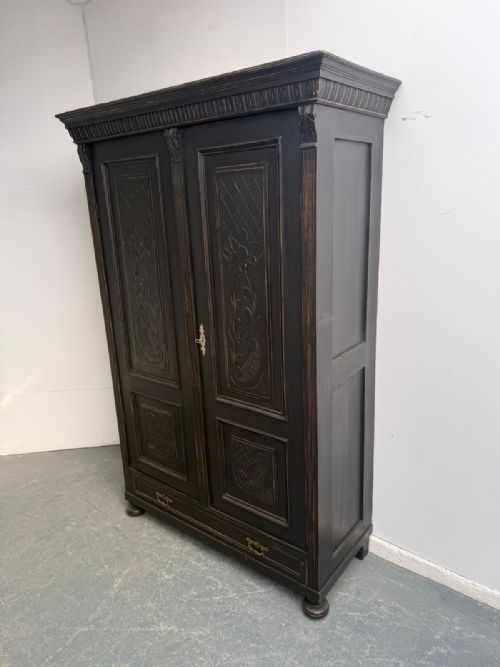
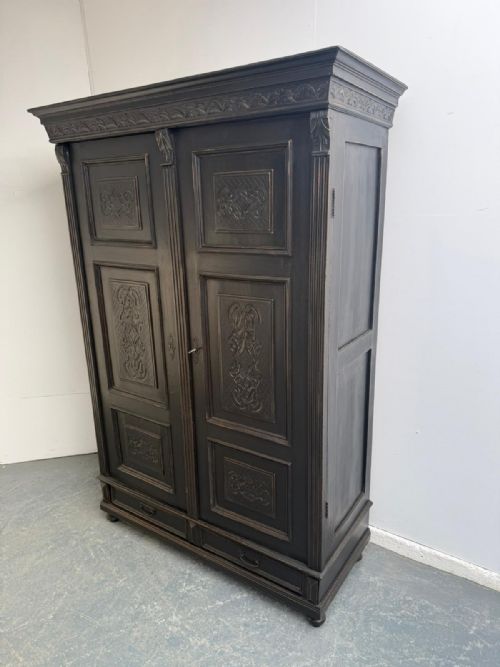
Buyers searching for a black pine cupboard encounter diverse regional styles, including Hungarian folk art, Welsh vernacular, and Victorian industrial designs. The selection balances smaller items like bedside cabinets with taller storage options including wardrobes and bookcases.
Construction relies heavily on secondary timbers alongside pine and oak, often enhanced with painted surfaces, marble tops, ceramic fittings, and iron or brass hardware. The dark painted finish unifies these varied forms, ranging from simple country pieces to carved columned cabinets.
How they were made
Carpenters constructed these cupboards using solid pine and oak carcasses, frequently incorporating iron and brass for hinges, locks, and handles. Surfaces received protective and decorative coats of paint, establishing the dark finishes seen across regional examples.
More elaborate regional pieces integrated additional materials such as marble for bedside cabinet tops and ceramic elements for hardware or trim. Carved details and applied columns appeared on specific continental and Victorian forms, adding architectural depth to the basic timber structure.
Materials span pine, oak, painted wood, iron, ceramic, marble, and brass.
What varies in quality
Quality separates simple utilitarian storage from pieces possessing finer regional details, such as carved mouldings, fitted marble tops, and intact original painted surfaces. The integrity of the underlying pine and oak timber frame dictates the structural longevity of each cabinet.
Hardware preservation also distinguishes the range, with original brass, iron, and ceramic components retaining greater authenticity than later replacements. The execution of the black painted finish, whether smooth or textured with folk art motifs, influences the overall visual impact.
The Black Pine Cupboard Glossary
- Pine
- A softwood commonly used for the primary structure of country furniture due to its availability and workability. It accepts paint finishes readily.
- Vernacular
- Furniture built by local tradespeople to regional traditions rather than following metropolitan fashion. These pieces reflect specific local domestic needs.
- Folk Art
- Decorative styles and techniques rooted in regional culture, often featuring hand-painted motifs or distinctive regional construction methods.
- Dresser Base
- A low sideboard or cabinet featuring cupboards or drawers, historically used in kitchens and dining areas for serving and storage.
- Linen Press
- A tall storage cupboard historically designed for folding and storing linens, typically featuring upper shelving and lower drawers.
Black Pine Cupboard: Frequently Asked Questions
Where should I put a black pine cupboard?
These cupboards suit bedrooms, hallways, and living spaces where practical storage is required. Their dark painted finishes allow them to anchor a room as a focal point.
Smaller bedside cabinets fit easily beside a bed, while taller wardrobes and dresser bases provide substantial capacity in larger rooms.
How do I care for painted pine furniture?
Dust surfaces regularly with a soft cloth and avoid chemical cleaning agents that might degrade the painted finish. Keep timber away from direct heat sources to prevent warping.
Marble tops on bedside cabinets benefit from prompt wiping of spills to protect the stone from staining.
Are these cupboards purely decorative?
Every piece serves a functional storage purpose, whether holding books, clothing, or bedside items. The internal shelving and drawer configurations reflect their original domestic uses.
Combining utility with regional style makes them practical additions to modern interiors.
What indicates a Victorian origin?
Victorian pieces often display specific hardware styles, construction methods, and characteristic proportions associated with the nineteenth century. Details like turned columns and marble inserts align with this period.
Comparing timber thickness and joinery helps confirm the nineteenth-century timeline.