






Hungarian Painted Cupboard
A Hungarian painted cupboard brings the distinct folk art tradition of Central Europe directly into a modern interior.
Hungarian Painted Cupboard
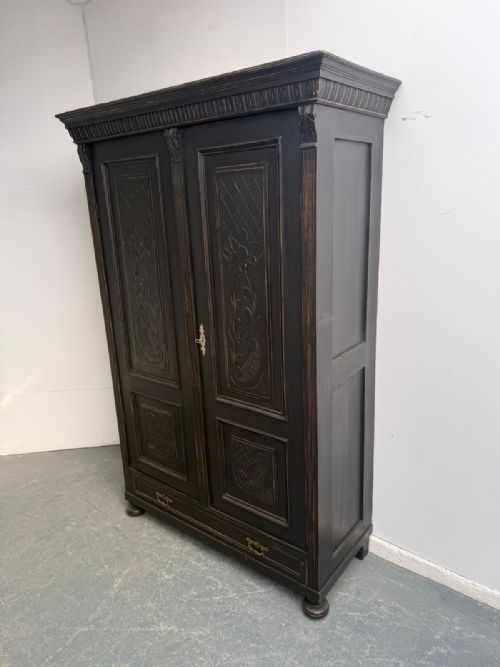
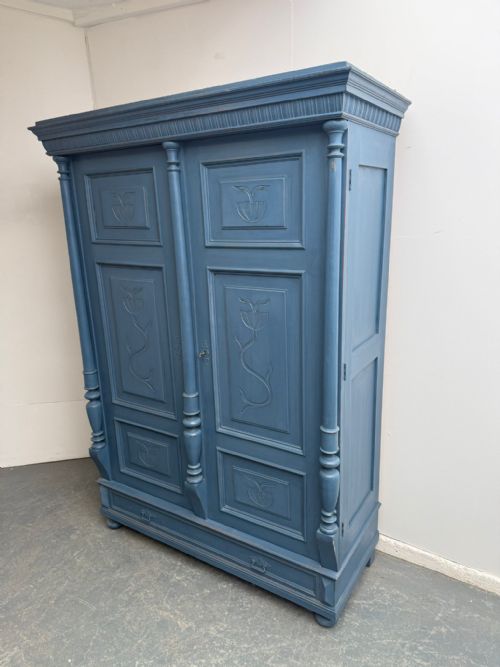
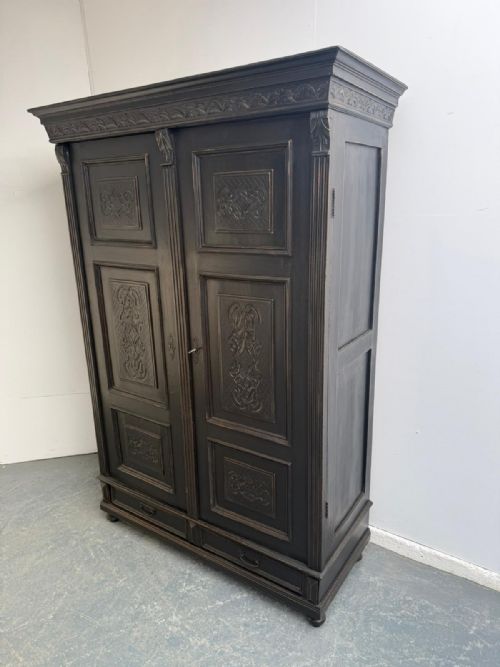
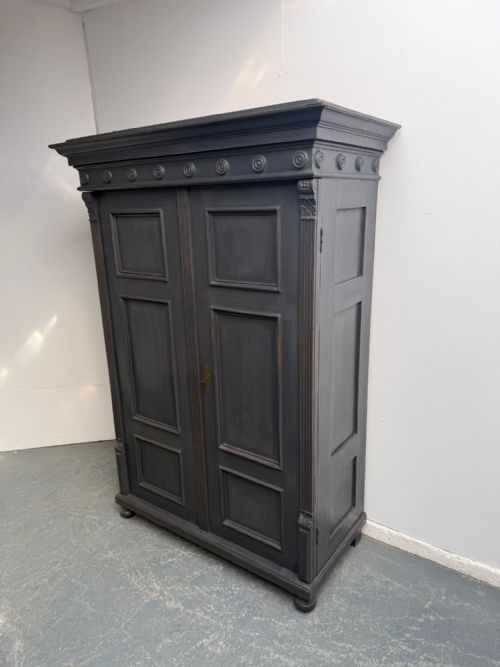
A hungarian painted cupboard is a substantial storage piece originating from Central European traditions, often displaying distinctive folk art decoration. The pieces catalogued here span the Victorian era and the wider nineteenth century, encompassing regional variants from Hungary and Bohemia. Buyers searching for this phrase encounter a range of functional forms including tall hall wardrobes, bedside cabinets, kitchen dressers, and multi-drawer shop fittings.
The construction of these pieces predominantly utilises pine and oak, finished with historical painted surfaces in shades of black, blue, green, cream, teal, grey, and white. Wardrobes and armoires serve as prominent choices for larger spaces, while bedside cabinets and smaller cupboards offer more compact storage options. Many examples survive as single-piece items or two-piece configurations, reflecting the practical domestic requirements of nineteenth-century European country life.
What Varies in Quality
Quality in a hungarian painted cupboard rests primarily upon the integrity of the original painted surface and the survival of early decorative pigments. Pieces retain greater appeal when the polychrome or monochrome paint layer shows authentic age rather than later intervention.
Structural complexity and the preservation of original hardware, such as iron fittings and hinges, further differentiate individual examples. The sophistication of regional folk art motifs and the balance of secondary timbers like oak and pine contribute to the distinction between standard domestic items and finer workshop productions.
One extraordinary shop fitting survives with fifty individual drawers, proving that nineteenth-century filing required immense patience and a great deal of paint.
The Hungarian Painted Cupboard Glossary
- Victorian
- Relating to the reign of Queen Victoria, spanning the nineteenth century and defining the period of manufacture for the majority of these pieces. This era saw widespread production of regional country furniture across Europe.
- Pine
- A softwood commonly utilised for the primary carcase and panels of Central European country furniture. It provides a lightweight yet stable base for painted decoration.
- Oak
- A durable hardwood occasionally combined with pine in these cupboards for structural strength and contrasting grain. It appears frequently in nineteenth-century wardrobe and cabinet construction.
- Armoire
- A large freestanding wardrobe or cupboard designed for clothing storage. In the context of Hungarian and Bohemian pieces, these often feature significant painted folk art panels.
- Shop Fitting
- Commercial cabinetry and multi-drawer storage units adapted from trade environments. These pieces demonstrate the utilitarian application of nineteenth-century European carpentry on a larger scale.
Hungarian Painted Cupboard: Frequently Asked Questions
Where did these cupboards originate?
These pieces originate from Hungary, Bohemia, and the wider Austro-Hungarian region, reflecting local European country traditions. Makers built them for domestic and commercial settings during the nineteenth century.
The regional style often incorporates specific folk art motifs and traditional painting techniques passed down through local workshops. Their geographical origins dictate the distinct palette and decorative vocabulary found on the timber surfaces.
How are they used today?
Modern interiors utilise these cupboards primarily for functional storage in hallways, bedrooms, and living spaces. Tall wardrobes and armoires accommodate clothing, while bedside cabinets and smaller cupboards serve smaller rooms.
Larger dressers and multi-drawer shop fittings provide substantial organisational capacity while acting as focal points within a room. Their painted surfaces introduce strong decorative colour to contemporary decorative schemes.
Are the painted finishes original?
Many examples retain their original historical paint layers, which display natural wear and patination consistent with nineteenth-century use. Documented finishes include monochrome black, white, and grey alongside vibrant blue, green, and teal.
Examining the interaction between the paint and the underlying pine or oak helps determine the age of the surface. Collectors value pieces where the decorative folk art remains undisturbed by modern restoration.
What woods were used in construction?
Makers relied heavily on pine as the primary timber for these cupboards due to its availability and suitability for receiving painted decoration. Oak also appears frequently, often providing added durability to structural elements and frames.
Additional materials such as iron, metal, and ceramic feature in the hardware, hinges, and handles. Certain specialised items, like bedside cabinets, incorporate marble inserts for practical tabletop surfaces.