



Black Pedestal Accent Table
A black pedestal accent table anchors a room with dark elegance, offering a compact surface raised on a single central support.
Black Pedestal Accent Table
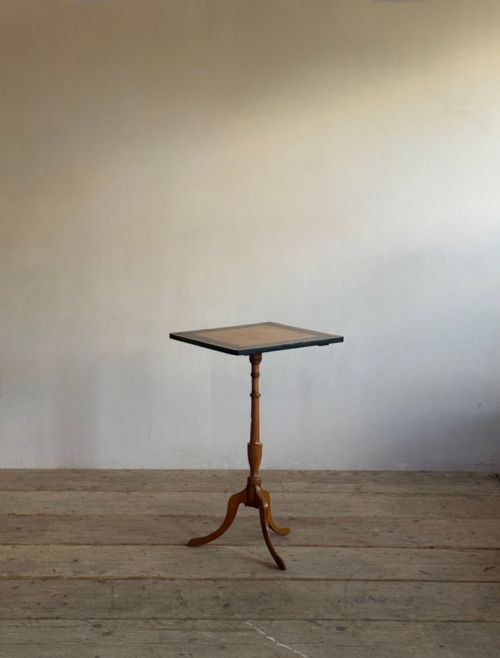
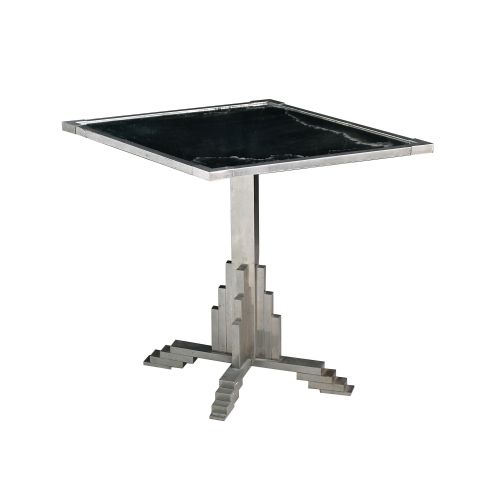
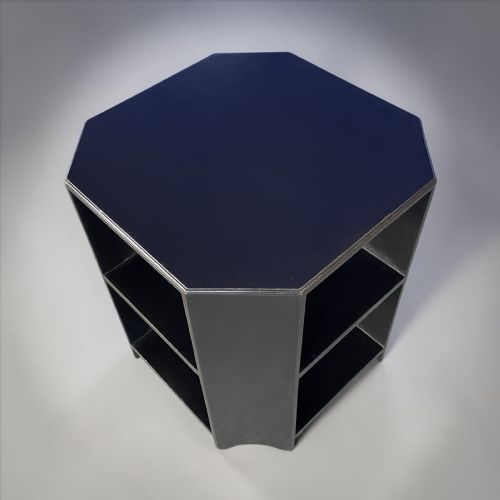
A black pedestal accent table stands on a central column or tripod base, appearing across periods from the Georgian era through to Art Deco and the early twentieth century. These furnishings take many forms, including side tables, wine tables, occasional tables, plant stands, and gueridons.
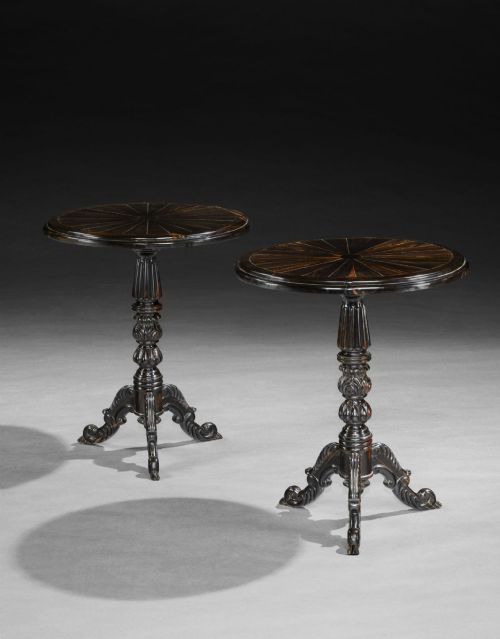
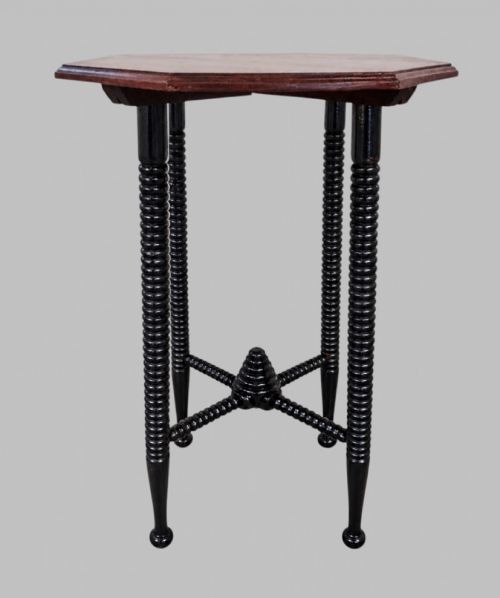
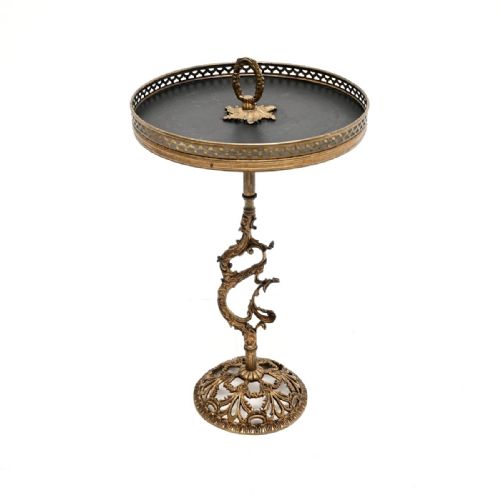
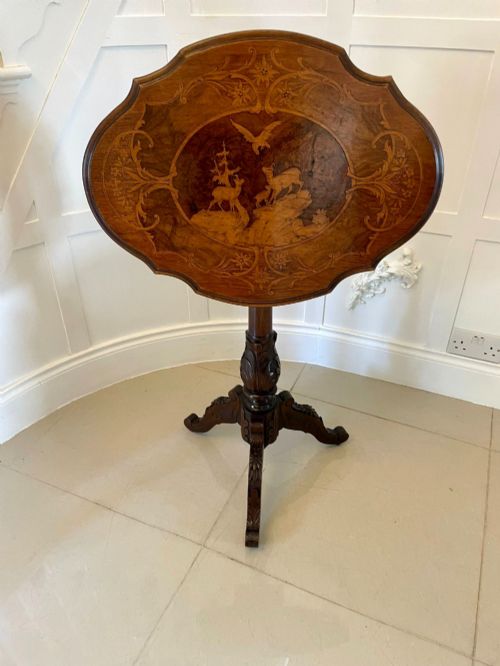
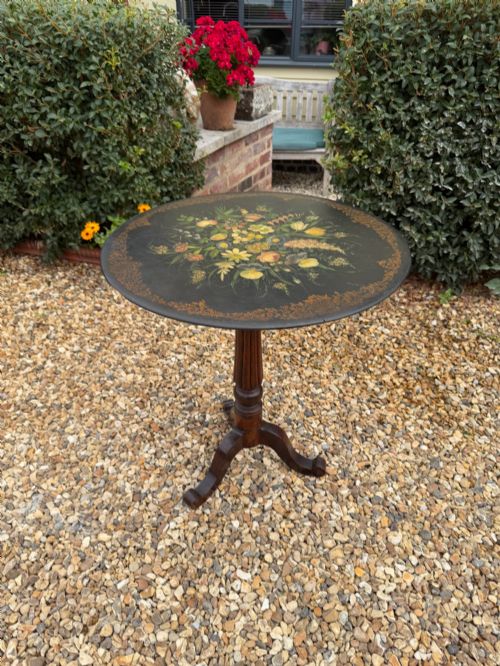
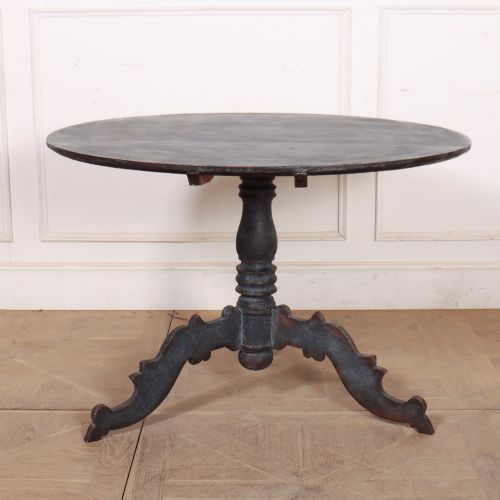
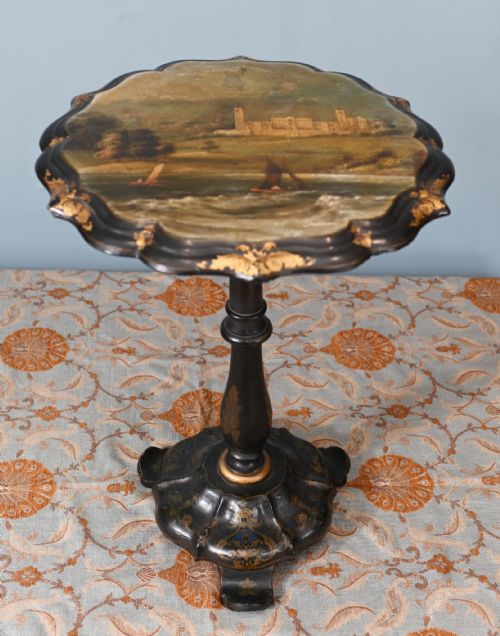
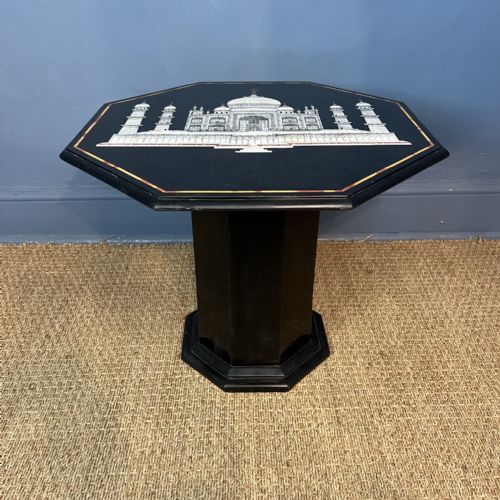
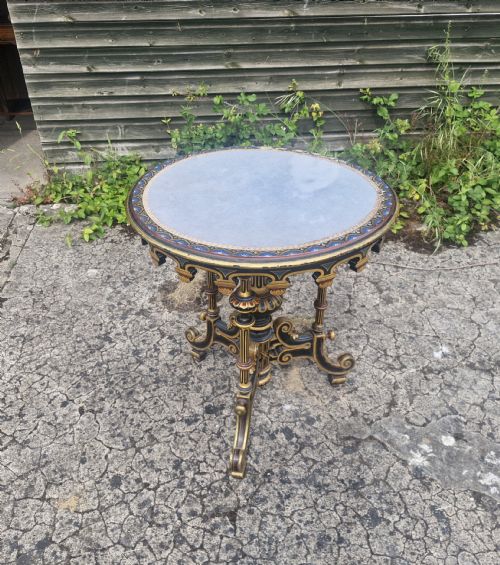
The version you are most likely to meet on this page is a nineteenth-century ebonised or painted occasional or side table supported by a single central pedestal. Such pieces were designed to sit beside seating or in corners to hold lamps, plants, or decorative objects.
How they were made
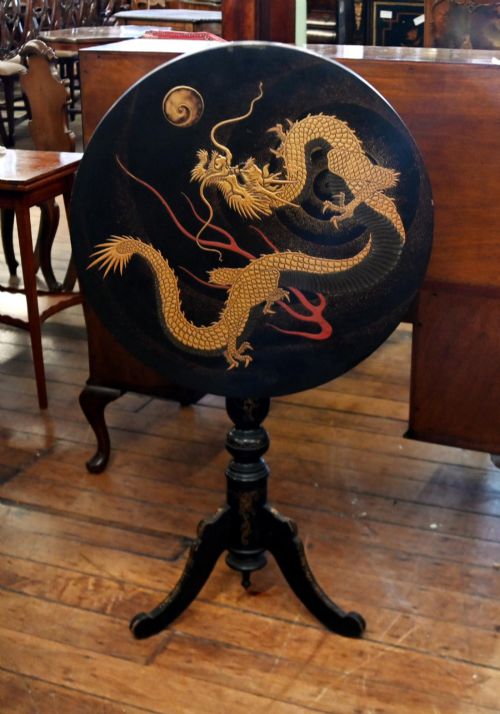
Cabinetmakers constructed these tables using solid woods like linden, walnut, oak, and elm, often applying ebonisation, paint, or black lacquer to achieve a dark surface. Tops frequently incorporate contrasting materials such as white or black marble, slate, leather, or intricate marquetry and bone inlay.
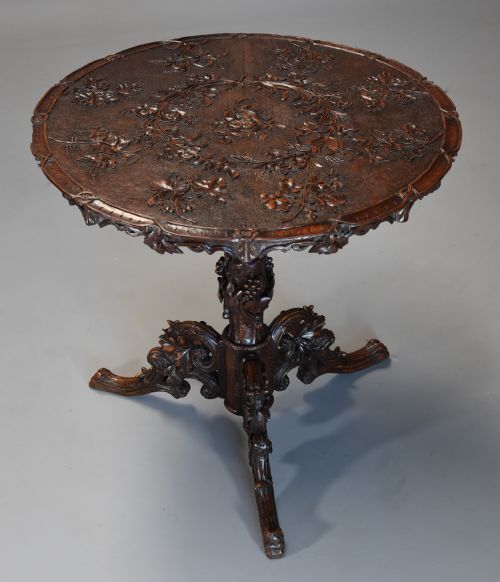
Carved structural elements define many examples, particularly in Black Forest or Oriental pieces where supports take naturalistic or figurative forms. Tripod bases and tripartite feet provide stability to the central pedestal, sometimes accented with gilt highlights or penwork decoration.
Black Pedestal Accent Table Retail Price Guide 2026
Typical asking prices for black pedestal accent table among the pieces listed under this phrase on Sellingantiques today, from the lower quarter to the upper quarter. They describe what is for sale here now, not the wider market.
Listings feature 19th Century, Georgian, Victorian, and 1920 periods alongside materials like marble, brass, lacquer, and ebonised wood.
What varies in quality
The refinement of the carving and the execution of surface decoration determine the distinction between standard production and exceptional work. Tables featuring hand-carved linden wood figures, intricate bone inlay, or sophisticated japanning and penwork stand apart from simpler painted items.
The integrity of the materials also separates pieces, such as the weight and polish of a genuine marble or slate top compared to simpler wooden surfaces. Joinery methods at the pedestal joint and the stability of the central column dictate structural longevity.
The Black Pedestal Accent Table Glossary
- Ebonised wood
- Timber treated with stain, dye, or polish to imitate costly ebony wood. This finish became particularly popular during the Victorian period.
- Gueridon
- A small French table supported by a single column or figures, typically featuring a round marble top. These pieces often date from the nineteenth century.
- Japanning
- A European imitation of East Asian lacquerwork involving layered varnishes and painted decoration. It is frequently found on eighteenth and nineteenth-century decorative tables.
- Tilt top table
- A table with a mechanism that allows the surface to pivot to a vertical position when not in use. This design saved space in period interiors.
- Tripod base
- A support structure comprising three legs radiating from a central column. This configuration ensures stability on uneven floors.
Black Pedestal Accent Table: Frequently Asked Questions
Where should I place a pedestal accent table?
These compact tables suit narrow corners, beside armchairs, or as lamp surfaces where floor space is limited. Their central column allows chairs to tuck in closely around them.
They also function effectively as plant stands or display surfaces for decorative objects in hallways and reception rooms.
How do I clean an ebonised wooden table?
Dust the surface regularly with a soft, dry cloth to prevent accumulation. Avoid harsh chemical cleaners that can damage the dark finish.
Apply a quality furniture wax sparingly if the wood appears dry, buffing gently to maintain the sheen.
How can I tell a Victorian table from an Art Deco one?
Victorian tables often display elaborate carving, turned wooden columns, and traditional decorative motifs like marquetry or heavy paintwork. These pieces prioritize ornate detail and historical revival styles.
Art Deco tables favour clean geometric lines, smooth ebonised surfaces, and modern materials such as mirrored glass or unadorned marble.