



Black Painted Desk
A black painted desk brings dark surface and hand-applied finish to a study, offering a working place rooted in centuries of cabinet-making tradition.
Black Painted Desk
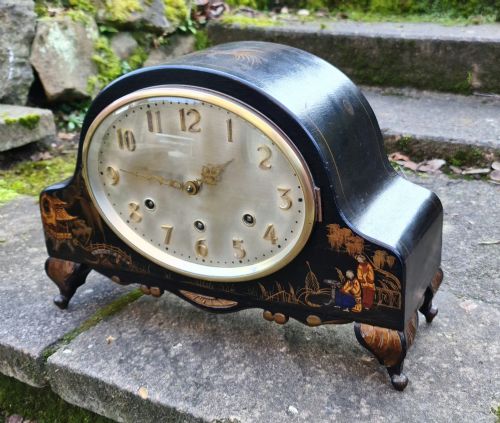
A black painted desk encompasses surface-finished writing furniture originating across the eighteenth, nineteenth, and early twentieth centuries. Pieces range from French kneehole models and English bureaus to Chinese lacquer cabinets and pine clerks' desks.
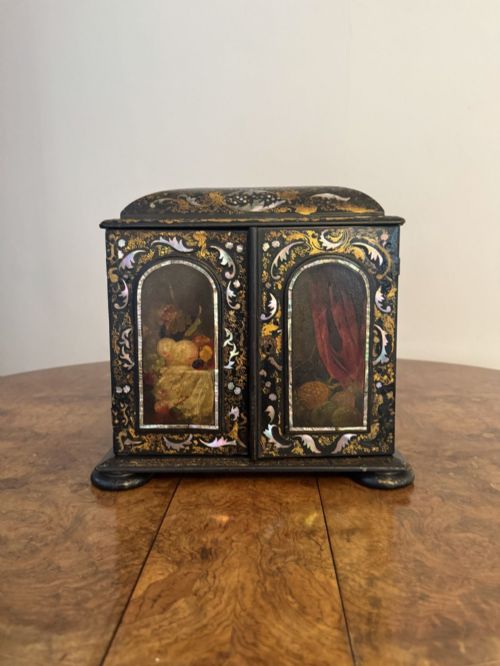
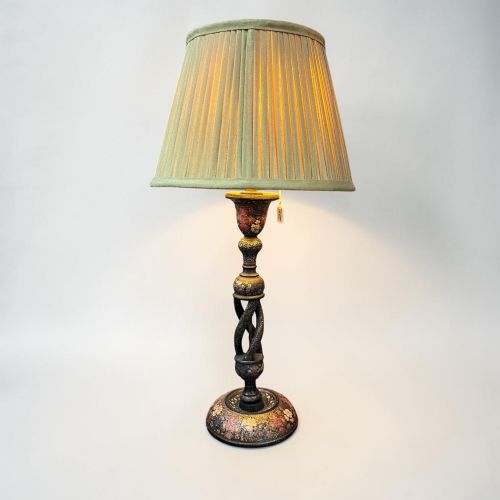
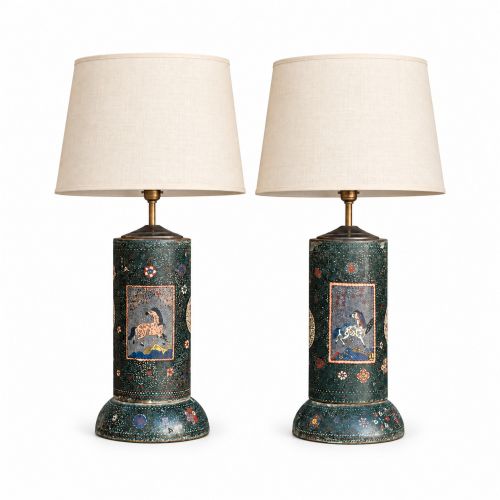
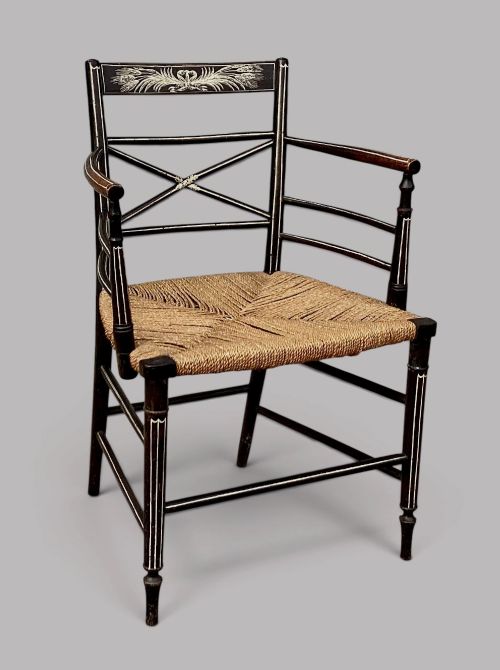
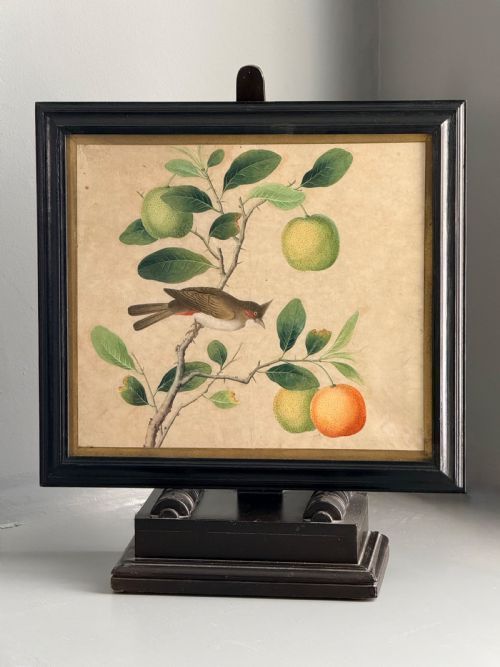
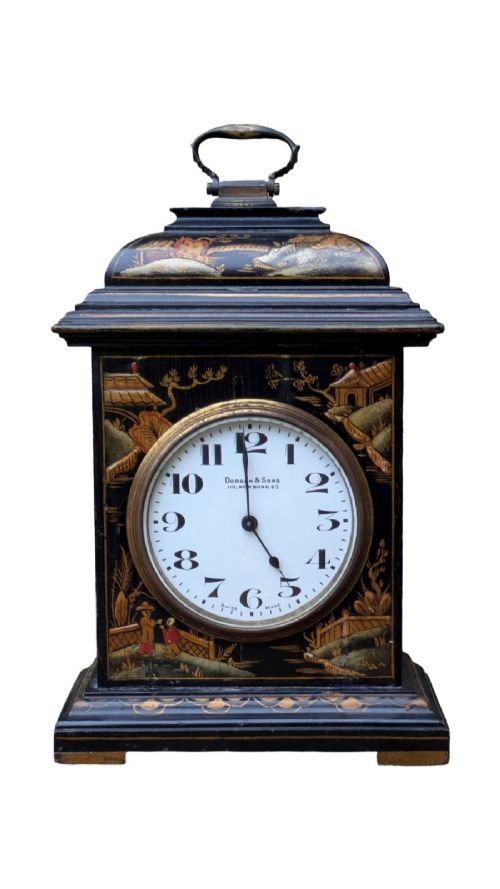
The finish defines the group, utilising paint, black lacquer, or ebonised wood to transform the underlying timber. Surfaces often carry decorative motifs, gilding, or regional hand-painted schemes rather than plain black coats.
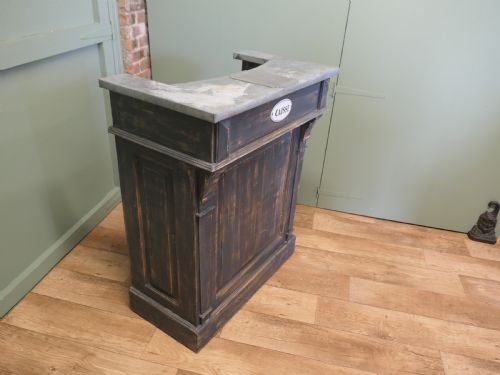
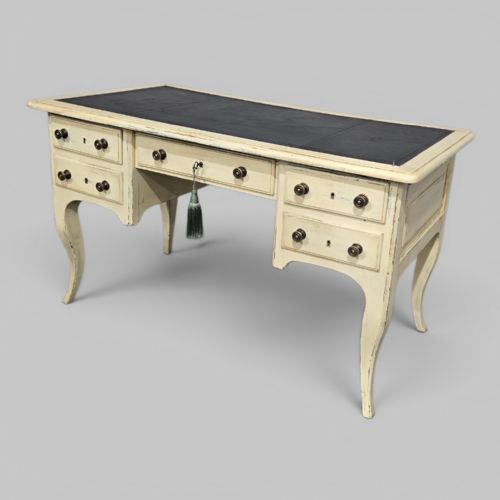
Form follows utility, stretching from drop-front bureau bookcases and kneehole writing tables to compact tabletop accessories and clerks' workstations. Each format reflects the specific correspondence or administrative needs of its period.
Materials and construction
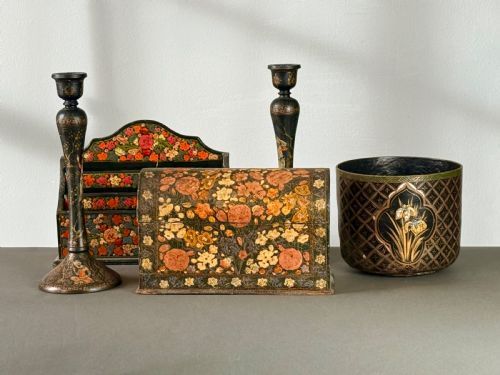
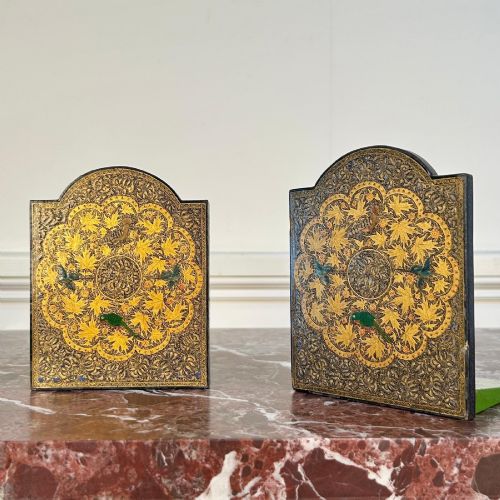
Makers built these desks from various woods including pine, satin birch, and ebonised timber, often applying layers of paint, lacquer, or papier-mache over the core structure. Surface decoration frequently involved gold leaf, hand-painted details, and toleware elements.
Joinery techniques varied by region and era, moving from eighteenth-century dovetailed bureau carcases to nineteenth-century kneehole frames and industrial pine construction. Applied finishes required skilled drying and polishing to achieve deep, lustrous black surfaces.
Black Painted Desk Retail Price Guide 2026
Typical asking prices for black painted desk among the pieces listed under this phrase on Sellingantiques today, from the lower quarter to the upper quarter. They describe what is for sale here now, not the wider market.
Listings feature black painted furniture across the eighteenth, nineteenth, and early twentieth centuries, incorporating materials like papier-mache, brass, and lacquer.
Qualities of distinction
Quality rests in the integrity of the original surface and the precision of the hand-applied decoration. Desks retaining undisturbed lacquer, crisp gold leaf details, or authentic regional paintwork stand above examples with later overpainting or heavy surface abrasion.
Construction soundness separates utilitarian pieces from finer cabinet work, evident in smooth drawer action, tight joints, and well-preserved interior fittings such as pigeonholes and secret compartments.
The Black Painted Desk Glossary
- Ebonised wood
- Timber treated with chemical stains, dyes, or black paint to imitate expensive ebony. This technique gained wide popularity during the Victorian and Aesthetic periods.
- Chinoiserie
- European artistic interpretation of Chinese and East Asian decorative motifs. These designs frequently appear in gold paint and lacquer upon black furniture.
- Kneehole desk
- A freestanding writing table featuring a central recess for the sitter's legs, flanked by pedestals of small drawers. This form became common in Georgian and later interiors.
- Papier-mache
- A composite material made from paper pulp or layers of paper reinforced with glue, moulded and dried before painting. It provided a smooth, stable base for lacquered desk accessories and small cabinets.
- Bureau
- A sloping flap desk that opens to reveal internal compartments and drawers for writing. Eighteenth-century examples often combine this writing slope with chest or bookcase structures.
Black Painted Desk: Frequently Asked Questions
How do I clean a painted surface?
Dust gently with a dry, soft cloth to prevent surface scratching. Avoid liquid cleaners, harsh detergents, or modern polishes that can soften aged paint or lacquer.
Test any cleaning method on a hidden underside area first. Preserving the integrity of the original pigment matters more than achieving a high gloss.
Are these desks suitable for daily use?
Most antique writing furniture accommodates modern laptops and stationery, provided weight is distributed sensibly. Historic writing surfaces require care to prevent ink stains and surface rings.
Use blotters or leather pads to protect fragile painted or lacquered wood during writing tasks. Regular placement away from direct sunlight prevents the black finish from fading.
What is the difference between lacquer and paint?
Paint relies on liquid pigment applied to wood and left to dry as an opaque film. Lacquer involves building up successive sap- or resin-based resin coats that cure to a hard, polished shell.
Lacquered surfaces generally offer greater depth and reflectivity than standard painted finishes. Both methods create the characteristic dark ground seen on these pieces.
How do I date a black painted desk?
Examine the secondary woods inside drawers, construction joints like dovetails, and hardware such as brass handles and key escutcheons. Design proportions and decorative styles provide further chronological clues.
Nail types, saw marks, and wear patterns on the feet confirm whether a piece belongs to the eighteenth, nineteenth, or early twentieth century.