



Black Oak Cabinet
These black oak cabinet pieces combine dark timber surfaces with functional storage, offering a striking dark finish that suits period and eclectic interiors alike.
Black Oak Cabinet
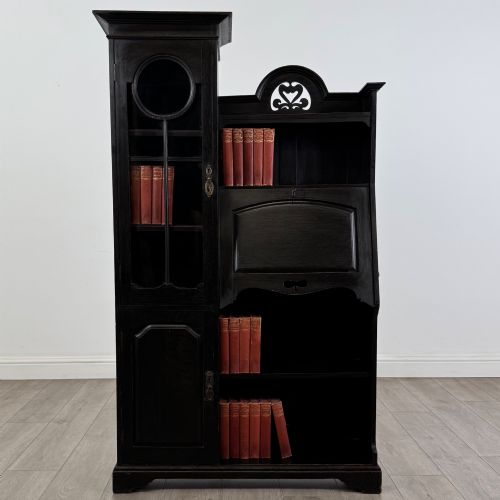
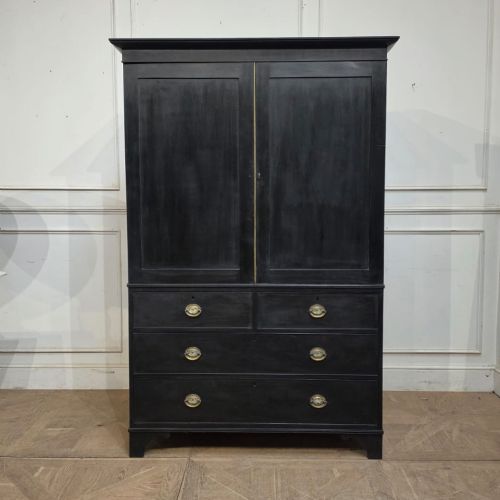
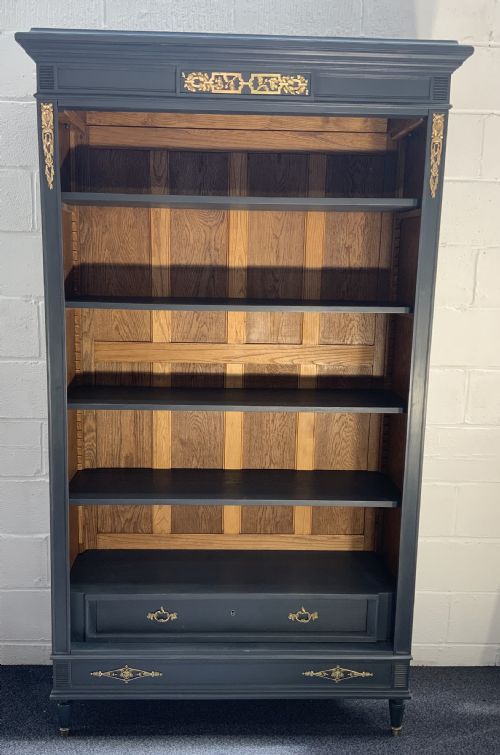
When you search for black oak cabinet, you encounter sturdy pieces constructed from oak, pine, and ebonised woods. The selection ranges from Victorian bedside cabinets and linen cupboards to Edwardian bureaux and painted bookcases.
Most examples originate from the Victorian and Edwardian eras, spanning the late nineteenth and early twentieth centuries. Continental styles, Aesthetic Movement designs, and Arts and Crafts influences appear frequently across the inventory.
Forms vary from bedside cupboards with marble tops to large sideboards and linen presses. Hungarian painted pieces and English ebonised examples represent the main variations met on this page.
Materials and Construction
Cabinet makers utilised solid oak and pine as primary carcase timbers, often applying ebonisation or paint to achieve the characteristic dark surface. Brass embellishments and mounts frequently accent the timber framework.
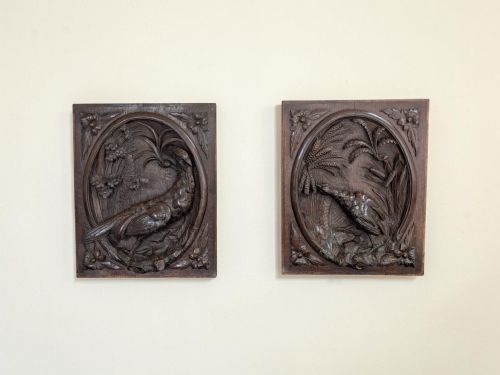
Carved panels and decorative columns demonstrate traditional joinery techniques from the nineteenth century. Surfaces receive specialist finishes including ebonised treatments, painted coats, and fitted marble tops.
Listings feature items from the Victorian and Edwardian periods alongside 19th-century Continental designs.
Assessing Quality
The standard of a black oak cabinet depends on the depth of the ebonisation or painted finish and the crispness of any carved detailing. Original brass hardware and fitted interiors elevate the desirability of a piece.
Structural integrity rests on the quality of the primary timbers, such as solid oak and pine, and the preservation of original decorative elements like marble tops or column supports.
Garnett and Sons
The Black Oak Cabinet Glossary
- Ebonised
- Wood treated with stain or paint to imitate the dark, dense appearance of ebony. This finish gained popularity during the Victorian period for its dramatic contrast.
- Aesthetic Movement
- A late nineteenth-century design style that emphasised visual beauty over narrative content. Pieces from this movement often feature ebonised surfaces and refined lines.
- Bedside Cabinet
- A small enclosed storage piece designed to sit beside a bed. These items frequently incorporate marble tops and single doors.
- Linen Press
- A tall storage piece traditionally used for linens, combining sliding trays in the upper section with drawers below.
- Arts and Crafts
- A design movement valuing traditional craftsmanship and simple forms. Works from this tradition rely on the natural grain and construction of the timber.
Black Oak Cabinet: Frequently Asked Questions
What periods do these cabinets come from?
The pieces span the Victorian and Edwardian eras, encompassing late nineteenth-century designs and early twentieth-century examples.
Craftsmanship from these periods reflects diverse regional styles, including English ebonised work and Continental influences.
Are these pieces made entirely of oak?
While oak serves as a primary material, many pieces also incorporate pine, marble, and brass embellishments.
Some examples utilise ebonisation or painted finishes applied over the base timbers to achieve the dark exterior.
How were bedside cabinets used originally?
Bedside cabinets provided private storage within bedrooms for personal items and chamber accessories.
Their stone or marble tops offered durable surfaces that resisted water and wear during daily use.
What distinguishes Aesthetic Movement cabinets?
Aesthetic Movement pieces focus on refined visual composition and harmonious decorative details rather than heavy historical revival.
They frequently feature ebonised wood finishes that highlight the clean architectural lines of the furniture.