
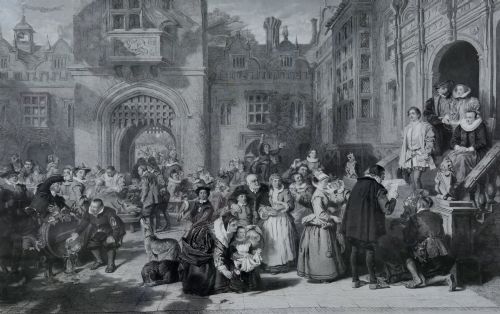
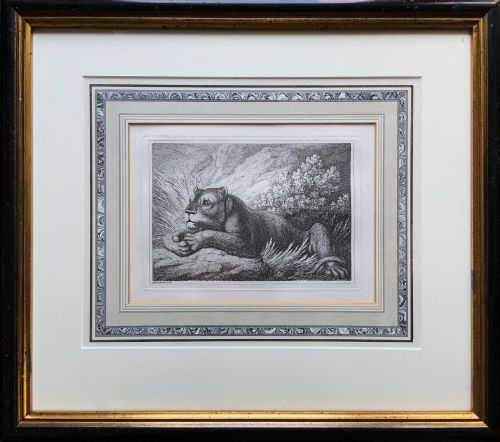
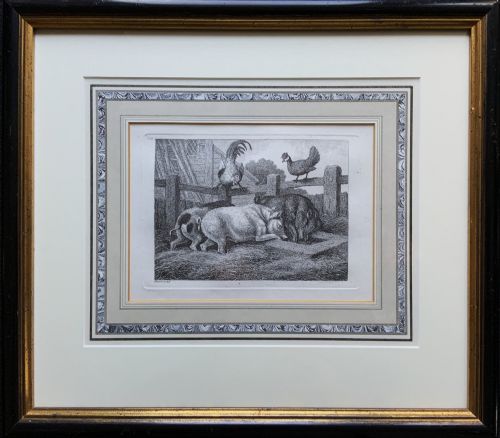
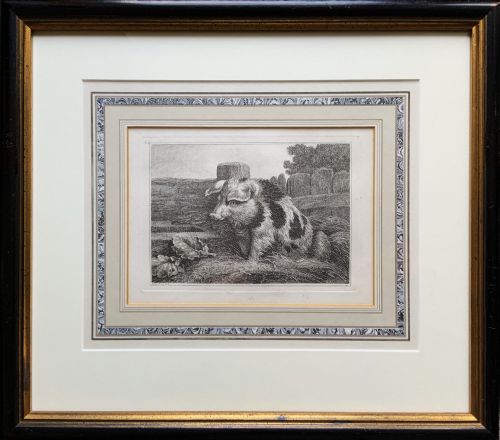
Black Monochrome Print
A black monochrome print brings depth and tonal contrast to a wall, capturing historical portraiture and detailed line work from past centuries.
Black Monochrome Print
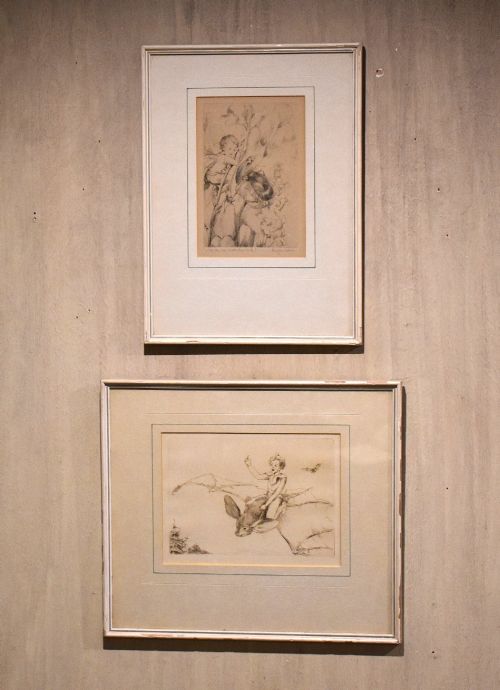
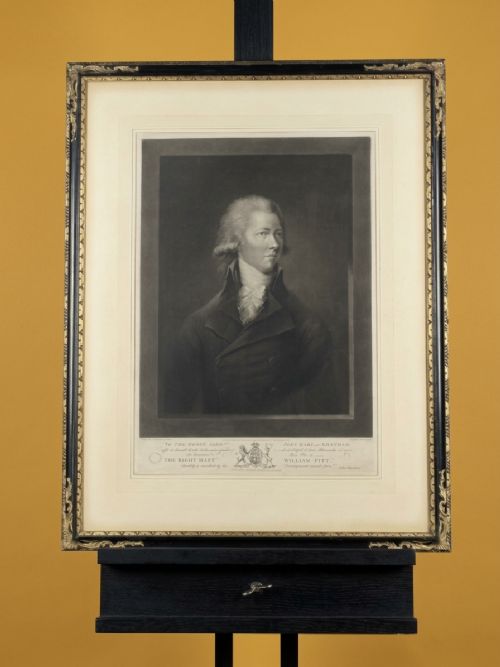
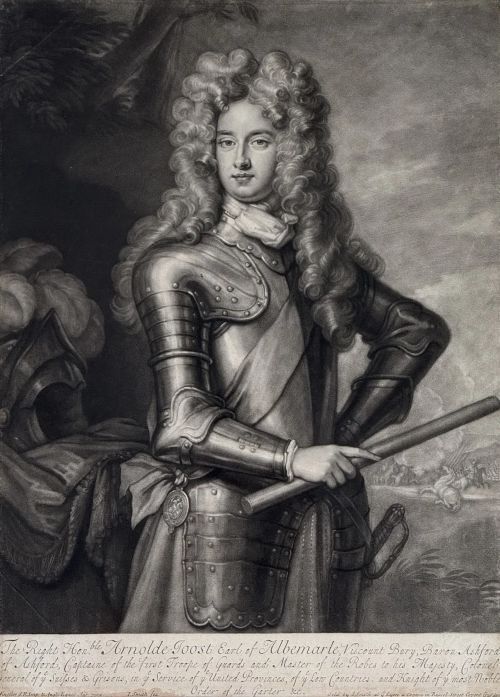
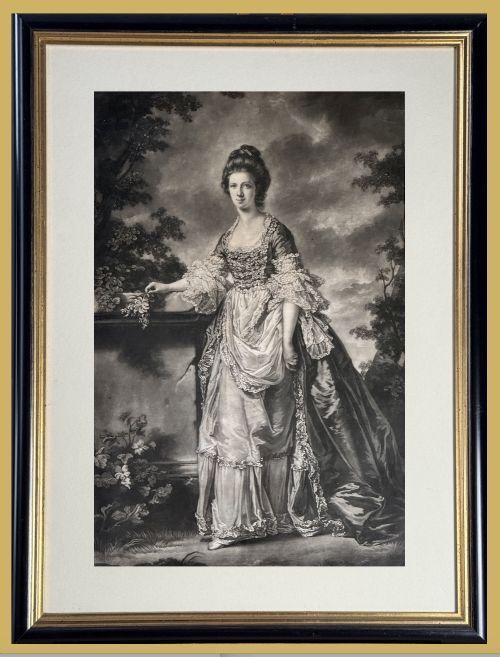
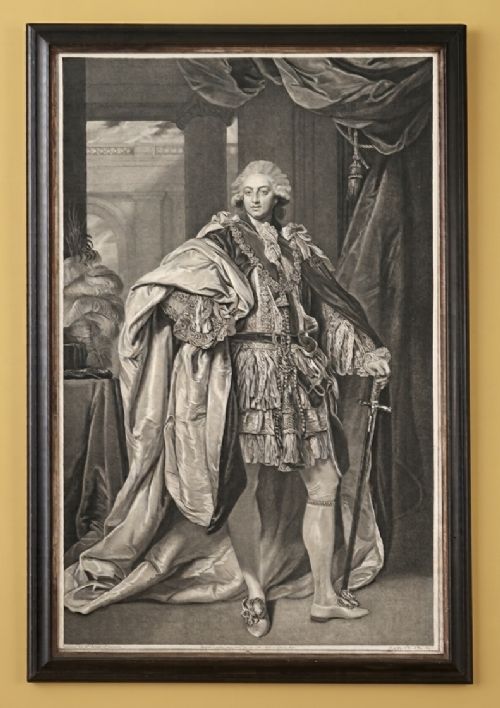
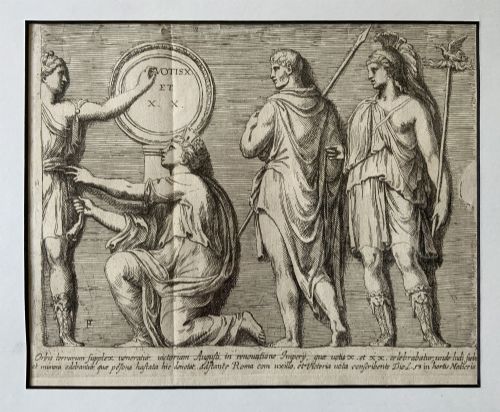
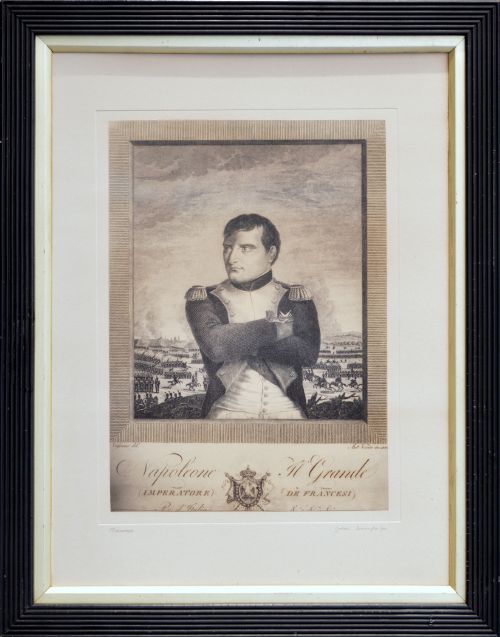
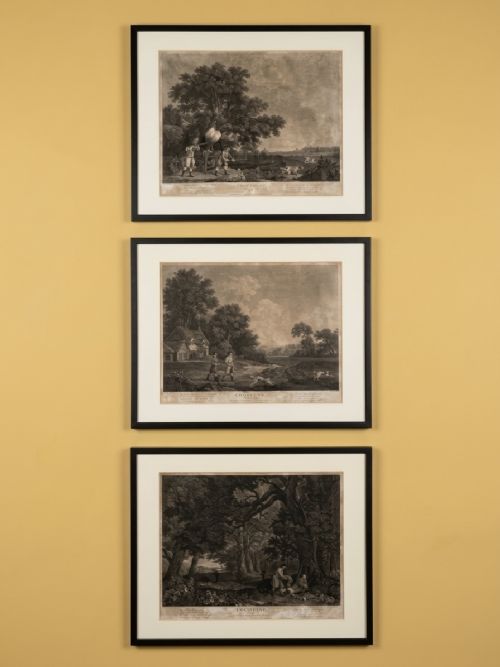
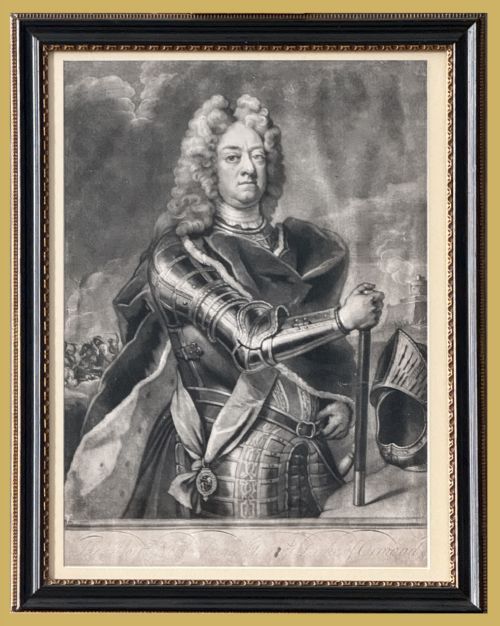
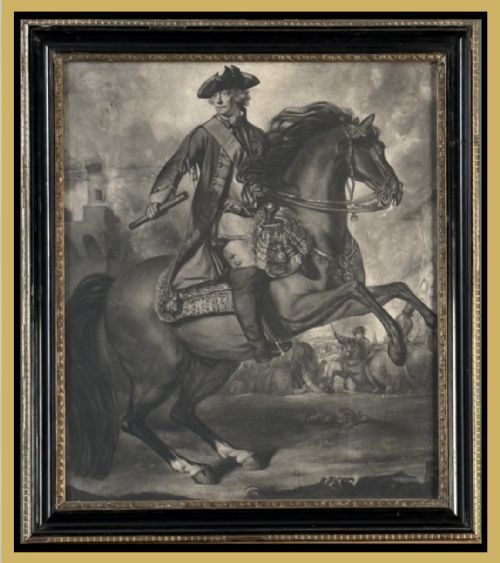
The pieces grouped under a black monochrome print designation consist primarily of historical engravings, etchings, and mezzotints framed for display. These works span multiple centuries, with a heavy concentration of 18th-century British portraiture alongside 17th-century classical subjects and early 20th-century etchings.
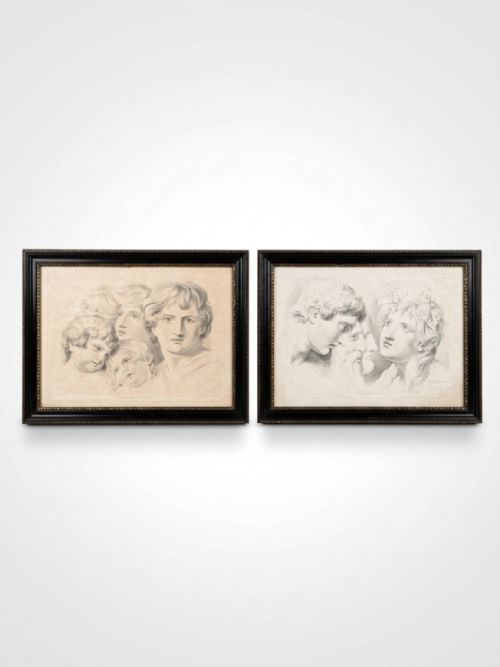
Buyers encounter framed prints and wall art depicting noble figures, anatomical studies, maps, and domestic scenes after notable painters like Sir Joshua Reynolds and Sir Peter Lely. The most common format is the dark-toned intaglio print, preserved behind glass within period wood frames.
Originating from workshops across Britain and Europe, these framed artworks offer a window into historic printmaking techniques. They suit traditional interiors seeking a scholarly or aristocratic focal point.
Materials and printmaking methods
These works rely on paper sheets treated with dark carbon-based inks applied through intaglio processes such as etching and mezzotint engraving. Master printmakers incised or roughened copper plates to hold ink, transferring rich monochromatic tones onto the paper under pressure.
Finished prints are traditionally housed behind glass within wooden frames, occasionally accented with gold leaf or gilt details. The combination of dense black ink on laid or wove paper creates the characteristic tonal depth defining these works.
Listings span periods from the 17th century through the early 20th century, featuring paper, ink, and gilt wood materials.
Assessing quality in historical prints
Quality rests heavily on the clarity of the impression and the skill of the scraper or engraver working after the original painter. Early impressions from a copper plate yield deep, velvety blacks and sharp lines, whereas later printings lose definition and contrast.
The preservation of the paper sheet and the authenticity of the surrounding frame also determine the standing of a piece. Original period frames, such as early Hogarth mouldings, add considerable historical integrity to the artwork.
John Simon·Edward Fisher·John Boydell·James Watson·John Smith·Joseph Sympson·James Macardell·Valentine Green·Thomas Watson·John Faber Jr
The Black Monochrome Print Glossary
- Mezzotint
- A printmaking process where the copper plate is roughened evenly to produce rich dark tones and subtle gradations of light. This technique was widely used for 18th-century portraits.
- Etching
- A method where lines are bitten into a metal plate with acid before ink is applied for printing. It allows for fine, fluid detail akin to a drawing.
- Engraving
- A technique involving the direct cutting of lines into a metal plate using a sharp tool called a burin. The resulting prints exhibit crisp precision.
- Gilt wood
- Wood decorated with a thin layer of gold leaf or gilt paint. It is frequently found on the traditional frames enclosing these historical prints.
- Intaglio
- A family of printmaking methods where the ink sits below the surface of the plate in carved or etched recesses. Etchings and mezzotints both belong to this category.
Black Monochrome Print: Frequently Asked Questions
What is a mezzotint print?
A mezzotint is an intaglio printmaking method where the copper plate is textured to hold dark ink, producing smooth tonal shifts rather than simple lines. This technique excels at rendering soft flesh tones and rich fabrics in portraits.
Printmakers of the 17th and 18th centuries favoured this method for translating oil paintings into monochrome prints. The resulting dark backgrounds make the central figures stand out with dramatic effect.
How should I frame and hang historical prints?
Historical prints require conservation framing behind glass to protect the paper from ultraviolet light and humidity. Keeping them away from direct sunlight prevents the ink and paper from fading over time.
Displaying them on interior walls with stable environmental conditions preserves the paper fibres. Matching a print with an appropriate period wooden frame enhances both its appearance and historical context.
How can I tell an original print from a reproduction?
Original intaglio prints display a distinct plate mark indentation in the paper where the metal edge pressed down during printing. Examining the surface under magnification reveals ink resting slightly proud of the paper rather than sitting flat in a dot pattern.
Older paper stocks also exhibit characteristics such as watermarks, chain lines, and natural ageing. Modern photographic reproductions lack these physical markers of historic plate printing.
What subjects are common in early British prints?
Portraits of nobility, military commanders, and literary figures dominate the output of British printmakers from the 17th through the 19th centuries. Publishers also circulated anatomical plates, maps from global voyages, and classical antiquities.
These subjects reflected the educational and social interests of the periods in which they were published. Collectors often group them by sitter or by the painting's original artist.