






Black Marble Stand
A black marble stand grounds a room with sober weight, offering a dark, polished surface designed to elevate sculptures, plants or lamps.
Black Marble Stand
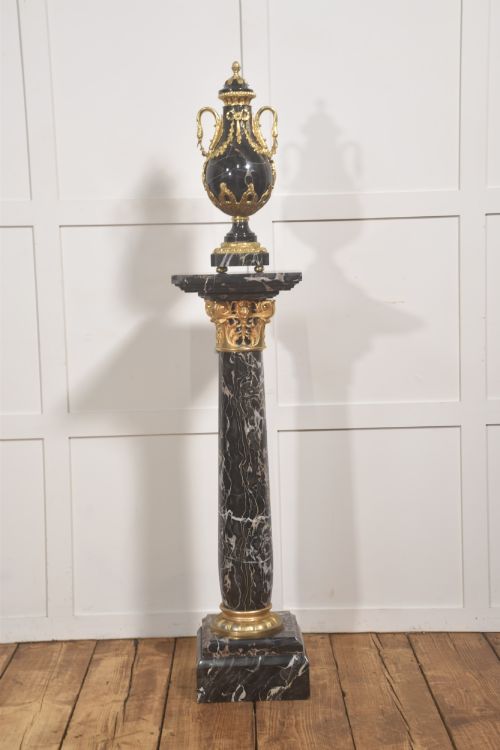
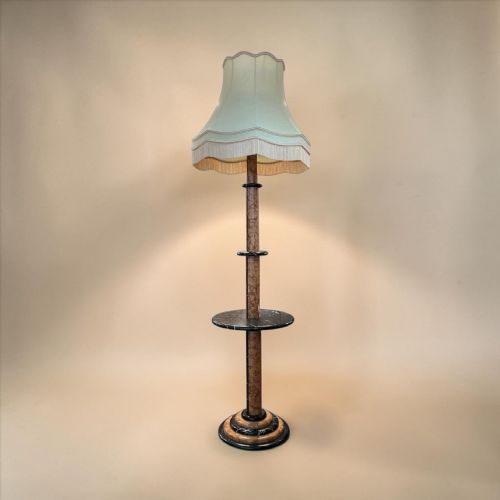
A black marble stand encompasses a variety of heavyweight furnishings and supports designed to display decorative objects, plants or lights. When searching for a black marble stand, buyers encounter pieces ranging from substantial 19th Century plant pedestals to compact side tables and specialised desk accessories.
The material takes many forms across the inventory, appearing in solid blocks, as decorative inlaid specimen work, or paired directly with bronze, brass and gilt metal mounts. Victorian and Edwardian examples sit alongside Art Deco designs and Chinese export pieces, showing how diverse the application of black marble remained across different eras.
Materials and construction
The construction relies heavily on dense stone paired with cast metals such as bronze, brass and gilt mounts. Craftsmen turned, carved and polished the heavy marble to create smooth tops and plinths, often integrating intricate bronze sculptures or wooden frames.
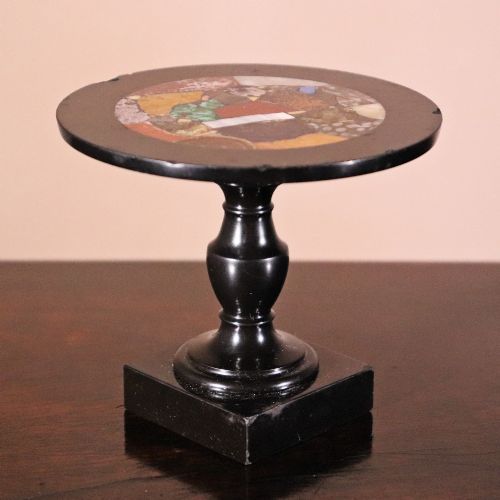
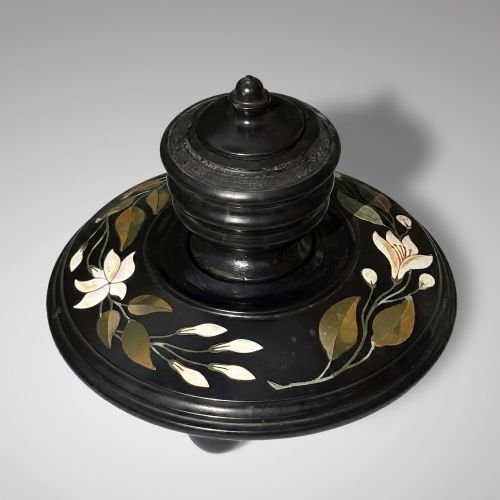
Specialised techniques like Ashford black marble work involve delicate inlay using specimen stones to create colourful floral or geometric motifs against the dark background. Other items utilise scagliola or ebonised woodwork to complement the solid stone bases.
Black Marble Stand Retail Price Guide 2026
Typical asking prices for black marble stand among the pieces listed under this phrase on Sellingantiques today, from the lower quarter to the upper quarter. They describe what is for sale here now, not the wider market.
Object forms span functional furniture like side tables and plant stands alongside smaller decorative items including inkwells, candlesticks and bronze animal sculptures.
Factors influencing quality
Quality rests on the depth of the stone polish, the crispness of the casting in any accompanying bronze or brass elements, and the precision of the joinery where stone meets metal or wood. Superior examples show seamless integration between the heavy marble base and the structural support.
The sophistication of the decorative work, particularly in inlaid specimen marble pieces or cast animalier figures mounted on plinths, defines the upper tier of craftsmanship. Finer pieces maintain sharp detail in their carving and retain stable, heavy proportions without unnecessary structural compromise.
The Black Marble Stand Glossary
- Ashford Black Marble
- A polished dark limestone from Derbyshire, frequently inlaid with colourful mineral specimens in floral patterns. It became particularly popular during the Victorian period for decorative desk objects and tableware.
- Specimen Marble
- A technique involving small pieces of various coloured marbles arranged into intricate geometric or pictorial mosaics. These are set into a solid stone background, often seen on tabletop surfaces.
- Animalier
- A 19th Century sculptural style focusing on realistic depictions of animals, frequently cast in bronze and mounted directly onto stone plinths or marble bases.
- Ormolu
- Gilded bronze mounts applied to furniture, clocks and decorative objects during the 18th and 19th Centuries. The technique involves applying a gold amalgam to heated bronze.
Black Marble Stand: Frequently Asked Questions
What is a black marble stand used for?
These pieces serve primarily as stable supports for heavy decorative items, table lamps, bronzes and indoor plants. They provide a solid, heat-resistant and visually grounding surface that elevates the displayed object.
In domestic settings, they function as compact side tables, plant pedestals or desk accessories like inkwells. Their weight makes them particularly suitable for supporting heavy bronze sculptures and candelabras.
How do I date a marble stand?
Dating relies on combining stylistic clues from the mountings, such as Art Deco geometric lines or Victorian cast bronze details, with the underlying construction methods. Material choices like Ashford black marble or specific brass fittings often point toward particular decades in the 19th and early 20th Centuries.
Examining the underside, screw types and the finish of the stone helps differentiate between mid-Victorian production and later Edwardian or 1930s interpretations.
Are these stands made of solid stone?
Construction varies between solid blocks of heavy stone and composite pieces where marble tops or plinths are paired with wood, brass, bronze or cast iron frames. Many plant stands and side tables use solid inset marble slabs supported by ebonised wood or metal structures.
Specialised items like inkwells and smaller display bases are typically carved entirely from Ashford black marble or solid decorative stone.
How should I care for a marble stand?
Maintenance requires regular dusting with a soft, dry cloth and avoiding acidic cleaners or harsh chemical solvents that can etch the polished stone surface. Use protective pads under heavy objects to prevent scratching the high-gloss finish.
Because marble is porous, wipe up spills immediately, particularly oils or coloured liquids, to prevent permanent staining of the dark surface.