



Black Iron Hearth Grate
A black iron hearth grate anchors a room with industrial weight, offering heavy fire baskets and combination grates built to hold coal or logs.
Black Iron Hearth Grate
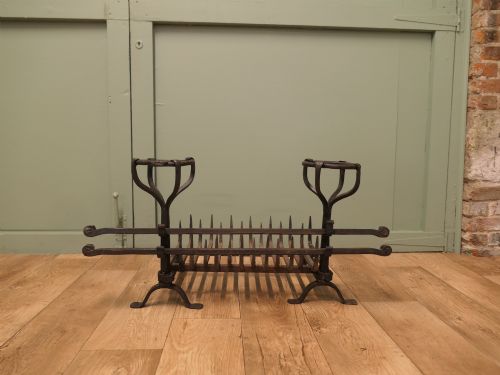
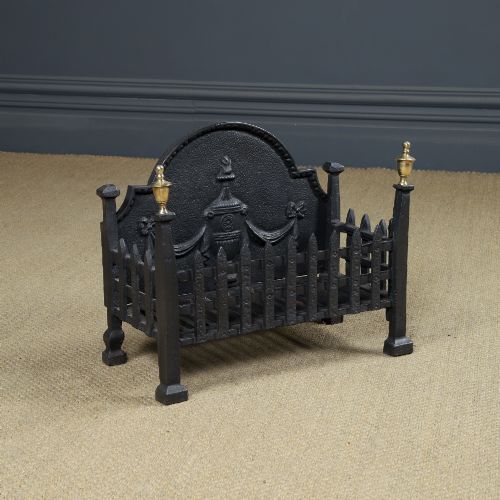
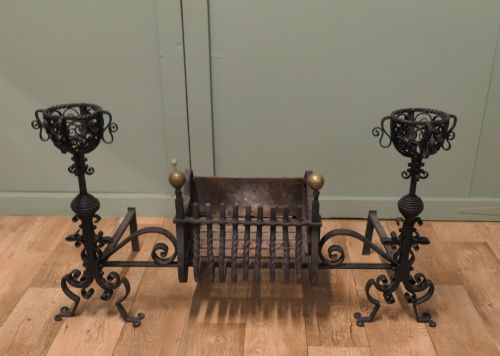
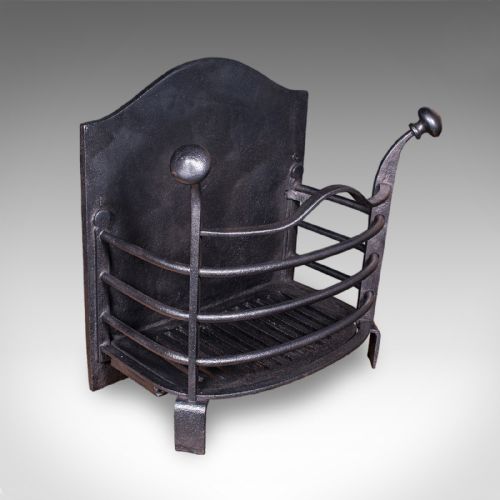
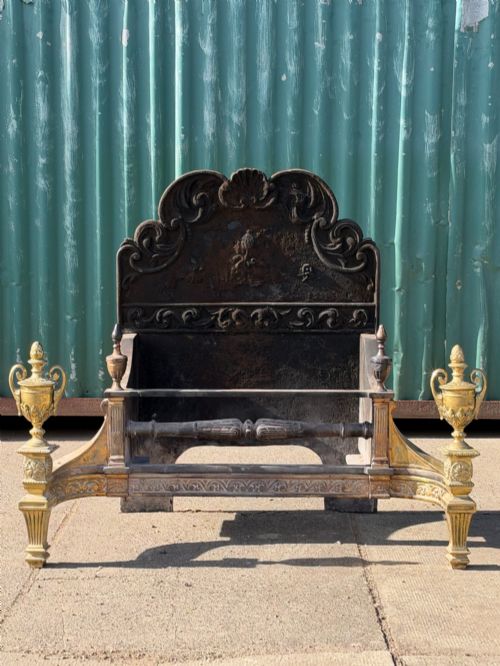
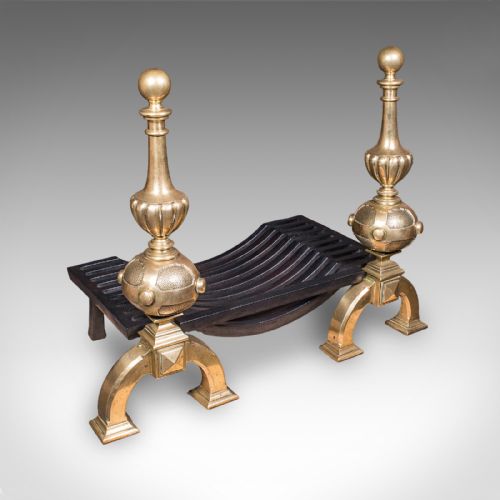
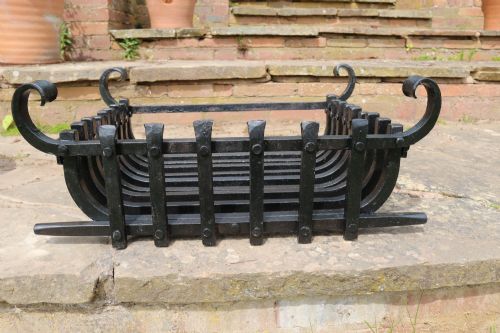
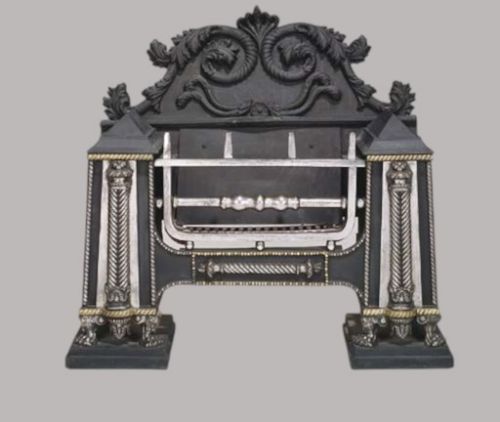
A black iron hearth grate serves as the structural metal basket or insert within a fireplace, designed to hold burning fuel safely above the hearth floor. When searching for a black iron hearth grate, buyers encounter a range of forms including fire baskets, register grates, hob grates, and combination fireplaces.
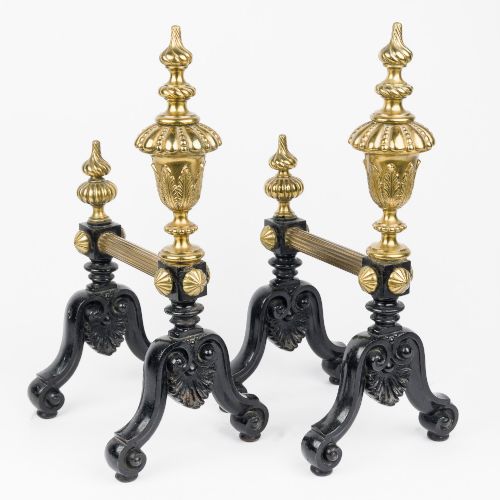
The pieces available span several centuries and design movements, from Georgian and Regency examples to Victorian, Edwardian, and later Arts and Crafts interpretations. Many items appear alongside companion pieces such as andirons, fire backs, fenders, and fire tools.
Victorian and nineteenth-century examples dominate the selections, often incorporating heavy cast iron structures or wrought iron frameworks. Smaller proportions and inglenook varieties also appear to suit different hearth dimensions.
Materials and construction methods
Makers relied primarily on cast iron and wrought iron to build these hearth structures, utilising the high melting point and strength of metal for repeated exposure to intense heat. Cast iron components allowed for detailed moulding such as dragon motifs or period revival patterns.
Wrought iron provided the tensile strength needed for hand-hammered fire baskets, medieval styles, and joined components like andirons. Brass elements occasionally appear alongside the ironwork for decorative contrast on fire baskets and grates.
Secondary materials such as timber and firebrick support the main metal bodies, providing insulation and stability within the fireplace setting.
Black Iron Hearth Grate Retail Price Guide 2026
Typical asking prices for black iron hearth grate among the pieces listed under this phrase on Sellingantiques today, from the lower quarter to the upper quarter. They describe what is for sale here now, not the wider market.
Look closely among the heavy ironmongery to spot an unexpected dragon motif glaring from the hearth.
Differentiating quality across examples
Weight and thickness separate robust utilitarian grates from lighter decorative iterations, with heavier pieces utilising substantial cast or wrought sections to withstand decades of thermal stress. Superior examples demonstrate clean casting lines and tightly joined metalwork without excessive pitting.
The degree of artistic ornament defines the upper tier of pieces, seen in crisp neo-Gothic, neo-Classical, or Arts and Crafts detailing rather than plain industrial casting. Integration with matching andirons, fire backs, or fender sets completes a unified ensemble.
The Black Iron Hearth Grate Glossary
- Cast iron
- Iron melted and poured into a mould to create rigid shapes with detailed surface decoration. This material forms the primary body of many nineteenth-century fire backs and grates.
- Wrought iron
- Iron heated and hammered into shape by hand, known for its fibrous structure and resilience. Arts and Crafts fire baskets frequently utilise this material.
- Hob grate
- A fireplace design featuring raised flat side ledges beside the central grate for heating kettles or pans. Georgian examples often showcase this configuration.
- Andiron
- A horizontal support iron raised on legs, placed in pairs inside a hearth to hold logs above the floor. They frequently accompany large fire baskets.
- Register grate
- A fireplace grate fitted with a movable flap or damper plate to regulate the draught and airflow up the chimney. These units emerged during the nineteenth century.
Black Iron Hearth Grate: Frequently Asked Questions
How do I choose the right size?
Measure the width, depth, and height of your fireplace opening carefully before selecting a grate or fire basket. Ensure adequate clearance around the iron body for proper airflow and safety.
Consider the scale of the hearth as well, since large inglenook grates require substantial floor space compared to smaller combination fireplaces.
Can these grates burn real wood?
Most historic cast and wrought iron grates were engineered to burn coal or wood, though modern safety checks are recommended. Heavy-duty fire baskets and log baskets accommodate traditional solid fuels.
Verify whether your chosen piece includes a firebrick lining or a solid iron base suited to your preferred fuel type.
What is a combination fireplace?
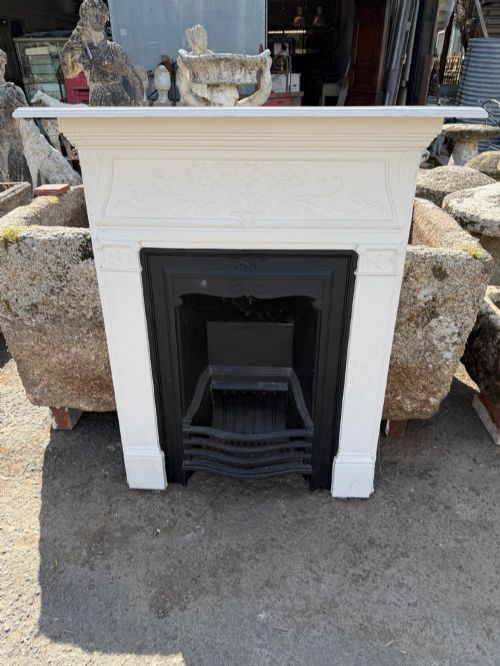
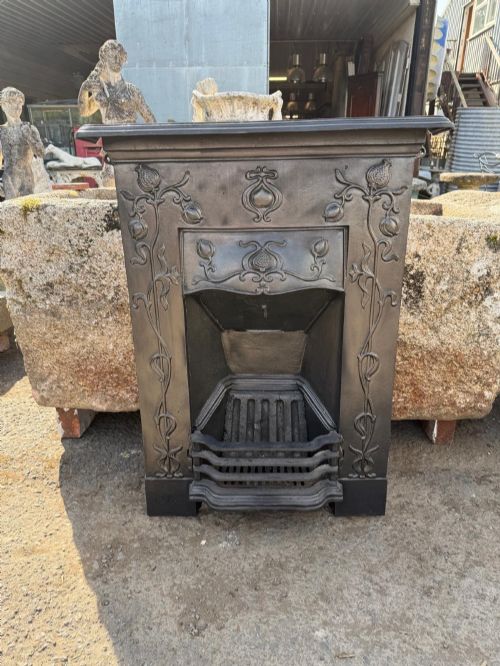
A combination fireplace integrates the grate, fire back, and surrounding mantel or insert into a single unified cast iron unit. These became popular during the Victorian era for standardised room heating.
They offer a complete architectural solution without requiring separate andirons or independent hearth accessories.
How do I identify the period?
Period identification relies on stylistic clues, such as neo-Gothic tracery, Regency neoclassical lines, or hand-hammered Arts and Crafts details. Construction methods also provide hints, shifting from Georgian hob designs to heavy Victorian casting.
Comparing decorative motifs against known design movements helps narrow down the decade of manufacture.