




Black Iron Basket
A black iron basket brings a heavy, honest warmth to the hearth, grounding the room with centuries of utility.
Black Iron Basket
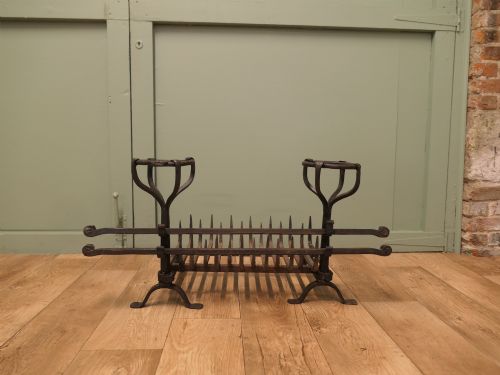
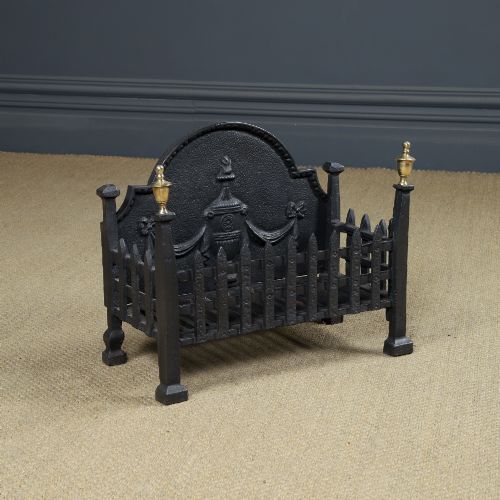
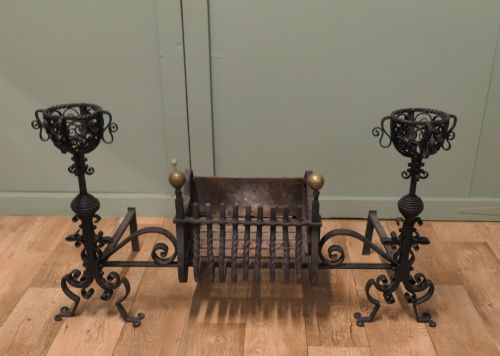
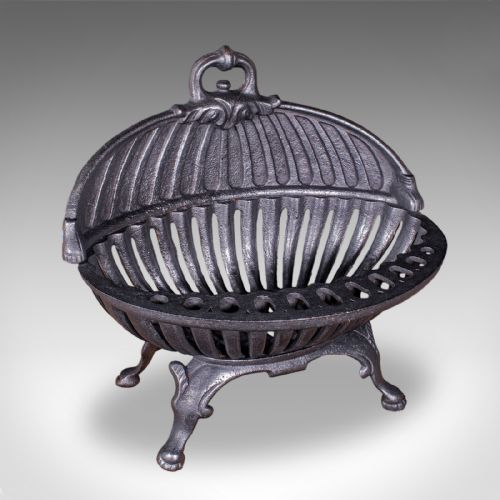
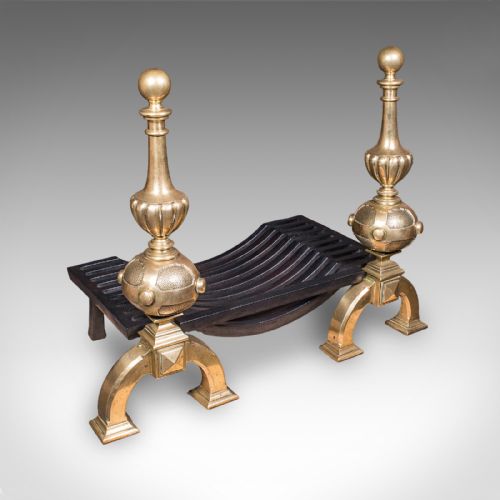
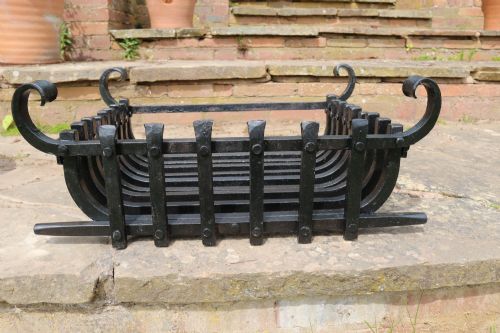
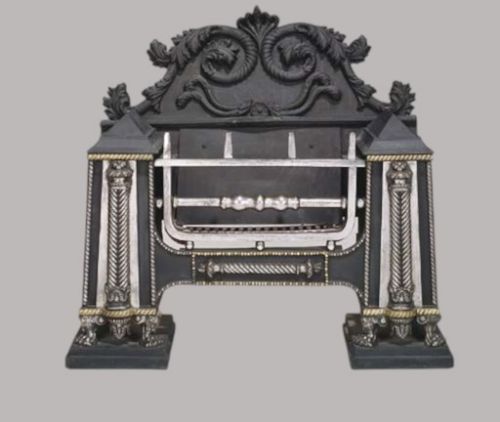
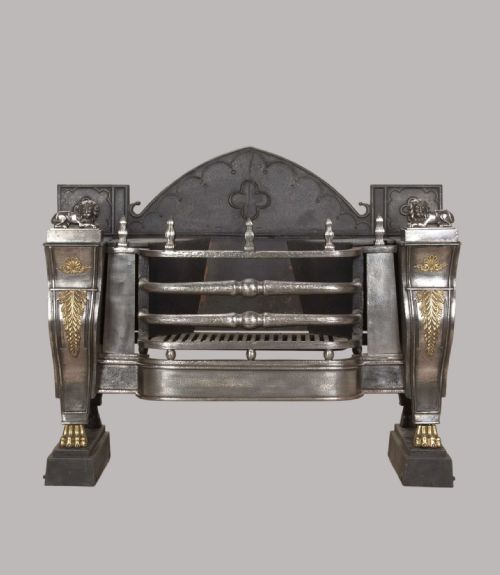
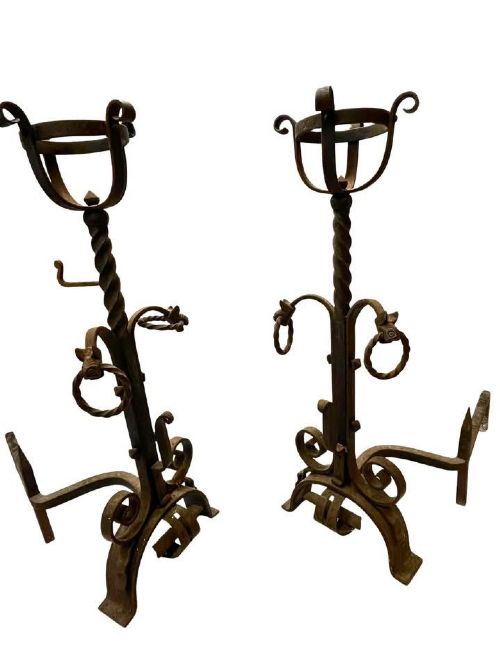
A black iron basket serves as a sturdy receptacle for coal or logs within an open hearth, designed to sit independently or upon andirons. The pieces seen here span periods from the Georgian era through the Victorian period and into the early twentieth century, encompassing styles such as Regency, Gothic Revival, and Arts and Crafts. Buyers looking for a black iron basket will encounter formats ranging from small free-standing grates to large inglenook fuel keepers and heavy register grates.
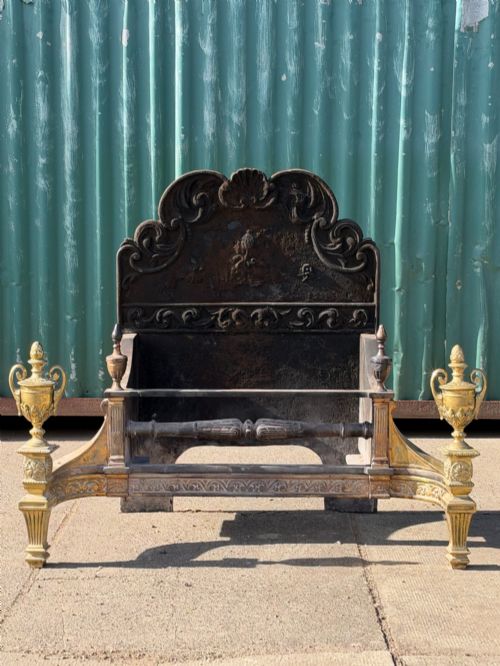
Most examples originate from English workshops, incorporating fire baskets, log holders, and companion fireplace sets. The construction often pairs the basket with matching fire dogs or a heavy fire back to radiate heat effectively into the room. Whether formed as a simple hob grate or a detailed Neo-Gothic design, each object reflects the practical demands of nineteenth-century domestic heating.
Materials and Technique
The construction relies heavily upon cast iron and wrought iron, frequently complemented by brass details or firebrick linings. Smiths shaped the wrought iron elements by hand, hammering the metal while hot to create robust bars and handles, whereas intricate decorative plates and frames utilised cast iron moulds.
Makers integrated heavy fire backs and sturdy side grates to withstand sustained high temperatures. The resulting assemblies, from blacksmith-made log carriers to classical hob grates, depend upon solid joints and thick metal gauges for structural stability.
Black Iron Basket Retail Price Guide 2026
Typical asking prices for black iron basket among the pieces listed under this phrase on Sellingantiques today, from the lower quarter to the upper quarter. They describe what is for sale here now, not the wider market.
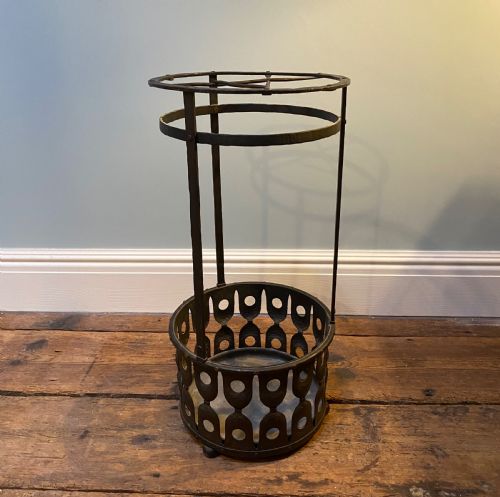
Several heavy iron log carriers and hay racks originally served agricultural or stable duties before finding a second life by the hearth.
Standards of Execution
The distinction between standard utility items and superior examples lies in the crispness of the casting and the skill of the blacksmith's hand. Finer pieces display well-defined decorative motifs, balanced proportions, and seamless integration between cast components and forged wrought iron bars.
Weight and gauge thickness dictate the durability and presence of the hearth furniture. Superior items utilise heavy metal sections that retain heat effectively and endure decades of use without warping, whereas lesser examples employ thinner, simpler castings with minimal hand-finishing.
The Black Iron Basket Glossary
- Hob grate
- A fireplace grate featuring raised side plates, known as hobs, which were traditionally used for keeping kettles warm. These units became popular during the Georgian and Regency periods.
- Andirons
- Horizontal bars supported by vertical pillars, placed in a hearth to hold logs above the floor for better airflow. They often accompany a fire basket.
- Register grate
- A fireplace grate equipped with a movable metal plate or flap to control the draught up the chimney. This innovation improved heating efficiency in nineteenth-century rooms.
- Fire back
- A heavy iron plate placed at the back of an open hearth to protect the wall and reflect heat forward into the room. They frequently feature cast heraldic or classical designs.
- Inglenook
- A large, recessed fireplace space designed to accommodate seating alongside the fire basket. Baskets made for these settings tend to be exceptionally heavy and wide.
Black Iron Basket: Frequently Asked Questions
How do I choose the right size fire basket?
Measure the width, depth, and height of your fireplace opening carefully before selecting a basket. Ensure there is adequate clearance around the sides and top for proper ventilation and heat distribution.
Larger inglenook grates require substantial hearth space, whereas smaller free-standing models suit standard Victorian or Georgian room fireplaces without dominating the chimney breast.
Can these antique grates burn modern fuel?
Most traditional iron baskets accommodate seasoned wood logs, charcoal, or solid fuel depending on the bar spacing. Check the depth of the basket to ensure it suits your preferred fuel type.
Some pieces include firebrick linings designed to protect the metal and enhance thermal output during use.
How do I clean cast and wrought iron?
Remove ash and soot regularly using a soft brush or a dry cloth to prevent corrosive residue build-up. Avoid using harsh chemical cleaners that strip the historic finish.
Apply a light coating of grate polish or natural wax with a cloth to maintain the deep black lustre of the metal surfaces.
What is the difference between cast and wrought iron?
Cast iron is poured into moulds while molten, allowing for complex decorative patterns and thick, rigid forms. It offers great compressive strength but can be brittle under sudden impact.
Wrought iron is worked by a blacksmith while hot, yielding a fibrous structure that bends rather than breaks. This material excels in the creation of durable, load-bearing bars and handles.