



Black Hall Seat
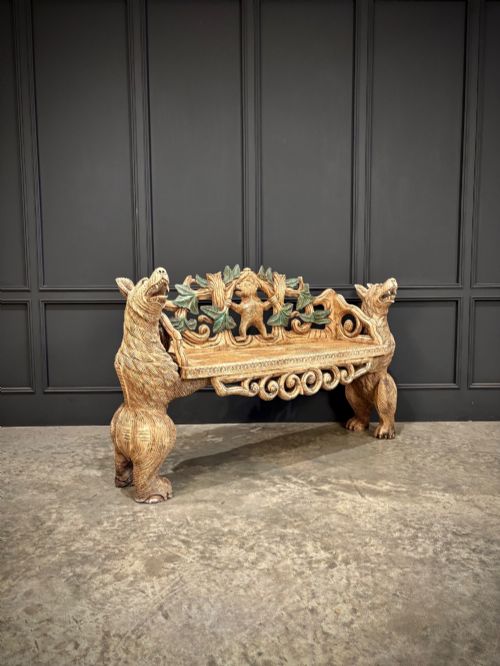
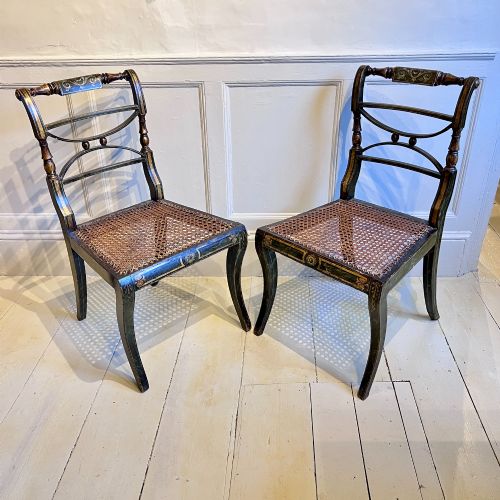
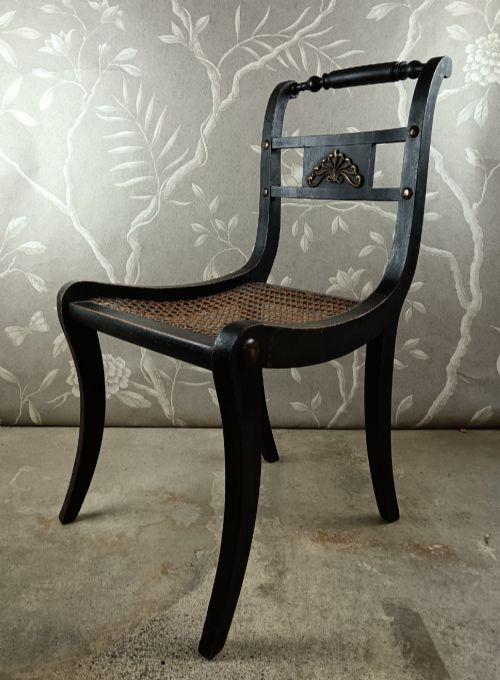
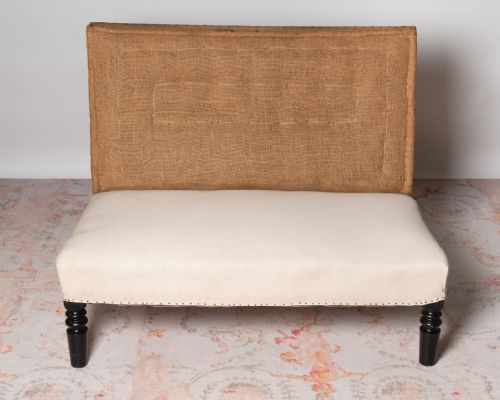
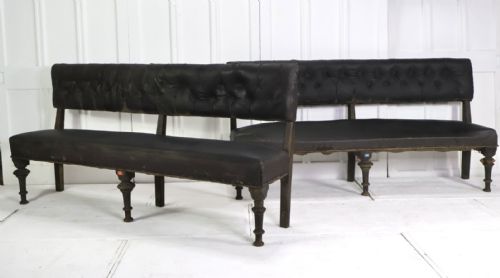
These black hall seat designs range from carved walnut bears to ebonised Regency frames, offering a striking dark focal point for an entrance.
Black Hall Seat
A black hall seat serves as both a practical place to sit in an entranceway and a strong decorative statement. When searching for a black hall seat, buyers typically encounter dark ebonised wood, painted finishes, or deeply carved walnut forms designed for heavy use near a front door.
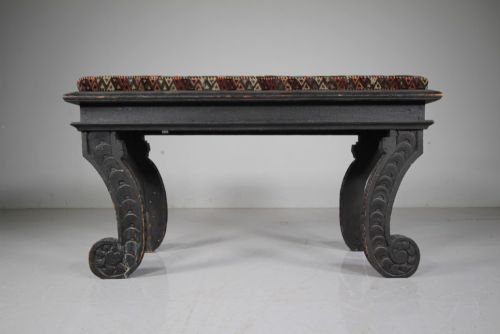
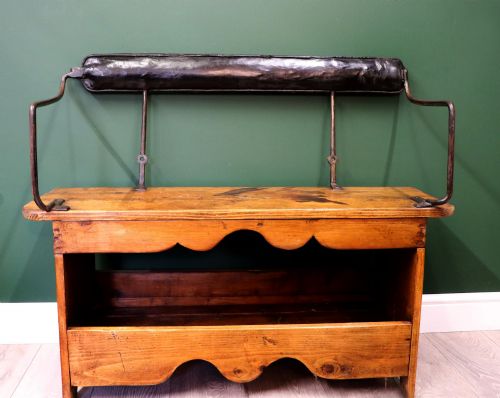
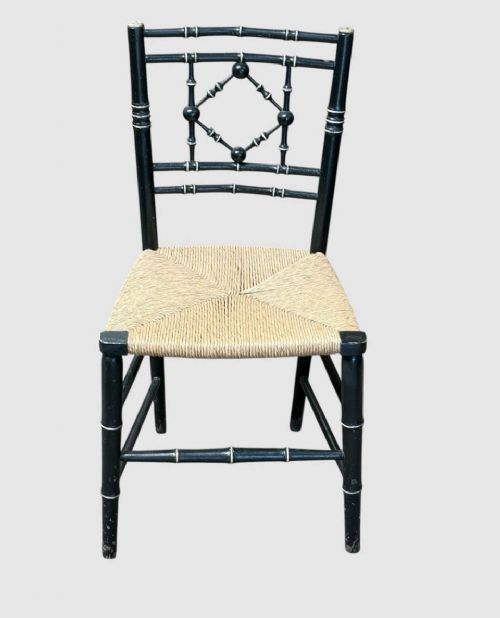
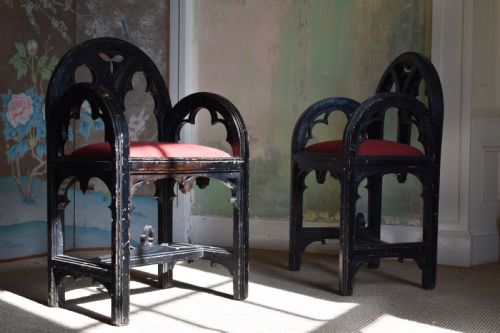
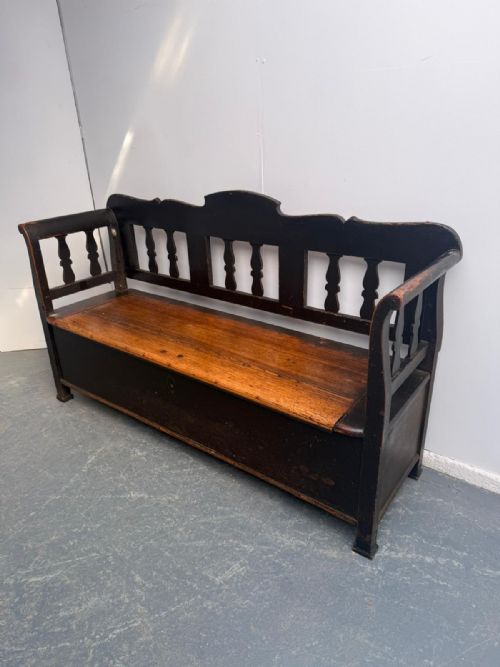
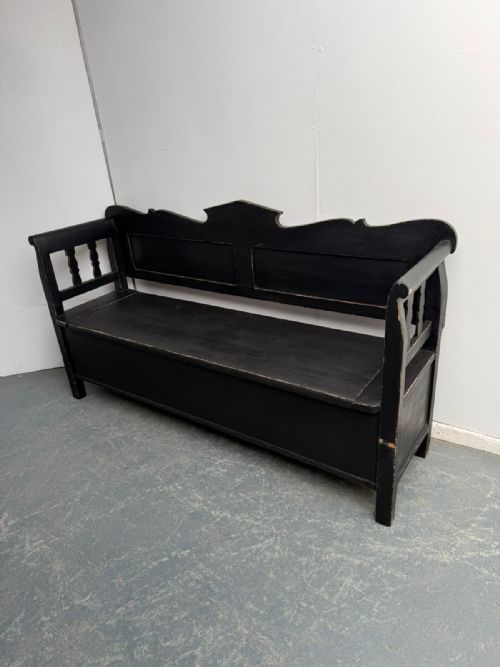
The pieces on this page span several centuries and styles, including Victorian ebonised side chairs, Edwardian window seats, and nineteenth-century Black Forest bear benches. Regency ebonised frames with cane seats and painted pine country house benches also appear frequently across the listings.
Makers utilised various regional traditions, resulting in pieces that range from formal English Regency seating to rustic Swiss carved animals and Hungarian painted pine. Each variation reflects the specific domestic needs of the period in which it was built, whether for a grand hall or a modest cottage corridor.
Materials and construction
Carpenters relied on sturdy woods such as oak, pine, walnut, and hardwood to construct the heavy frames required for entrance seating. Ebonisation techniques and dark paint finishes were frequently applied to create the distinctive black surface appearance.
Decorative elements often involved detailed hand carving, visible in the sculptural bears of Black Forest pieces and the floral motifs of the Aesthetic Movement. Additional materials such as cane, brass, fabric, and gilt accents were integrated to enhance both comfort and visual contrast.
Markers of quality
The standard of a piece rests heavily on the depth and crispness of its hand carving, particularly in figurative works and detailed woodwork. Sharp relief in floral panels or sculptural animal forms distinguishes superior craftsmanship from simpler production.
Integrity of the original finish and structural materials also dictates value. Pieces retaining their early ebonising, original cane seats, or untouched painted surfaces hold greater authenticity than those with later surface alterations.
Bruce J. Talbert·H.Spring of Interlaken·Thonet
The Black Hall Seat Glossary
- Ebonised Wood
- Timber treated with a stain or dye to imitate expensive ebony. This finish became particularly fashionable during the Regency and Victorian eras for formal seating.
- Black Forest
- A style of wood carving originating in Switzerland and Germany, known for highly realistic animal figures. Bears carved into benches and hall chairs are typical of this tradition.
- Aesthetic Movement
- A nineteenth-century design style emphasising beauty and artistic expression over strict utility. Pieces often feature stylised motifs like sunflowers and ebonised surfaces.
- Regency
- An architectural and decorative period dating from the early nineteenth century. Furniture from this era often incorporates classical lines, sabre legs, and gilt highlights.
- Japanned
- A European imitation of East Asian lacquer work using layered dark varnishes. This technique creates a glossy, dark decorative surface on older wooden furniture.
- Monks Bench
- A convertible piece of furniture featuring a hinged top that folds down to form a table. It provides dual functionality in smaller or multi-use hallways.
Black Hall Seat: Frequently Asked Questions
What is a black hall seat?
A black hall seat is a piece of furniture designed for an entranceway, finished in a dark paint or ebonised stain. These items include benches, settles, window seats, and heavy chairs.
Historically placed near the front door, they provided a practical spot to sit while putting on or removing outdoor footwear.
How do I date a black hall seat?
Dating relies on identifying the prevailing style, construction methods, and materials used in the frame. For instance, ebonised sabre legs point toward the Regency period, while carved bears typically indicate late nineteenth or early twentieth-century Black Forest work.
Examining the underlying timber, such as pine or oak, also helps narrow down the era of manufacture.
Where should I place a hall seat?
These pieces fit naturally in entrance halls, corridors, and large landings where narrow furniture is required. Their dark finishes anchor the room visually and complement both traditional and contemporary interiors.
Because they were built for heavy traffic areas, they remain functional for daily use in modern homes.
What styles are available?
The selection includes formal Regency ebonised chairs, rustic Swiss Black Forest bear benches, and painted Gothic Revival armchairs. Aesthetic Movement pieces with floral motifs also feature prominently.
Each style offers a distinct visual interpretation of dark wood entrance seating.