

Black Framed Wall Painting
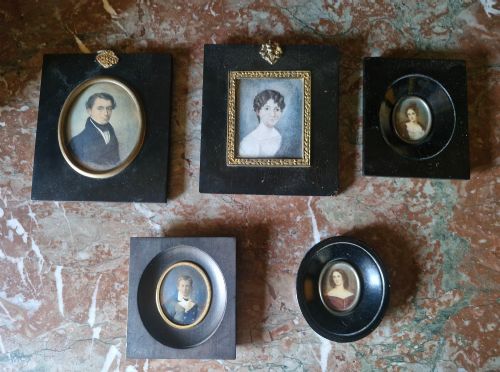
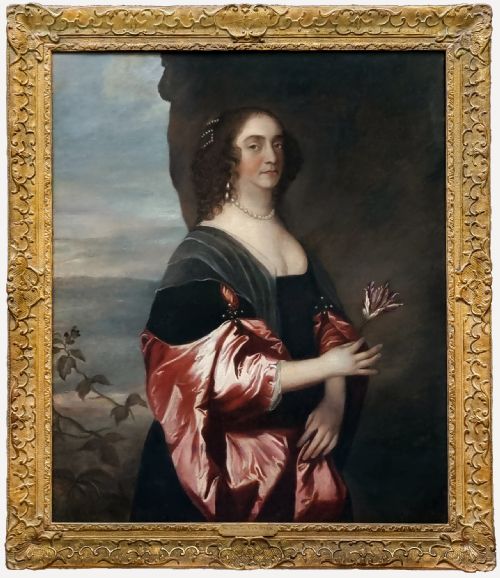
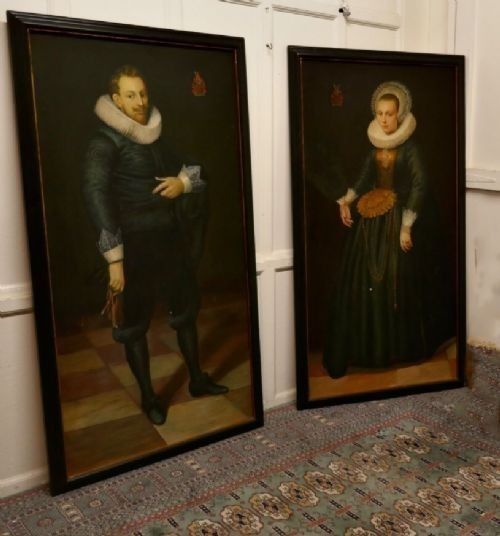
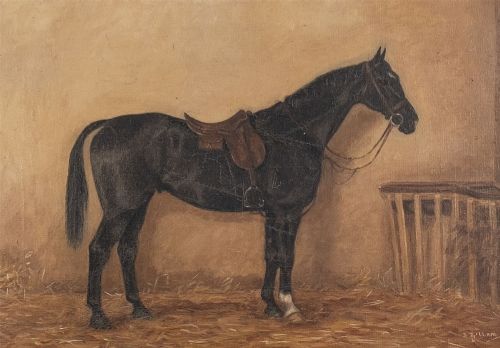
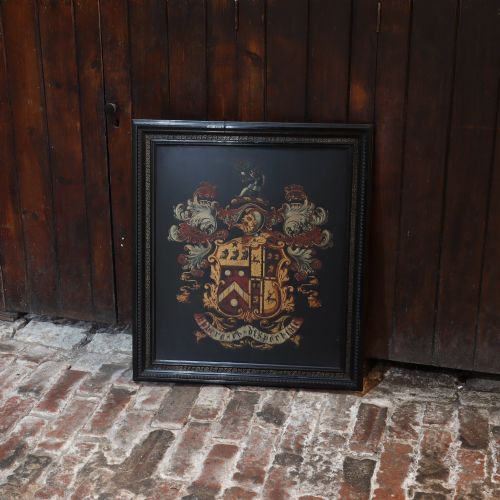
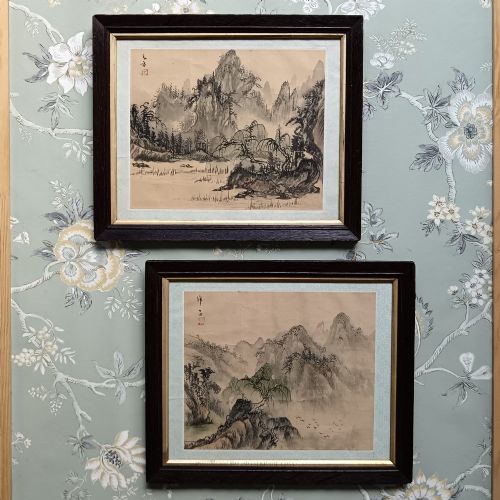
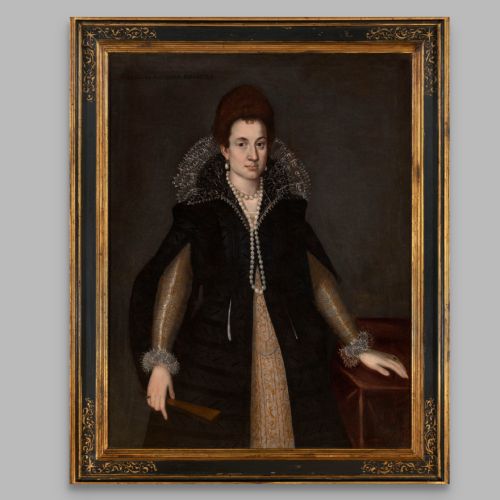
These black framed wall painting selections bring together centuries of portraiture, landscape, and heraldry enclosed in dark timber and ebonised moulding.
Black Framed Wall Painting
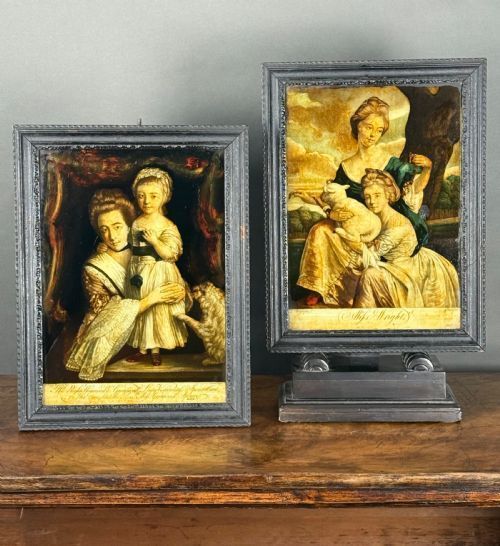
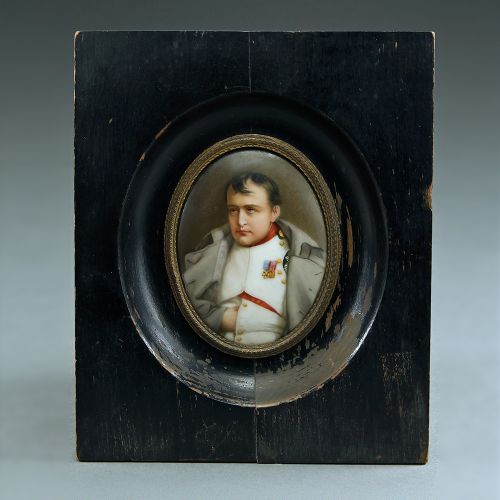
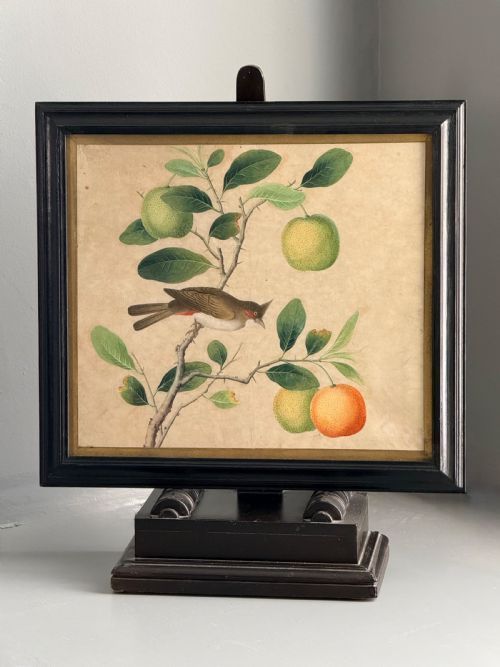
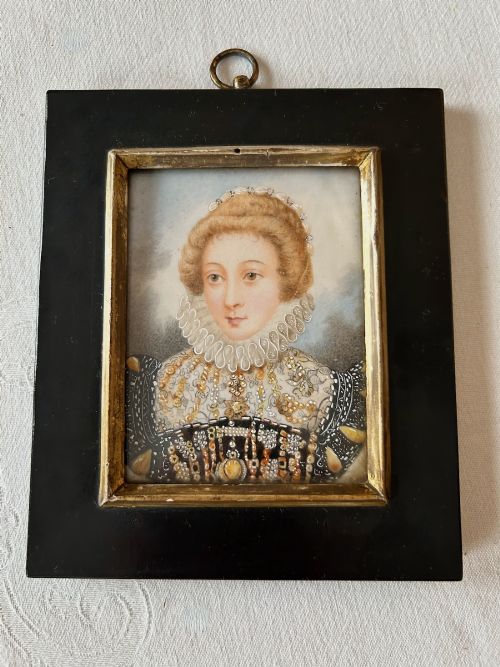
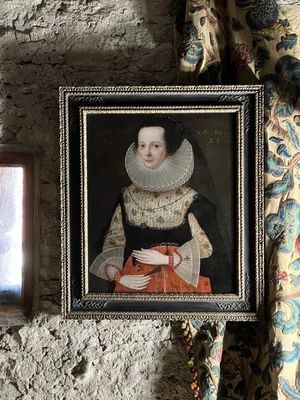
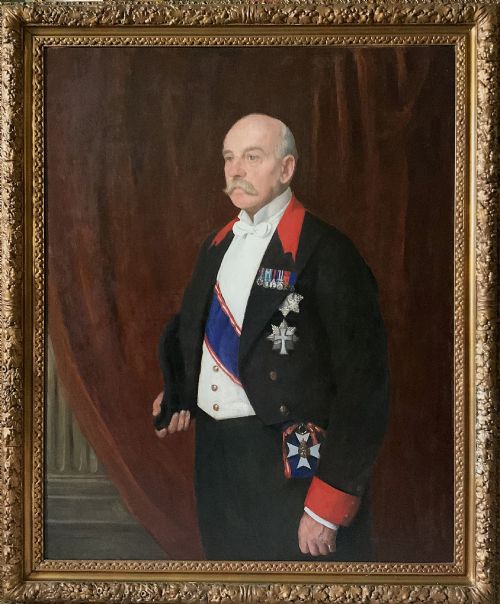
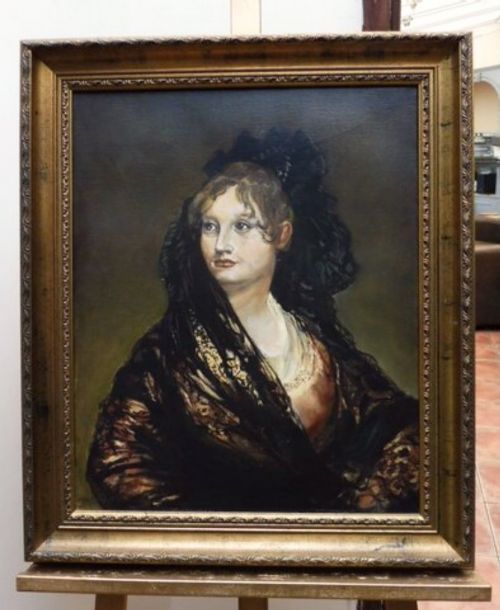
When buyers search for a black framed wall painting, they encounter a diverse assembly of historical artworks spanning the seventeenth century through to the mid-twentieth century. The selection ranges from oil on canvas portraits and gouache on pith paper to watercolour caricatures and reverse glass prints.
The most common formats on this page are oil paintings and portrait miniatures, often housed in traditional dark timber or ebonised wood frames. These works originate from British, Dutch, French, and Chinese schools, reflecting varied regional tastes and historical periods.
How they were made
Makers utilised wood, glass, paper, and canvas as the primary supports for these artworks, applying oil, gouache, watercolour, and paint with fine brushes. Ebonised wood and dark timber mouldings provide the characteristic framing seen across many of the listings.
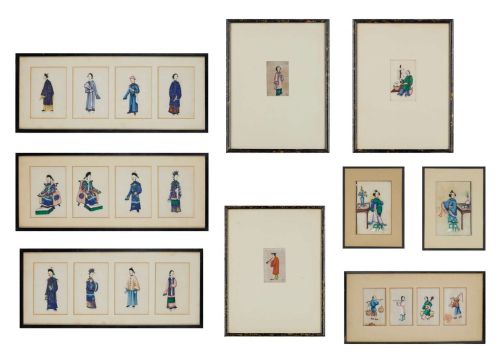
Techniques range from classical oil on canvas painting and reverse glass mezzotints to delicate pith paper gouache and silk paintings. Gold leaf accents occasionally highlight frames and panel details, adding depth to the visual presentation.
Several portraits star subjects in elaborate historical costumes accompanied by faithful dogs.
What varies in quality
The distinction between standard works and exceptional pieces lies in the precision of the brushwork and the depth of the composition. Masterful portraiture demonstrates subtle tonal transitions in skin and fabric, whereas lesser works rely on rigid lines.
The preservation of the original support, whether canvas, panel, or paper, alongside the integrity of the period frame, determines the overall standard. Works retaining their initial ebonised or timber surrounds hold greater historical coherence.
Henri Fradelle·Sebastiaan Vrancx·Cornelis Van Der Voort·Francisco Jose de Goya y Lucientes·Pietro Fachetti·Bartholomeus van der Helst·W D Almond·James Stroudley·Rembrandt·Sir Peter Lely·David Orr Kerr·Sir Joshua Reynolds·Joan Gillchrest·Edwin Lord Weeks
The Black Framed Wall Painting Glossary
- Ebonised wood
- Timber treated to resemble ebony, creating a dense black finish commonly used on antique frames. This technique provides a stark, contrasting border that accentuates the colours within the painting.
- Reverse glass painting
- An artwork executed directly on the back of a glass pane and viewed from the front. This method imparts a glossy, luminous surface to the image.
- Gouache
- An opaque water-based paint that dries to a matte finish. It allows for vibrant colour saturation on paper or pith supports.
- Mezzotint
- A printmaking process of the intaglio family where tonal gradations are achieved by roughening the copper plate. It produces rich dark areas and smooth mid-tones.
- Portrait miniature
- A small, highly detailed painting, often executed on vellum, card, or ivory. These intimate works frequently served as personal tokens or family memorials.
Black Framed Wall Painting: Frequently Asked Questions
What periods do these paintings cover?
The listings span several centuries, starting from seventeenth-century portraits and eighteenth-century reverse glass prints. You will also find nineteenth-century folk art and mid-century modern works.
Each period brings distinct framing styles, from simple dark wood mouldings to elaborate ebonised surrounds that complement the artwork inside.
Are the frames original to the pieces?
Many works retain their period frames, such as ebonised wood or traditional timber mouldings chosen to match the era of the artwork. Some listings explicitly note original framing.
When assessing a piece, the relationship between the dark frame and the painted surface helps indicate the historical context of the presentation.
What mediums are used in these artworks?
The selection includes oil on canvas, gouache on pith paper, watercolours, and silk paintings. Artists also worked on wood panels and glass supports.
These varied materials result in different visual textures, from the heavy impasto of oil paintings to the flat, matte finish of gouache.
How should I care for a framed wall painting?
Keep these artworks away from direct sunlight and damp environments to protect the paint, paper, or canvas supports. Gentle dusting of the frame with a dry cloth maintains the wood.
Avoid using liquid cleaners on the painted surfaces or glass to prevent moisture damage to the underlying materials.