
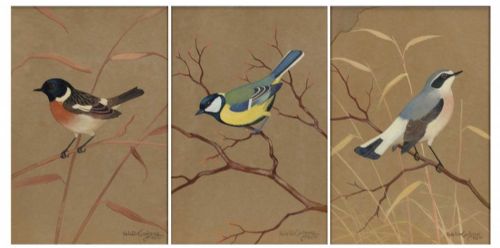


Original Wildlife Painting
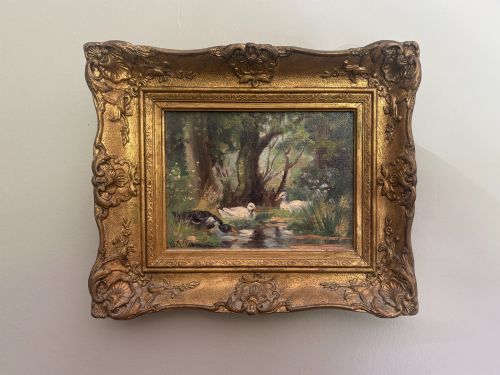
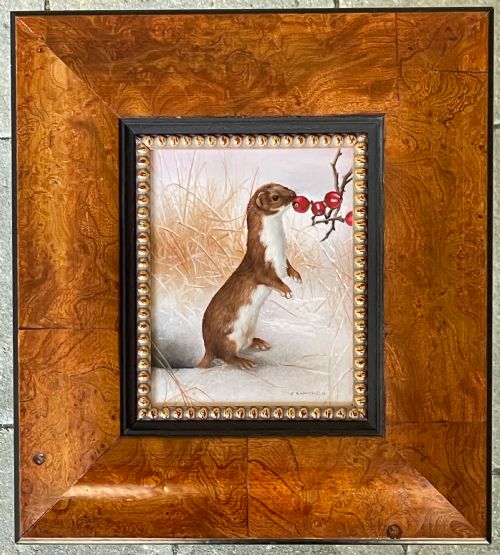
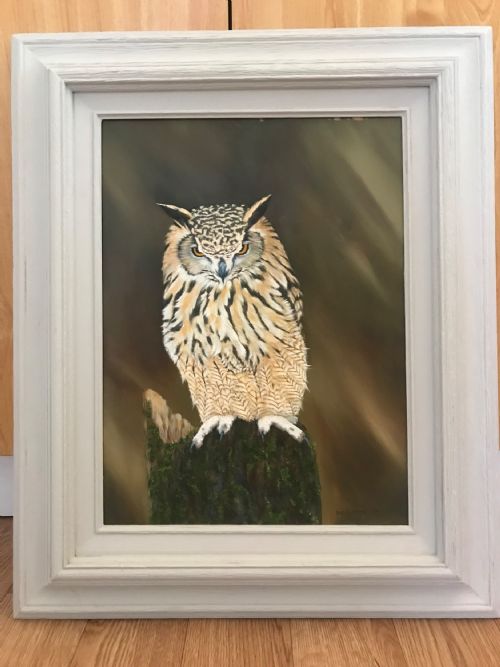
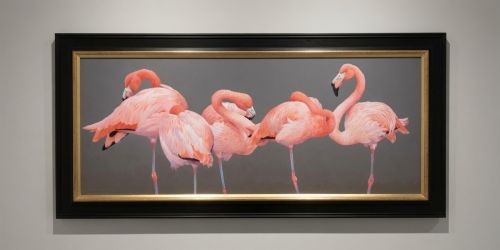
An original wildlife painting captures the presence of animals and birds through direct observation, offering enduring character for any interior.
Original Wildlife Painting
An original wildlife painting brings the natural world indoors through direct depictions of birds, mammals, and landscapes created across the late nineteenth and twentieth centuries. When searching for an original wildlife painting, buyers encounter works executed in oil paint, watercolour, and gouache, often framed for display as wall art.
The selection ranges from Victorian studies of game birds to mid-century depictions of parrots, falcons, and wetland geese. Works span British Naturalism and Realism, reflecting shifts in how artists observed wildlife over successive decades.
Most pieces date from the early decades of the twentieth century up to the 1960s and later, featuring both intimate watercolours on paper and large oil paintings on board or panel.
Assessing the work
Quality rests upon the artist's command of anatomy, posture, and natural light, separating routine animal illustrations from works with genuine vitality. A superior painting captures the specific alertness of a predator or the convincing weight of a bird in flight.
Material preservation also influences standing, as watercolours must retain their original pigment strength without excessive fading, while oil paintings require stable surfaces across panel and canvas.
Signatures, provenance, and the inclusion of identifiable settings - such as specific marshes, outback scenes, or moorland landscapes - add contextual weight to the better examples.
Several artists clearly spent hours watching kookaburras, parrots, and wily weasels before putting brush to paper.
Carl Whitfield·David Orr Kerr·Ralston Gudgeon·Elisabeth Frink·Robin Hill·Michael Jackson·Paul-Louis Barruel·Donald Watson·Cuthbert Edmund Swan·Geza Vastagh·C F Tunnicliffe
The Original Wildlife Painting Glossary
- Watercolour
- A paint consisting of colour suspended in a water-soluble binder, frequently applied to paper in wildlife studies. This medium allows for transparent washes that capture delicate plumage.
- Gouache
- An opaque water-based paint that provides solid areas of colour and sharp highlights. It is often combined with watercolour in detailed animal and bird compositions.
- Natural History Illustration
- A rigorous artistic approach focused on scientific accuracy and detailed depiction of species. These works prioritise precise anatomical recording over loose interpretation.
- British Naturalism
- An artistic movement emphasising faithful observation of the natural environment and native species. It forms the foundation for many nineteenth and twentieth-century animal paintings.
- Realism
- A style committed to depicting subjects truthfully without artificiality or stylistic embellishment. In wildlife art, it results in convincing portrayals of texture, fur, and feather.
Original Wildlife Painting: Frequently Asked Questions
How should I hang a watercolour painting?
Watercolour paintings on paper require careful placement away from direct sunlight to prevent the pigments from fading over the years.
Ensure they are framed behind glass with adequate spacing between the artwork and the glazing to avoid moisture accumulation.
How do I identify the period?
Dating relies on stylistic shifts, framing materials, and direct signatures or dates left by the artists on the paper, board, or canvas.
Victorian and early twentieth-century pieces often display traditional natural history aesthetics, while mid-century works embrace modern British realism.
Can I display oil paintings in any room?
Oil paintings on board or panel are generally robust and suit most interior environments where temperature fluctuations remain moderate.
Avoid placing them in excessively damp spaces to protect both the wooden supports and the paint layers.