







Black Framed Plaques
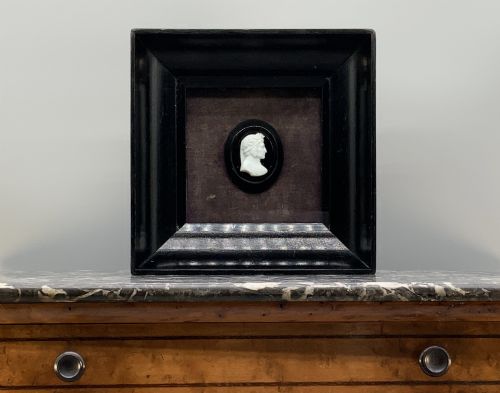
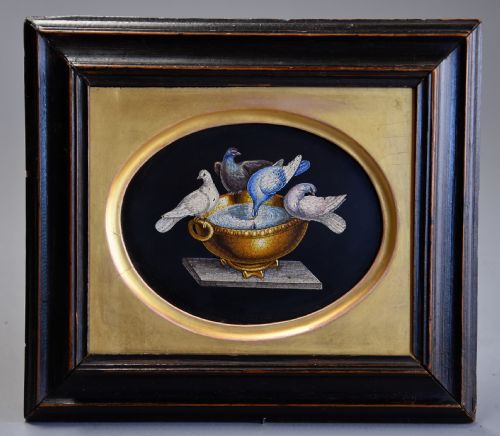
These black framed plaques bring together carved ivory, micro-mosaic, and vitreolite glass within dark surrounds to anchor a room.
Black Framed Plaques
When you search for black framed plaques, you encounter wall art spanning the nineteenth and twentieth centuries, executed in materials from carved walnut to inlaid slate and ceramic.
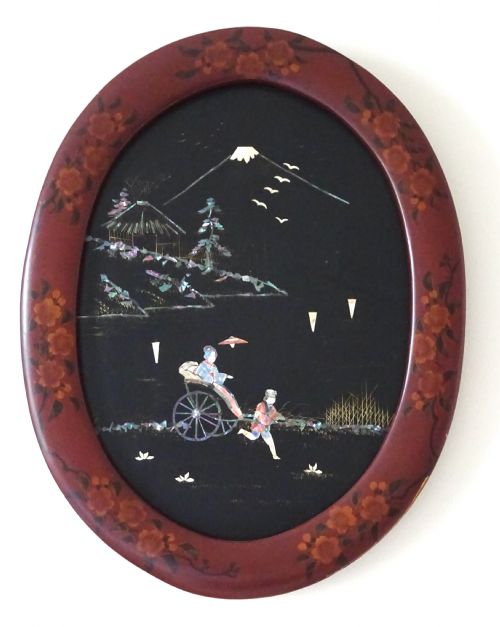
The selections on this page lean heavily toward ebonised timber and dark lacquer surrounds enclosing intricate details like mother-of-pearl inlay, micromosaic, and porcelain.
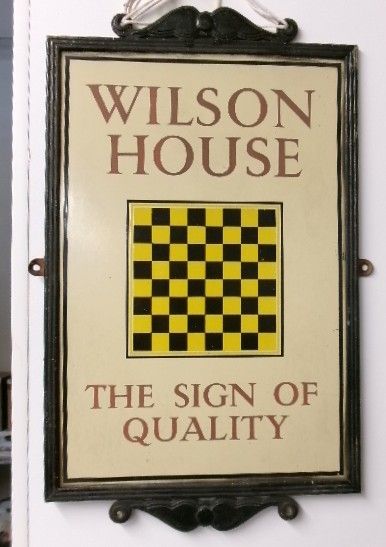
Forms range from religious shadowboxes and advertising enamel signs to Grand Tour classical portraits and Japanese roundels, offering varied visual weight for interior spaces.
Materials and construction methods
Makers utilised dense timbers like oak, walnut, and ebonised wood to build protective surrounds, often finishing them with lacquer or gilding to contrast the central panels.
Internal panels combine diverse media, using glass, ceramic tiles, pietre dura marble, Welsh slate, and carved ivory fixed securely behind glass or within custom shadowboxes.
Black Framed Plaques Retail Price Guide 2026
Typical asking prices for black framed plaques among the pieces listed under this phrase on Sellingantiques today, from the lower quarter to the upper quarter. They describe what is for sale here now, not the wider market.
Listings feature items spanning the eighteenth through the twentieth centuries, employing wood, slate, glass, and marble.
Evaluating the craftsmanship
Superior examples display precise hand-carving and meticulous inlay work, such as tightly fitted pietre dura stone pieces or delicate mother-of-pearl abalone placement.
The relationship between the dark frame and the central plaque dictates overall success, where proportion and secure housing preserve the integrity of fragile materials like micromosaic and papier-mâché.
The Black Framed Plaques Glossary
- Ebonised wood
- Timber treated to resemble ebony through staining or painting, common in Victorian frames. It provides a deep, matte black finish that isolates colourful inlay.
- Pietre dura
- Pictorial inlay technique using cut and fitted polished coloured stones to create images. This laborious process yields durable, stone-based pictures.
- Micromosaic
- Detailed imagery assembled from tiny glass tesserae fused together. Italian examples often depict classical motifs.
- Vitriolite
- Heavy pigmented structural glass popular in early twentieth-century signage. It offers a glossy, durable surface for lettering.
- Pate-sur-pate
- Ceramic decoration method applying layers of liquid white porcelain slip onto a darker clay body. This builds low-relief designs with translucent gradients.
Black Framed Plaques: Frequently Asked Questions
How do I hang these heavier slate or marble plaques?
These pieces utilise substantial materials like Welsh slate or marble panels, requiring secure wall anchors rated for their specific weight.
Verify that the hanging hardware fixed to the dark frame matches the load before mounting them on plaster or drywall.
Where should I place a dark framed wall piece?
The deep tones of ebonised wood and lacquer suit neutral walls where the contrast draws the eye directly to the central plaque.
Keep them away from direct sunlight to protect delicate internal elements like nineteenth-century photographs, ivory, or papier-mâché.
How do I clean delicate inlay within these frames?
Dust surfaces gently with a dry, soft brush to prevent abrasive particles from scratching vulnerable materials like mother-of-pearl or glass.
Avoid liquid cleaners entirely, as moisture can seep behind the dark surrounds and damage adhesives or paper components.
What period do most ebonised and dark framed plaques belong to?
The majority of pieces date from the nineteenth century, reflecting Victorian tastes for contrasting dark woodwork against detailed panels.
Later Edwardian and twentieth-century examples also appear, shifting towards enamel signage and ceramic tiles.