


Black Frame Portrait Miniature
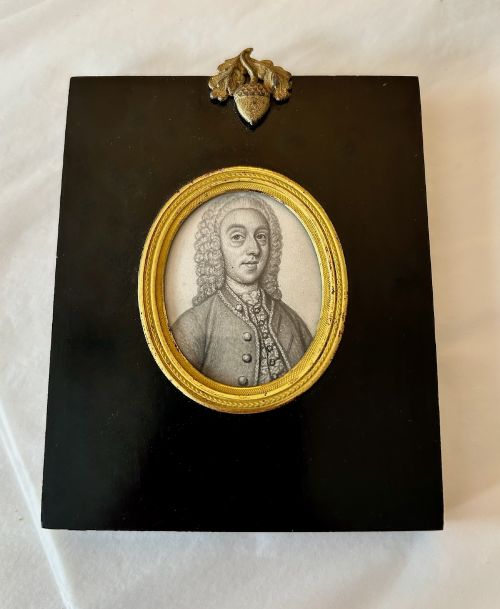
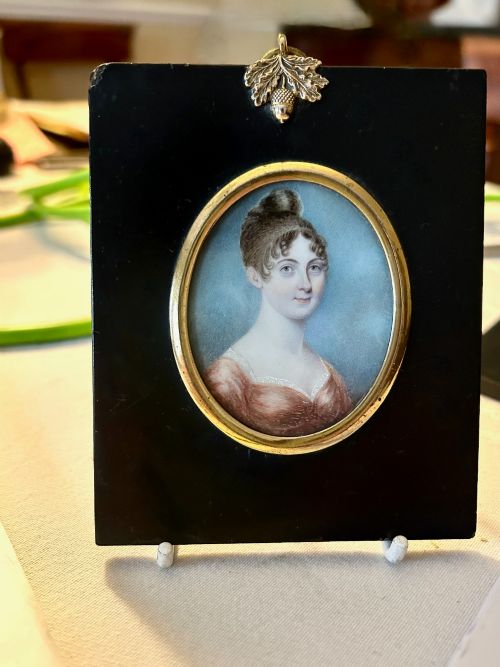
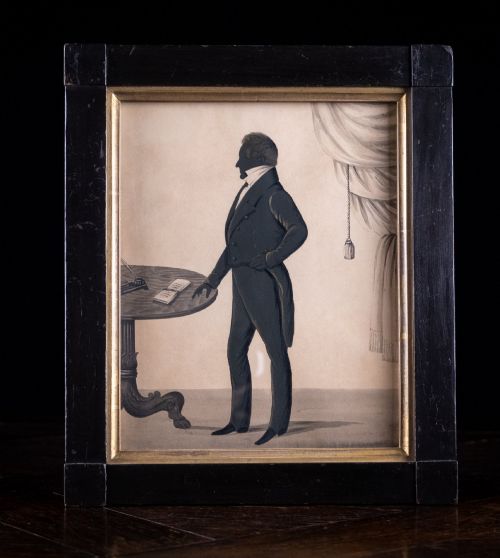
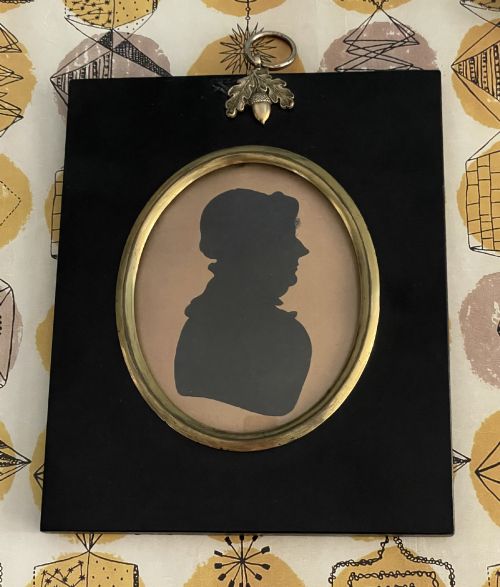
A black frame portrait miniature brings small-scale intimacy to a wall, combining personal likeness with dark timber or glass surrounds.
Black Frame Portrait Miniature
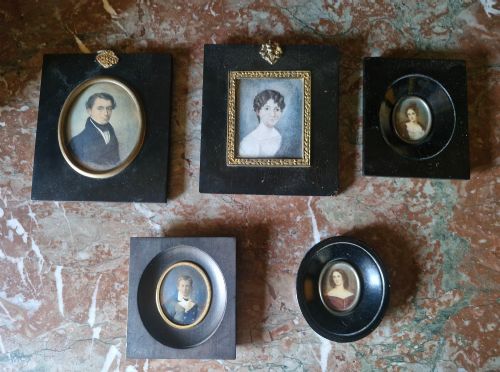
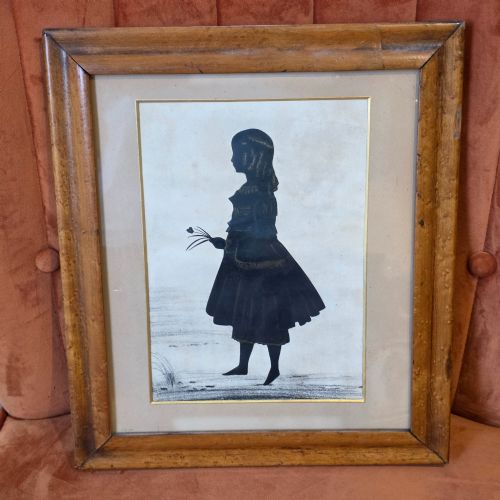
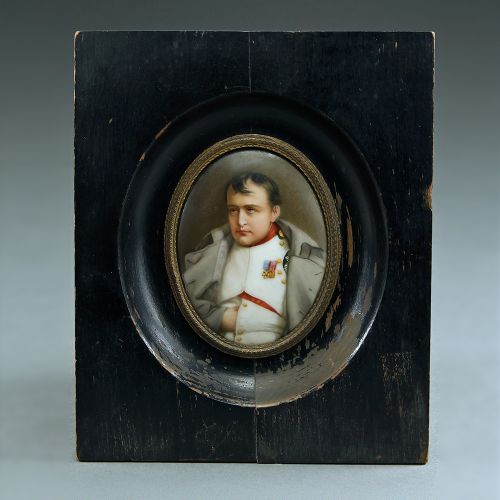
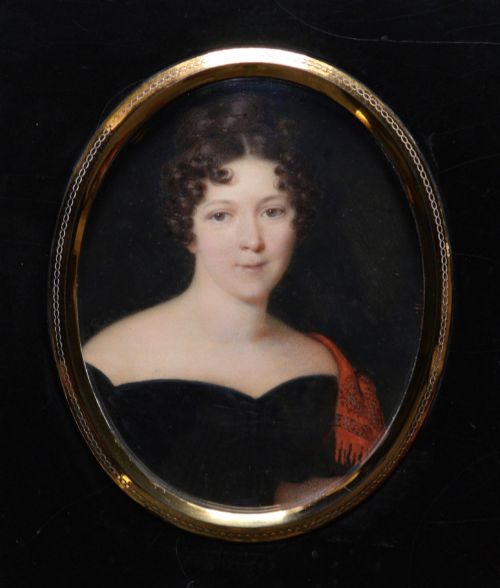
When searching for a black frame portrait miniature, buyers encounter hand-cut paper profiles, watercolour paintings on paper or ivory, and enamel works set within dark or ebonised surrounds.
The pieces span the eighteenth, nineteenth, and early twentieth centuries, encompassing Georgian neoclassical works, Regency silhouettes, and Victorian portrait paintings.
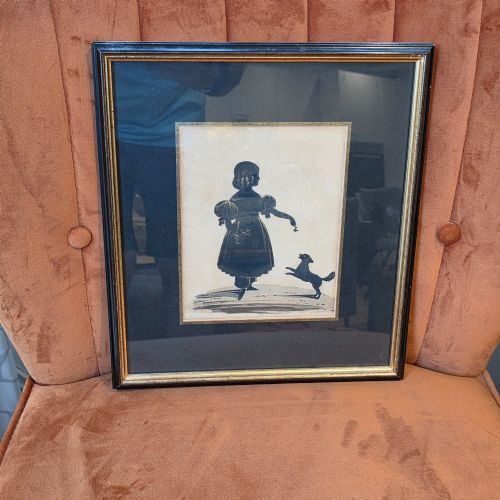
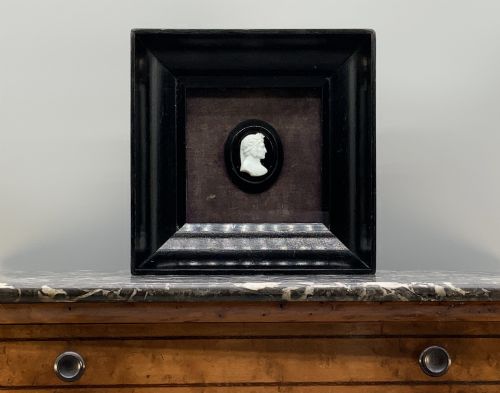
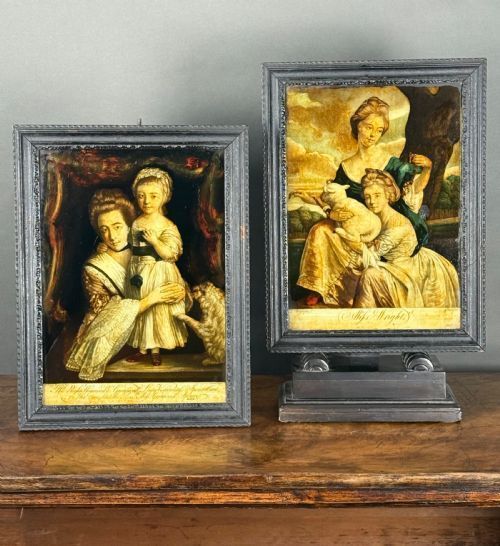
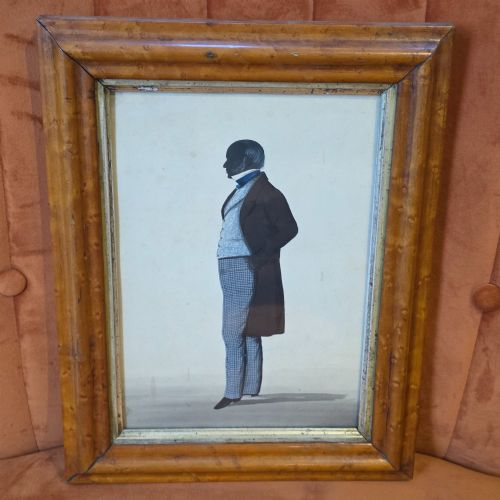
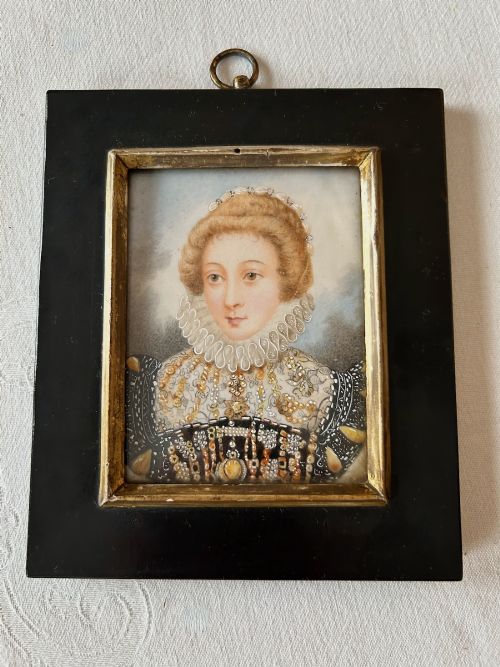
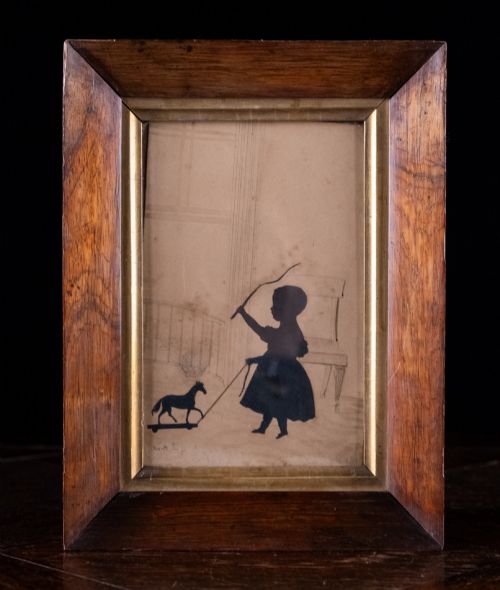
Subjects range from named gentlemen and children with pets to Grand Tour ivory plaques and detailed watercolour studies enclosed in oval or rectangular wooden frames.
Materials and technique
Maker's workshops utilised ebonised wood, rosewood, and glass to create contrasting dark borders that focused attention on the delicate subject within.
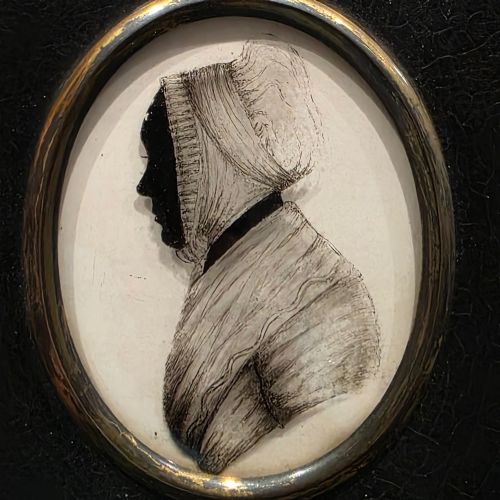
Portraits were executed using watercolour, ink, plumbago, enamel, or carved ivory, alongside hollow-cut and solid paper silhouettes enhanced with gold leaf.
Reverse glass painting and plaster moulding added depth, protecting the fragile pigments and paper media from moisture and handling.
Black Frame Portrait Miniature Retail Price Guide 2026
Typical asking prices for black frame portrait miniature among the pieces listed under this phrase on Sellingantiques today, from the lower quarter to the upper quarter. They describe what is for sale here now, not the wider market.
Several Victorian children were immortalised alongside their pets, ensuring family dogs joined the gallery wall.
Judging quality and execution
Superior examples display precise hand-cut lines or confident brushwork that captures expression and costume detail with economy and clarity.
The integration of the frame matters greatly, with original ebonised wood or papier-mâché housings and intact convex glass preserving the historical integrity of the miniature.
William James Hubard·Henry Bone·John Miers·Augustin Edouart·John Taylor·James Ferguson·Archibald Skirving
The Black Frame Portrait Miniature Glossary
- Plumbago
- A delicate drawing executed in graphite, taking its name from the Latin for lead ore, popular for detailed monochromatic portraits in the eighteenth century.
- Ebonised wood
- Timber treated to imitate ebony, providing a deep black finish commonly used for nineteenth-century portrait frames.
- Silhouette
- A solid profile portrait, usually filled in with black ink or cut from paper, named after the French finance minister Étienne de Silhouette.
- Reverse glass painting
- A technique where an image is painted directly onto the reverse side of a glass panel so that it is viewed through the front.
- Cameo
- A method of carving or pressing an object in relief, frequently seen in glass paste or ivory miniature plaques.
Black Frame Portrait Miniature: Frequently Asked Questions
How were these miniature portraits originally displayed?
These small works were designed to be hung closely together in small groupings on domestic walls or kept within protective travel cases.
Their dark frames provided a stark visual boundary that helped domestic interiors display multiple likenesses without cluttering the room.
What is the difference between a silhouette and a miniature painting?
A silhouette relies purely on outline and profile, often rendered in cut paper, ink, or bronze highlights against a contrasting background.
Miniature paintings utilise full colour, shading, and fine brushwork to depict the subject's face and clothing in three dimensions.
How can I tell a Georgian frame from a Victorian one?
Georgian frames tend to feature simpler, deep ebonised wooden profiles or convex papier-mâché surrounds with small brass hanger loops at the top.
Victorian iterations often incorporate heavier mouldings, broader gilt bezels, or distinct oval wooden shapes designed to hold watercolour and pastel studies.
Are these portraits usually signed by the artist?
Signatures appear occasionally on the front or reverse, sometimes written in ink or incorporated subtly into the painted background details.
Many period pieces remain unsigned because artists often worked as itinerant profile cutters or portrait painters without adding formal ciphers.