



Black Dog Artwork
Black dog artwork captures canine companionship through oil on canvas, etchings and paper across centuries.
Black Dog Artwork
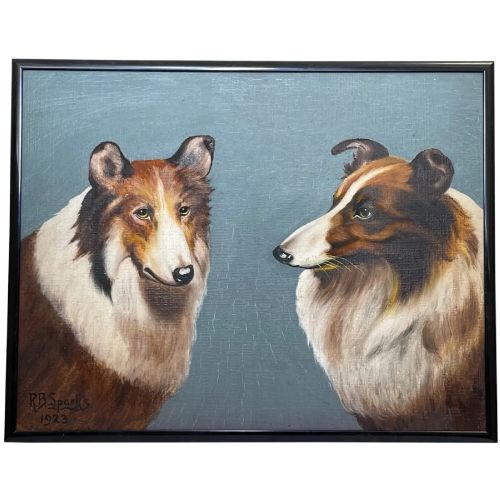
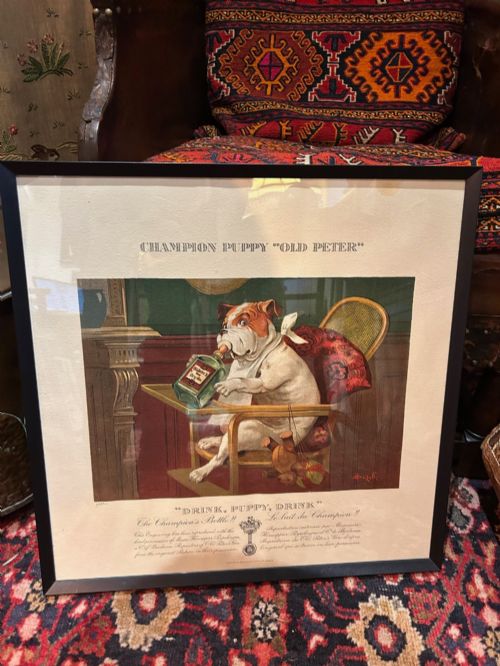
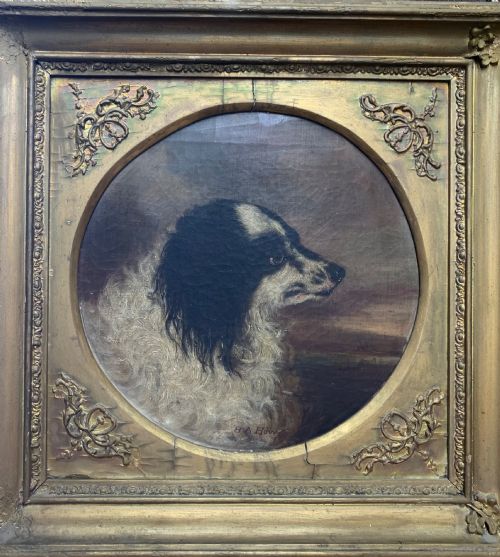
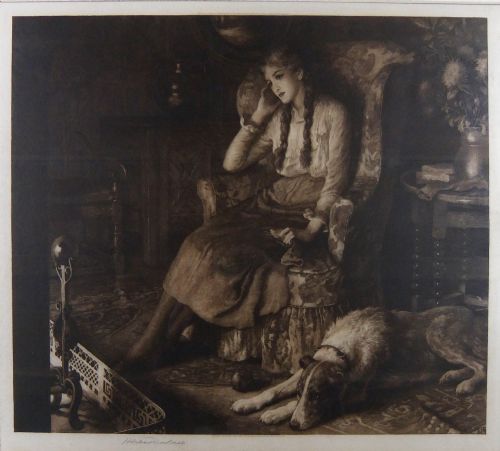
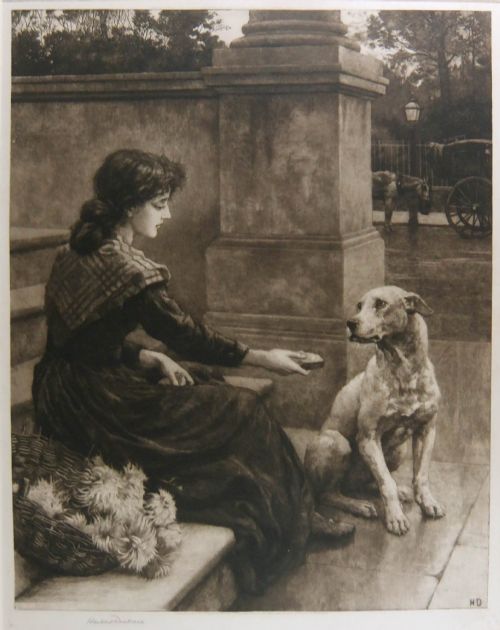
Black dog artwork encompasses oil paintings, original etchings, watercolours, pastels and engravings depicting canines across various periods from the eighteenth century to the mid twentieth century. Buyers seeking black dog artwork encounter diverse representations ranging from nineteenth century spaniel portraits in oils to early twentieth century drypoint etchings of bulldogs and terriers.
Materials and construction
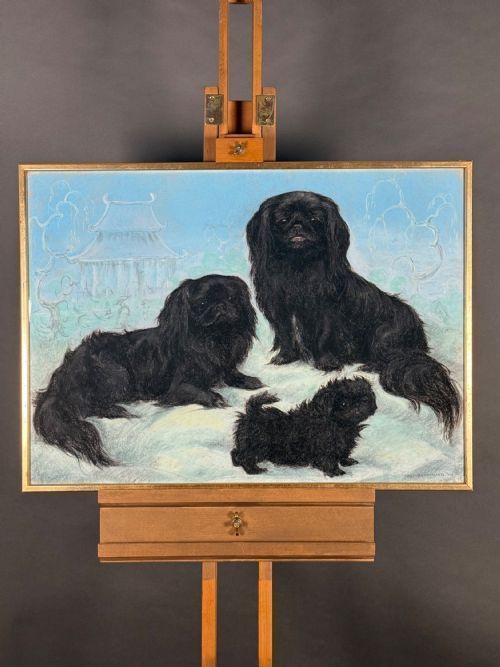
Artists utilise oil on canvas for rich, layered portraits of dogs in interiors and landscapes, often paired with traditional wood and giltwood framing. Graphic works rely on paper supports, employing ink for etchings and drypoint, pastel for tonal studies, and watercolour for looser animal sketches.
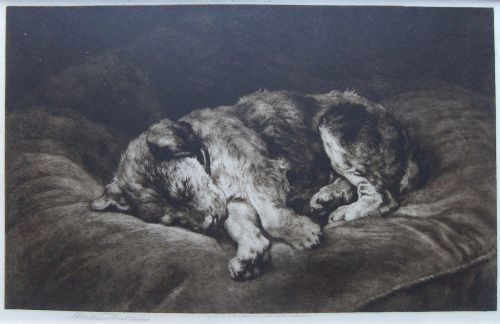
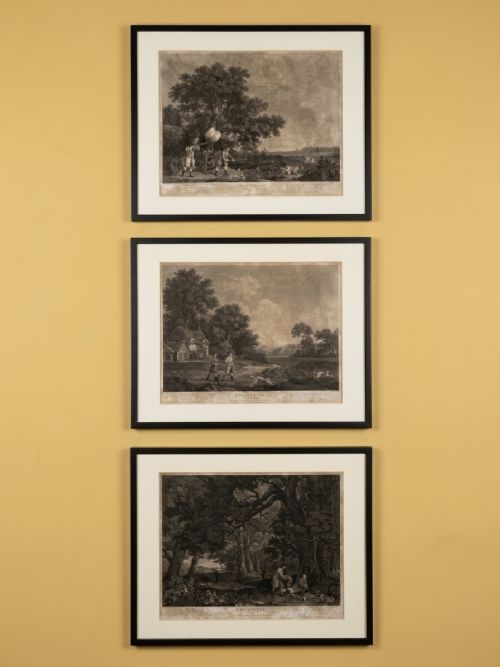
Printmakers create original etchings and drypoints using metal plates inked and pressed onto paper, sometimes incorporating glass for protection in framed pieces. Silhouette works combine cut paper and watercolour on paper to delineate canine forms sharply against light backgrounds.
Black Dog Artwork Retail Price Guide 2026
Typical asking prices for black dog artwork among the pieces listed under this phrase on Sellingantiques today, from the lower quarter to the upper quarter. They describe what is for sale here now, not the wider market.
Listings feature works spanning the 18th century, Regency, Victorian, Edwardian, 1920s, 1930s, 1940s, 1950s and 1960s.
Distinctions in quality
Quality rests on the draughtsmanship and anatomical accuracy displayed in capturing the dog's form, texture of coat and expression. Stronger pieces demonstrate confident brushwork in oils or precise line work in drypoint etchings, whereas lesser examples lack anatomical conviction.
The strength of provenance and attribution elevates specific works, particularly those by recorded artists or associated with historical periods like the Victorian and Regency eras. Material preservation also dictates value, with well preserved paper, stable canvas grounds and original frames contributing to overall merit.
William Woollett·George Stubbs·William James Hubard·Marcellin Auzolle·Herbert Dicksee·William Barraud·Sir Edwin Landseer·Mabel Gear·Valentine Thomas Garland·G Morland·Charles Bilger Spalding·Samuel John Carter·Sonia Lawson R.A.
The Black Dog Artwork Glossary
- Drypoint
- A printmaking process where an image is incised directly into a metal plate with a sharp needle, producing a velvety line when printed. This technique yields softer burrs of metal that hold ink to create atmospheric shadows.
- Etching
- A method where lines are bitten into a metal plate with acid before ink is applied for printing. It allows for fine linear detail suited to period animal illustrations.
- Giltwood
- Wood carved and coated with gold leaf or metallic paint to create a decorative frame finish. It provides traditional ornamentation for historic paintings and engravings.
- Pastel
- A medium of powdered pigment bound into stick form, applied directly to paper to achieve soft colour transitions. It is frequently utilised for intimate animal studies and portraits.
Black Dog Artwork: Frequently Asked Questions
What periods do these dog artworks cover?
The pieces span from the eighteenth century through the Regency, Victorian, and Edwardian eras into the mid twentieth century, encompassing Art Deco and early twentieth century fine art movements.
Such chronological breadth allows collectors to trace changing artistic interpretations of canines across different historical and social contexts.
How were these dog portraits displayed originally?
Many oil paintings and engravings were framed in wood or giltwood to hang in domestic interiors, country houses and studies alongside other family or sporting pictures.
Prints and etchings often served as affordable wall art or book illustrations before finding permanent placement behind glass in protective frames.
What materials are common in these works?
Works utilise traditional fine art supports including oil on canvas, paper, wood, and glass alongside giltwood frames and gold leaf accents. Drawing and print media consist of ink, pastel, charcoal and watercolour.
These varied mediums reflect the specific preferences of period artists working in portraiture, folk art and printmaking.
How do etchings differ from oil paintings here?
Etchings and drypoints are graphic prints created on paper using inked plates, often featuring breeds like bulldogs, terriers and spaniels in controlled tonal lines. Oil paintings provide heavier textures and full colour palettes for detailed animal portraits in interiors or landscapes.
Both forms capture distinct aspects of canine representation favoured by collectors of historical art.