




Black Coat Oil Painting
A black coat oil painting captures the quiet gravity of historical portraiture, offering buyers a compelling window into past lives.
Black Coat Oil Painting
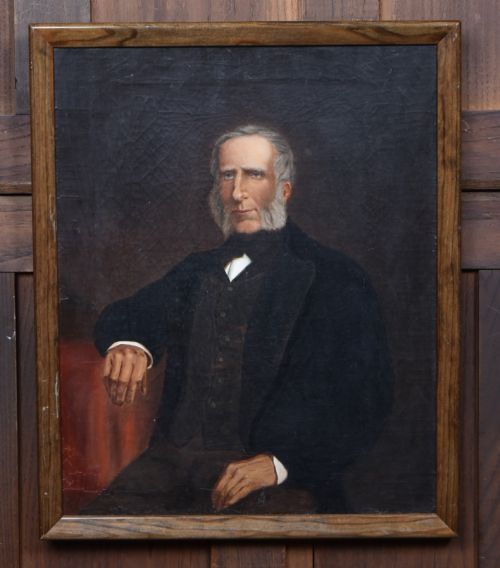
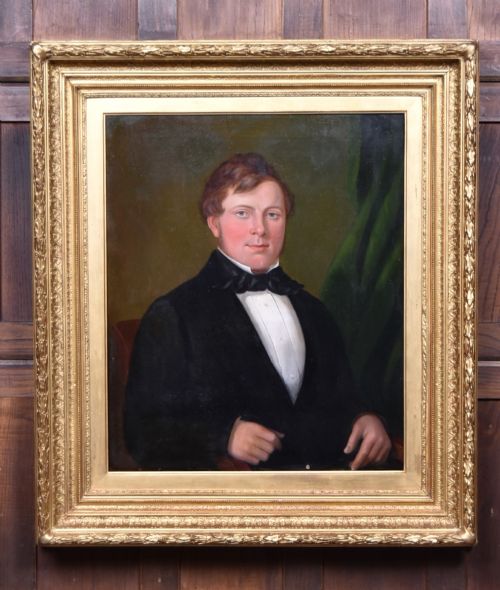
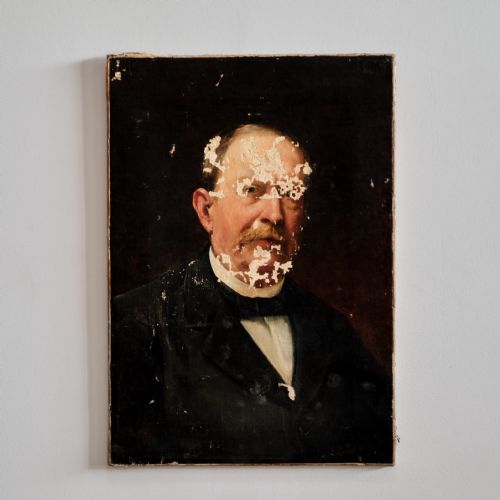
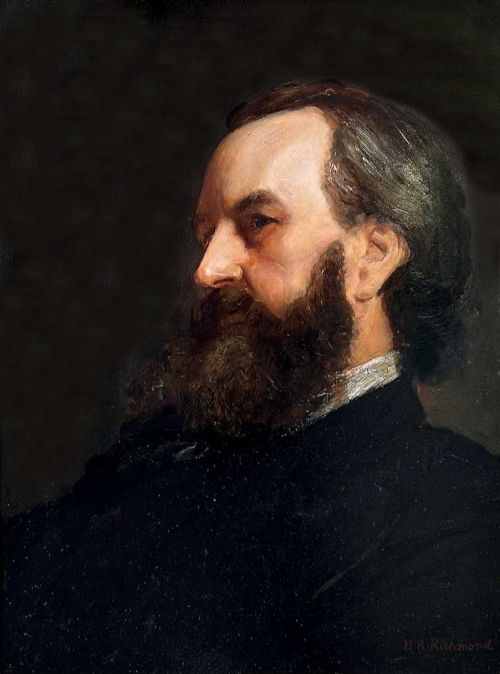
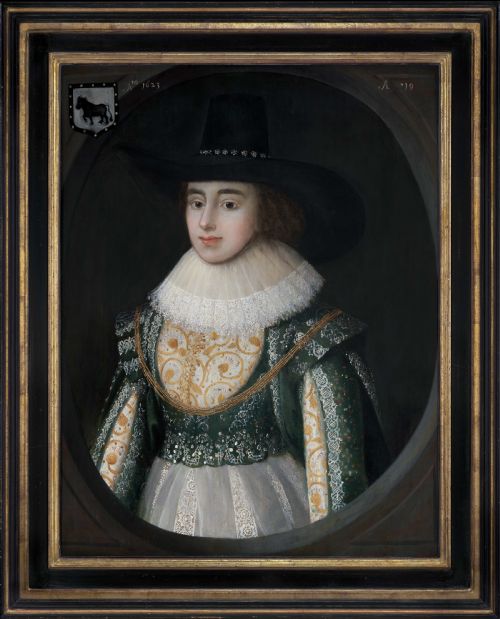
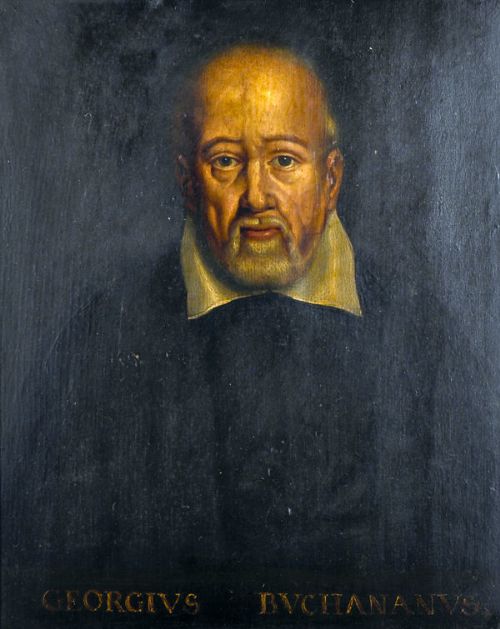
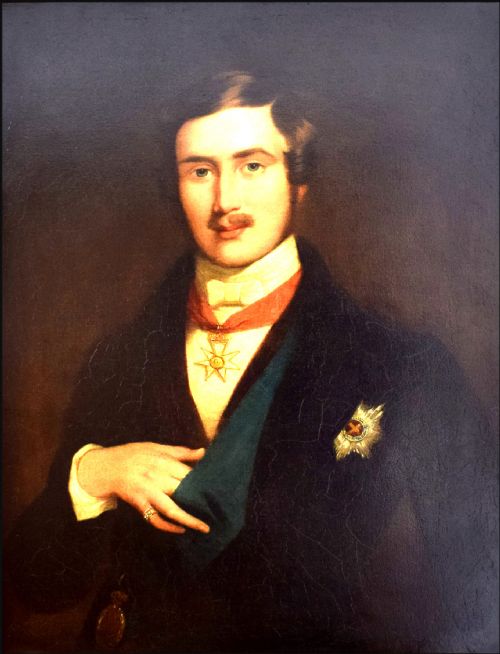
When you search for a black coat oil painting, you encounter centuries of portraiture depicting subjects in dark formal attire. These artworks span from the sixteenth century through the Victorian era, recording the likenesses of gentlemen, ministers, and figures of note.
The versions you meet most frequently on this page belong to the nineteenth and eighteenth centuries, executed on canvas or panel. Many present bust or half-length compositions focusing on the countenance and sombre garments of the sitter.
Earlier examples reach back to the seventeenth and sixteenth centuries, displaying the stiff collars and rich dark fabrics characteristic of Jacobean and Renaissance portraiture. These works demonstrate how elite and professional classes chose to present themselves to posterity.
How they were made
Artists built these works using oil paint applied to prepared canvas or wooden panels, sometimes reinforced with gesso grounds. The deep dark pigments required careful layering to achieve the subtle shifts in tone that define heavy woollen coats and velvet waistcoats.
Frames often incorporate wood and gold leaf, matching the period of the painting to complement the dark palette of the central portrait. The physical support dictates the survival of the piece, with wood panels showing distinct grain patterns beneath the painted surface.
Several gentlemen depicted in these dark coats appear to be giving the painter a stern look for taking too long.
What varies in quality
Condition and original surface integrity play a central part in the standing of a piece, as old layers of varnish and past restorations alter the visual balance. Works that retain their unblemished nineteenth-century or earlier surfaces offer a more direct encounter with the artist's initial intent.
William Blake Richmond·Cornelius Johnson·Alan Ramsay·Rudolph Lehmann·Frans Pourbus the Elder·Sir William Charles Ross·Robrt Ker Porter
The Black Coat Oil Painting Glossary
- Oil on canvas
- Pigment bound in drying oil applied to a stretched woven fabric support. This combination provides flexibility and a durable surface for detailed portraiture.
- Oil on panel
- Pigment applied to a wooden board rather than textile. Panels often indicate earlier dates, such as sixteenth or seventeenth-century works.
- Gesso
- A paint mixture consisting of a neutral binder mixed with chalk, gypsum, or pigment used to prepare wood panels for painting. It creates a smooth, bright ground for the oil layers.
- Gold leaf
- Gold beaten into extremely thin sheets used for gilding frames and decorative elements. It adds warmth and contrast to the dark tones of the oil painting.
- Portraiture
- The art of representing a specific human subject. In these listings, it focuses on the upper body and head of notable individuals.
Black Coat Oil Painting: Frequently Asked Questions
How old are these paintings?
The works span multiple centuries, with examples originating from the sixteenth, seventeenth, eighteenth, and nineteenth centuries. Each piece reflects the aesthetic conventions of its specific era.
Datings range from early sixteenth-century panels to late Victorian canvases, offering a broad chronological spread for collectors of historical art.
What materials were used?
Artists relied primarily on oil paint applied to canvas or wooden panels. These supports were often prepared with gesso grounds to receive the pigment.
Frames frequently incorporate wood and gold leaf, enhancing the visual impact of the dark garments depicted in the portraits.
Who is usually depicted?
The subjects are predominantly gentlemen, ministers, poets, and public figures dressed in formal black coats. Many sitters are identified by name, recording real historical personages.
Other works depict anonymous subjects categorized by English or American school designations from the nineteenth century.
How do I hang a panel painting?
Panel paintings require stable indoor environments away from direct heat sources and extreme humidity fluctuations. The rigid wooden support reacts to atmospheric changes.
Ensure the hanging hardware is securely fixed to the wall and weight-appropriate for the combined mass of the panel and its frame.