



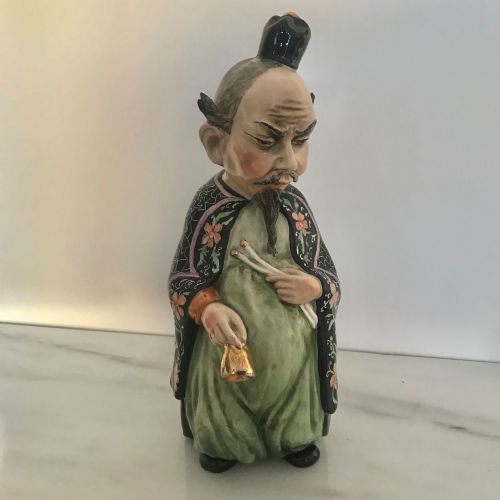

Black Ceramic Pottery
Black ceramic pottery encompasses pieces shaped from clay and finished with dark glazes, transfers or basalt bodies, sought after for their dramatic surfaces.
Black Ceramic Pottery
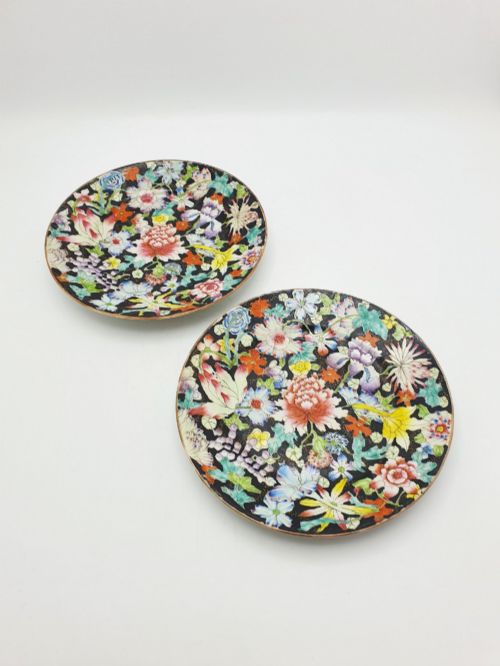
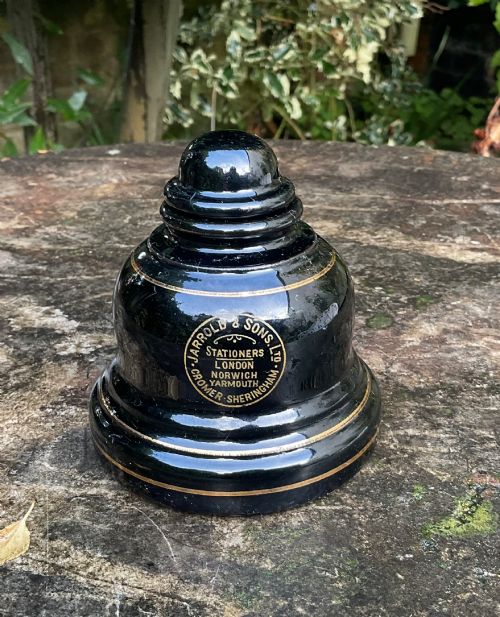
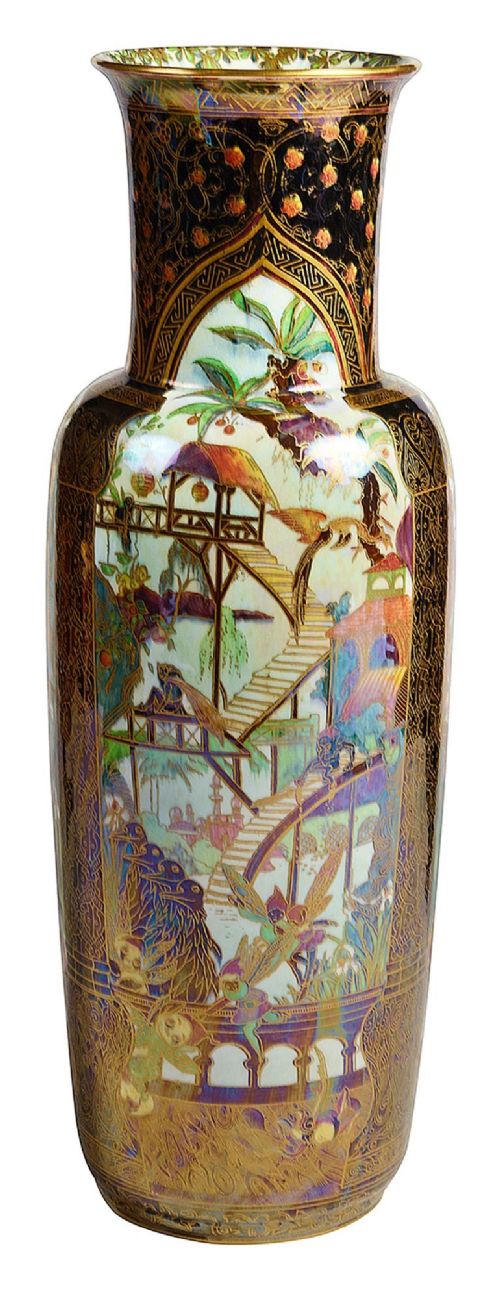
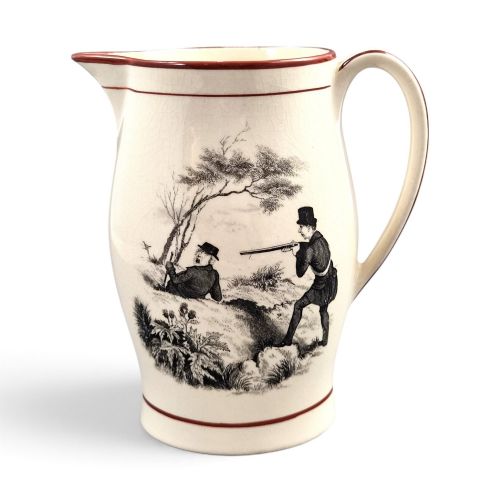
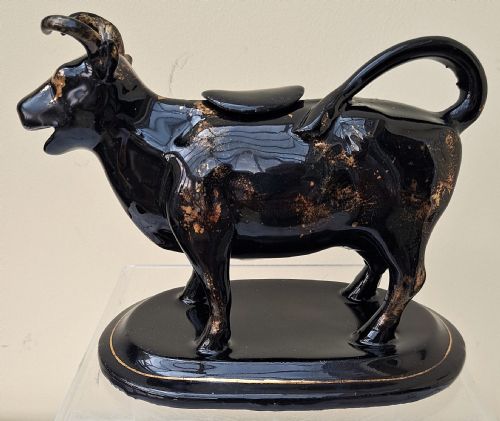
Black ceramic pottery brings together dark earthenware, transfer-printed jugs, basalt bodies and glazed wares spanning the Georgian, Victorian and twentieth-century periods. Buyers encounter items ranging from utilitarian vessels like milk jugs and loving mugs to decorative figures, tiles and vases.
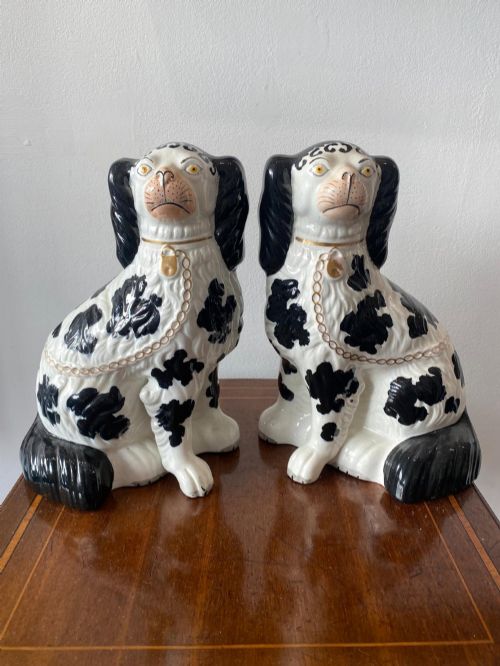
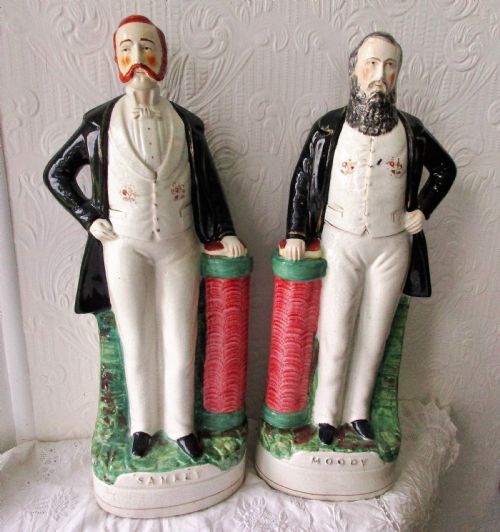
The selection leans toward nineteenth-century Staffordshire figures, transfer-printed creamware and Japanese Satsuma or Sumida Gawa ceramics, alongside European art pottery from the Art Nouveau and Art Deco movements. These pieces reflect diverse origins from English potteries to continental workshops and Japanese kilns.
Materials and production methods
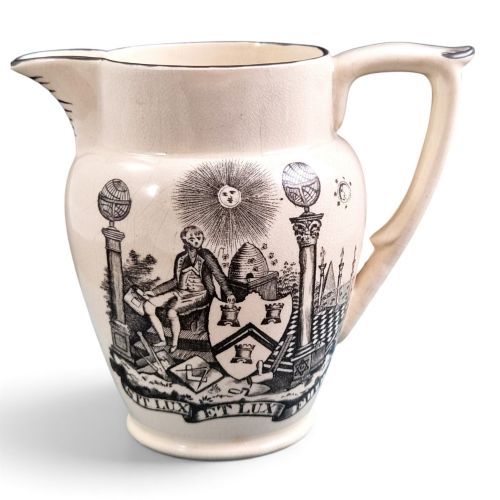
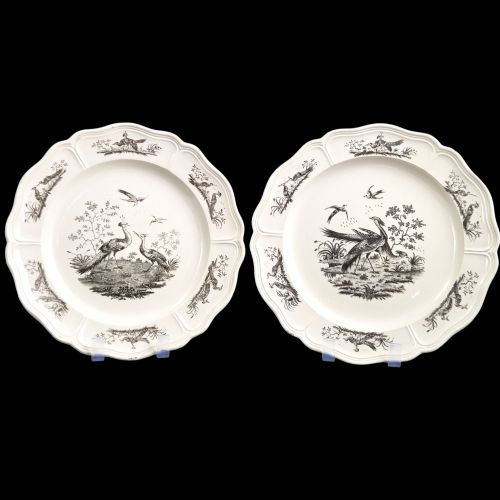
Makers utilised earthenware, creamware, porcelain and terracotta bodies, shaping them by hand, moulding or throwing on a wheel before applying glazes, enamels and metallic gilts. Transfer printing allowed intricate black designs such as hunting scenes or masonic motifs to be transferred onto the ceramic surface prior to firing.
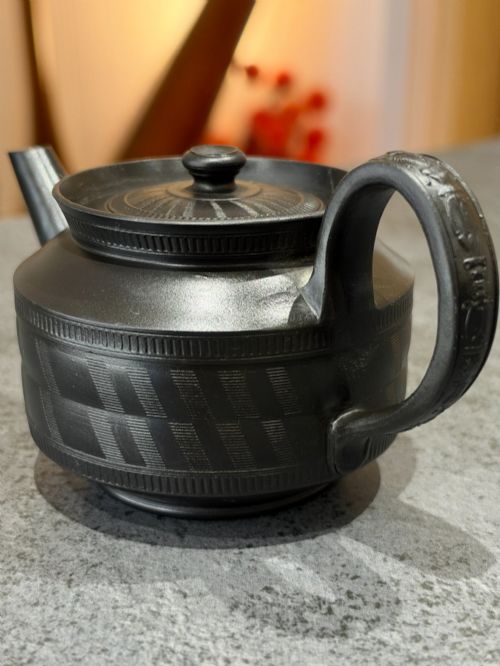
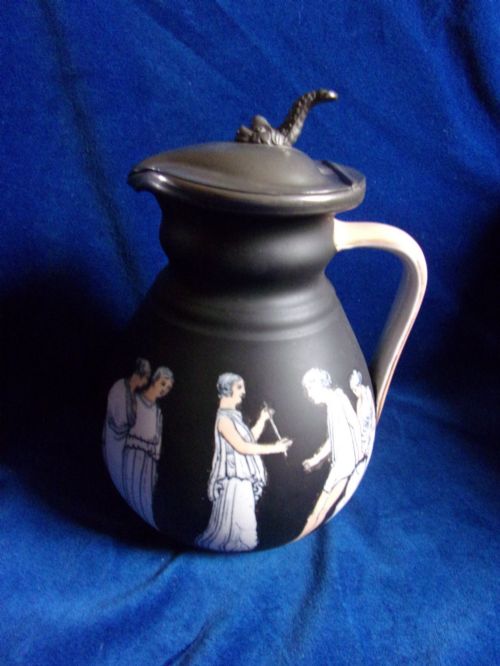
Specialised techniques included the dark unglazed stoneware known as black basalt, rich drip glazes, and applied sculptural figures characteristic of Japanese Sumida Gawa wares. Pewter lids and wooden bases were occasionally added to complete utilitarian and decorative vessels.
Black Ceramic Pottery Retail Price Guide 2026
Typical asking prices for black ceramic pottery among the pieces listed under this phrase on Sellingantiques today, from the lower quarter to the upper quarter. They describe what is for sale here now, not the wider market.
Several nineteenth-century loving mugs hide small ceramic frogs inside, ready to leap out at the drinker as the ale disappears.
Factors determining quality
Quality rests on the crispness of the moulding, the precision of transfer printing or hand painting, and the integrity of the glaze or enamel work. Finer pieces demonstrate careful attention to detail in facial expressions on figures and sharp definition in geometric or pictorial panels.
The reputation of the workshop or maker, whether Staffordshire potteries, Japanese studios or European artists, influences the standing of a piece. Condition, originality of components such as pewter lids, and the balance of the form distinguish superior examples from standard commercial output.
Daisy Makeig Jones·Inoue Ryōsai Workshop·Bernhard Bloch·Guido Cacciapuoti·Richard Ginori
The Black Ceramic Pottery Glossary
- Creamware
- A light-coloured refined earthenware perfected in Georgian England, notable for its pale yellow or cream tone.
- Basalt
- A fine-grained, unglazed black stoneware developed in the eighteenth century, prized for its smooth matte finish and sharp relief details.
- Transfer print
- A method of applying engraved decorative patterns to ceramics using a paper intermediary coated in pigment.
- Enamel
- Opaque vitreous composition fused to the ceramic body by heat to provide coloured decoration.
- Terracotta
- Unglazed or glazed fired clay of a brownish-red or earthy hue, utilised for sculptural figures and vessels.
Black Ceramic Pottery: Frequently Asked Questions
What is black basalt pottery?
Black basalt is a dense, unglazed stoneware body developed during the Georgian period that achieves its dark colour through iron and manganese oxides mixed into the clay body.
Makers prized this material for its ability to hold sharp, neoclassical relief details without requiring surface glazes or enamel paints.
How were transfer printed mugs used?
Transfer printed mugs and loving mugs served communal drinking functions at inns, celebrations and gatherings during the eighteenth and nineteenth centuries.
The inclusion of humorous elements like hidden ceramic frogs inside the vessels was designed to surprise drinkers as the liquid receded.
How can I distinguish Victorian pieces?
Victorian ceramics often display heavier ornamentation, rich transfer printing, or specific stylistic revivals such as neoclassical wine jugs and portrait figures.
Examining the base for impressed workshop marks, registration diamonds or specific regional traits helps anchor the piece within the nineteenth century.