

Black Cast Iron Hearth
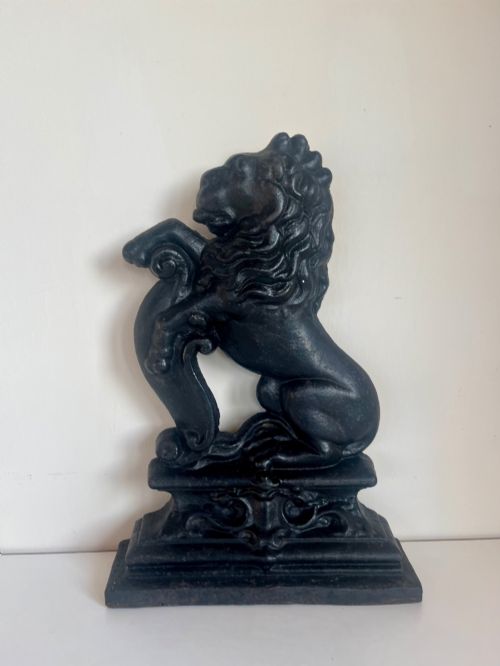
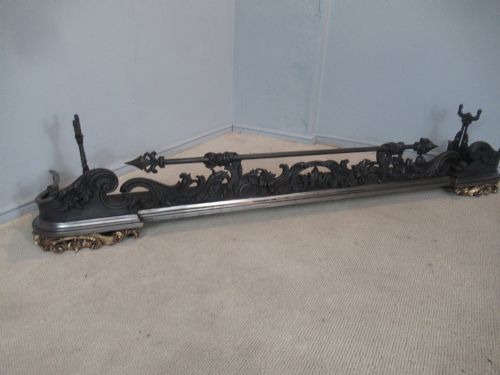
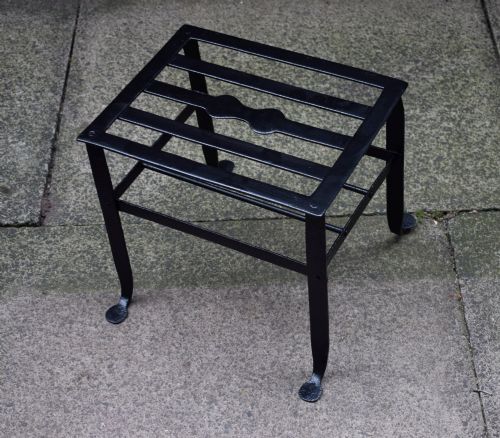
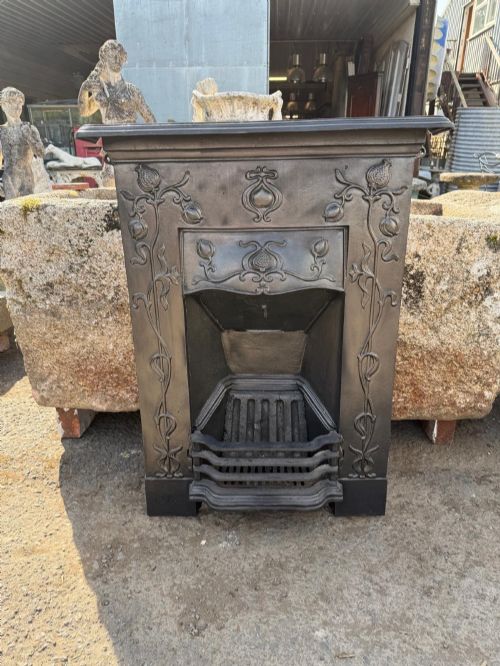
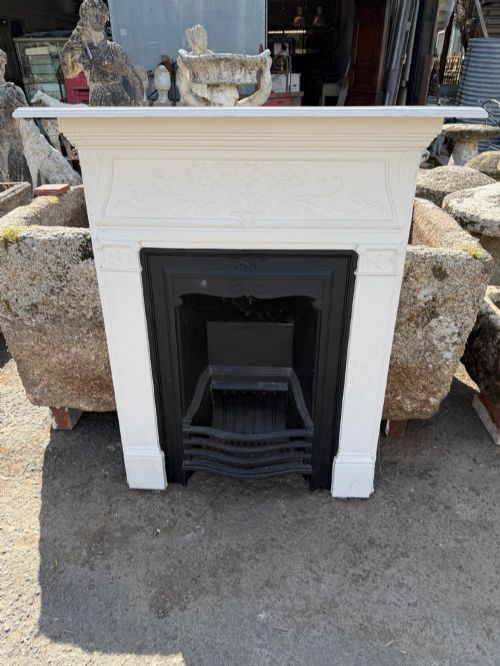
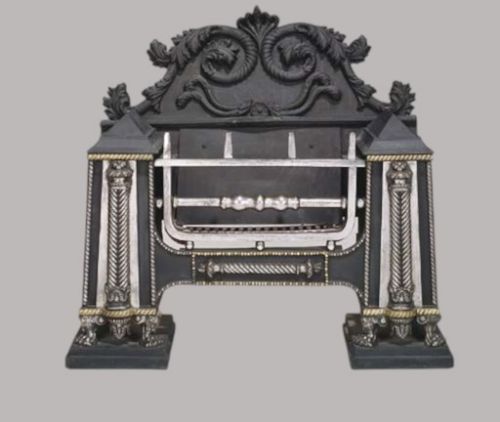
A black cast iron hearth anchors a room with heavy Victorian and Georgian fire baskets, grates, and heavy ironwork built for daily use.
Black Cast Iron Hearth
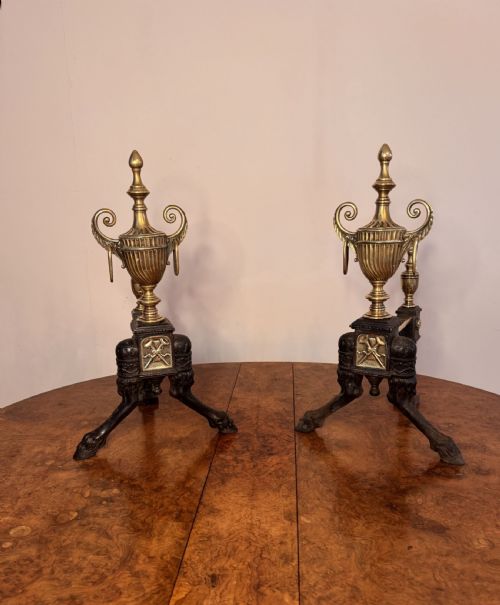
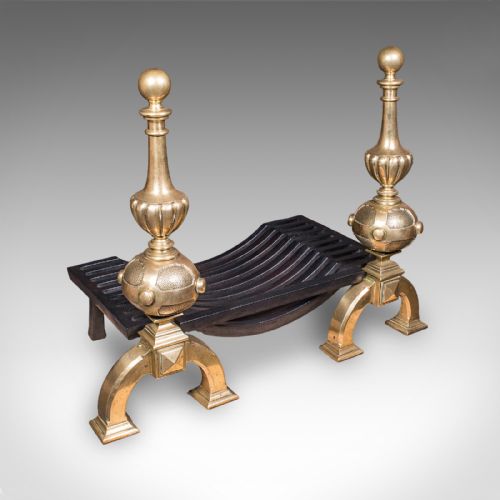
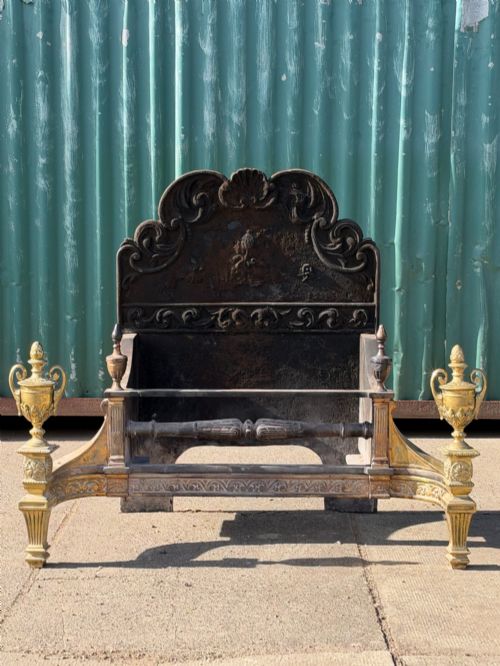
A black cast iron hearth encompasses essential fireplace furniture, primarily taking the form of fire baskets, grates, firebacks, and companion andirons dating from the Georgian, Victorian, and early twentieth-century periods. These pieces originate largely from English country houses and town residences, designed to sit within open chimneys or hearth openings.
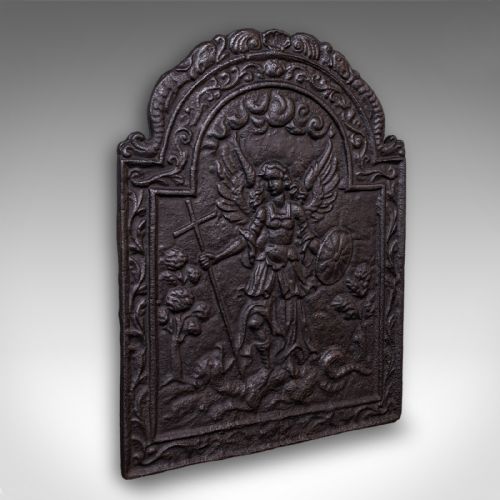
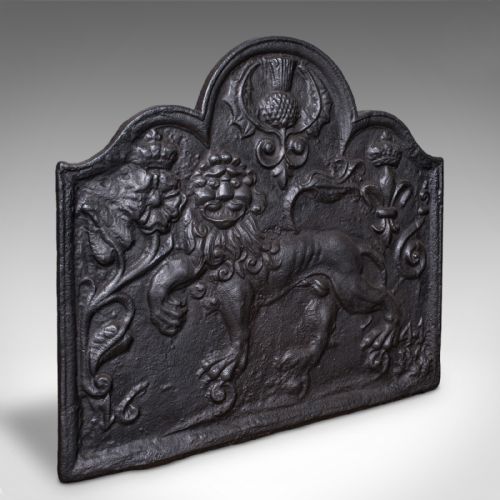
Buyers meet a diverse selection ranging from robust nineteenth-century combination fireplaces and relief firebacks to Arts and Crafts wrought iron fire baskets. The most common survivals combine heavy cast iron bodies with wrought iron components and brass details, built to manage coal or wood fires safely.
Craftsmanship and Proportion
Quality separates through the weight and thickness of the iron casting, where deeper relief moulding and crisper decorative details indicate superior foundry work. Heavy, thick-walled firebacks and solid grates show greater structural integrity under prolonged thermal exposure.
Proportion and architectural harmony define the finer pieces, particularly where Gothic Revival, Neoclassical, or Adams styles inform the design. Masterful hand-forging in wrought iron components adds refinement that distinguishes standard production items from exceptional workshop commissions.
Black Cast Iron Hearth Retail Price Guide 2026
Typical asking prices for black cast iron hearth among the pieces listed under this phrase on Sellingantiques today, from the lower quarter to the upper quarter. They describe what is for sale here now, not the wider market.
Some Victorian firebacks feature the Tree of Life motif, quietly wishing the household longevity while enduring centuries of blazing fires.
Coalbrookdale
The Black Cast Iron Hearth Glossary
- Fireback
- A heavy metal plate placed at the back of an open fireplace to reflect heat into the room and protect the masonry wall. They often feature cast relief decoration such as coats of arms or allegorical scenes.
- Andirons
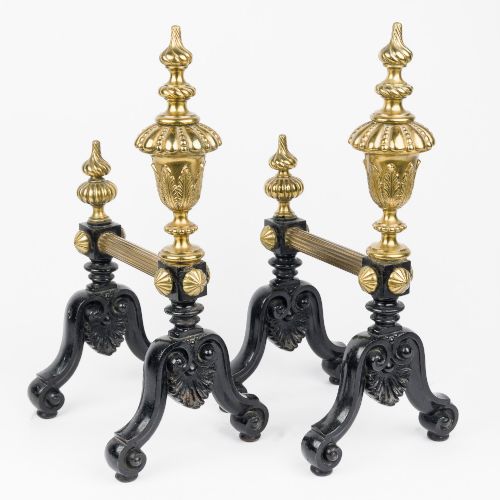
- Supporting metal bars or firedogs placed on either side of a hearth to hold logs above the floor of the fireplace for better air circulation. They frequently terminate in decorative brass or cast iron finials.
- Fire Basket
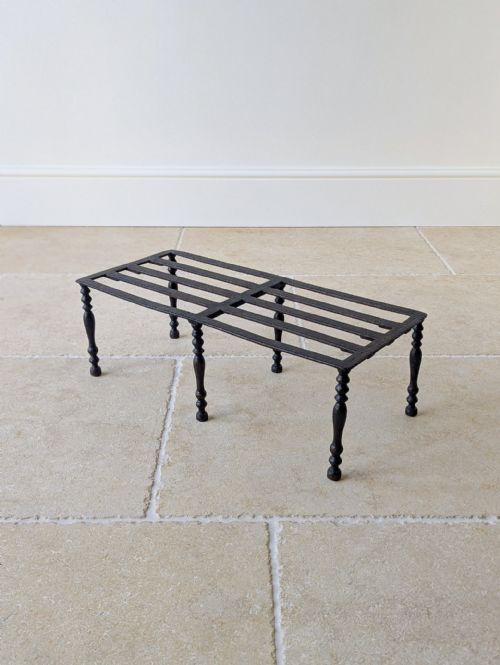
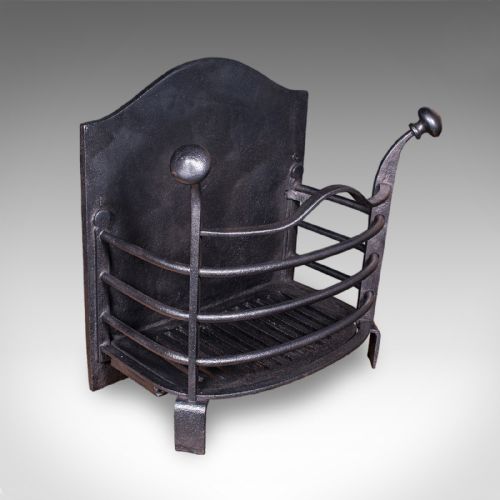
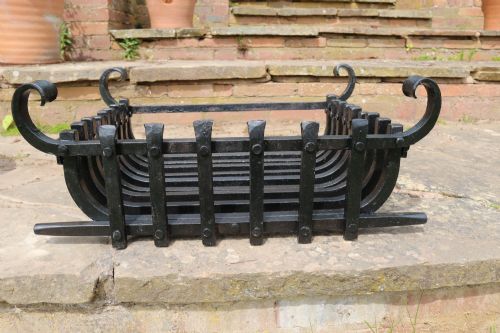
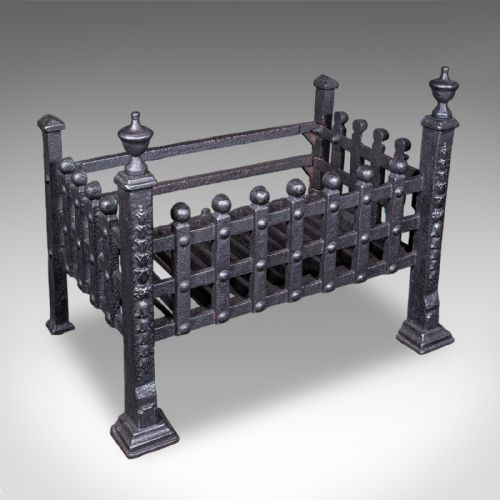
- An open metal container designed to hold coal or wood within a hearth opening. These units combine cast iron frames with wrought iron bars.
- Hob Grate
- A fireplace grate featuring flat elevated sides, or hobs, used for warming kettles and pots. This form became popular during the Georgian period.
- Register Grate
- A fireplace grate fitted with a movable flap or damper plate to control the draught up the chimney. They represent a significant shift towards regulated domestic heating efficiency.
Black Cast Iron Hearth: Frequently Asked Questions
What is a black cast iron hearth?
A black cast iron hearth refers to the collection of heavy iron fire grates, baskets, and firebacks used in traditional fireplaces. These pieces were manufactured to burn coal or wood efficiently while radiating heat into the living space.
Most surviving examples date from the Georgian and Victorian eras, reflecting the industrial capabilities of period foundries. They remain functional centrepieces for period properties and traditional interiors.
How do I choose the right size fire basket?
Selecting a fire basket requires precise measurement of the hearth opening width, depth, and height. The basket must leave adequate clearance around the sides and back for safe airflow and heat management.
Consider the scale of the fireplace surround to ensure the visual weight of the ironwork matches the mantel. Larger inglenook settings accommodate heavy, wide grates and substantial andirons.
How do I care for cast iron hearth items?
Maintaining cast iron involves regular dusting and the occasional application of specialised grate polish or black lead to prevent rust. Keeping the metal dry and free of ash prevents moisture retention and surface pitting.
Avoid using harsh chemical cleaners that strip the protective dark finish. Gentle brushing maintains the historic matte appearance of the iron.
How do I tell Victorian grates from Georgian ones?
Georgian grates typically exhibit refined Neoclassical lines, bright steel elements, and lighter proportions suited to smaller coal fires. Victorian pieces often display heavier cast iron construction, darker finishes, and bolder decorative revivals like Gothic or Arts and Crafts.
Examining the casting quality, fastening methods, and overall heft helps determine the manufacturing period. Foundry marks and patent numbers, when present, offer precise dating clues.