

Black Carved Stand
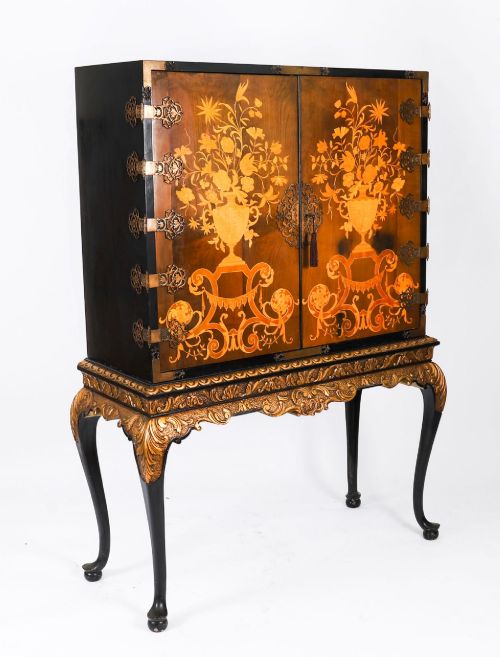
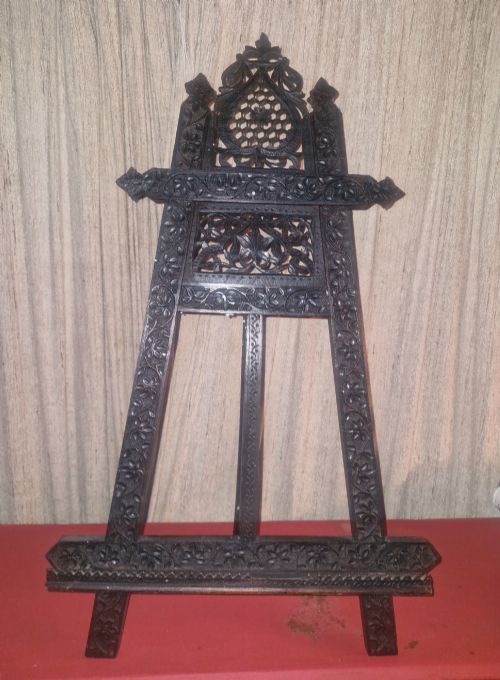
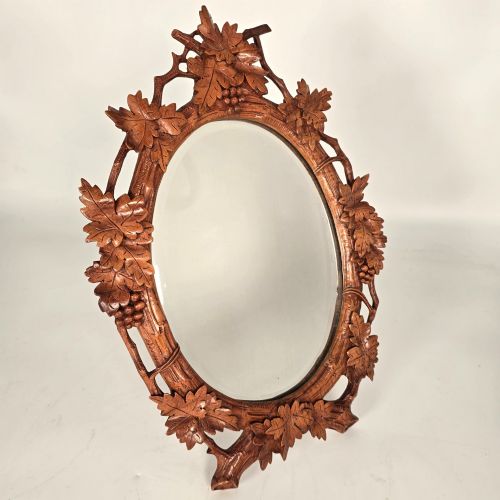
A black carved stand brings dark, sculptural timber and intricate chip-carving into a room, serving as a striking perch for plants or ornaments.
Black Carved Stand
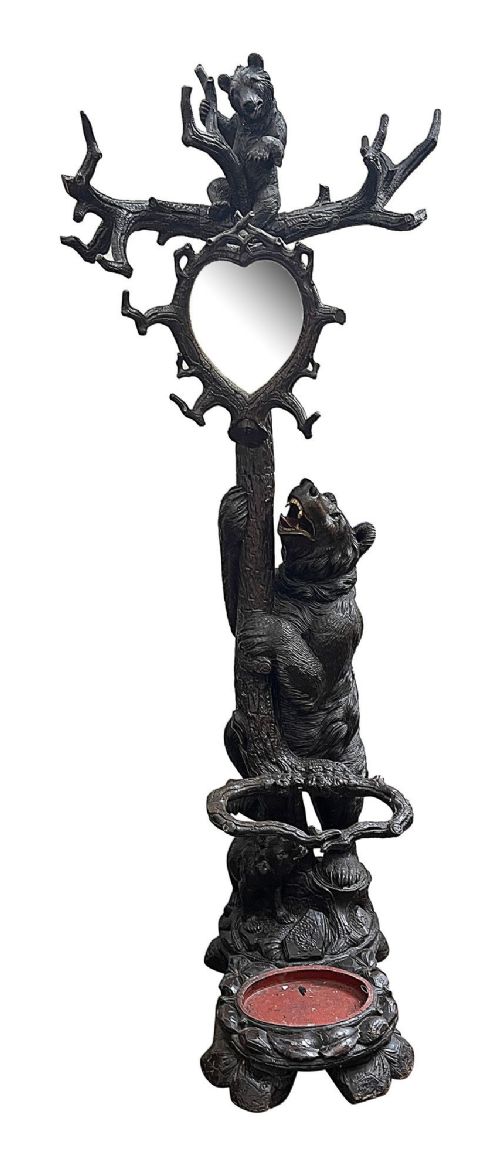
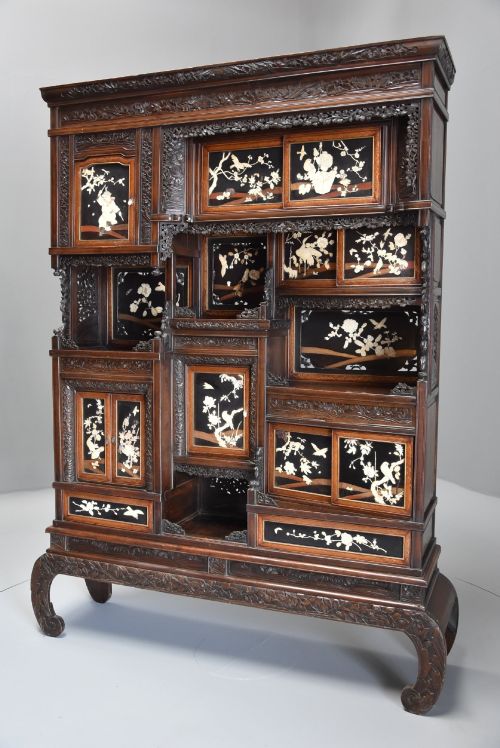
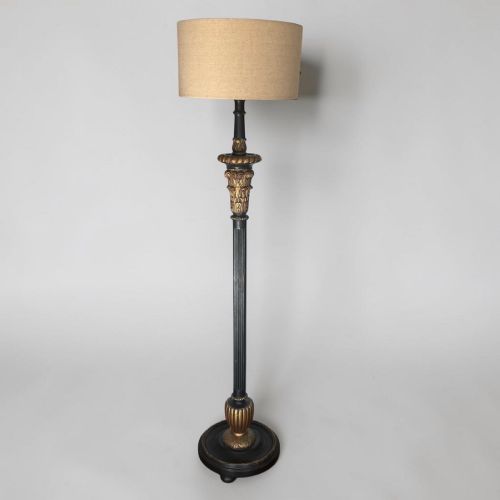
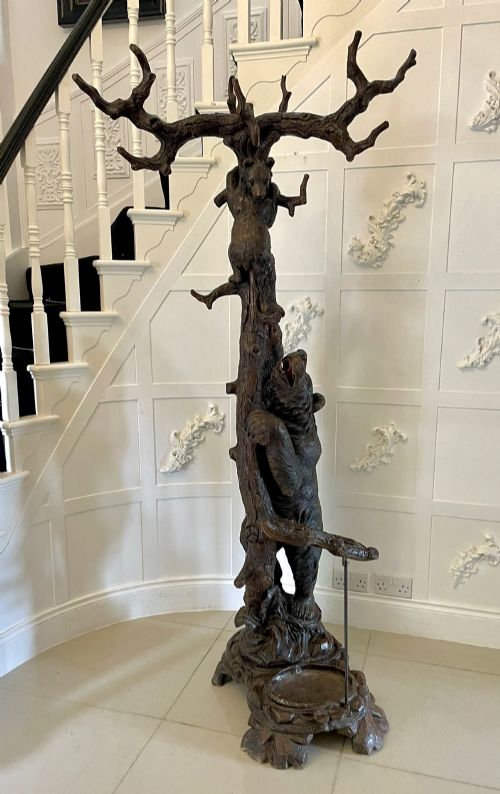
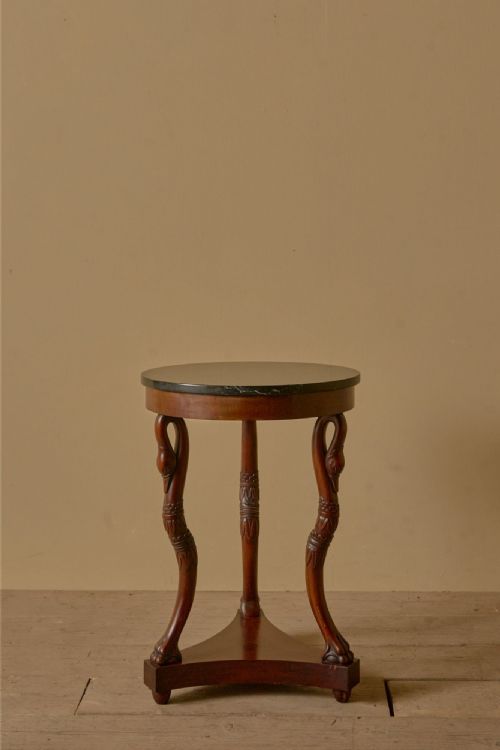
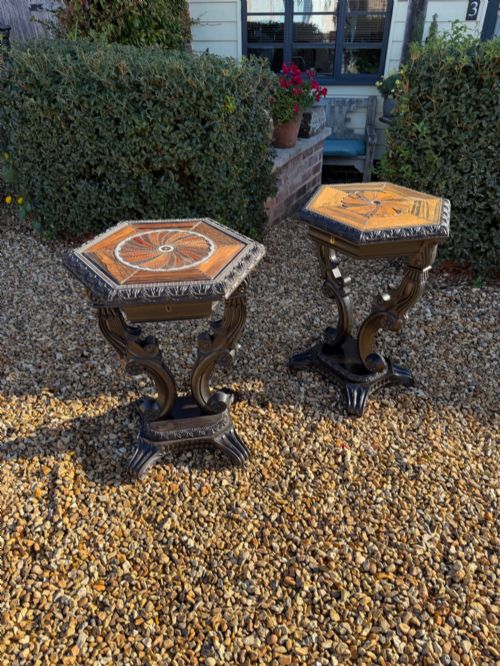
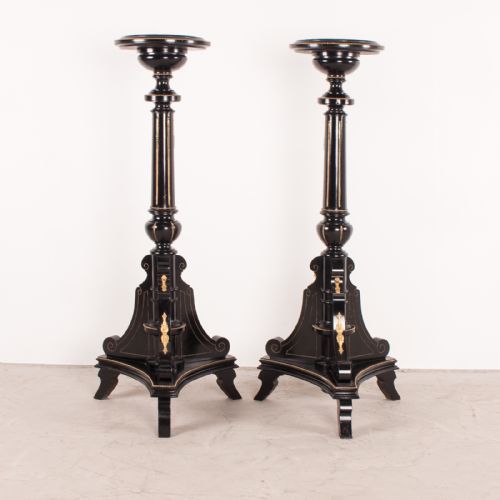
A black carved stand encompasses a broad assortment of dark wooden furnishings designed to support plants, lamps, or decorative objects within a room. When exploring this selection, buyers frequently encounter Black Forest bear hall stands, Anglo-Indian torchieres, and oriental hardwood vase pedestals.
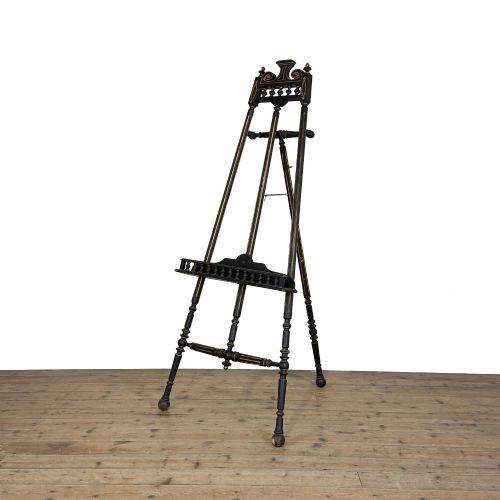
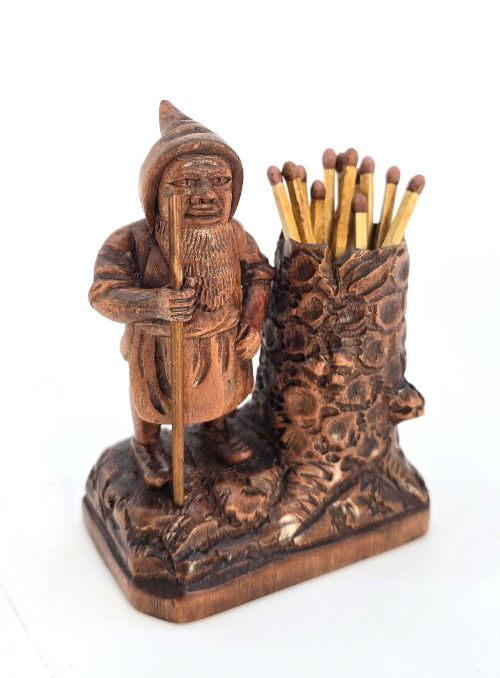
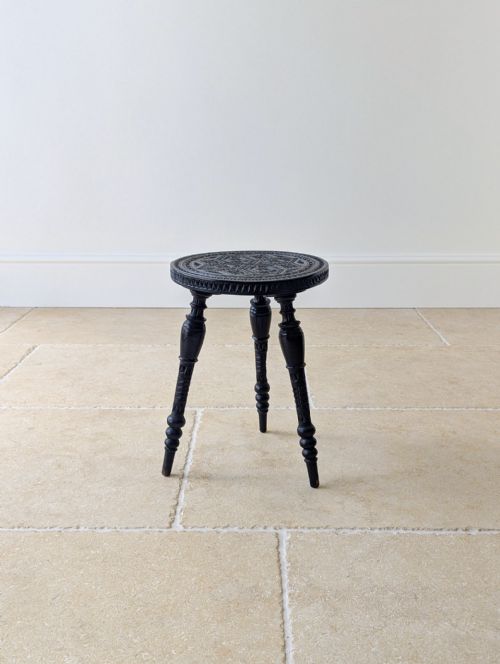
These pieces cross numerous periods, spanning from the seventeenth century through the Victorian era and into the early twentieth century. Forms range from towering umbrella stands and floor-standing easels to compact occasional tables and chip-carved match holders.
Regional carving traditions heavily dictate the character of these items, blending European alpine motifs with Eastern lacquerwork and colonial hardwoods. The selection reflects global trade and diverse domestic tastes across the nineteenth and twentieth centuries.
Materials and construction
Makers utilised dense timbers such as limewood, ebony, walnut, and various imported hardwoods to achieve deep, durable relief carving. Ebonised finishes and black lacquer were frequently applied to softer woods or layered over intricate gilt decoration.
Manual chip-carving, piercing, and turning defined the production process, allowing artisans to render realistic animal figures, foliage, and geometric patterns. Joinery combined traditional pegging with applied mouldings, particularly on larger cabinets and pedestals.
Black Carved Stand Retail Price Guide 2026
Typical asking prices for black carved stand among the pieces listed under this phrase on Sellingantiques today, from the lower quarter to the upper quarter. They describe what is for sale here now, not the wider market.
Several items feature carved owls serving as functional bookends, inkwells, and letter stands.
Distinctions in quality
The degree of anatomical realism and depth in the hand-carved elements separates standard workshop output from exceptional exhibition pieces. Crispness of line in chip-carved surfaces and the preservation of original lacquer or ebonised finishes dictate the visual impact.
Structural integrity within load-bearing parts, such as the legs of hall stands and torchieres, distinguishes sound examples from those compromised by past weight or dryness in the timber.
Henry Ogden And Son
The Black Carved Stand Glossary
- Ebonised
- Wood treated with stain, paint, or chemical processes to imitate the dark, dense appearance of ebony. This finish gained immense popularity during the Victorian and Aesthetic Movement periods.
- Torchere
- A tall, slender stand or candlestick designed to elevate a light source or decorative object. In these listings, they frequently appear as heavily carved wooden columns.
- Chip-carving
- A style of relief carving where small triangles or chips are removed from a flat surface to create geometric patterns. It is commonly found on nineteenth-century occasional tables and smaller accessories.
- Lacquer
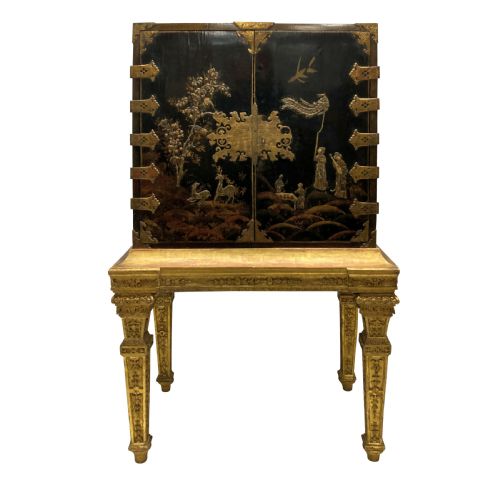
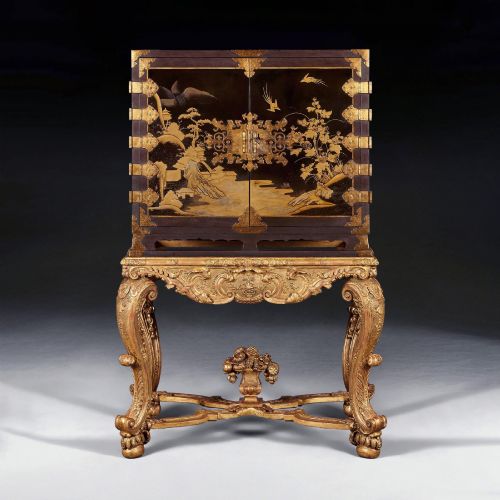
- A durable resin finish applied in multiple layers to wood and polished to a smooth sheen. Asian and European iterations often incorporate gilt detailing or inlaid mother-of-pearl.
Black Carved Stand: Frequently Asked Questions
What is a Black Forest stand?
A Black Forest stand is a piece of carved wooden furniture, often featuring bears or woodland flora, originating from the Swiss and German border regions during the nineteenth century.
These items were hand-carved from lime or walnut and typically served practical functions as umbrella holders, hall stands, or small tables.
How are ebonised stands cleaned?
Ebonised stands require gentle dusting with a soft, dry cloth to prevent abrasion to the dark surface finish. Avoid modern liquid polishes, as they can build up a greasy residue over the old timber and lacquer.
Where were Anglo-Indian stands made?
Anglo-Indian stands were produced in the Indian subcontinent during the nineteenth century, blending British furniture forms with traditional local carving techniques. Artisans utilised dense exotic hardwoods to create deeply pierced floral and animal motifs.
These pieces were exported to British homes seeking exotic, highly decorative furnishings for drawing rooms and halls.
How do I date a carved stand?
Dating a carved stand involves examining the timber species, the style of the hand-carving, and the nature of the finish. Victorian pieces often display heavy chip-carving or naturalistic animal figures, while seventeenth-century examples rely on distinct lacquerwork and joinery.
Comparing the object's form against documented exhibition pieces and period catalogues provides further chronological clarity.