

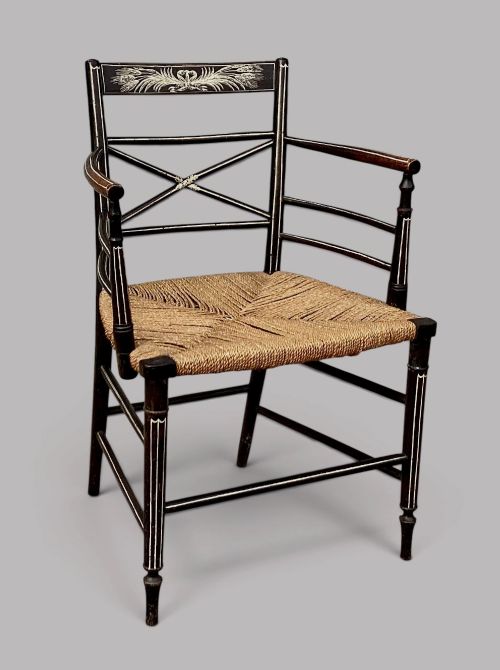
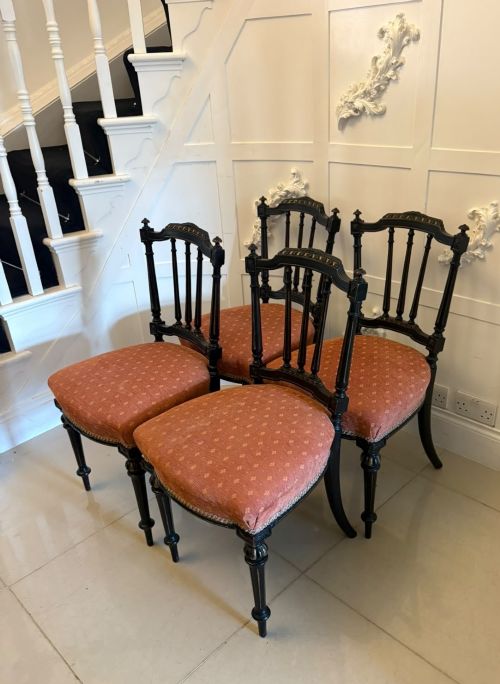

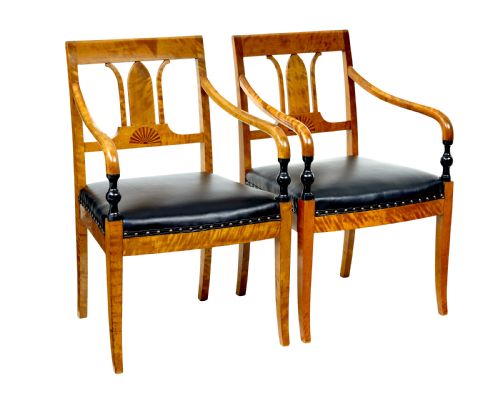
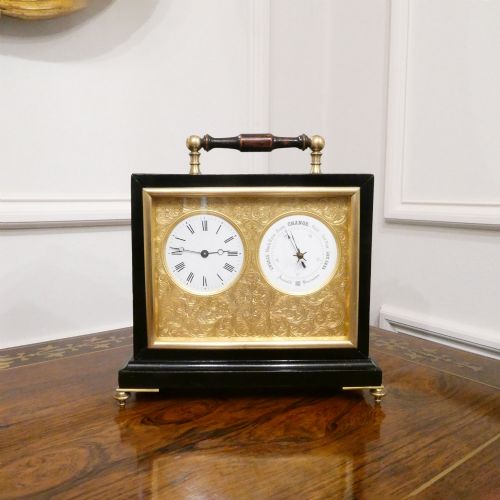


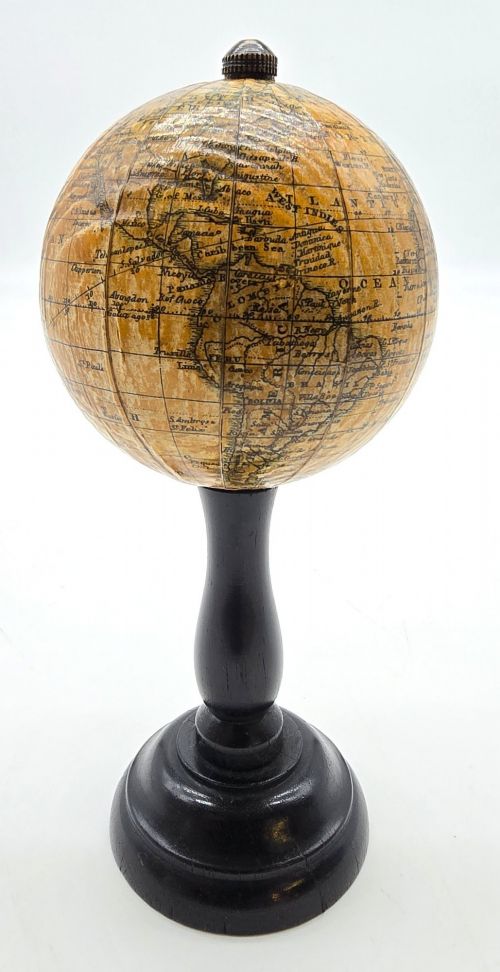
Black and Wood Desk
A black and wood desk combines dark ebonised or ebony timber with lighter wood contrasts, offering a practical workspace with distinct period character.
Black and Wood Desk
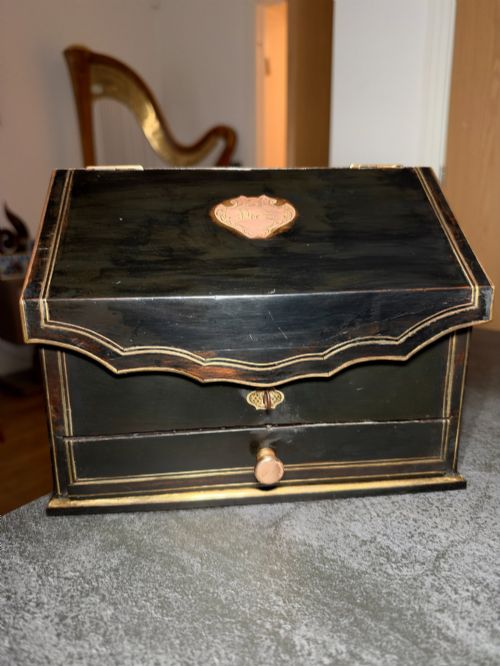
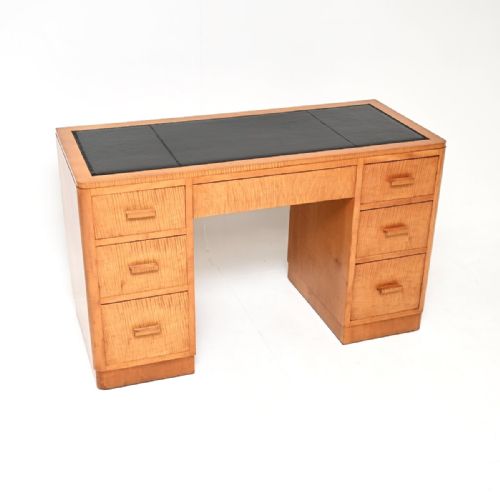
A black and wood desk encompasses pedestal tables, kneehole writing furniture and writing boxes produced across the nineteenth and twentieth centuries. These pieces reflect diverse aesthetics ranging from Victorian ebonisation to Art Deco satin birch.
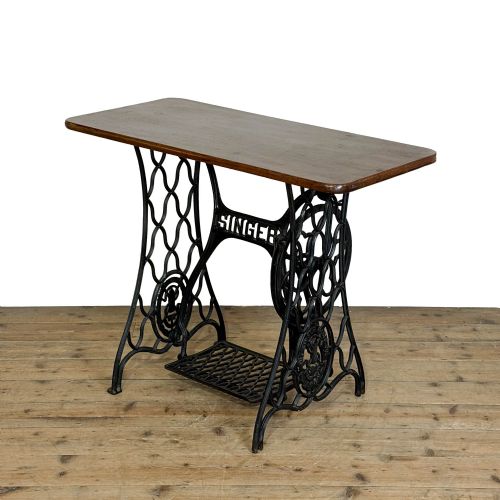
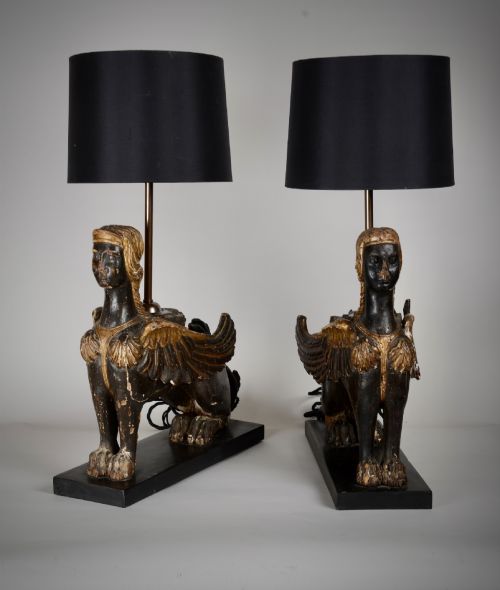
The materials span solid ebonised wood, elm, birch, and exotic timbers combined with brass, glass, and leather top surfaces. Makers applied dark finishes to create striking contrasts with natural wood grains and carved details.
Examples from this selection include pedestal desks and miniature desk accessories that integrate dark wooden structures with contrasting lighter surfaces. Such items demonstrate the broad interpretation of dark wood and black finishes in historical workspace furniture.
Materials and Construction
Construction relies on timbers such as birch, oak, elm, and linden wood, often subjected to ebonisation processes to simulate costly ebony. Artisans combined these dark surfaces with lighter woods like satin birch or mahogany to establish visual depth.
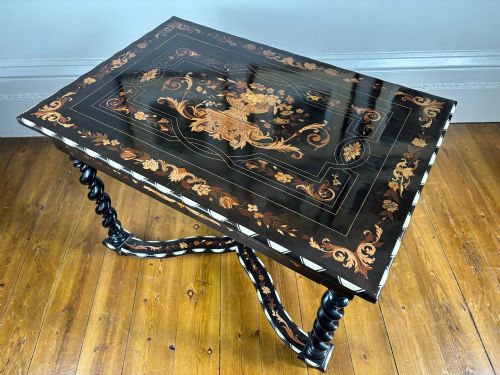
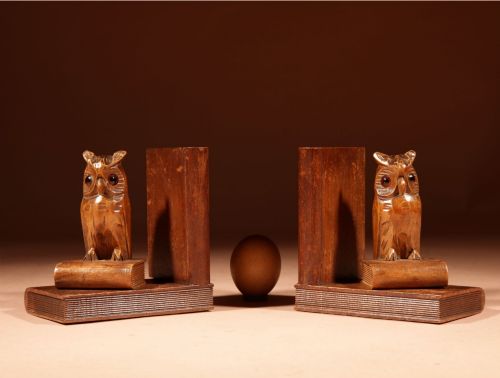
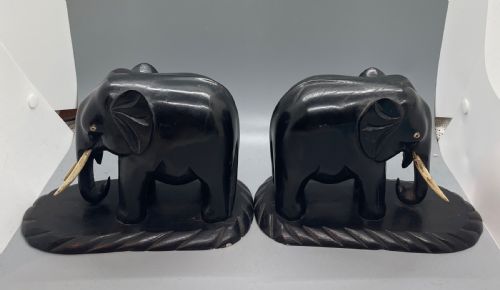
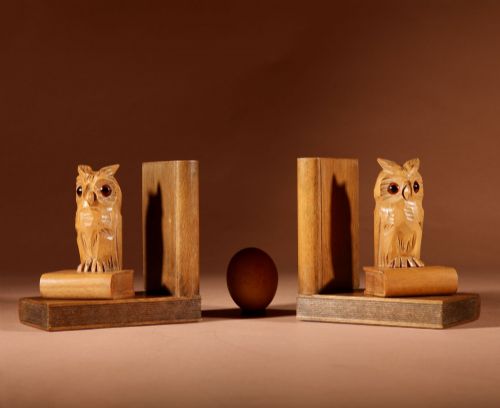
Carving and marquetry techniques defined decorative elements, particularly in Black Forest items and Dutch ebonised pieces incorporating bone inlay. Metal components such as brass fittings and leather writing surfaces completed the structural assembly.
Black and Wood Desk Retail Price Guide 2026
Typical asking prices for black and wood desk among the pieces listed under this phrase on Sellingantiques today, from the lower quarter to the upper quarter. They describe what is for sale here now, not the wider market.
Standard and Craftsmanship
Quality rests in the precision of the timber joinery and the depth of the ebonised finish applied to the wood. Superior items maintain integrity in structural framing and retain original hardware without excessive surface wear.
Detailing in carved wood elements and the crispness of marquetry or inlay work distinguish finer examples from standard production pieces. The selection of contrasting woods also influences the visual cohesion of the finished article.
Morris & Co·Philip Webb·Bergen & Co·Jones
The Black and Wood Desk Glossary
- Ebonised Wood
- Timber treated with stain or paint to imitate the dark, dense appearance of ebony. This technique was widespread in nineteenth-century furniture production.
- Marquetry
- The art of applying pieces of veneer to a structure to form decorative patterns. Craftsmen utilised various wood tones to build pictorial designs.
- Linden Wood
- A pale, fine-grained timber frequently utilised for intricate carving. It served as a primary medium for nineteenth-century animal figures and decorative objects.
- Pedestal Desk
- A freestanding writing table supported by two pedestals of drawers. These units provide substantial storage alongside a dedicated top surface.
Black and Wood Desk: Frequently Asked Questions
What defines a black and wood desk?
These items unite dark ebonised surfaces with natural wood elements, encompassing pedestal formats and writing tables.
They reflect manufacturing traditions from the Victorian era through the Art Deco period.
How do I care for ebonised wood?
Maintain the finish by dusting with a soft, dry cloth and avoiding direct sunlight.
Keep humidity levels stable to prevent timber movement and cracking in the joints.
What periods do these desks represent?
The selection spans the nineteenth and early twentieth centuries, including Victorian and Art Deco examples.
Craftsmen during these eras utilised contrasting dark and light woods for functional workspace items.
Where were these pieces made?
Origin locations include Britain, Germany, Switzerland, and Scandinavia, reflecting diverse regional workshop traditions.
Different areas favoured specific carving techniques and timber combinations.