

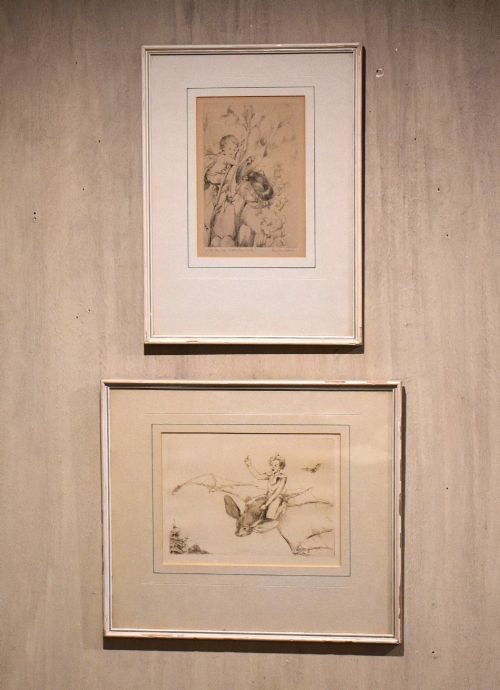

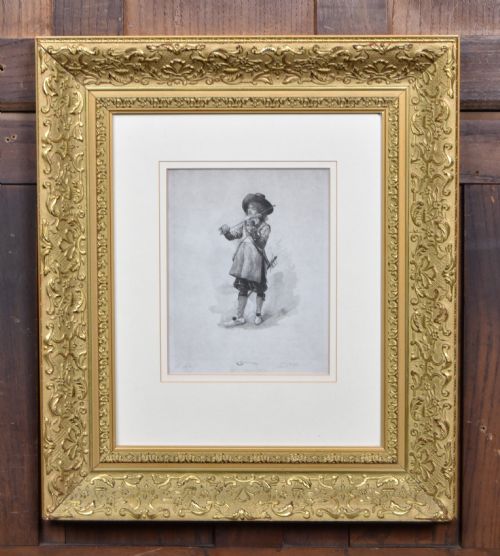
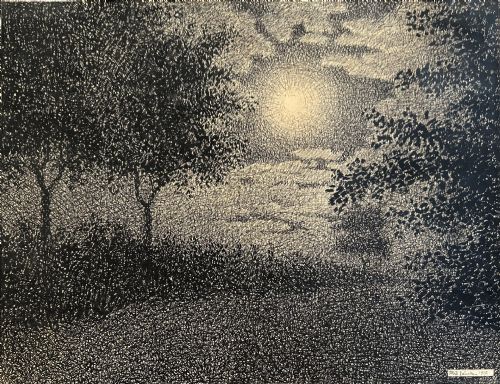
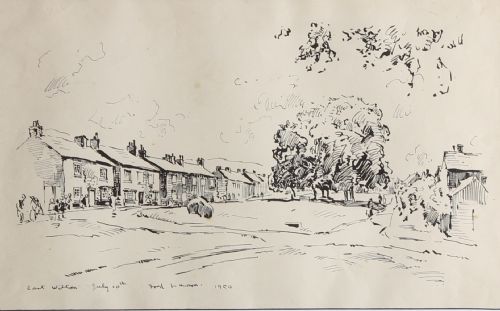


Black and White Illustration
When you handle a black and white illustration, you hold works on paper and copperplate engravings that capture centuries of draftsmanship.
Black and White Illustration
A black and white illustration encompasses framed prints, drawings, etchings, and decorative plates spanning from the eighteenth century to the mid-twentieth century.
The material ranges from ink and paper drawings to copperplate engravings and glazed ceramic earthenware.
Early examples include detailed architectural renderings and anatomical figures, alongside nineteenth century literary engravings and mid-century modern British works.
Materials and technique
Makers utilised ink upon paper for original drawings, while printmakers employed copperplate engraving techniques to produce detailed monochrome editions.
Framed works often incorporate wood, glass, and gold leaf or gilt frames to protect the paper within.
Ceramic plates feature glazed surfaces decorated with transfer-printed monochrome designs.
Black and White Illustration Retail Price Guide 2026
Typical asking prices for black and white illustration among the pieces listed under this phrase on Sellingantiques today, from the lower quarter to the upper quarter. They describe what is for sale here now, not the wider market.
Several eighteenth-century Greek and Roman wind gods caught on paper still keep a steady architectural draft from Athens across the centuries.
Distinguishing quality
The crispness of the ink line and the depth of the plate mark on engravings separate fine impressions from worn later printings.
The precision of the draughtsmanship, whether in architectural detail or anatomical depiction, defines the standing of an individual sheet.
Condition of the paper surface and the fidelity of the framing materials contribute to the overall integrity of the piece.
Fred Lawson·Herbert Dicksee·Gustave Doré·Clare Leighton·James Basire·Edward Rooker
The Black and White Illustration Glossary
- Etchings and Prints
- Works produced by scratching a design through a ground on a metal plate, which is then acid-bitten and inked for printing. This technique allows for fine, fluid lines.
- Copperplate Engravings
- Images incised directly into a copper sheet with a burin tool before being pressed onto paper. The resulting lines possess a sharp, distinct clarity.
- Queen's Ware
- Cream-coloured earthenware developed by Wedgwood in the eighteenth century. It forms the ceramic base for decorated transfer-printed plates.
- Works on Paper
- A category encompassing original ink drawings, watercolours, and printed sheets. These items require careful preservation away from direct sunlight.
Black and White Illustration: Frequently Asked Questions
How do I care for old drawings?
Keep paper works away from direct sunlight to prevent fading of the ink and yellowing of the sheet. Ensure frames maintain a barrier between the paper and the glass.
Store or display them in stable humidity conditions to avoid warping or foxing spots on the paper.
What is a copperplate engraving?
An engraving is created when an artist cuts lines directly into a metal plate using a sharp tool called a burin. Ink is applied to the plate, wiped from the surface, and transferred under pressure to paper.
This process produces sharp, enduring monochrome lines that define historical illustration.
How are architectural prints dated?
Dating relies on stylistic evidence from the period, publisher imprints, and paper characteristics. Eighteenth-century plates often record classical ruins with distinct typographic captions.
Comparison with documented folios provides further confirmation of the publication era.
Can ceramic plates be used daily?
Antique earthenware plates with glazed surfaces function primarily as decorative wall art or cabinet pieces. Modern daily use can compromise the antique glaze and the underlying ceramic body.
Displaying them securely protects both the earthenware and the printed decoration.