





Bisque Figure Statue
When you search for bisque figure statue, you discover unglazed ceramic sculptures and figures designed to bring classical elegance and delicate detail into nineteenth-century domestic interiors.
Bisque Figure Statue
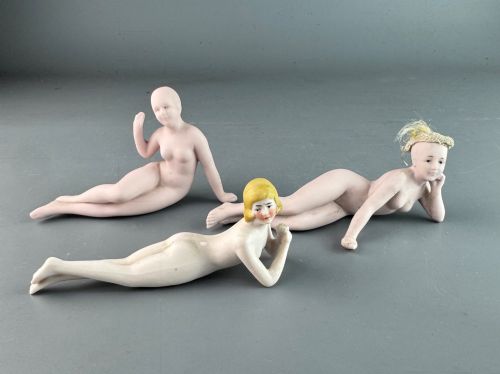
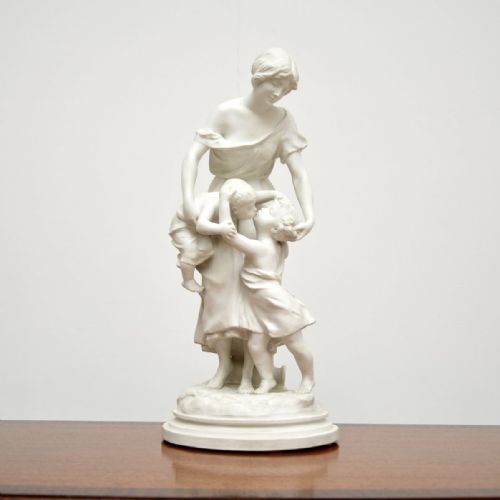
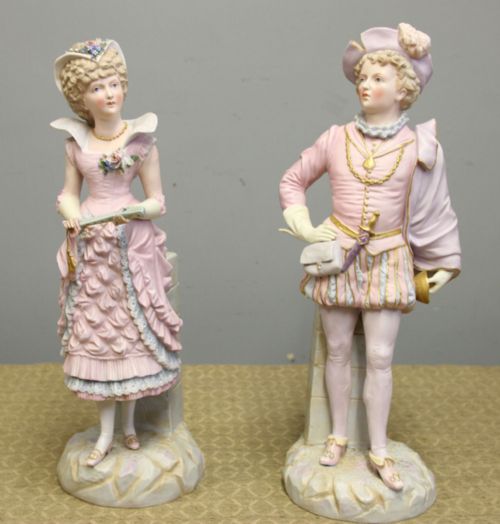
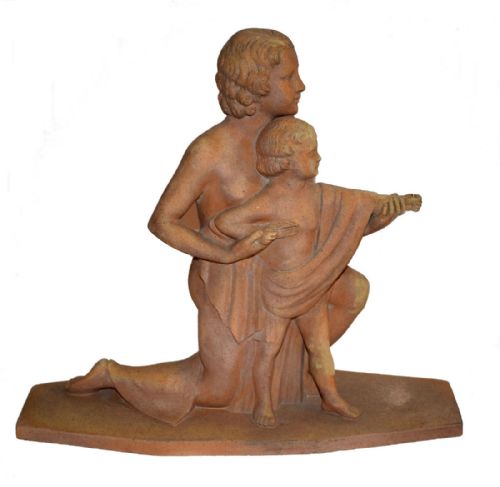
A bisque figure statue represents unglazed ceramic sculpture, often referred to as biscuit or parian porcelain, designed primarily for decorative display on mantelpieces, consoles and drawing-room tables. When you search for this phrase on this page, you encounter Victorian neoclassical studies, romantic French pairs and late nineteenth-century portrait busts.
The objects span simpler utilitarian models of children and fisher folk as well as large-scale gallery reductions after famous classical marbles. English factories and French potteries dominate the output, capturing human forms, mythological subjects and allegorical groups with soft, matte surfaces.
The majority date from the nineteenth century, ranging from mid-century neoclassical interpretations through to late Victorian piano babies and early twentieth-century decorative groups. Figures of young women, literary heroines and peasant labourers recur frequently across both English and continental European production.
How they were made
Makers produced these pieces using finely ground ceramic clay poured into multi-part plaster moulds, which allowed them to capture intricate drapery, hair and facial expressions before firing. Unlike glazed porcelain, this ware underwent a primary firing to biscuit state, leaving the ceramic porous and matte with a texture akin to carved marble.
Certain works incorporated secondary decorative treatments, adding touches of enamel, paint or gold leaf to highlight jewellery, borders or garment edges. Parian porcelain employed a specialised low-firing vitreous formula containing a high proportion of feldspar, which melted during the kiln process to yield a semi-translucent body resembling fine marble.
Bisque Figure Statue Retail Price Guide 2026
Typical asking prices for bisque figure statue among the pieces listed under this phrase on Sellingantiques today, from the lower quarter to the upper quarter. They describe what is for sale here now, not the wider market.
Piano babies were originally perched on music cabinets so nervous Victorian pianists had something to gaze at during tense parlour recitals.
What varies in quality
Scale and ambition also dictate the standing of a piece, separating small factory figures from monumental exhibition-standard groups modelled by recognised sculptors. The quality of the porcelain body itself, particularly the smooth, even grain of parian ware, determines whether a statue achieves a convincing marble-like presence.
Luca Madrassi·Letu and Mauger·Minton·Vion and Baury·Chantilly·Copeland·Royal Dux·Turn
The Bisque Figure Statue Glossary
- Bisque porcelain
- Unglazed ceramic ware that has been fired once, valued for its matte, porous surface resembling marble.
- Parian porcelain
- A fine-grained, self-glazing white ceramic developed in England to imitate carved marble statuary.
- Piano baby
- A decorative ceramic figure placed on the top of a piano in Victorian parlours, typically depicting infants or young children in playful poses.
- Biscuit porcelain
- An alternative term for unglazed ceramic, widely used in continental European and English manufactories during the nineteenth century.
Bisque Figure Statue: Frequently Asked Questions
How do I clean bisque porcelain safely?
Because bisque ware is unglazed and porous, it absorbs moisture and dirt easily. Dust the surface gently with a soft, dry brush rather than using water or chemical cleaners.
For stubborn marks, a dry artist's sponge or natural rubber eraser can lift surface grime without dampening the delicate ceramic body.
What is the difference between bisque and parian?
Bisque refers generally to any unglazed porcelain fired once to a matte finish. Parian is a specific nineteenth-century porcelain formula containing high feldspar content that vitrifies partially during firing.
Parian yields a heavier, denser body with a subtle translucency that closely mimics carved white marble, whereas standard bisque tends to be more opaque and chalky in appearance.
Where were these figures displayed originally?
In nineteenth-century homes, these sculptures occupied prominent positions in the formal reception rooms. Owners placed them on mantelpieces, side tables and enclosed cabinets where visitors could admire their classical subjects.
Smaller examples, such as piano babies, sat atop upright pianos as domestic ornaments during the late Victorian era.
How can I tell a French figure from an English one?
French figures often favour romantic subjects, pastoral groups and gilt or enamelled accents, frequently carrying impressed foundry marks from Paris makers. English production, particularly parian ware, leans towards classical mythology, literary heroines and portrait busts.
Examining the base and any factory stamps provides the clearest indication of national origin and manufacturer.