




Birmingham Art Glass
Birmingham art glass brings together sterling silver mounts and brilliant glass or crystal from the early twentieth century.
Birmingham Art Glass
When you search for birmingham art glass, you are looking at functional and decorative vessels created during the Art Nouveau and Art Deco periods. These pieces combine glass bodies with British silver hallmarks struck in the Midlands.
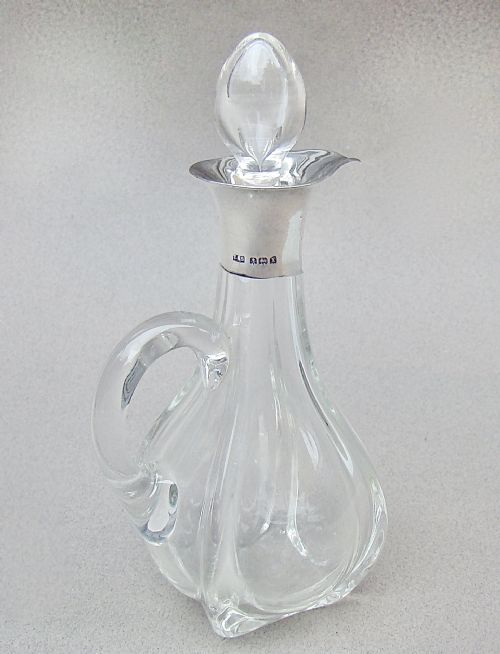
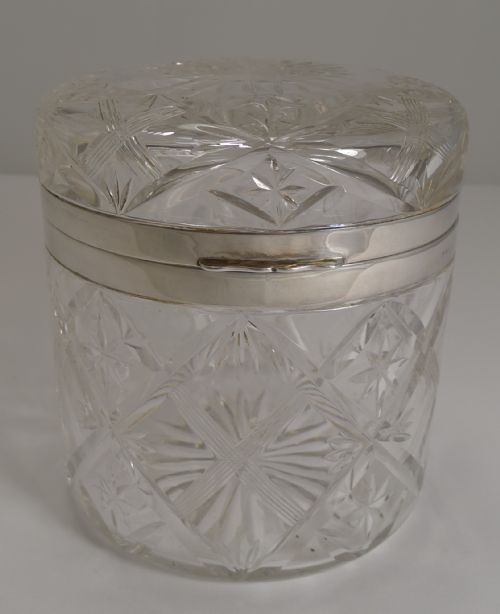
The most common examples on this page are dressing table items and glassware, including vanity jars, perfume bottles, scent bottles, and cruet bottles. They bridge the gap between silversmithing and glass production.
Originating predominantly from the nineteen twenties and nineteen thirties, alongside earlier 1900 examples, these objects reflect the changing design tastes from flowing organic lines to geometric patterns.
Materials and Construction
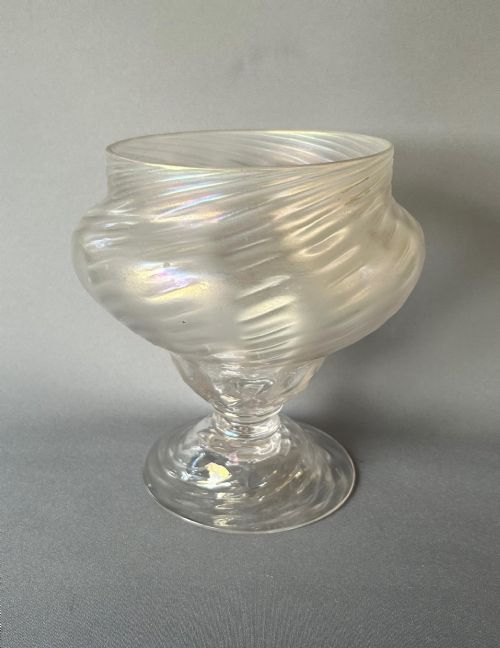
Makers utilised blown glass, cut glass, cut crystal, and amethyst glass as the primary bodies for these vessels. Iridescent glass also appears, showing lustrous surface sheens characteristic of early twentieth-century glasshouses like Walsh Walsh.
Silversmiths fitted these glass bodies with sterling silver mounts, often decorated with guilloche enamel or coloured enamel details. The metalwork was stamped with Birmingham assay office marks to guarantee the silver standard.
Birmingham Art Glass Retail Price Guide 2026
Typical asking prices for birmingham art glass among the pieces listed under this phrase on Sellingantiques today, from the lower quarter to the upper quarter. They describe what is for sale here now, not the wider market.
Glug glug decanters earned their charming name from the literal bubbling sound they make when pouring your evening tipple.
Assessing Quality and Execution
Quality rests in the precision of the cut glass facets and the complexity of the glass body, whether blown, overlaid, or iridescent. Deeper cuttings and richer hues distinguish finer vessels from simpler utilitarian jars.
The standard of the silver work and enamel decoration marks another clear distinction. Intricate guilloche patterns beneath translucent enamel require high skill compared to plain sterling mounts.
Levi & Salaman·Henry Clifford Davis·Broadway & Co·Hukin & Heath·Barnsley & Co·Adie Brothers Ltd
The Birmingham Art Glass Glossary
- Guilloche enamel
- A decorative technique where an intricate geometric pattern is engine-turned into metal before translucent enamel is applied over the top. This allows the engraved texture to show through the coloured glass layer.
- Sterling silver
- An alloy of silver containing ninety-two point five percent silver and seven point five percent other metals, typically copper. Birmingham pieces carry hallmarks confirming this standard.
- Iridescent glass
- Glass treated with metallic salts while hot to produce a rainbow-like sheen on the surface. Walsh Walsh produced notable examples of this technique.
- Glug glug decanter
- A type of decanter featuring a multiple-necked construction that creates a distinctive gurgling sound when liquid is poured. They frequently feature silver collars.
Birmingham Art Glass: Frequently Asked Questions
What is birmingham art glass?
Birmingham art glass refers to glass and crystal items mounted with sterling silver that carry Birmingham assay office hallmarks. These pieces date principally from the early twentieth century.
They encompass items such as decanters, vanity jars, and scent bottles created during the Art Nouveau and Art Deco eras.
How do I date these pieces?
Dating relies heavily on the silver hallmarks stamped onto the mounts, which include date letters specific to the Birmingham assay office. Stylistic clues like geometric Art Deco lines or flowing Art Nouveau curves also help.
The materials used, such as specific types of guilloche enamel or iridescent glass, further narrow down the era to the 1900s, 1920s, or 1930s.
How were dressing table jars used?
Dressing table jars and vanity boxes held powders, creams, pins, or trinkets for daily grooming routines. Their decorative silver and enamel tops added elegance to bedroom furniture.
Today, collectors use them to display period craftsmanship or store small contemporary items on vanity surfaces.
Are all glass pieces marked?
While the glass bodies rarely carry maker marks, the accompanying sterling silver mounts are usually stamped with assay office symbols, maker initials, and date letters. These silver hallmarks provide the definitive record of origin and date.
Unmounted glassware relies entirely on stylistic attribution to identify the maker or period.