


Bird Painting Ceramic
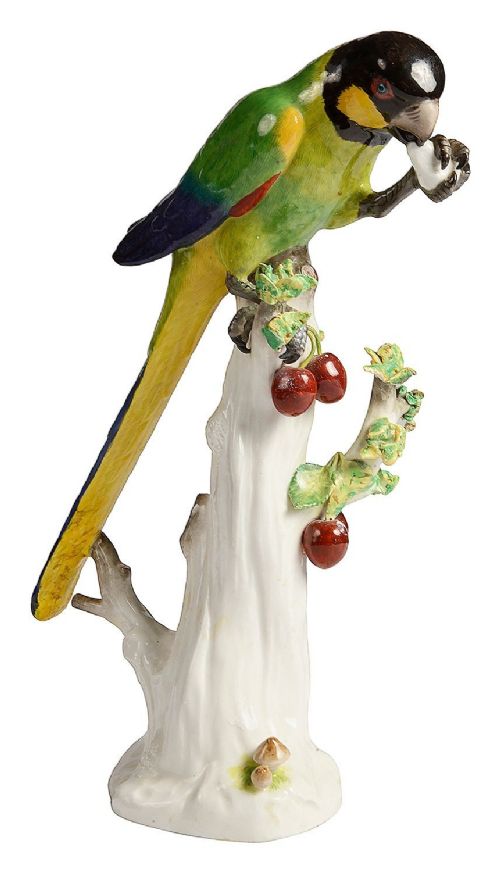
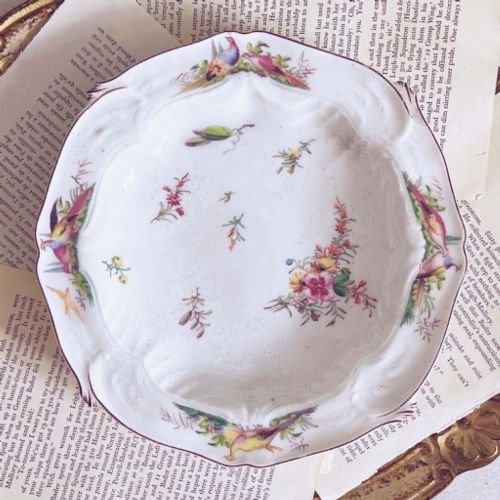
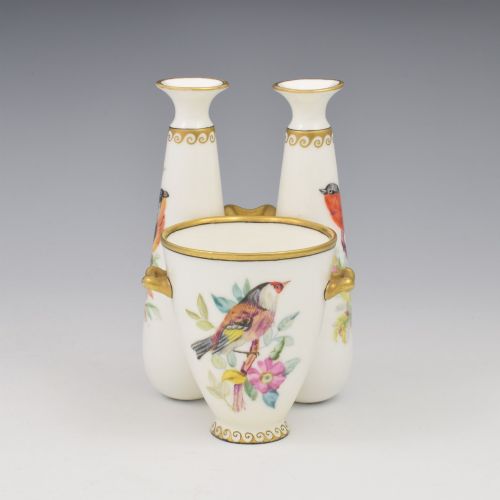
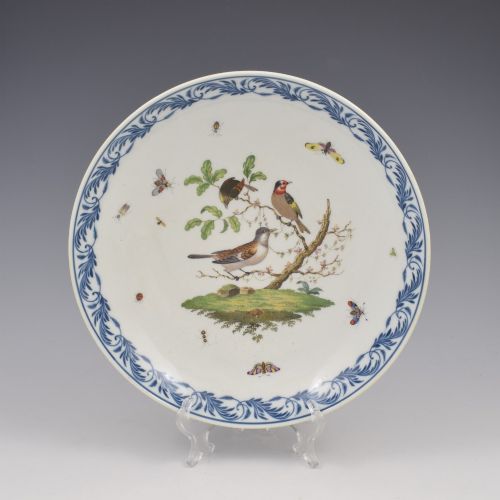
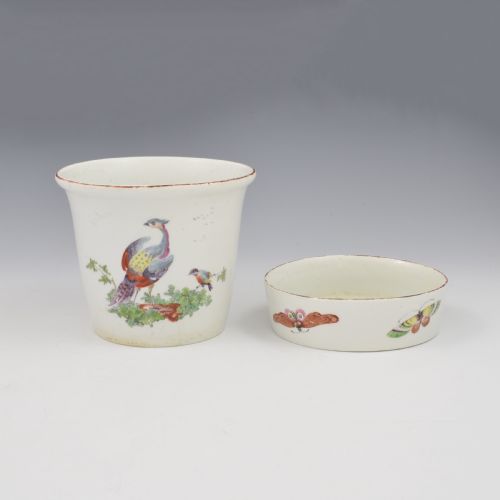
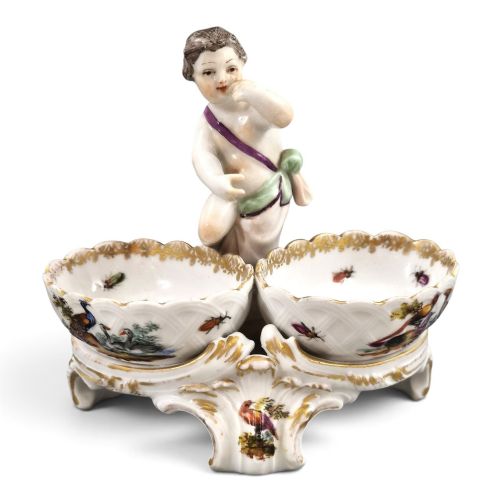
These bird painting ceramic pieces bring painted avian scenes to domestic interiors through plates, vases and tureens.
Bird Painting Ceramic
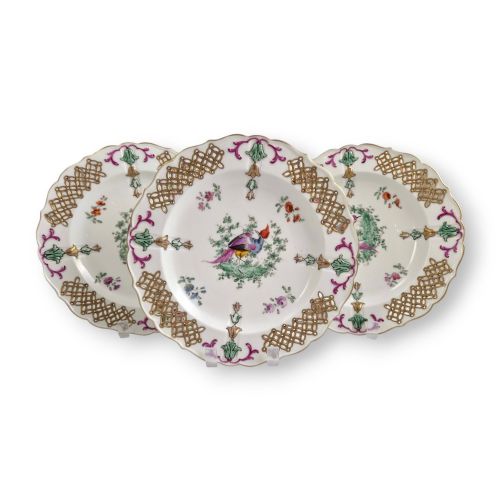
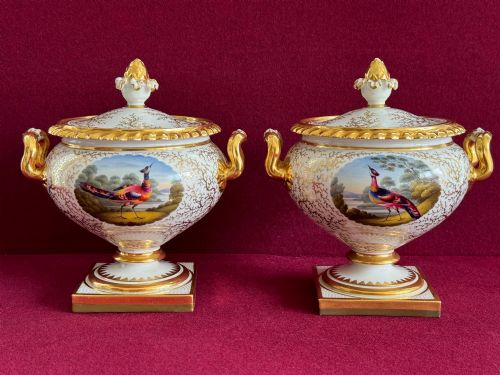
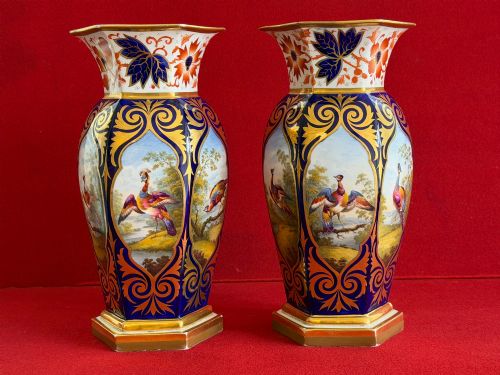
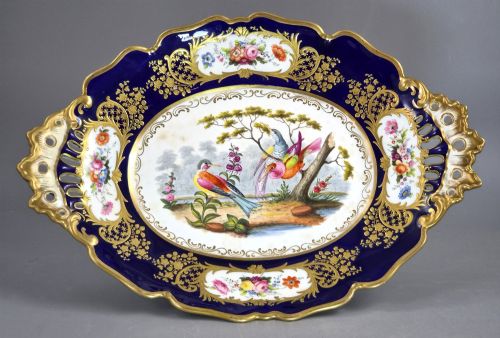
Bird painting ceramic encompasses plates, vases, garnitures, tureens and jardinieres decorated with hand-painted or enamelled avian subjects. The forms range from Georgian dessert dishes and Regency cream tureens to Victorian ornithological vases and Japanese Meiji period chargers.
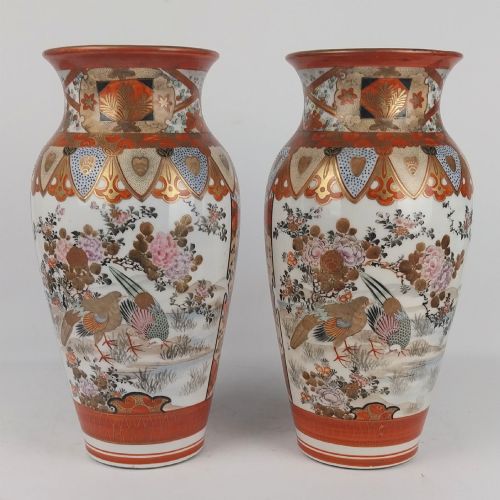
English factories like Worcester, Coalport, Minton and Royal Worcester feature prominently alongside continental manufactories such as Meissen, Sèvres, Berlin and Delft. Japanese Satsuma, Kutani and Imari wares provide alternative expressions of bird decoration from the Meiji period.
The selection moves across the eighteenth, nineteenth and early twentieth centuries, recording changes in palette and porcelain body from early polychrome enamels to later lustre finishes and cobalt blue grounds.
How they were made
Makers shaped porcelain, earthenware and tin-glazed earthenware bodies by hand or in moulds, applying glazes and underglaze pigments before firing in kilns. Enamels and gold leaf or gilding were added in subsequent low-temperature firings to fix the detailed avian motifs.
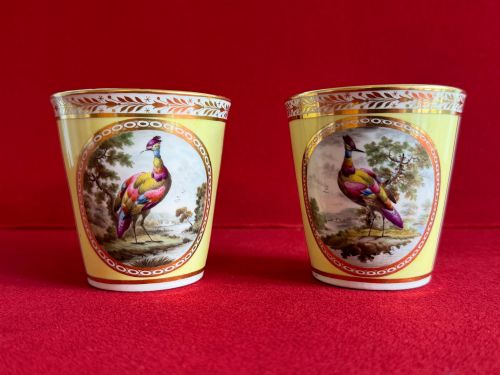
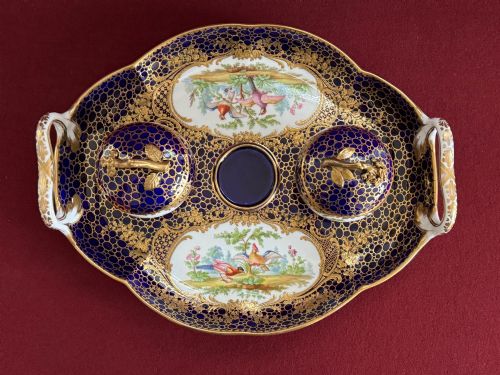
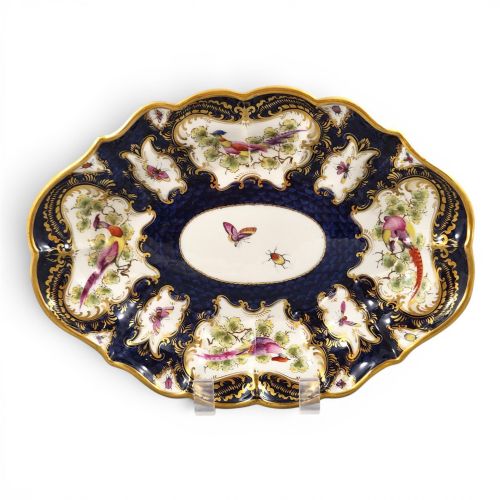
Painting techniques combine fine brushwork for plumage with fluid washes of colour, often set against cobalt blue scale grounds or white tin-glazed surfaces. Some vessels utilise moulded relief elements to frame the painted birds.
Bird Painting Ceramic Retail Price Guide 2026
Typical asking prices for bird painting ceramic among the pieces listed under this phrase on Sellingantiques today, from the lower quarter to the upper quarter. They describe what is for sale here now, not the wider market.
Listings feature 18th century, 19th century, Regency, Victorian and Meiji period pieces formed in porcelain, earthenware, tin-glazed earthenware and wood.
What varies in quality
Quality rests in the precision and naturalism of the brushwork, particularly in the rendering of feathers, foliage and bird anatomy by named artists or skilled factory hands. The crispness of porcelain moulding and the evenness of glaze application further distinguish finer outputs.
The richness of the palette, including the application of gold leaf and the depth of cobalt blue or enamel grounds, marks the distinction between standard domestic wares and exhibition-standard display pieces.
Minton·Flight, Barr and Barr·H and R Daniel·Coalport·Chelsea·KPM Berlin·Derby·Royal Worcester·Meissen·Barr, Flight and Barr·Chamberlain Worcester·Manpei·Kinkōzan·Kato Sanhei
The Bird Painting Ceramic Glossary
- Garniture
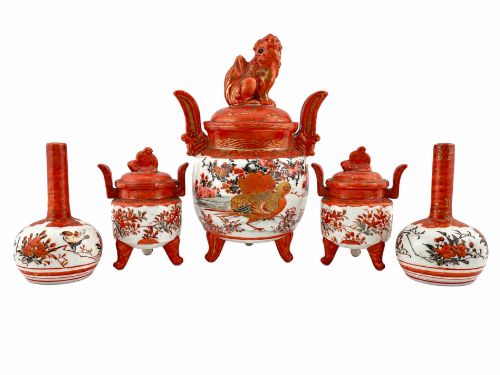
- A set of three or five vases or jars designed to be displayed together on a mantelpiece or cabinet. They usually comprise matching centre vessels and side vases.
- Jardiniere
- A large ornamental pot or bowl designed to hold growing plants or flowers. These ceramic vessels often feature painted avian scenes around the exterior body.
- Tureen
- A deep covered serving bowl used for soups or sauces, typically supplied with a matching stand. Examples from the Regency period often incorporate delicate handles and painted bird panels.
- Imari
- A style of Japanese export porcelain characterised by a palette of underglaze blue, iron red and gold. These pieces frequently incorporate bird and floral motifs.
- Koro
- A traditional Japanese incense burner, often supported on three feet with a pierced cover. These ceramic vessels appear within larger garniture sets alongside vases.
Bird Painting Ceramic: Frequently Asked Questions
What are bird painting ceramic items?
These items are decorative and utilitarian ceramic vessels, including plates, vases, tureens and bowls, adorned with hand-painted depictions of birds. They span European factories and Japanese export workshops across several centuries.
The artwork ranges from naturalistic ornithological studies to stylised oriental motifs, applied over glazes using enamels and gold leaf.
How were these ceramics used originally?
Many pieces served practical functions in domestic dining, such as serving dishes, dessert plates and cream tureens. Others functioned purely as garnitures and decorative vases for formal interiors.
Larger chargers and plaques were intended for display on walls or cabinets, while jardinières held indoor plants.
How do I care for antique ceramic bird paintings?
Display these pieces away from direct sunlight to prevent the enamel colours and gilding from fading over time. Dust them gently with a soft, dry brush.
Avoid immersion in water, particularly for pieces with delicate overglaze enamels, gold leaf or metal mounts.
How can I tell periods apart?
Periods are identified through a combination of paste composition, glaze characteristics, factory marks and stylistic conventions. Eighteenth-century pieces often show softer bodies and polychrome enamel palettes, while nineteenth-century works frequently employ richer gilding and transfer-printing or meticulous hand-finishing.
Japanese Meiji period items display distinct Satsuma crackle glazes or Imari iron-red and blue colourways.