





Bilston Enamel Trinket
Bilston enamel trinket pieces are small Georgian boxes fused with coloured glass on copper, offering a tangible link to eighteenth-century social life.
Bilston Enamel Trinket
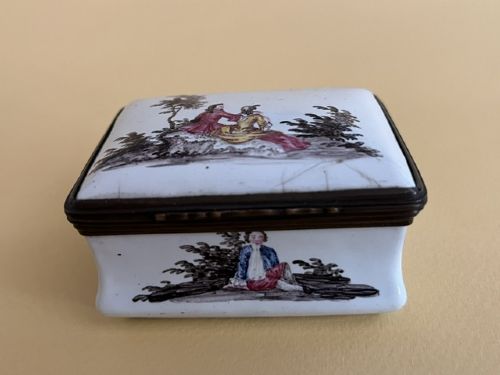
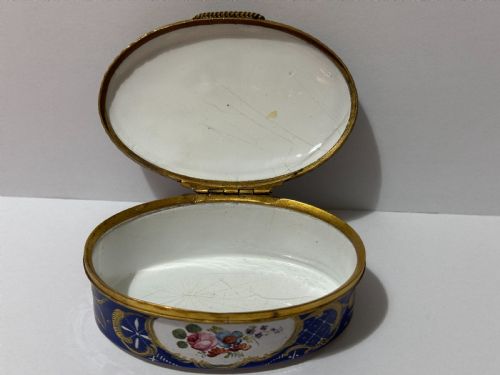
A bilston enamel trinket is most frequently encountered on this page as an eighteenth-century patch box, snuff box, or small decorative box originating from South Staffordshire. These items take oval or rectangular forms, often carrying inscribed sentiments such as tokens of esteem or named locations like Cheltenham Wells. The forms span the Georgian period, reaching into the nineteenth century with occasional later interpretations.
Buyers seeking a bilston enamel trinket will discover various specialised receptacles designed for personal use in the Georgian era. Patch boxes held small cosmetic patches used to adorn the face, whilst snuff boxes contained ground tobacco for discrete consumption. Decorative plaques and novelty boxes also appear, reflecting the diverse output of the Staffordshire workshops.
Materials and construction
The manufacture of a bilston enamel trinket relies upon fusing powdered glass to a copper base through intense kiln firing. Artisans shaped the copper body before applying the enamel coating, which provided a smooth white or coloured ground for detailed hand painting. Delicate copper gilt or brass mounts secure the hinges and rims, framing the lid and base.
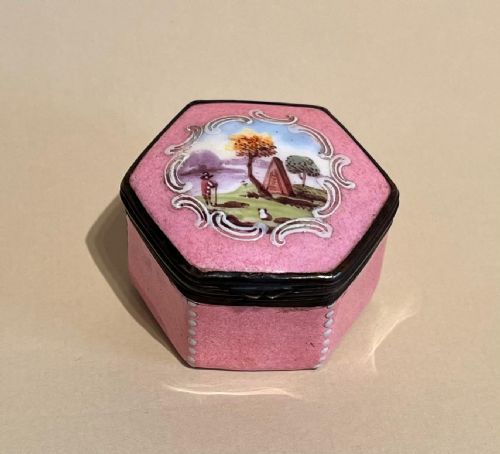
Makers utilised various metallic elements alongside the primary enamel and copper components. Gilt metal and brass appear frequently on the mounts and bezels, adding structural definition and a polished metallic edge to the softened contours of the glass. Powder pink and other coloured enamel grounds required precise mineral pigment mixtures during the firing process.
Bilston Enamel Trinket Retail Price Guide 2026
Typical asking prices for bilston enamel trinket among the pieces listed under this phrase on Sellingantiques today, from the lower quarter to the upper quarter. They describe what is for sale here now, not the wider market.
Listings span the eighteenth and nineteenth centuries, featuring Georgian styles, rococo revival influences, and materials including copper, brass, and gilt metal.
Distinguishing quality in enamel boxes
Quality in a bilston enamel trinket rests upon the crispness of the hand-painted decoration and the preservation of the vitreous surface. Pieces featuring detailed figural scenes, such as musicians in parkland, demonstrate superior artistic skill compared to simpler geometric or plain pastel designs. The fineness of the copper gilt mounts and the precise alignment of the lid also indicate higher workshop standards.
The overall integrity of the enamel coating dictates the desirability of an item. Superior examples retain a smooth, glossy finish across both interior and exterior surfaces, whilst lesser specimens may show extensive hairline cracking or later restoration to the glass layer. The legibility of inscribed lettering, such as a token of esteem, further separates standard production from finer artisanal output.
The Bilston Enamel Trinket Glossary
- Bilston enamel
- Enamel work produced in the town of Bilston in Staffordshire during the eighteenth century. These pieces typically feature painted copper construction intended for personal adornment and utility.
- Patch box
- A small container equipped with a mirror inside the lid, used to store cosmetic patches. Georgian society used these patches to cover blemishes or display decorative shapes.
- Snuff box
- A small hinged receptacle designed to hold dry snuff for inhalation. These boxes often featured elaborate painted lids depicting landscapes or social scenes.
- Bonbonniere
- A small ornamental box intended to hold sweets or sugar plums. They share similar copper and enamel construction techniques with patch and snuff boxes.
- South Staffordshire
- The regional pottery and enamelling hub encompassing Bilston and Wednesbury. This area dominated English enamel box production during the Georgian era.
Bilston Enamel Trinket: Frequently Asked Questions
What were patch boxes used for?
Patch boxes held small silk or velvet patches that Georgian ladies and gentlemen applied to their faces. These cosmetic spots served to highlight complexions or conceal small pox scars.
The interior lid often contained a small mirror to assist with placing the patches correctly during social visits. These receptacles sat easily in a pocket or reticule for day-to-day use.
How can I date an enamel box?
Dating relies upon examining the shape, the style of the painted decoration, and the construction of the metal mounts. Eighteenth-century examples often feature characteristic Georgian or rococo scrolls and softer copper framing.
Later nineteenth-century pieces display different colour palettes and mechanical mount structures. Inscribed text and named places also help anchor the production window to specific decades.
Are these boxes made of solid enamel?
These pieces consist of a thin copper base that provides structural rigidity. The powdered glass enamel is fused to both the interior and exterior surfaces through high-temperature kiln firing.
Metal mounts of brass or gilt metal reinforce the rims and form the hinge mechanisms. This composite construction allowed makers to achieve delicate forms while maintaining durability.
How should I display enamel trinkets?
Display these items away from direct sunlight to prevent fading of the delicate hand-painted pigments. Placing them in a secure cabinet protects the fragile glass surfaces from accidental impacts.
Maintain stable indoor humidity levels to safeguard the vulnerable copper and enamel bond. Handling should remain minimal to preserve the original gilt mounts and polished finishes.