


Bijar Floor Rug
A bijar floor rug is a heavily knotted Persian textile built to withstand generations of heavy pacing.
Bijar Floor Rug
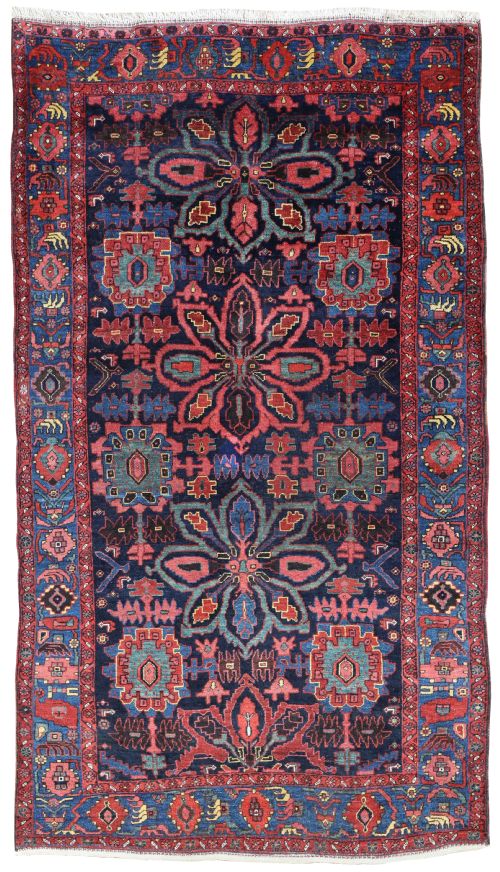
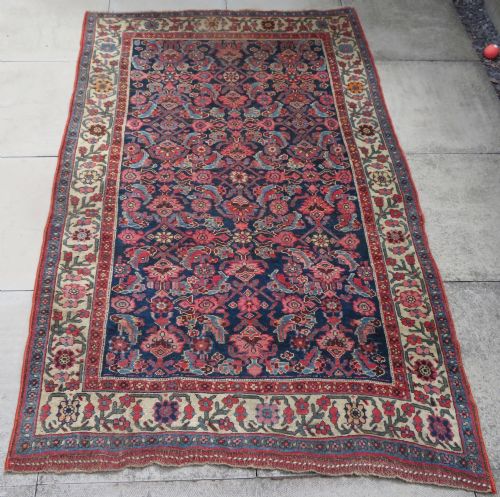
A bijar floor rug brings robust Persian craftsmanship straight into a room, formed through long traditions of village and tribal weaving. You are looking at floor coverings that originate from the Kurdish town of Bijar and its surrounding areas in western Iran.
The pieces you meet on this page span from the late nineteenth century up to the early twentieth century. They arrive in various formats, ranging from smaller scatter rugs to substantial kelleh carpets and room-sized formats.
How they were made
These carpets rely on sturdy wool piles knotted tightly onto cotton foundations. The construction technique often involves hammering the wefts down with a metal tool between rows of knots, creating a dense, rigid fabric.
This intense packing of the foundation makes the textile exceptionally heavy and durable. The materials chosen were specifically selected to endure constant use on floors.
Bijar Floor Rug Retail Price Guide 2026
Typical asking prices for bijar floor rug among the pieces listed under this phrase on Sellingantiques today, from the lower quarter to the upper quarter. They describe what is for sale here now, not the wider market.
Weavers traditionally beat the wet wool down so firmly between knot rows that the resulting rug can practically stand up by itself.
What varies in quality
Quality rests in the density of the knotting and the precision of the traditional motifs. Tighter packing yields a stiffer handle and a sharper definition across the geometric and floral patterns.
The subtlety of the natural dyes and the overall balance of the border designs also separate standard pieces from finer examples. Age and scale further influence how successfully a rug holds its presence in an interior.
The Bijar Floor Rug Glossary
- Kelleh
- A long, rectangular format of Persian carpet traditionally suited for narrow reception rooms or hallways. It provides an elongated expanse of pattern compared to standard square proportions.
- Pile
- The upright yarn loops that form the usable surface of the rug. This upper layer absorbs foot traffic and displays the woven design.
- Weft
- The horizontal threads passed across the warp threads to hold the knots in place. In these rugs, they are beaten down firmly during construction.
- Warp
- The vertical foundation threads stretched lengthwise on the loom before knotting begins. Cotton is typically used for this structural skeleton.
Bijar Floor Rug: Frequently Asked Questions
What is a bijar floor rug?
A bijar floor rug is a heavy, durable Persian carpet woven by Kurdish communities in western Iran.
These textiles are known for their dense construction and longevity, making them practical for busy living spaces.
Where were bijar rugs made?
They originate from the town of Bijar and the surrounding Kurdish villages in the mountainous region of western Persia.
Local weavers developed distinct techniques to produce exceptionally sturdy floor coverings.
How do I care for an antique rug?
Protect the heavy woolen pile with a suitable underlay and vacuum gently without using a rotating brush bar.
Keep the textile out of direct, harsh sunlight to preserve the natural dyed colours over time.
How can I tell the age?
Dating relies on examining the wool quality, the complexity of the traditional motifs, and the construction methods visible on the reverse.
Pieces seen here typically date from the late nineteenth century to the early decades of the twentieth century.