

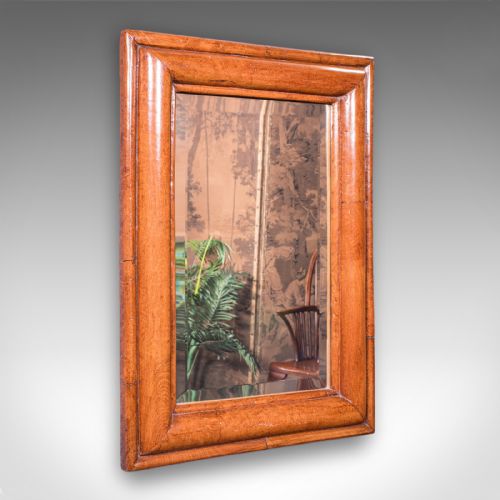
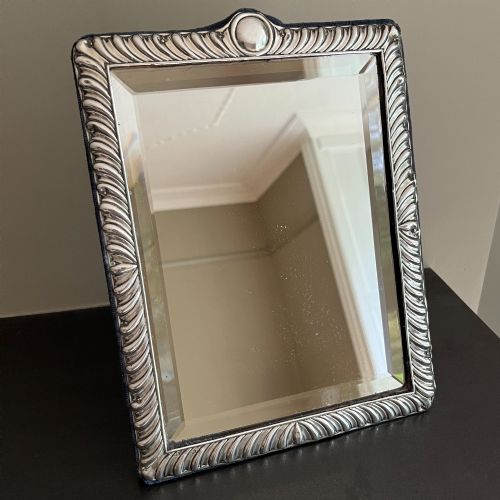
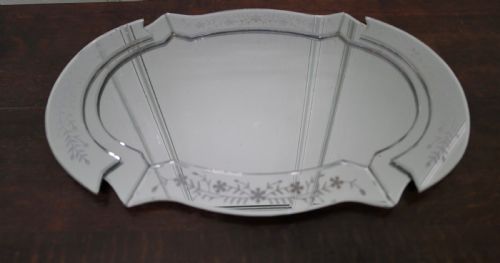
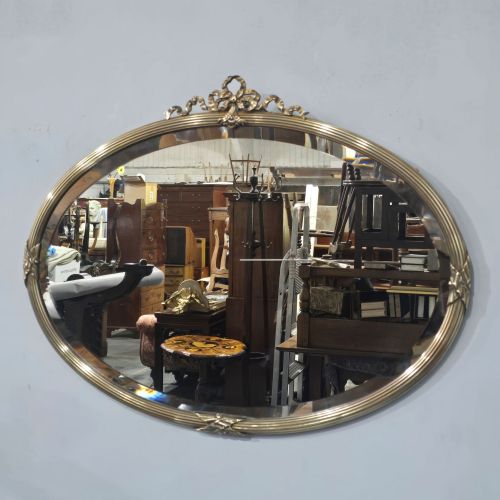


Bevelled Vanity Mirror
A bevelled vanity mirror brings a bright, angled edge to dressing tables, sitting atop chests or mounted to walls.
Bevelled Vanity Mirror
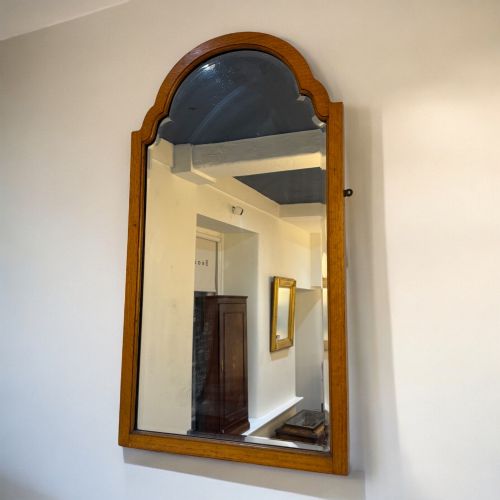
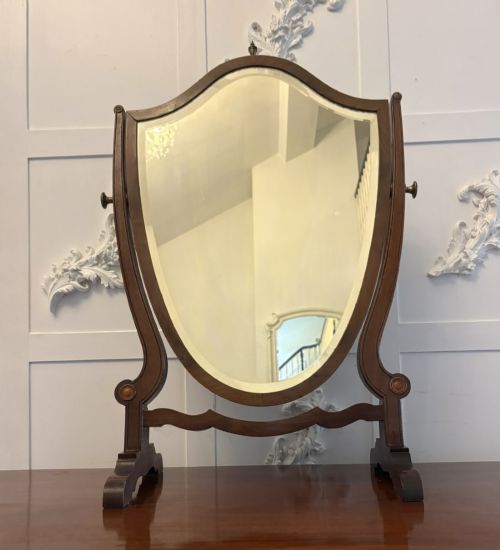
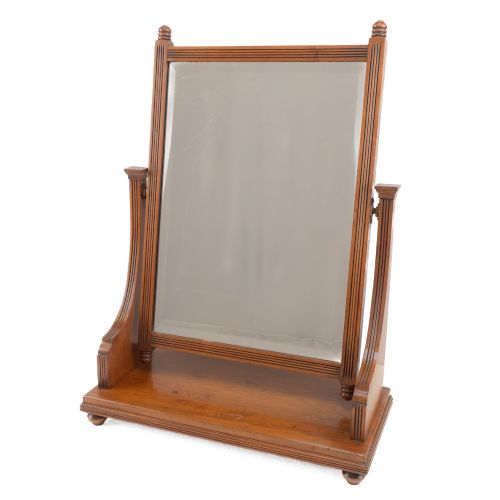
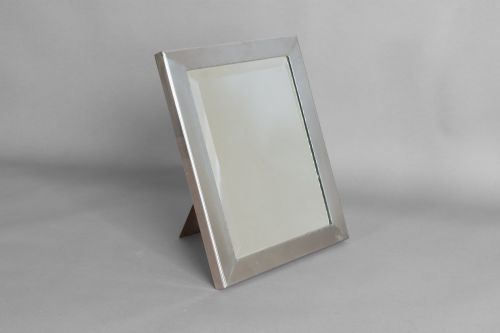
A bevelled vanity mirror is typically encountered as a dressing table or table top mirror from the Victorian and Edwardian eras, or later from the Art Deco period. These pieces are designed to sit upright on surfaces using easel backs and struts, or to hang as smaller wall mirrors.
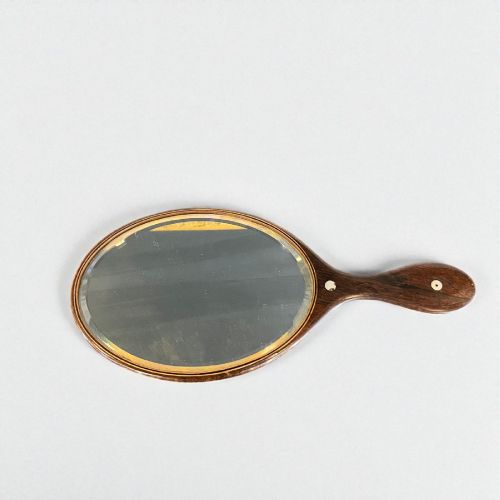
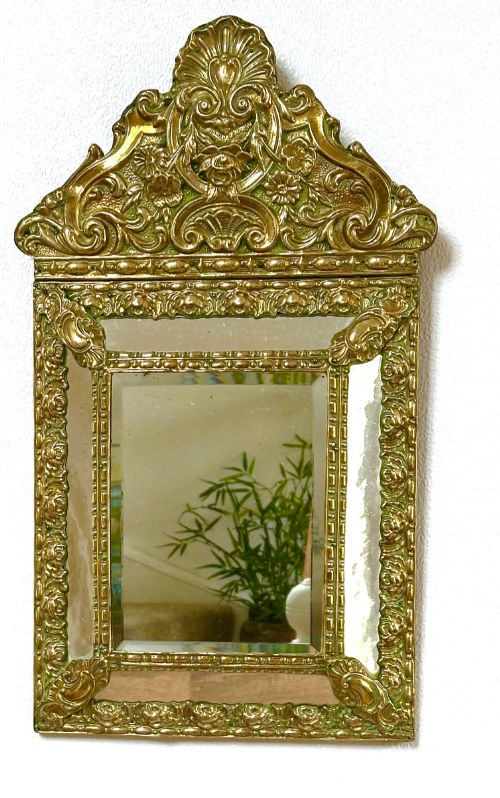
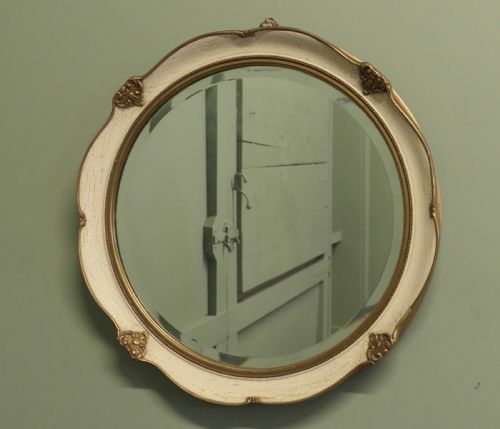
The selection ranges from simple mahogany and oak frames to ornate gilt gesso, brass, and sterling silver mountings. Many examples feature oval or rectangular shapes with characteristic sloping edges on the glass.
Originating largely from English and French workshops, these mirrors served practical daily grooming functions while adding reflective light to bedrooms and reception halls.
How they were made
Makers fashioned frames from solid timbers such as mahogany, walnut, oak, and beech, alongside cast or pressed metals including brass and silver plating. Sterling silver mounts and repoussé brass work appear frequently on finer dressing table pieces.
Glass plates were laboriously ground and hand-bevelled at the edges to create a sloping refractive border before being fitted into wooden, metal, or gesso structures with original fixings.
Bevelled Vanity Mirror Retail Price Guide 2026
Typical asking prices for bevelled vanity mirror among the pieces listed under this phrase on Sellingantiques today, from the lower quarter to the upper quarter. They describe what is for sale here now, not the wider market.
Listings feature periods spanning from the Victorian and Edwardian eras through to 1930s Art Deco.
What varies in quality
Quality rests in the crispness of the frame ornamentation, whether hand-carved woodwork, detailed gesso moulding, or heavy cast brass and hallmarked sterling silver. Superior mirrors retain their original backings, easel struts, and undistorted glass plates.
The depth and precision of the edge bevelling on the mirror glass itself distinguishes finer workshop output from simpler utilitarian items.
The Bevelled Vanity Mirror Glossary
- Bevel
- An angled edge ground along the perimeter of the mirror glass to catch the light. This technique adds depth and decorative character to the reflective surface.
- Gesso
- A plaster-like mixture applied to wooden frames before gilding or painting. It allows craftsmen to carve intricate relief decorations.
- Repoussé
- A metalworking technique where metal is hammered from the reverse side to form raised designs on the front. It is commonly found on Edwardian brass frames.
- Strut
- A hinged support attached to the back of a mirror to hold it upright on a table. These fittings are often constructed from matching wood or metal.
- Triptych
- A three-panelled folding mirror configuration. The side panels adjust to provide multiple angles for dressing and grooming.
Bevelled Vanity Mirror: Frequently Asked Questions
Where should I place a vanity mirror?
These mirrors suit dressing tables, chest tops, or entrance hallways where they bounce natural light around smaller spaces. Their compact proportions allow them to sit comfortably on most flat surfaces.
Wall-mounted versions require secure fixings into proper wall anchors, while easel-backed examples simply rest where needed on stable furniture.
How do I date an antique mirror?
Dating relies on combining the frame timber or metal with the style, such as Victorian gesso or Art Deco geometric lines. Fixing methods and backing materials also offer clues to the period of manufacture.
Examining the depth of the glass bevelling and the construction joints helps confirm whether a piece belongs to the nineteenth or early twentieth century.
Are strut mirrors stable on tables?
Original brass and wooden struts are engineered to support the weight of the mirror frame at a fixed angle. Most stand securely on flat wooden surfaces.
Care should be taken when adjusting older hinges to avoid stressing the original joints or the backing material.
What is the difference between wall and vanity mirrors?
Vanity mirrors generally feature easel stands, folding panels, or weighted bases designed for placement on dressing tables. Wall mirrors include hanging loops or rings attached directly to the frame.
Some smaller rectangular or oval frames were manufactured with versatile fixings allowing both table standing and wall hanging.