




Bevelled Plate Wall Mirror
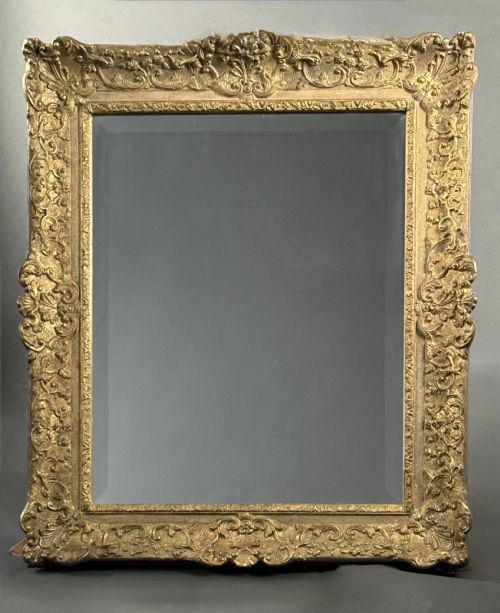
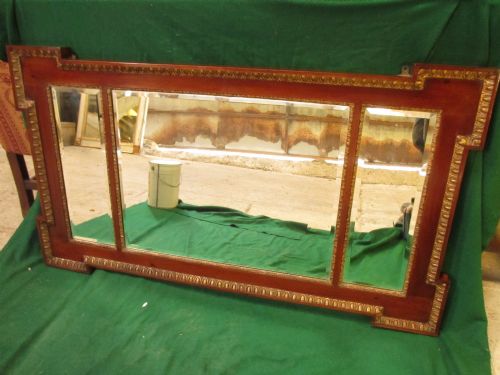
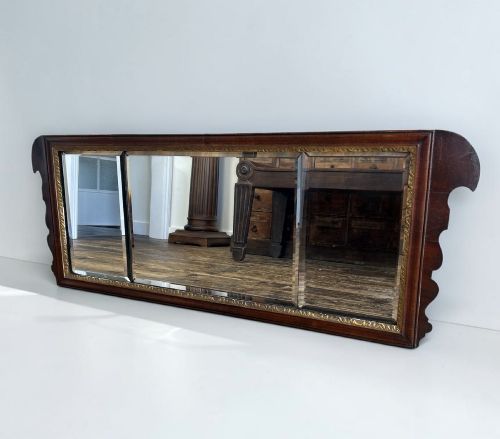
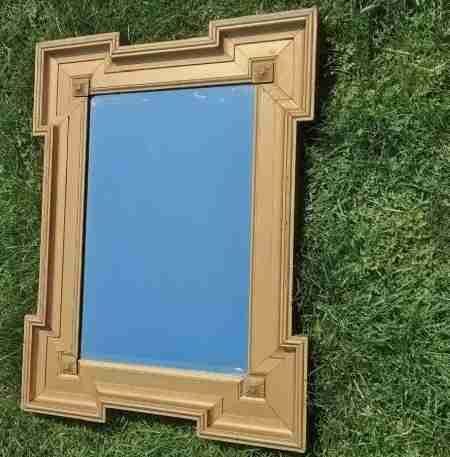
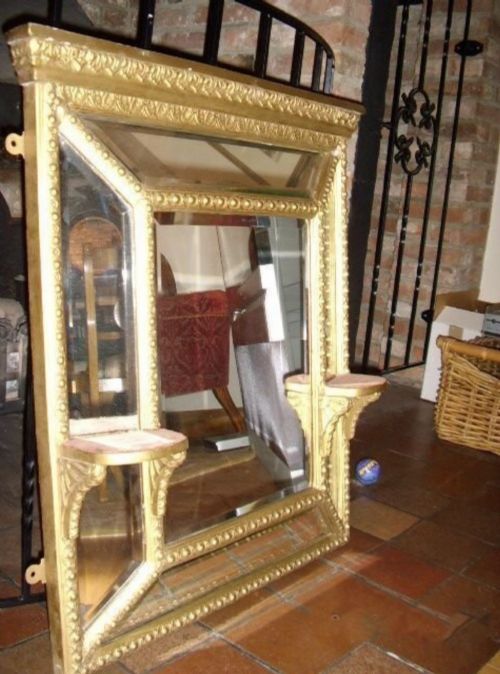
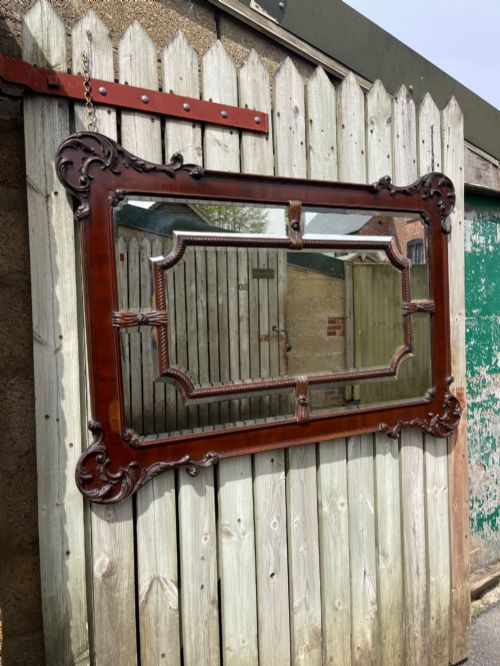
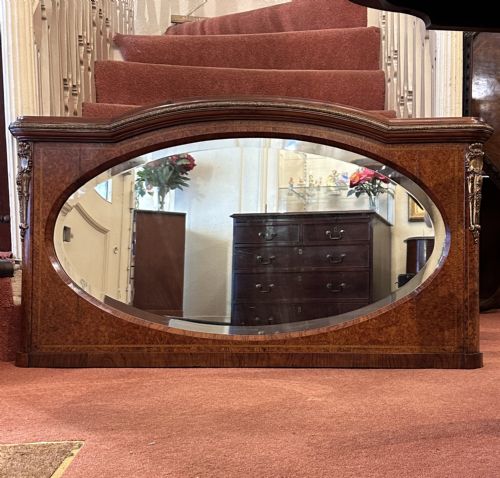
A bevelled plate wall mirror brings light and depth to a room, offering the distinct craft of angled glass edges set in period frames.
Bevelled Plate Wall Mirror
When you search for a bevelled plate wall mirror, you encounter reflective furnishings designed to hang upon interior walls, often taking the form of wall mirrors, overmantel mirrors, hall racks, and pier mirrors. These objects serve both functional and decorative purposes within domestic spaces.
The examples available range across periods including Regency, Victorian, Edwardian, and Art Deco, alongside Georgian, 1890, 1920, and 1930 dates. Stylistic variations span Rococo Revival, Venetian, Victorian Equestrian, and 19th Century French designs.
You are most likely to meet wooden or gilt-framed versions featuring angled glass edges. These pieces incorporate diverse timber and composite materials moulded into distinct shapes to suit varying interior schemes.
What varies in quality
Quality rests in the harmony between the glass plate and its surrounding frame, where finer examples display crisper hand-carving and deeper moulding profiles. The execution of the bevelled cut on the mirror glass itself demonstrates the technical skill involved in shaping the reflective surface.
Materials dictate much of the character, distinguishing simpler wood constructions from elaborate giltwood, gesso, or ormolu decorated pieces. The integrity of the original backing and the clarity of the antique glass further separate standard items from superior specimens.
Materials documented across the listings include glass, giltwood, gesso, mahogany, mirror glass, wood, bevelled glass, and walnut.
The Bevelled Plate Wall Mirror Glossary
- Bevelled glass
- Glass with an edge that has been cut and polished to an angle less than ninety degrees. This technique creates a prismatic border that catches and refracts light.
- Giltwood
- Timber that has been coated with a thin layer of gold leaf or gilt powder. It provides a brilliant metallic finish commonly found on decorative period frames.
- Gesso
- A paint mixture consisting of a neutral binder mixed with chalk, gypsum, or pigment. Makers applied this substance to wooden frames to create smooth surfaces for subsequent gilding.
- Overmantel mirror
- A large mirror designed specifically to hang on the wall directly above a fireplace mantelpiece. These pieces frequently span significant horizontal or vertical proportions.
- Pier mirror
- A tall mirror intended to be hung on the narrow section of wall between two windows. They often coordinate with matching console tables beneath.
Bevelled Plate Wall Mirror: Frequently Asked Questions
Where should I hang a wall mirror?
These mirrors suit placement above mantelpieces, in hallways, or across from windows to maximise reflected light and spatial depth within a room.
Consider the scale of the wall space and the surrounding furniture when choosing the mounting height for optimal visual balance.
How do I identify a Victorian mirror?
Victorian examples often display heavier ornamentation, oak or gilt framing, and distinct motifs like egg and dart moulding.
Examining the construction methods, backboards, and fastener types helps confirm the nineteenth-century production period.
What is an overmantel mirror?
An overmantel mirror is a large format glass designed to occupy the wall space directly above a fireplace surround.
These pieces were traditionally proportioned to anchor the visual weight of the hearth below.
How do I care for antique glass?
Clean the glass surface gently with a soft cloth and mild, non-ammonia cleaning solution applied to the cloth rather than directly sprayed.
Protect the original silvering and backboards from excessive moisture and direct sunlight to preserve the mirror over time.