

Bentwood Hat and Coat Rack
A bentwood hat and coat rack brings organic curvature and clever engineering to an entrance hall, offering sturdy storage for daily garments.
Bentwood Hat and Coat Rack
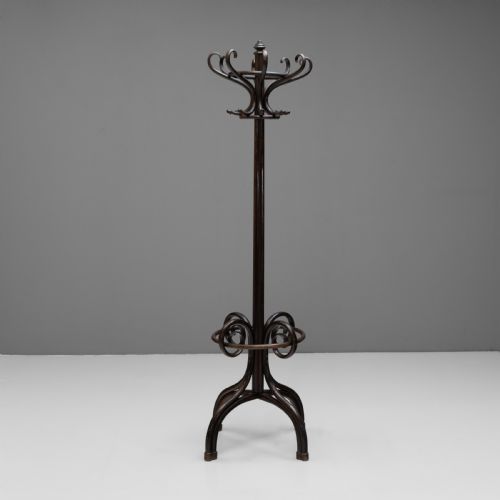
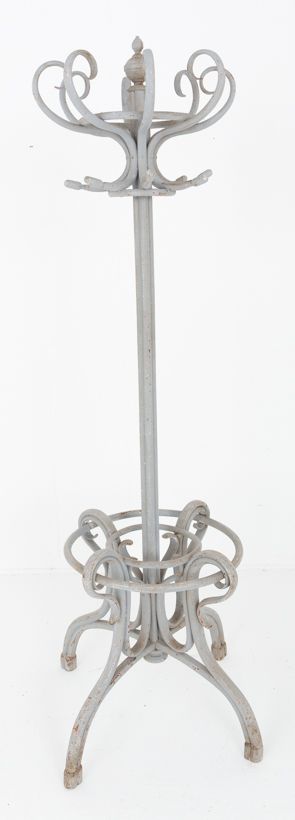
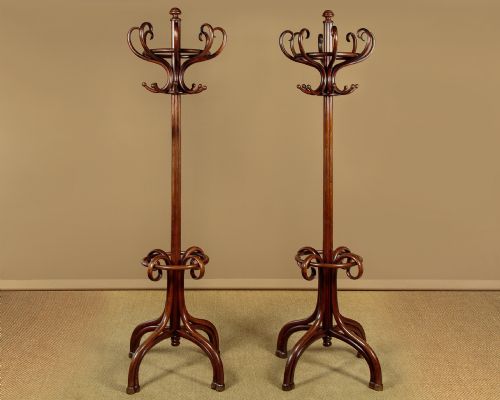
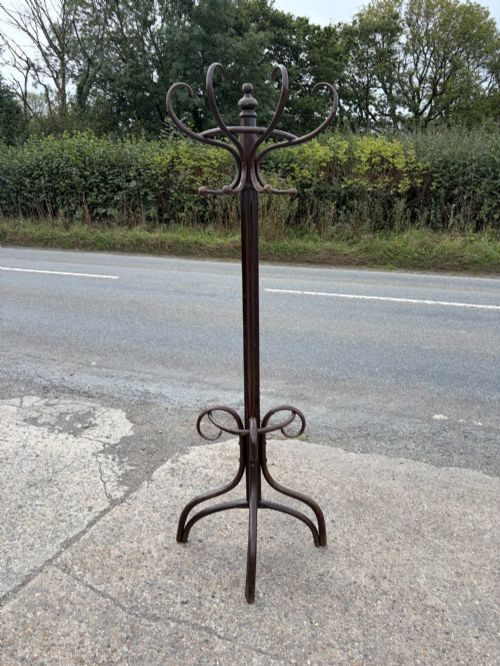
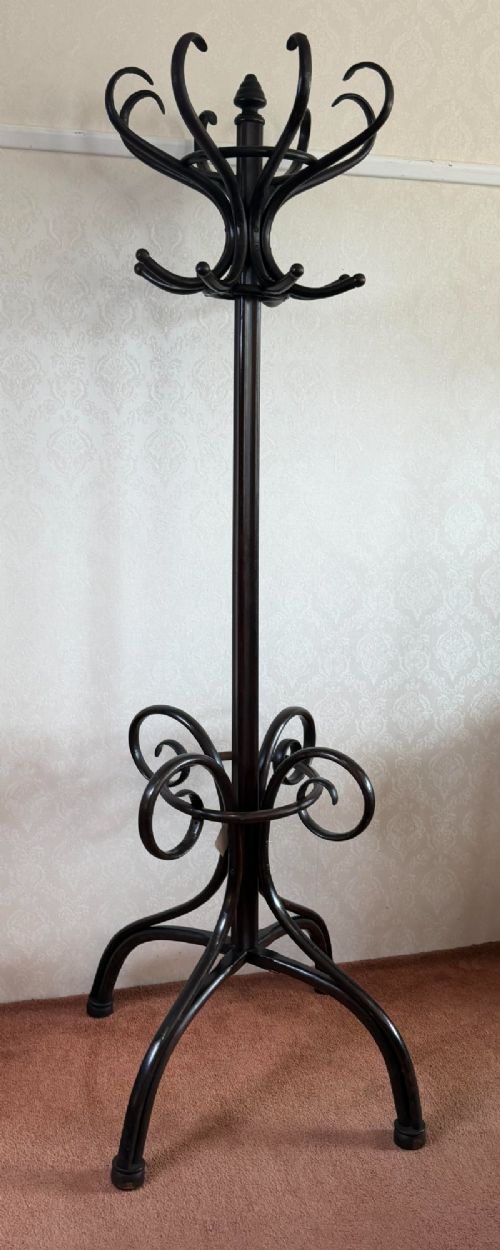
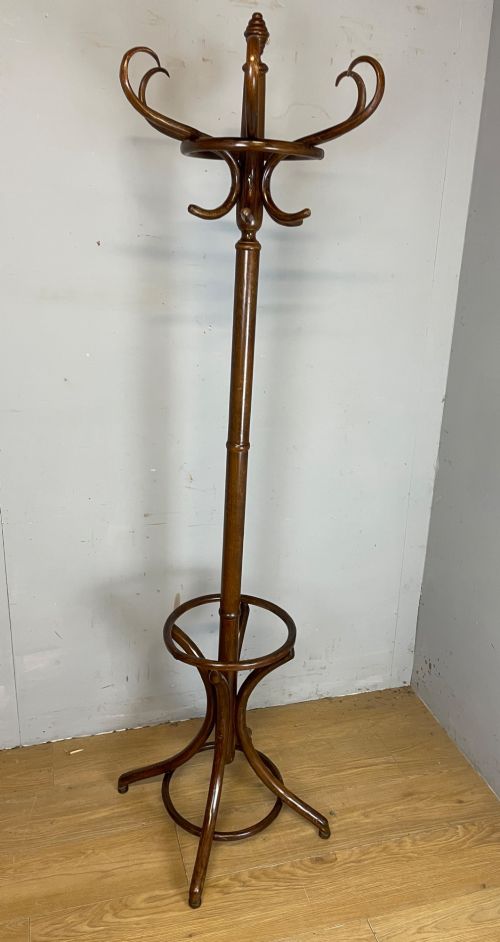
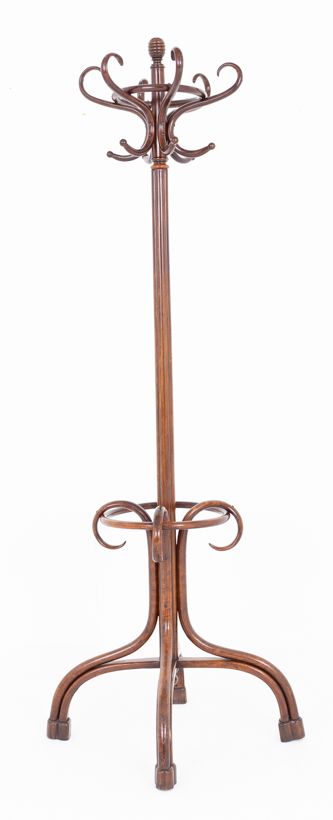
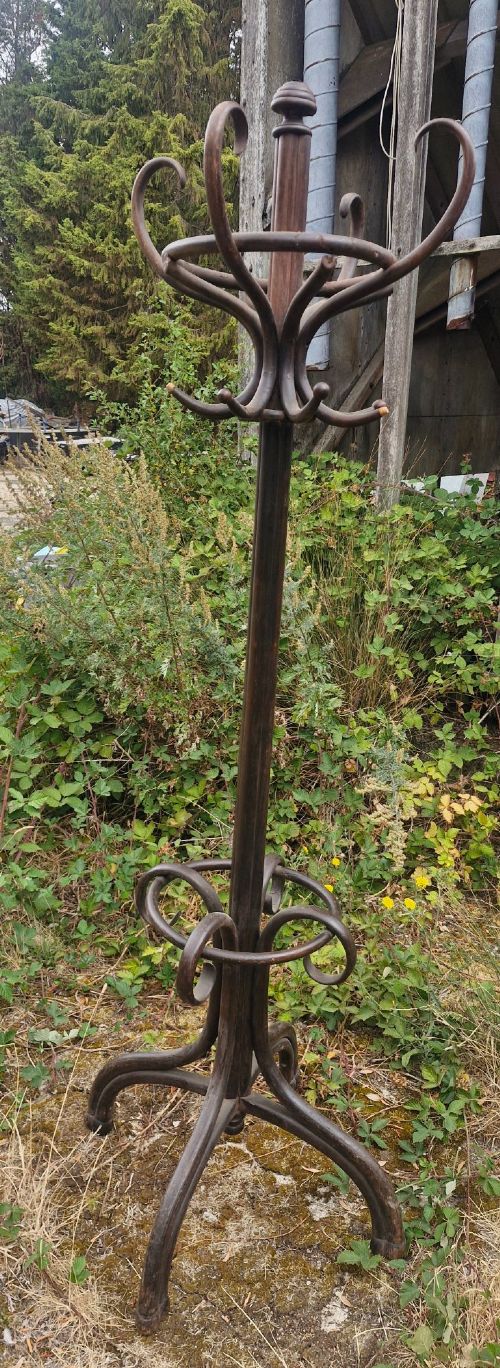
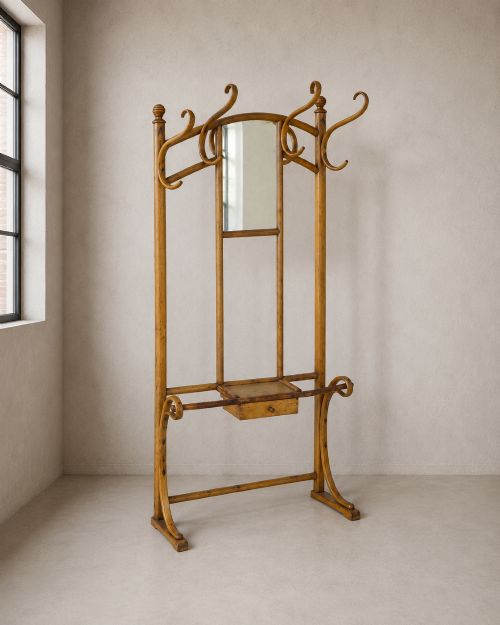
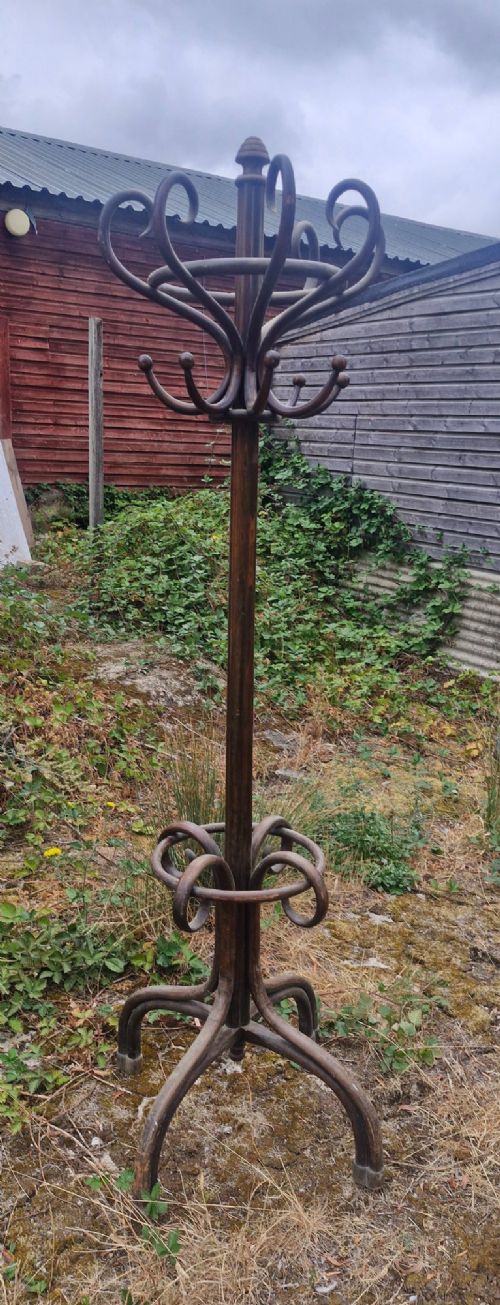
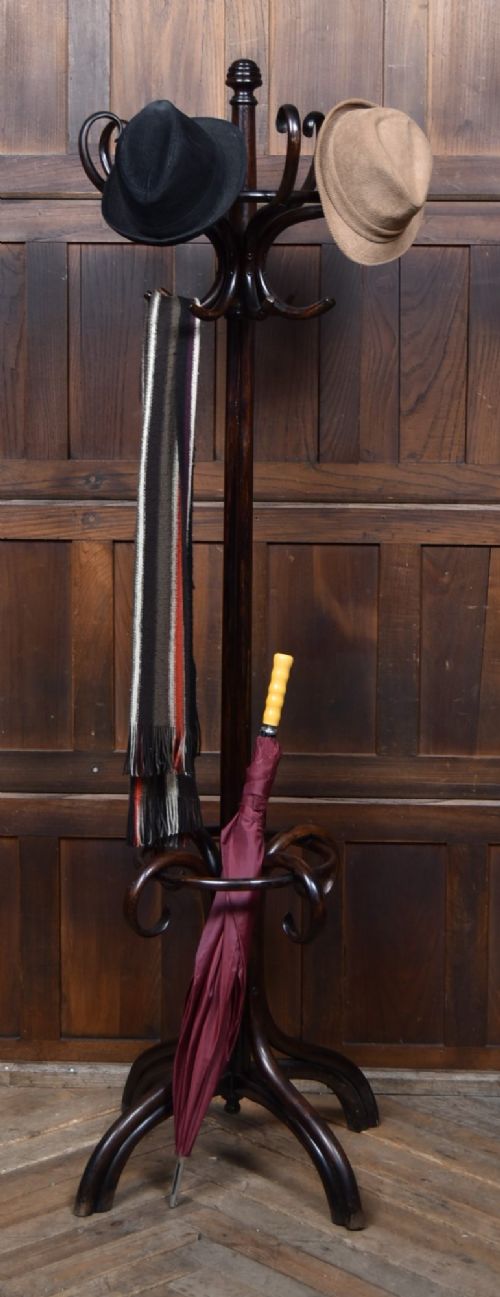
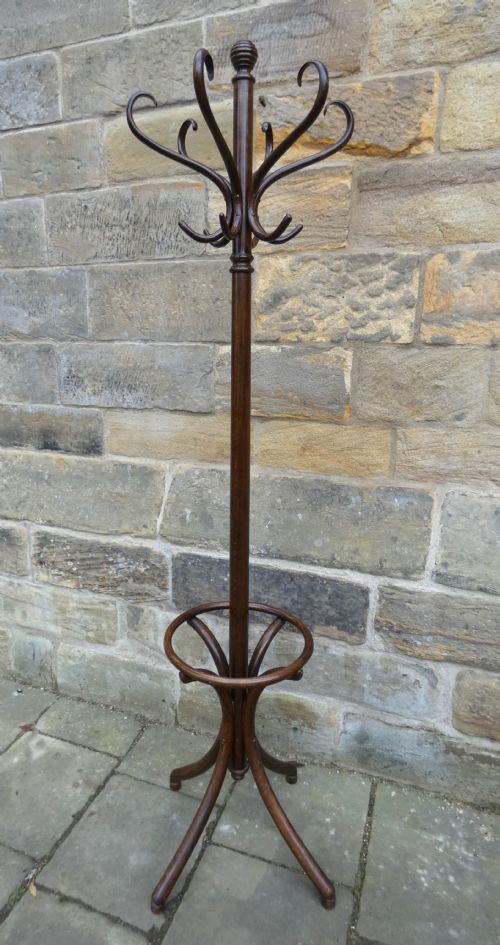
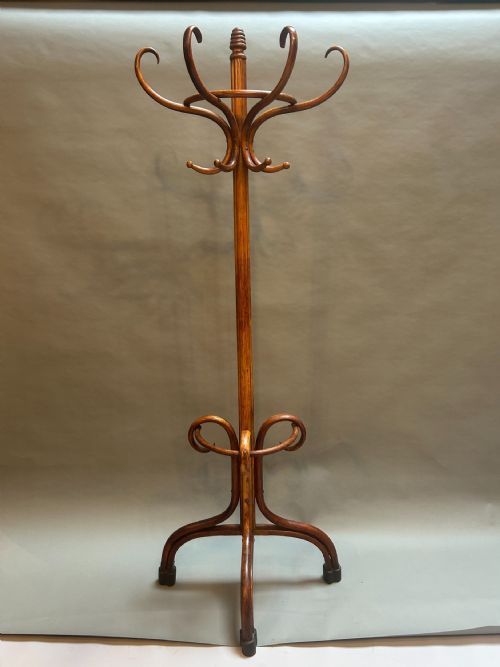
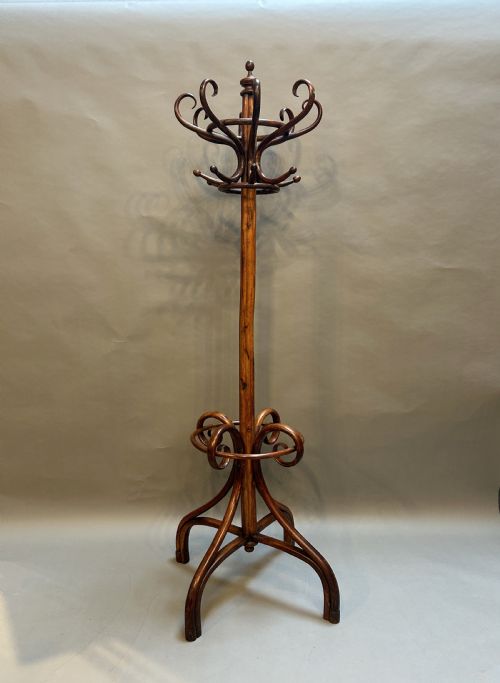
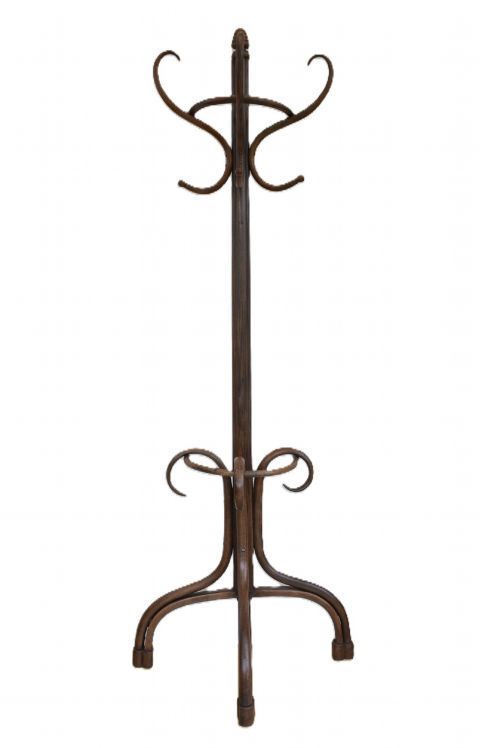
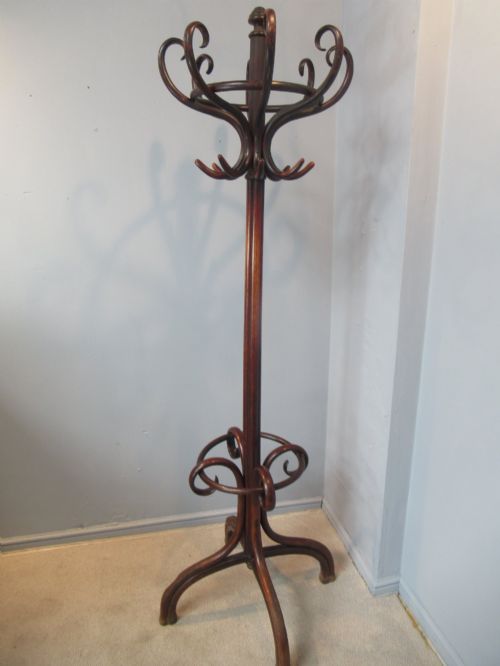
A bentwood hat and coat rack represents a triumph of steam-bent furniture, designed to hold outerwear without taking up excessive floor space. These practical furnishings range from tall floor-standing coat trees to half-round hall stands and wall-mounted racks, all sharing a slender profile.
The pieces listed here span the late nineteenth century through to the 1930s, encompassing Victorian and Edwardian examples alongside Austrian designs and Thonet-style creations. Buyers will frequently encounter full-size revolving stands and demi-lune versions intended to sit flat against a hallway wall.
Makers such as Fischel and Thonet dominate the origins of these items, showing how industrial steam-bending techniques transformed domestic hallways across Europe. Surviving examples demonstrate a remarkable durability, maintaining their structural integrity over a century after leaving the workshop.
Distinctions in craftsmanship and design
Quality in these pieces rests upon the complexity of the scrollwork and the symmetry of the steam-bent arches. Superior examples feature double tops, revolving sections that turn smoothly, and integrated stick or umbrella wells with original metal drip pans.
The finish also separates standard utility stands from finer pieces, with uniform wood stains, deep ebonising, and intact maker markings elevating a piece. Well-preserved surfaces retain their original sheen without obscuring the natural grain of the beech.
Bentwood Hat and Coat Rack Retail Price Guide 2026
Typical asking prices for bentwood hat and coat rack among the pieces listed under this phrase on Sellingantiques today, from the lower quarter to the upper quarter. They describe what is for sale here now, not the wider market.
The selection includes both wall-hanging racks with rows of hooks and large, wall-standing designs featuring integrated umbrella holders.
Thonet·Fischel
The Bentwood Hat and Coat Rack Glossary
- Bentwood
- Furniture formed by steaming strips of timber until flexible, then bending them into curved shapes. This technique allows for continuous, flowing lines without traditional joints.
- Demi-lune
- A half-moon shape designed to stand flat against a hallway wall. These stands save space while providing full functionality.
- Ebonised
- Wood stained or painted black to imitate ebony. This finish was popular in the Victorian period for a formal appearance.
- Thonet
- The pioneering firm associated with mass-produced bentwood furniture. Their innovative designs defined the aesthetic of the late nineteenth and early twentieth centuries.
- Revolving
- A design feature allowing the upper tier of hooks to spin. This makes reaching garments hung at the back much easier in a cramped hall.
Bentwood Hat and Coat Rack: Frequently Asked Questions
How do I clean a bentwood hall stand?
Dust the curved surfaces regularly with a dry cloth to prevent grime settling in the tight crevices of the scrollwork. Avoid harsh chemical cleaners that might strip the historic wood stain or damage the vintage finish.
Feed the dry beech periodically with a suitable furniture wax to maintain the moisture in the timber. Gentle buffing will preserve the soft sheen accumulated over decades of domestic use.
Are these coat stands stable on modern floors?
Most floor-standing designs are engineered with a wide circular base to distribute weight evenly across floorboards or carpets. However, uneven antique floors may require subtle leveling to prevent any slight wobble.
Wall-standing or demi-lune versions often include dedicated fixing points for added security against the wall. Ensuring the heaviest coats are distributed evenly prevents undue strain on the slender bentwood uprights.
How can I tell a Thonet piece apart?
Many authentic pieces carry paper labels, stamped signatures, or branded marks pressed directly into the underside of the wooden components. These small manufacturer stamps provide clear attribution to the original Viennese workshops.
Beyond marks, the crispness of the steam-bent arches and the elegance of the hardware indicate high workshop standards. The geometry of the double-top crowns often points to the signature output of the firm.
Where were these stands placed in period homes?
These practical items stood in entrance halls and vestibules to catch hats, coats, scarves, and walking sticks as guests arrived. Their slender footprint made them ideal for narrow Victorian and Edwardian corridors.
Revolving versions allowed residents to access multiple garments without needing to squeeze past a fixed wall rack. The inclusion of lower ring trays often kept wet umbrellas contained away from the main floor.