


Beige Persian Carpet
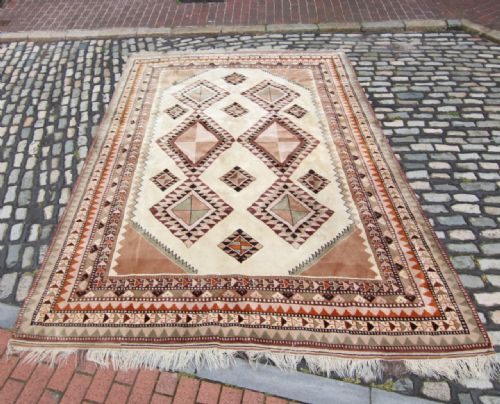
A beige persian carpet brings warmth and grounded pattern to a room, drawing on decades of nomadic and city weaving traditions.
Beige Persian Carpet
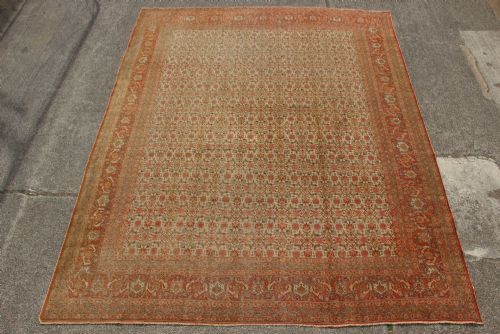
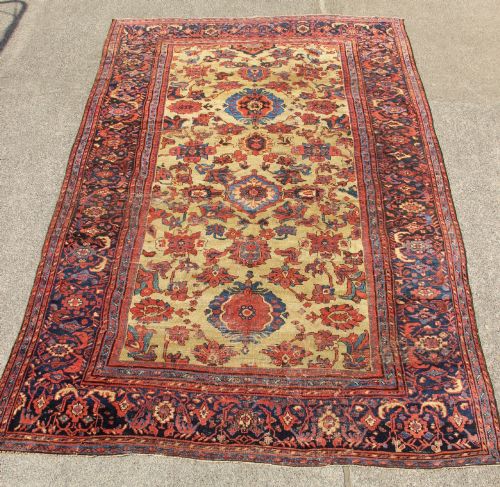
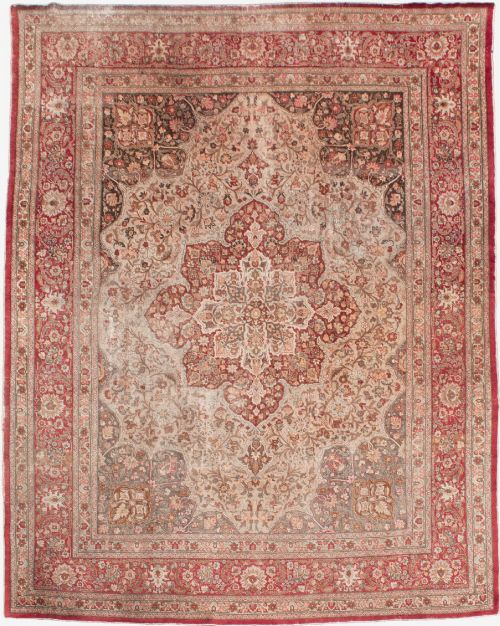
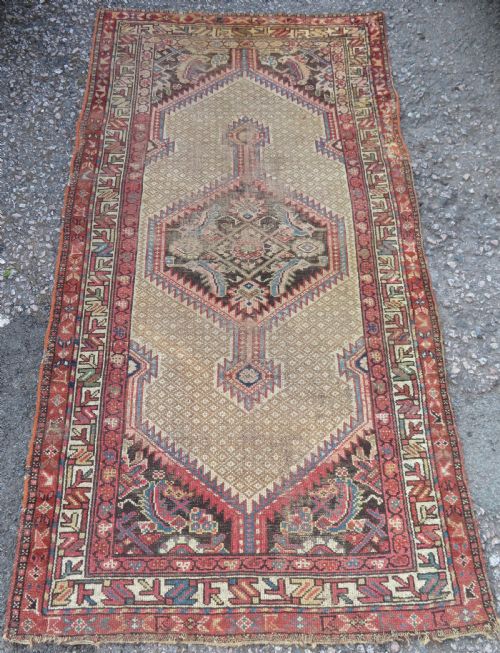
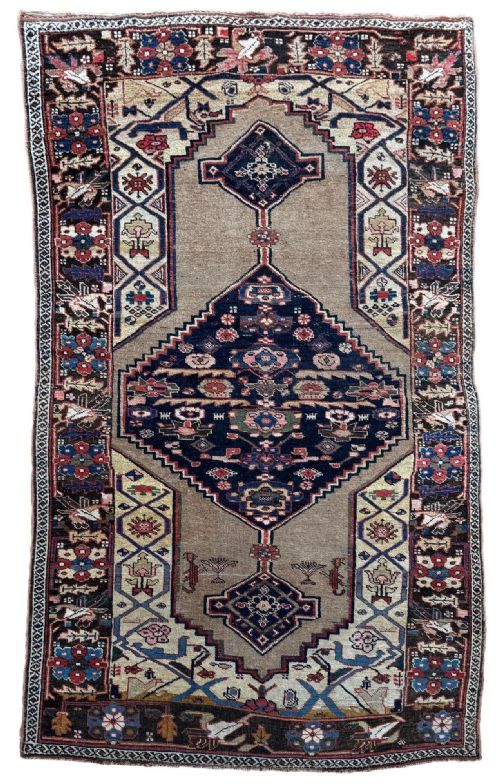
A beige persian carpet is a floor covering originating from various regions of Persia, defined by neutral ground colours and traditional knotted construction. When searching for a beige persian carpet, buyers encounter formats ranging from large country house carpets to long, narrow hallway runners.
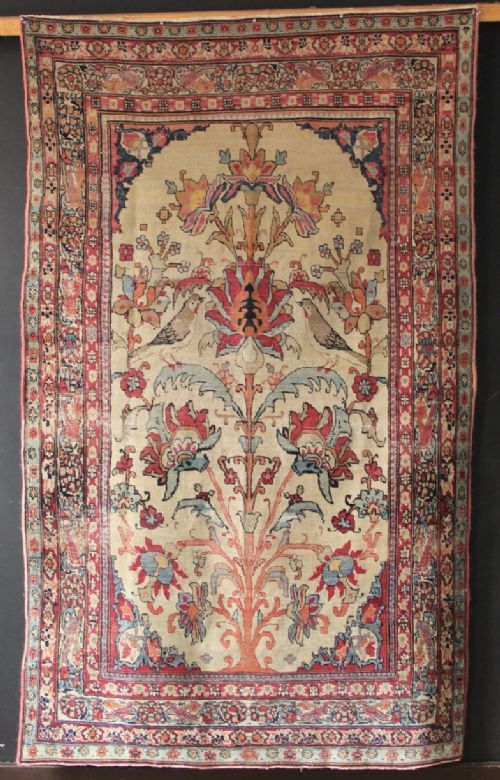
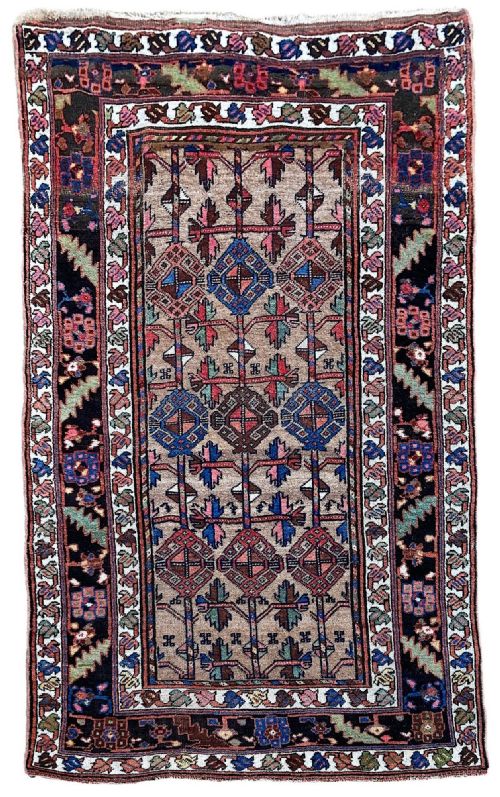
The selections span village and tribal pieces alongside city workshop productions from the nineteenth and early twentieth centuries. These works include woollen and silk examples attributed to weaving centres such as Tabriz, Kirman, Kashan, and Sarab.
Makers and weavers utilised local materials, producing formats that vary from room-sized carpets down to compact prayer rugs and heavy tribal room rugs. Each piece reflects the specific decorative vocabulary of its originating district.
Assessing quality
Knot density and the fineness of the spin dictate the structural integrity and precision of the design execution. Tighter knotting allows for sharper delineation of intricate motifs, particularly in workshop carpets compared to coarser tribal formats.
The choice of materials, such as the inclusion of fine silk or lustrous hand-spun wool, elevates the tactile and visual depth of the pile. Consistency in the natural dye colours and the integrity of the original foundations further distinguish finer examples.
Listings feature pieces spanning from the mid-nineteenth century through to the nineteen-thirties, incorporating wool, cotton, camel hair, and silk materials.
Benlian
The Beige Persian Carpet Glossary
- Warp
- The vertical threads stretched on the loom that form the structural foundation of the carpet. Fringe ends typically consist of these exposed threads.
- Weft
- The horizontal threads passed through the warp threads to hold the knots in place. Together with the warp, they form the grid of the rug.
- Pile
- The surface of the carpet formed by the cut ends of the knots. Materials used for this layer include wool, cotton, camel hair, and silk.
- Runner
- A long and narrow format designed for hallways, corridors, and staircases. These pieces measure significantly longer than they are wide.
- Prayer rug
- A compact devotional rug featuring a mihrab or arch design indicating the direction of prayer. These portable formats were utilised for personal worship.
Beige Persian Carpet: Frequently Asked Questions
How do I clean an antique carpet?
Professional gentle washing is recommended to preserve the natural wool fibres and dyes. Avoid harsh chemical treatments and heavy mechanical agitation.
Regular light vacuuming without a rotating brush helps remove embedded dust without stressing the historic foundation.
Are these carpets suitable for hallways?
Long and narrow runner formats are specifically suited for hallways and corridors. Their dimensions fit transitional spaces while adding warmth underfoot.
Placing an appropriate underlay beneath the runner prevents slipping and reduces wear from heavy foot traffic.
What is a camel ground rug?
A camel ground rug utilises undyed camel wool or specialised camel-toned wool for the background field. This imparts a natural, warm neutral shade.
These grounds frequently appear in tribal and village pieces from regions such as Baluchistan and Sarab.
How do I identify a tribal rug?
Tribal rugs typically feature geometric motifs, asymmetrical designs, and rustic wool textures woven by nomadic or village groups. The patterns rely on tribal memory rather than formal workshop cartoons.
These pieces often display charming irregularities in line and colour distribution compared to city-produced carpets.