

Bedside Pedestal Cupboards
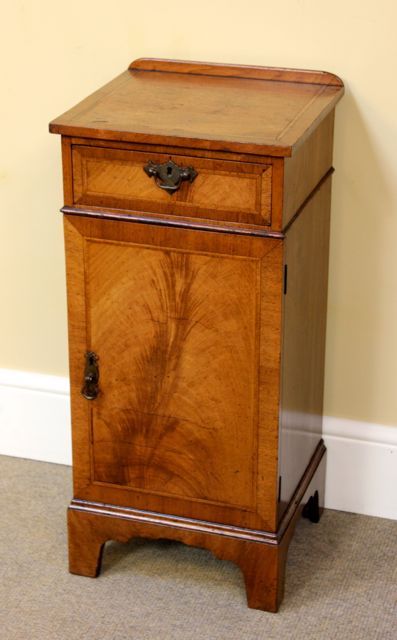
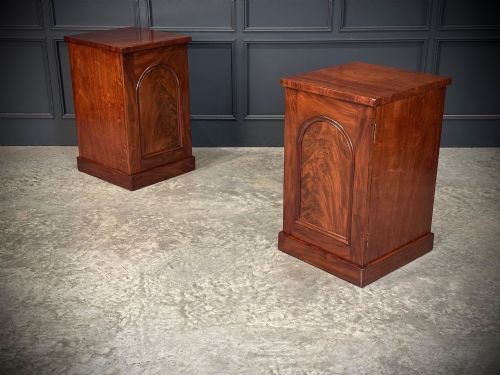
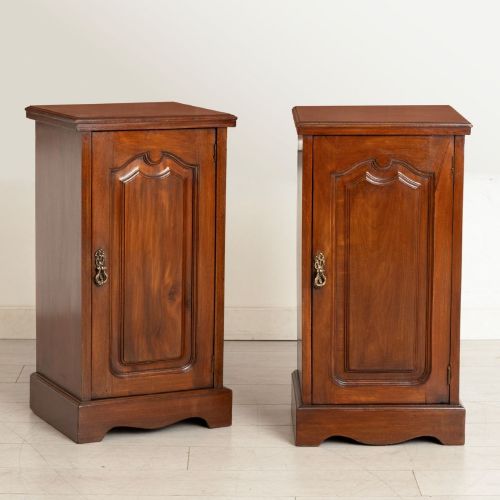
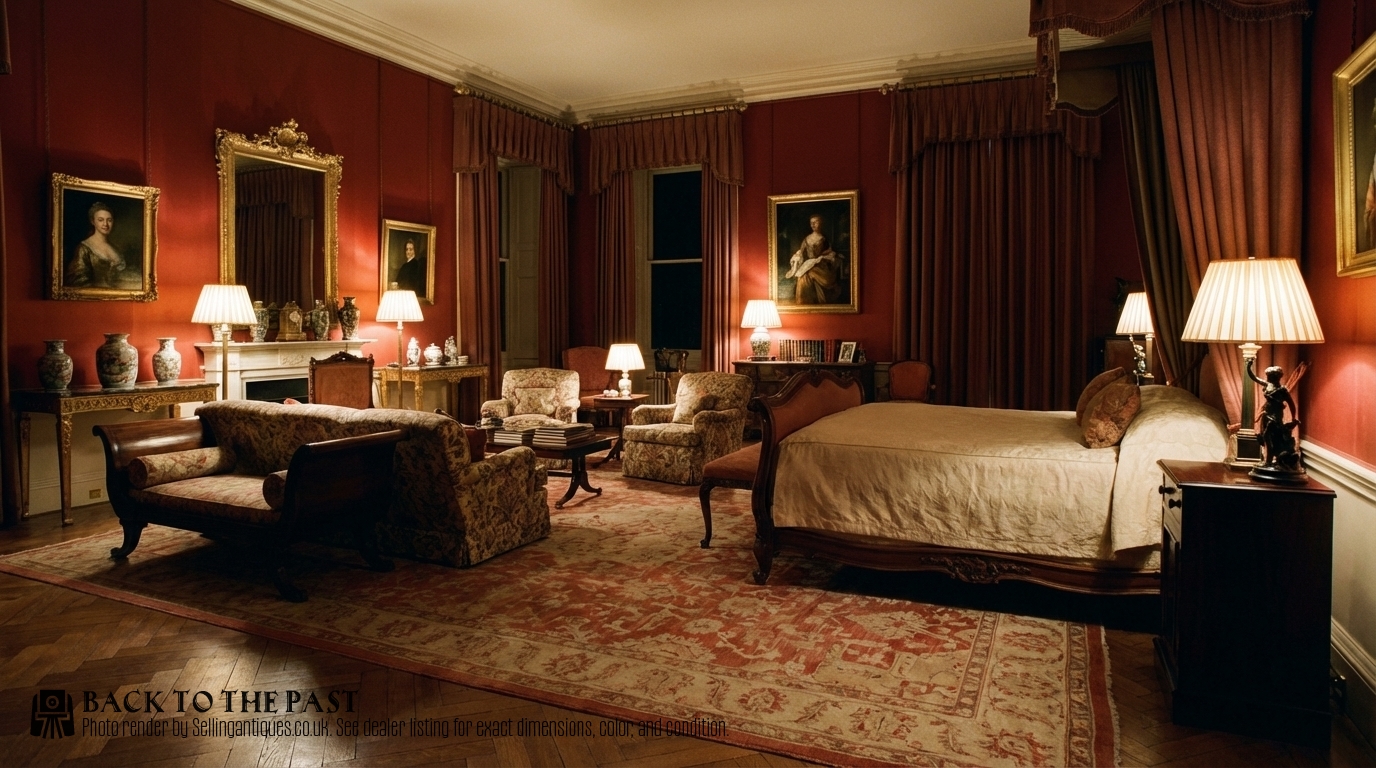
Bedside pedestal cupboards are compact wooden containers that sit beside a bed, holding necessities while bringing period character to a bedroom.
Bedside Pedestal Cupboards
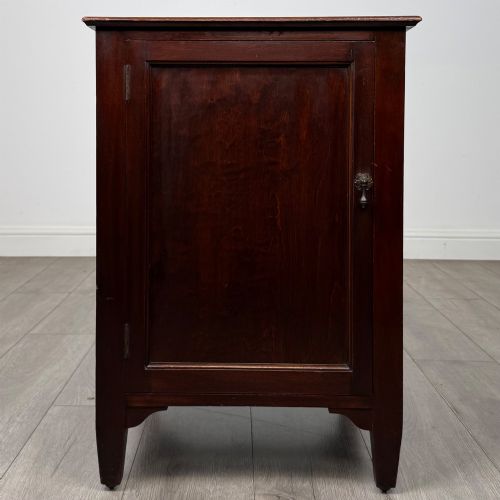
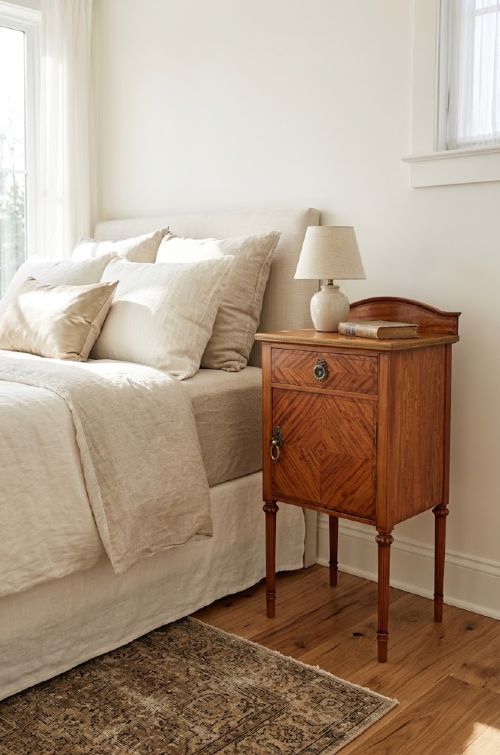
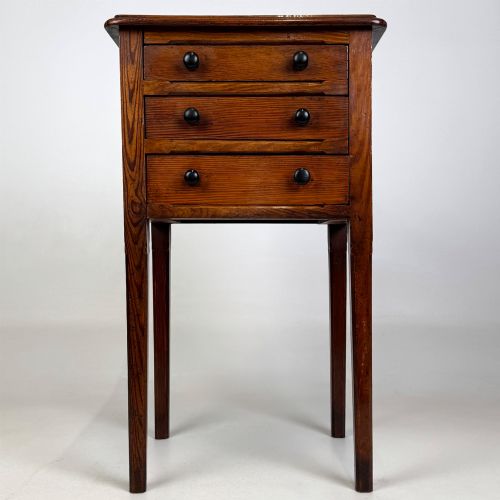
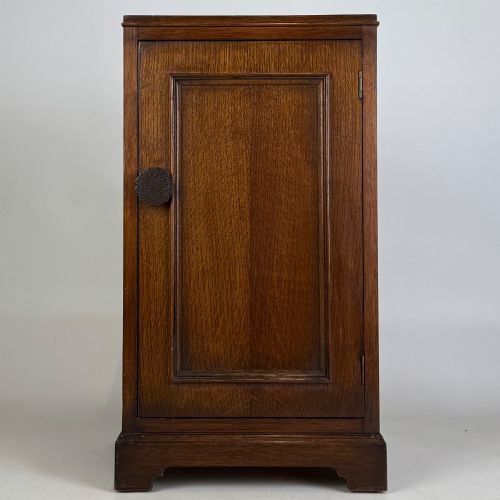
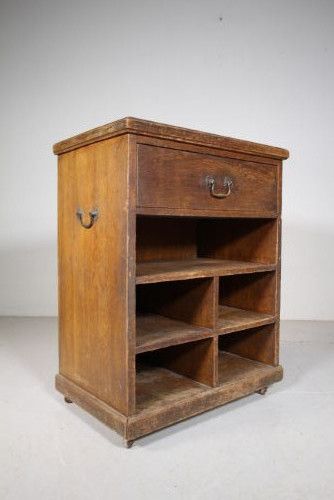
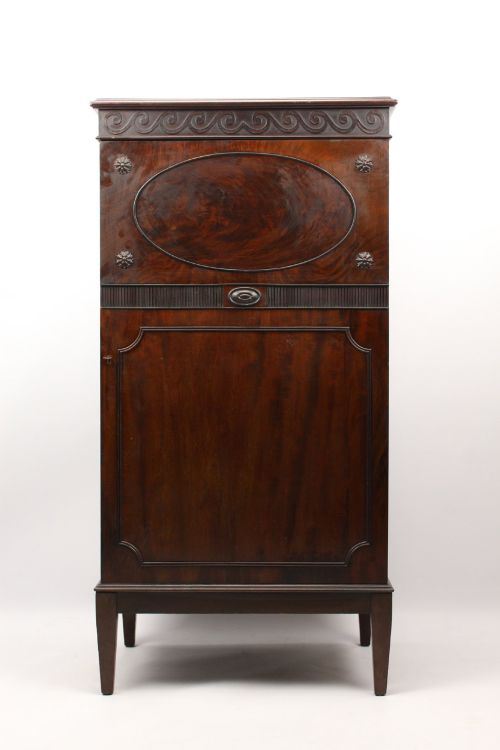
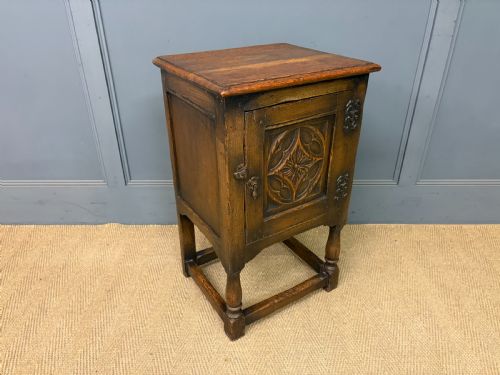
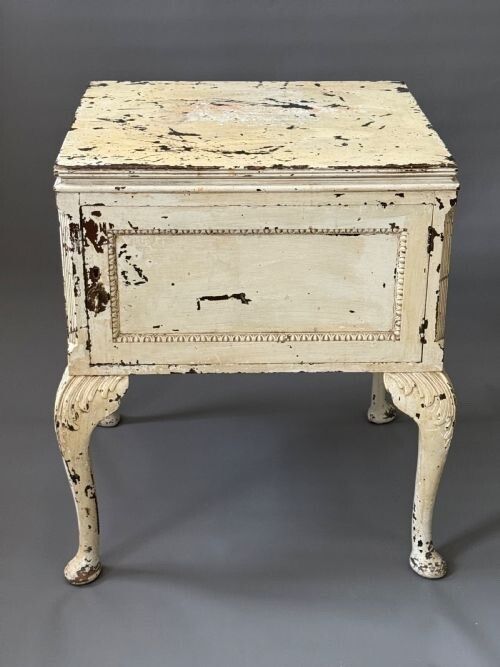
Bedside pedestal cupboards are upright, enclosed pieces designed to sit beside a bed. When you browse this selection of bedside pedestal cupboards, you encounter forms that serve both utilitarian storage and decorative purposes.
The material record spans the nineteenth and twentieth centuries, including the Victorian, Edwardian, and Art Deco eras. Pieces take the shape of single cupboards, pedestal cabinets, and small chests.
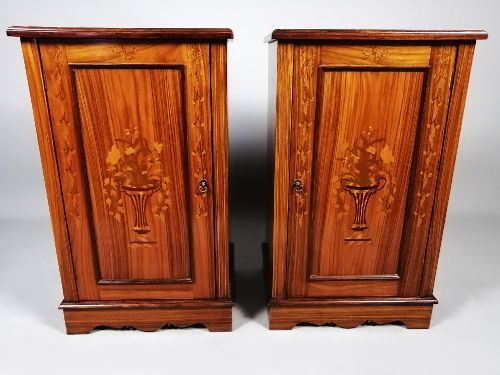
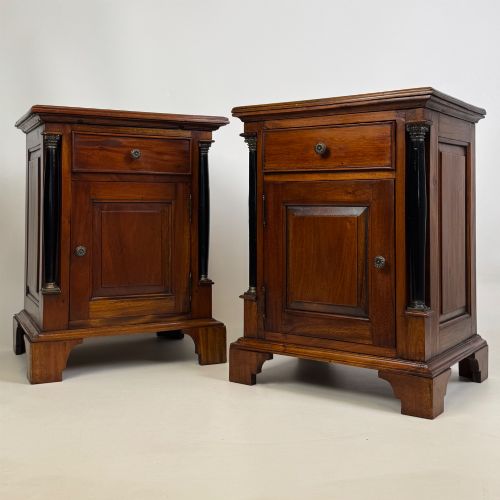
Makers and makers' traditions from Georgian, Victorian, and Edwardian periods appear frequently, often constructed as matched pairs or individual bedside nightstands.
Materials and Construction
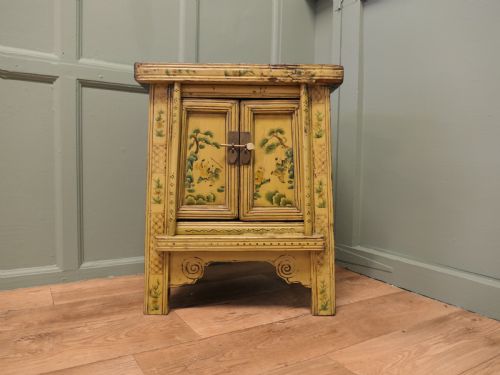
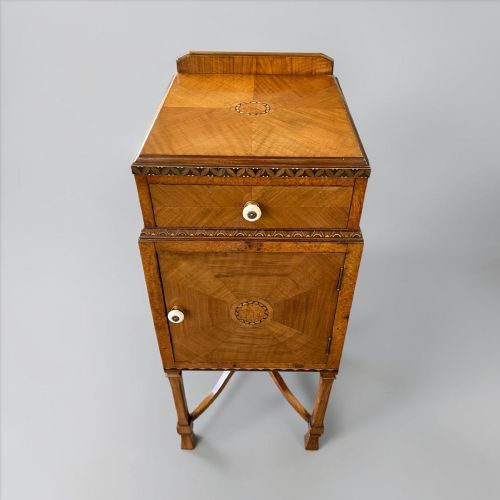
Makers utilised dense hardwoods such as mahogany, walnut, burr walnut, rosewood, and satinwood, alongside oak, pine, and pitch pine. Surfaces frequently feature decorative veneers, marquetry inlay, or painted Chinoiserie and neoclassical motifs.
Hardware incorporates brass fittings, while structural elements occasionally integrate marble tops. Joinery methods reflect the cabinetmaker's craft of the nineteenth and early twentieth centuries, joining solid timbers and applied veneers.
Listings feature woods spanning mahogany, walnut, burr walnut, satinwood, oak, rosewood, and pine, alongside marble and brass.
Evaluating Quality
Quality rests in the selection of timbers, such as figured flame mahogany or richly grained burr walnut, matched across pairs. The precision of marquetry inlay and the integration of brass hardware also signal higher execution.
Proportion and structural integrity differentiate standard utilitarian items from finer cabinetwork produced by established firms.
Denby and Spinks·Morant and Co·Walter Carter Harrods·Holland and Sons
The Bedside Pedestal Cupboards Glossary
- Pedestal cupboard
- A tall, narrow freestanding cabinet designed with an enclosed cupboard space, standing on a plinth or feet. These pieces provide vertical storage within a minimal floor footprint.
- Marquetry
- Decorative patterns formed by fitting small pieces of veneer into a wooden background. This technique creates pictorial or geometric designs on cabinet doors and tops.
- Burr walnut
- Timber taken from the wart-like growth on a walnut tree, yielding highly swirling grain patterns. Cabinetmakers prize this wood for its decorative surface movement.
- Satinwood
- A durable, yellowish wood with a lustrous sheen, often used in fine furniture making during the eighteenth and nineteenth centuries. It provides a bright, reflective contrast to darker hardwoods.
Bedside Pedestal Cupboards: Frequently Asked Questions
What are bedside pedestal cupboards used for?
Bedside pedestal cupboards provide enclosed storage next to a bed for nighttime essentials, lamps, and personal items. Their vertical proportions keep the floor area clear while offering surface space on top.
Historically, these cabinets concealed chamber pots or held bedside water jugs and reading materials. Today, they serve the same practical function while anchoring the bedside design scheme.
How do I date an antique bedside cabinet?
Dating relies on identifying the primary wood species, decorative styles, and construction techniques visible in the piece. Victorian examples often feature heavy mahogany or walnut, while Edwardian pieces frequently utilise lighter satinwood or inlaid mahogany.
Art Deco items display geometric lines and burr walnut veneers characteristic of the nineteen-thirties. Comparing these stylistic markers to documented historical periods establishes the approximate age.
Are bedside cupboards usually sold in pairs?
Bedside pedestal cupboards appear both as individual pieces and as matched pairs. Single cabinets suited smaller historical bedroom layouts or single beds.
Pairs became more common for larger bed frames, particularly through the Victorian and Edwardian periods. Finding a matched pair of nineteenth-century pedestals remains standard for twin bed arrangements.
Which woods are most common?
Mahogany forms the majority of nineteenth-century bedside furniture, ranging from plain dark surfaces to figured flame grains. Walnut and burr walnut also appear frequently across Victorian and Art Deco designs.
Lighter woods such as satinwood and oak emerge in Edwardian pieces, while pine serves in simpler country or painted variants. Each timber dictates the overall visual weight of the furniture.