
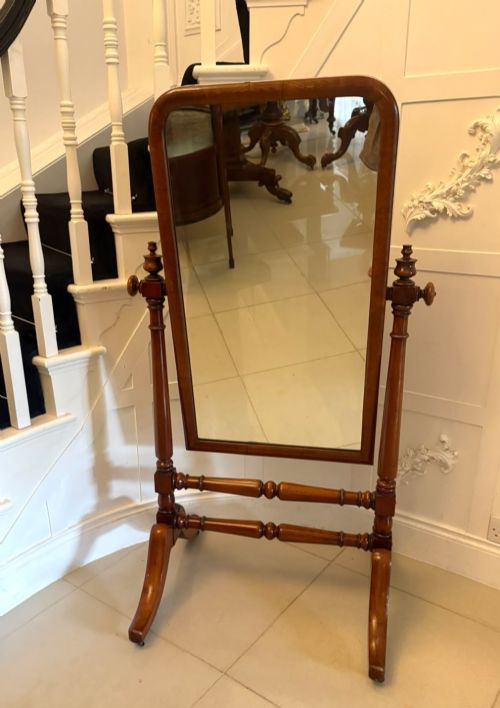
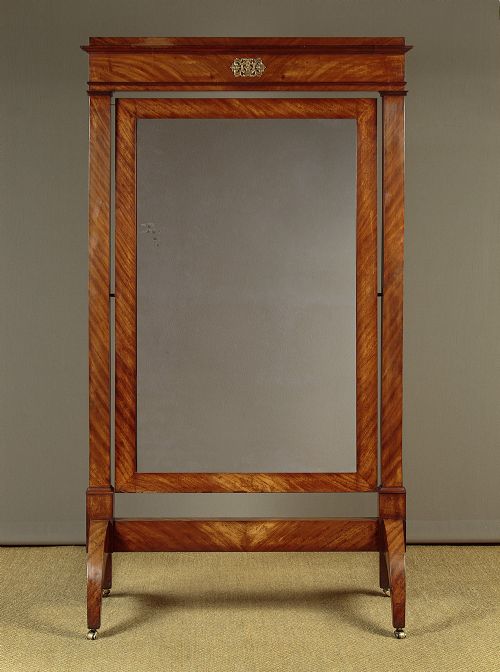
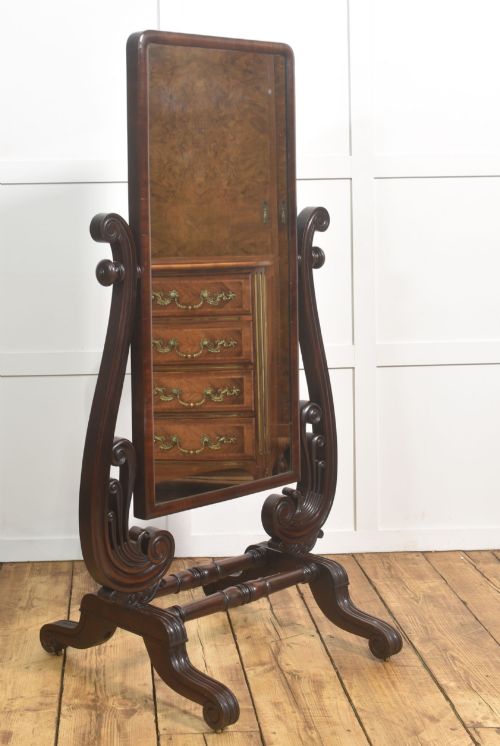
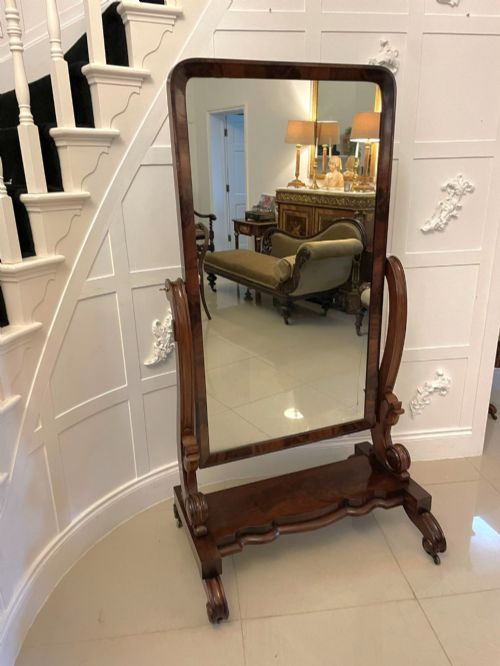

Bedroom Cheval Mirror
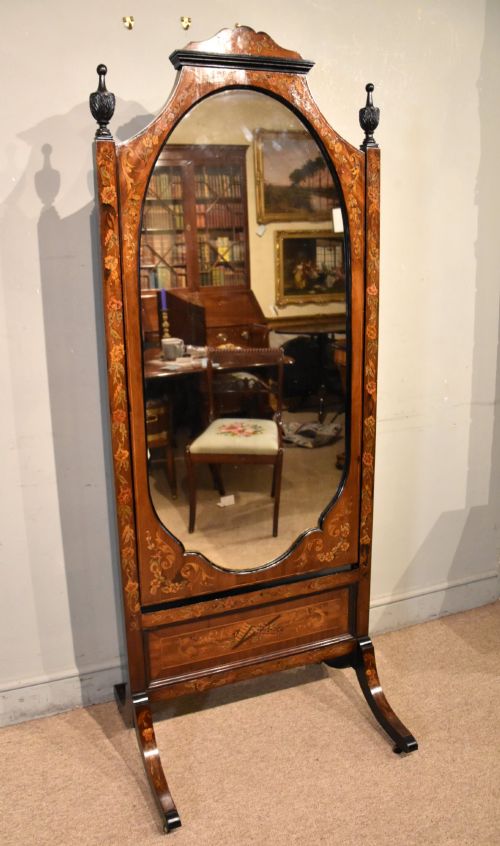
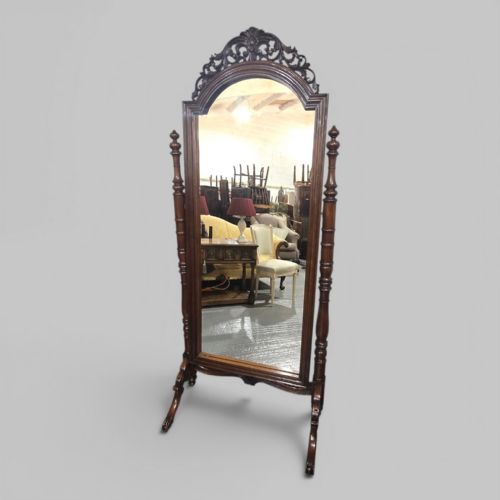
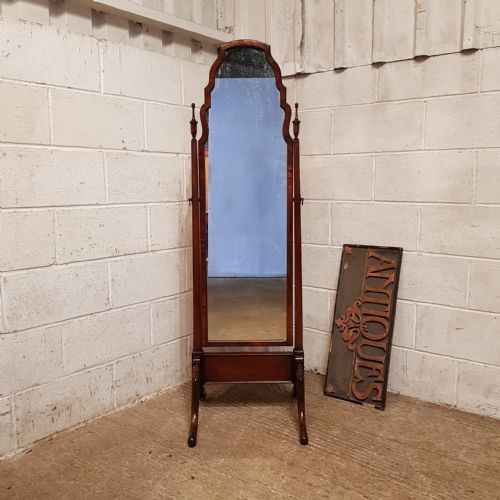
A bedroom cheval mirror is a freestanding, full-length adjustable glass designed to tilt for dressing, offering a commanding presence in a traditional room.
Bedroom Cheval Mirror
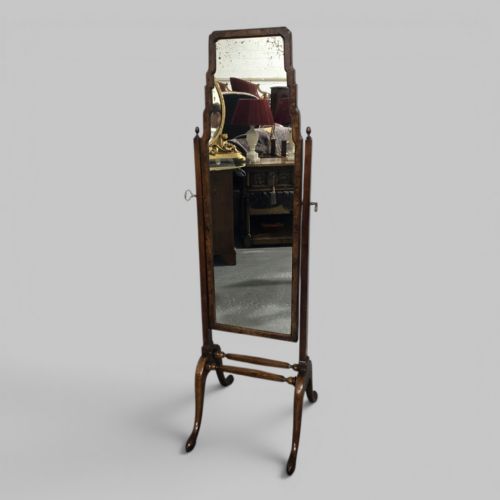
A bedroom cheval mirror provides a full-length reflective surface supported by a frame with vertical posts and pivoting pivots, allowing the glass to tilt at various angles. When searching this phrase, buyers encounter substantial pieces designed to stand independently on the floor rather than sit upon a surface.
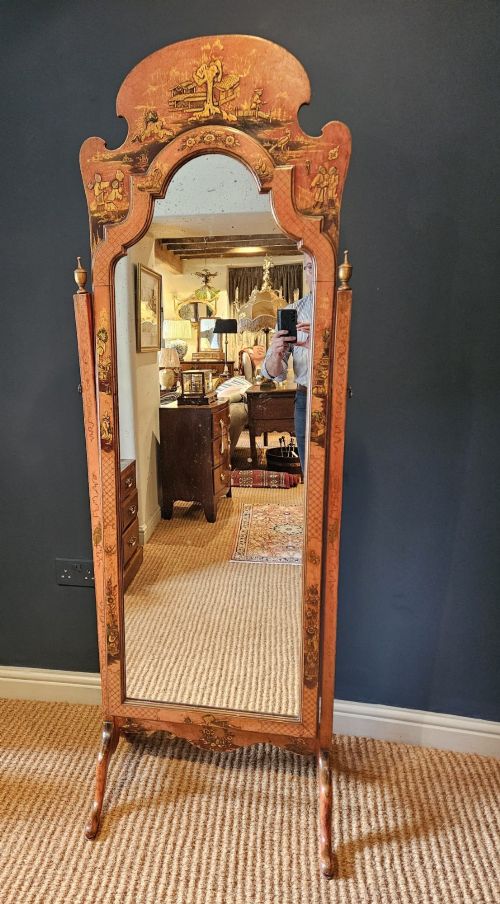
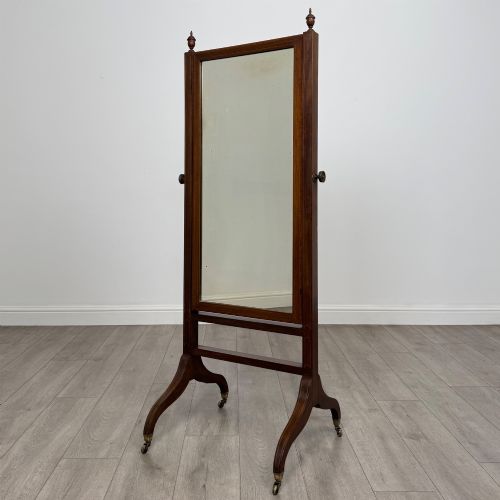
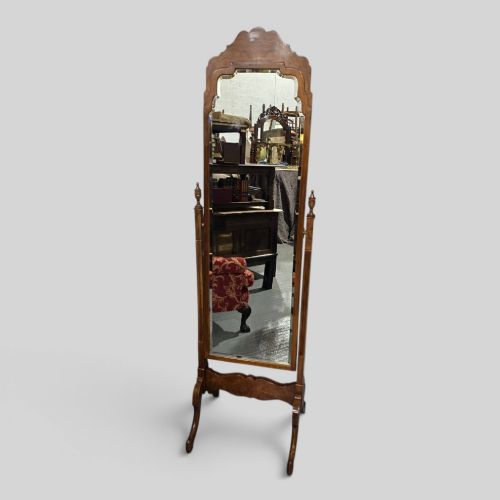
Most examples found here date from the nineteenth and twentieth centuries, spanning periods such as Victorian, Edwardian, and Regency. Forms range from simple upright mahogany frames to decorative Chinoiserie designs and walnut constructions influenced by earlier reigns.
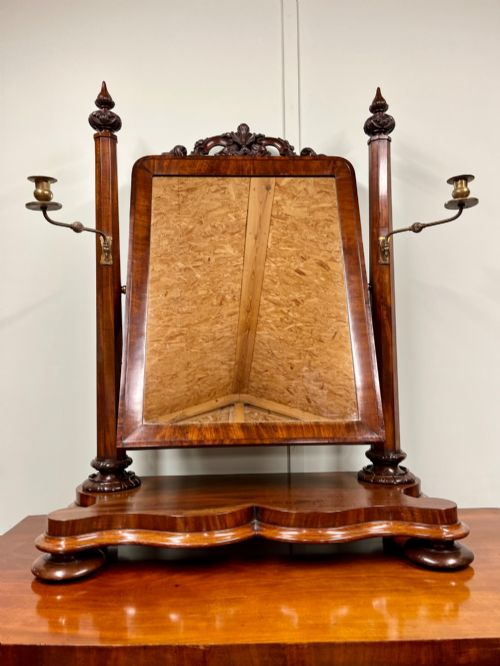
Associated formats include dressing table mirrors and smaller toilet mirrors, though the true cheval stands on its own base. The evidence shows timber frames predominantly in mahogany, walnut, and oak, often fitted with original brass hardware.
How they were made
Cabinetmakers constructed these frames using dense hardwoods like mahogany, walnut, and oak, sometimes accented with burr veneers or boxwood stringing. The timber was selected for strength to support the heavy weight of the swinging glass frame between sturdy upright pillars.
Pivot mechanisms, commonly cast in brass, allowed the mirror plate to tilt smoothly and hold its position via adjustable screws or weighted pins. The glass itself was set into a secondary inner frame, protected at the back by wooden panels.
Bases varied from simple trestle feet with cross stretchers to four-legged platforms equipped with castors for easy repositioning around the bedchamber.
Some nineteenth-century versions include hidden drawers in the base for storing morning ribbons.
What varies in quality
The sophistication of the timber selection and cabinetwork marks the distinction between standard pieces and finer works. Solid, well-figured mahogany or richly patterned burr walnut paired with crisp carving indicates superior workshop origin.
The engineering of the pivot mechanism and the stability of the upright supports determine structural integrity. High-quality examples maintain smooth motion without sagging, supported by heavy, well-balanced bases that prevent tipping.
Gillows·Waring and Gillow
The Bedroom Cheval Mirror Glossary
- Cheval glass
- A large mirror designed to stand on the floor within a movable frame. It permits a full-length view of the person dressing.
- Tilt dressing glass
- A smaller mirror plate mounted on pivots within a supportive stand. This allows the glass angle to be adjusted.
- Burr walnut
- A prized timber harvested from walnut tree growths, displaying intricate swirling grain patterns. It was used for decorative veneer on high-end furniture.
- Boxwood stringing
- A narrow inlay of pale wood set into contrasting darker timber. It provides delicate linear decoration around the frame edges.
- Swing mirror
- A reflective plate hung on side pivots within a frame. This enables the glass to swing back and forth.
Bedroom Cheval Mirror: Frequently Asked Questions
How do I use a cheval mirror?
A cheval mirror stands independently on the floor, allowing you to view your entire outfit from head to toe.
The frame uses side pivots so you can tilt the glass forwards or backwards to find the correct viewing angle.
Where should I place a cheval mirror?
These mirrors are traditionally positioned in a bedroom or dressing room near natural light sources. Their freestanding nature means they do not require wall mounting.
Ensure the floor is level so the heavy frame rests evenly on its feet or castors.
What is the difference between a cheval mirror and a toilet mirror?
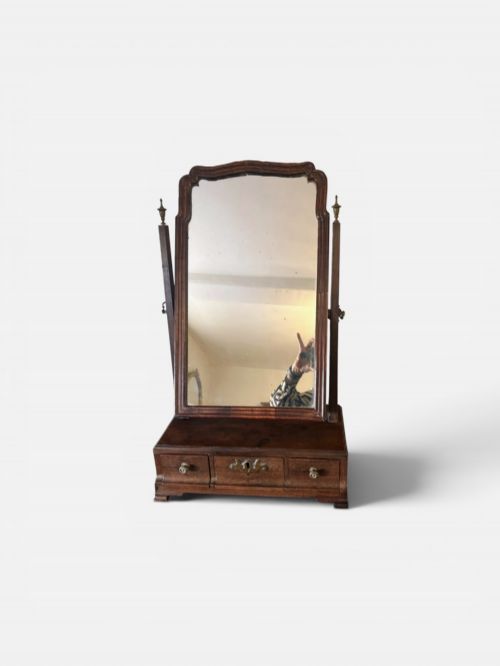
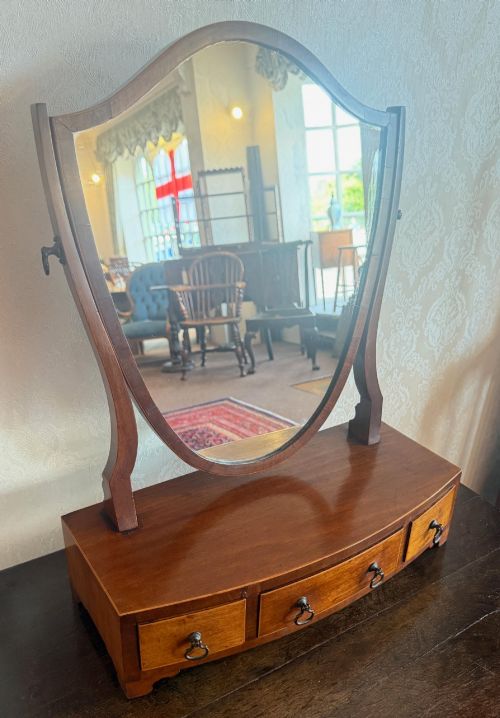
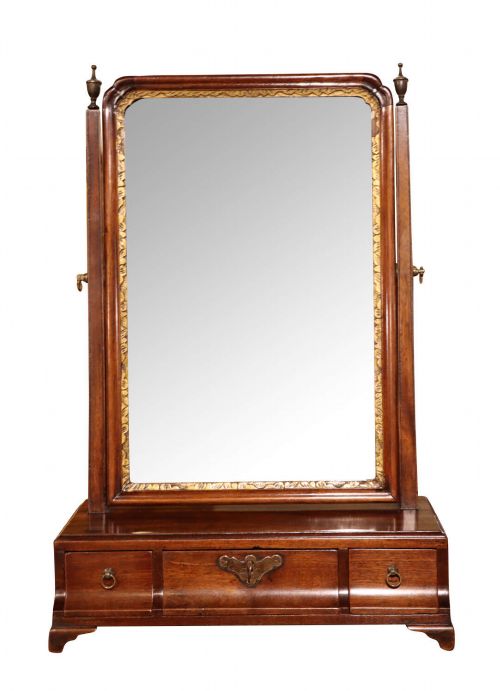
A cheval mirror is a tall, floor-standing piece that shows your whole reflection. A toilet mirror is much smaller and sits on top of a dressing table or chest.
Toilet mirrors generally only show the upper body and face.
How do I date an antique cheval mirror?
Dating relies on examining the timber species, construction methods, and the style of the frame supports. Regency and Victorian examples show distinct leg designs and brass hardware typical of their eras.
Secondary woods at the back of the frame and the type of mirror glass also provide clues to the period.