
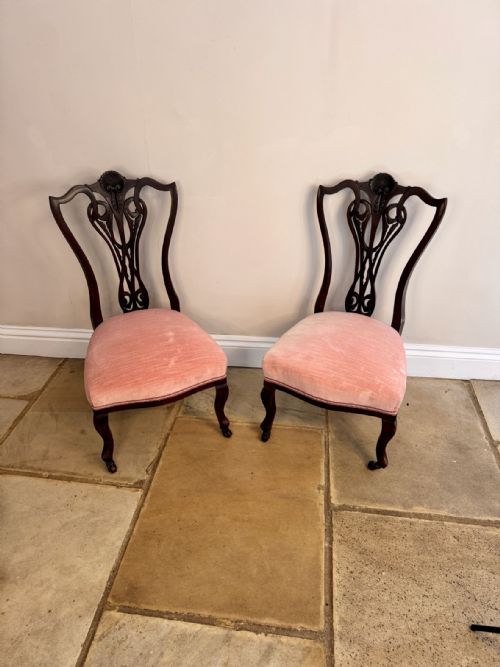
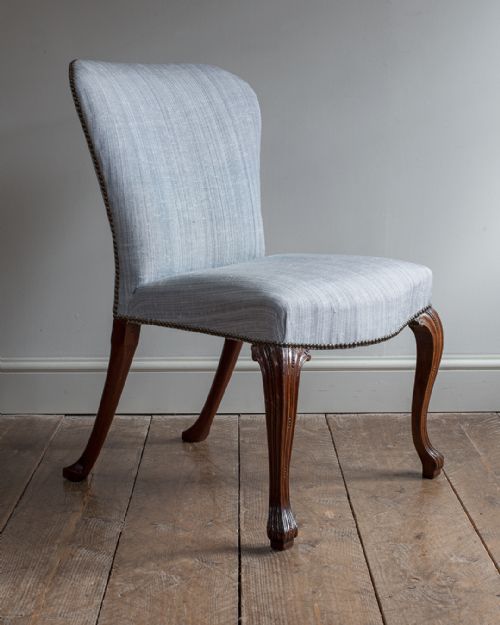
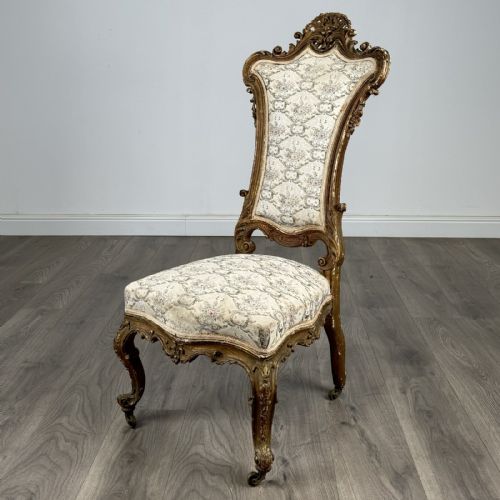
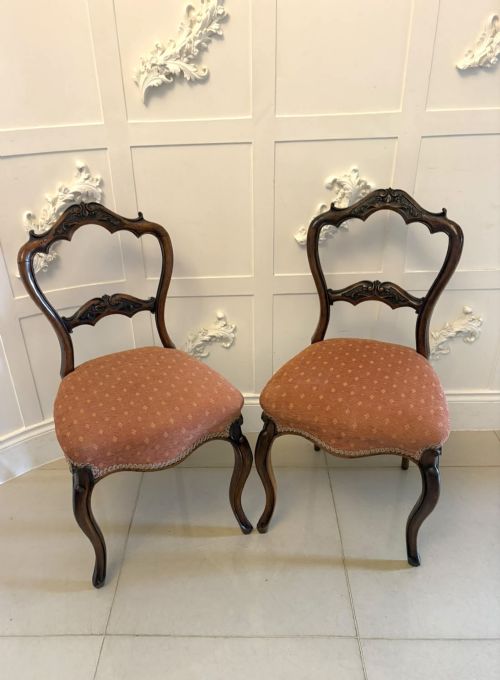
Bedroom Accent Side Chair
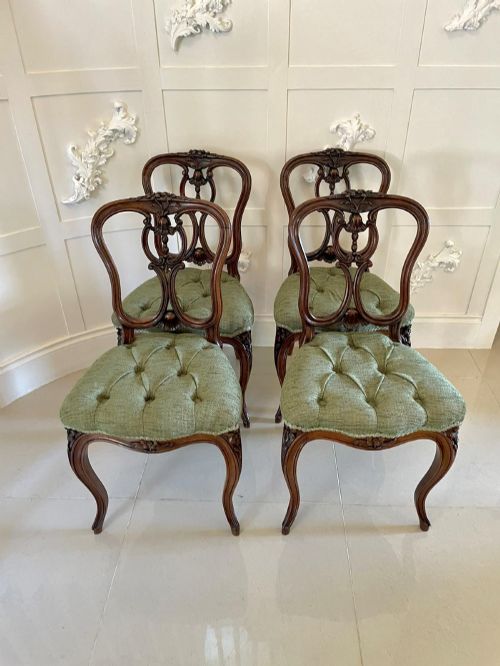
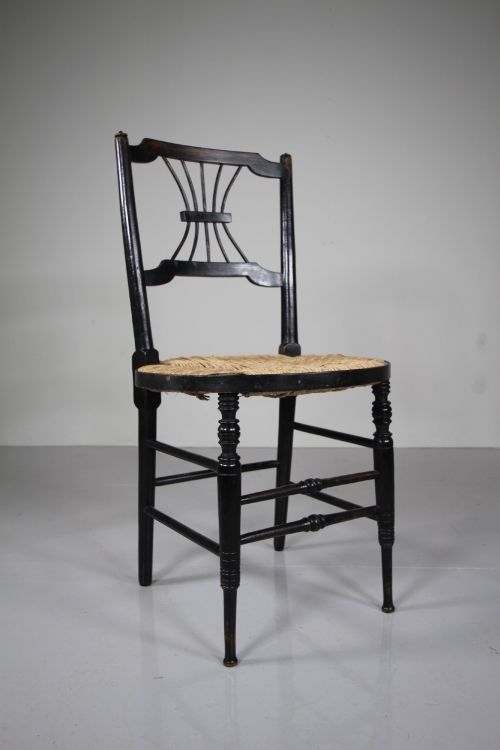
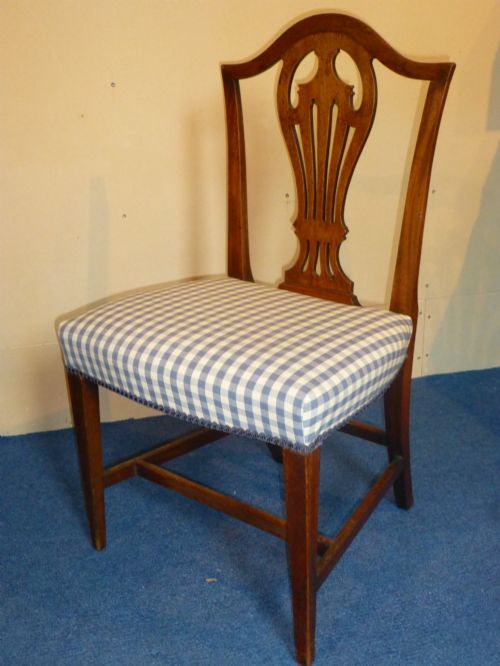
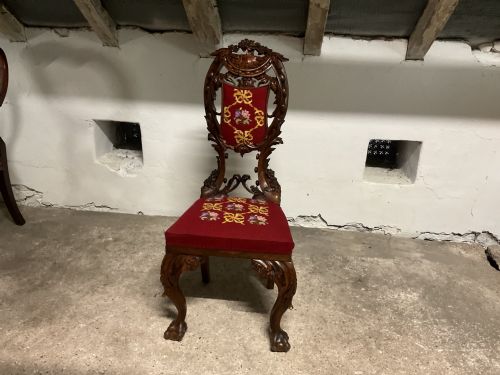
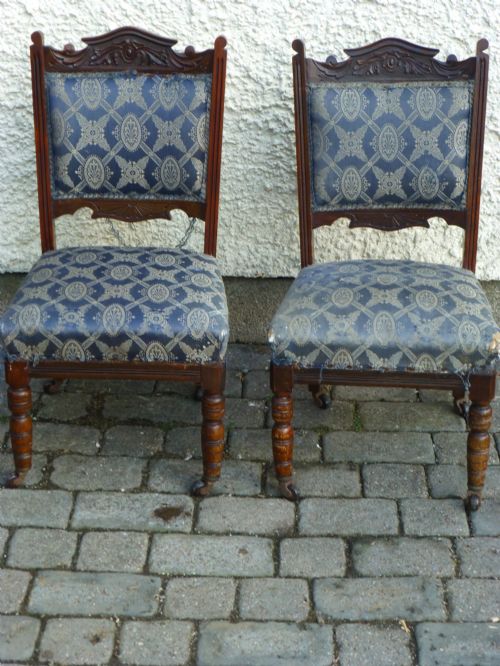
A bedroom accent side chair brings period character and practical seating to a corner, drawing on nineteenth-century and early forms.
Bedroom Accent Side Chair
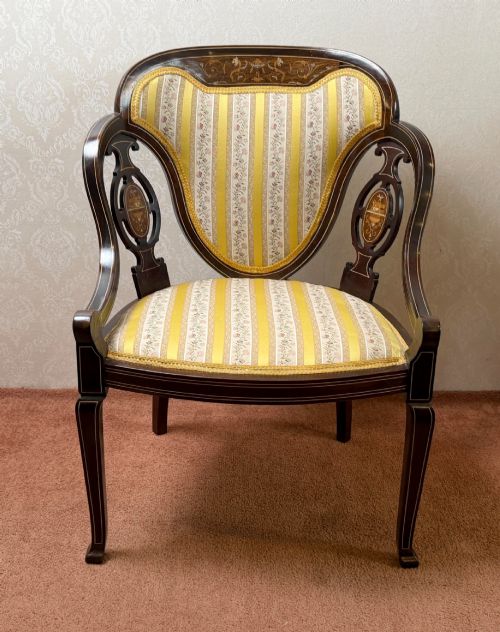
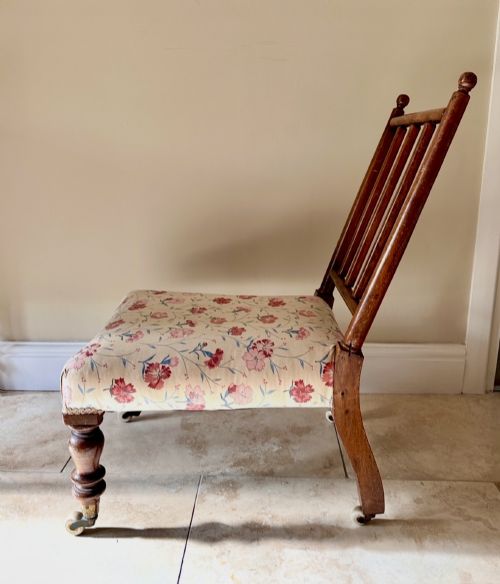
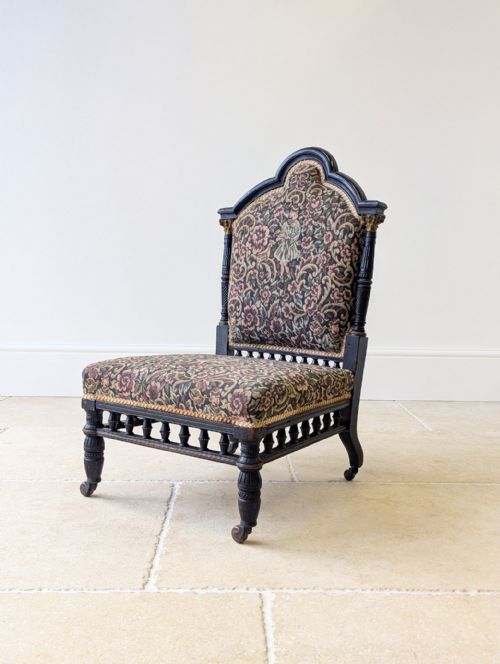
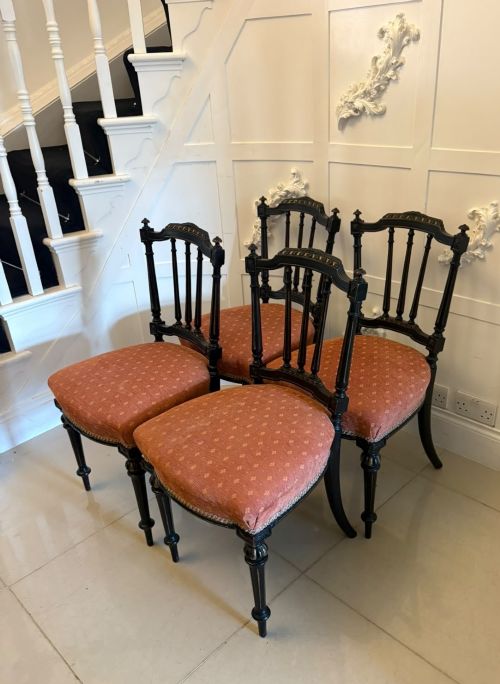
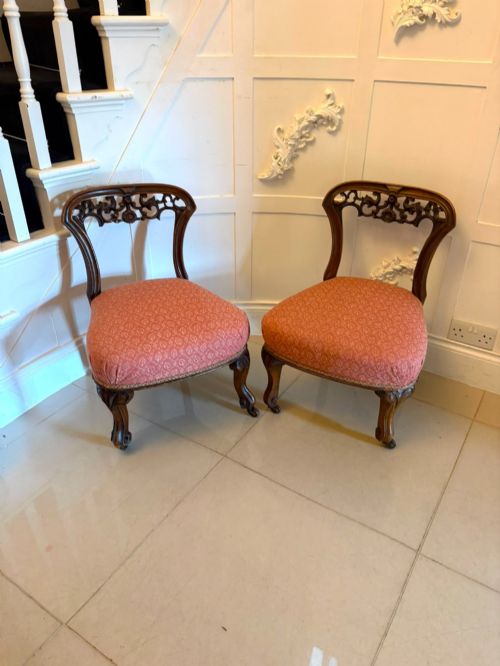
A bedroom accent side chair encompasses nineteenth-century walnut and mahogany examples, alongside earlier eighteenth-century fruitwood pieces and later Edwardian or Art Deco designs. These seating forms often overlap with salon chairs, nursing chairs, and hall chairs found across the selection.
Makers and workshops utilised various timbers such as satinwood, birds-eye maple, beech, and rosewood, incorporating details like cane seats, velvet upholstery, and mother-of-pearl inlay.
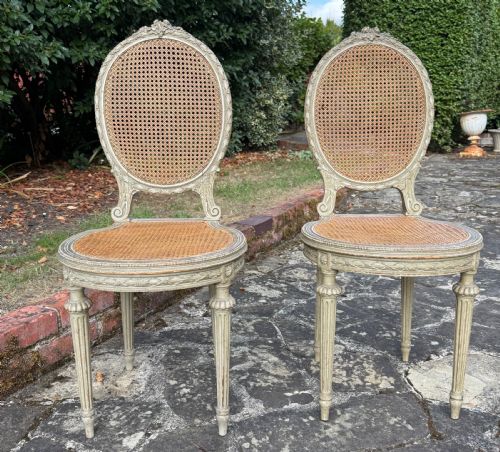
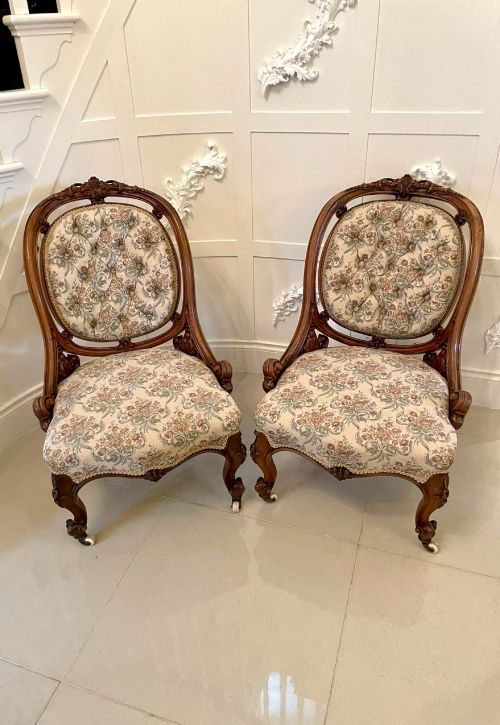
Buyers encounter distinct regional revivals, including French styles, Sheraton Revival, and Victorian Rococo, which translate formal seating into domestic bedroom settings.
Materials and Construction
Cabinet makers constructed frames from dense hardwoods like mahogany, walnut, and fruitwood, frequently employing ebonised finishes, gilding, or ormolu mounts for decorative impact.
Seating portions often feature hand-woven cane or traditional upholstery built upon webbing and fabric, including tapestry and velvet.
Design influences span from eighteenth-century Georgian fruitwood through Victorian revival styles to Art Deco and Edwardian interpretations.
Craftsmanship and Detail
The standard of carving defines the distinction between standard production and finer output, visible in scroll-carved backs, pierced splats, and turned bobbin framing.
The integrity of original decorative elements, such as mother-of-pearl inlay, brass mounts, and gilt detailing, shapes the overall refinement of the piece.
William Morris·Howard and Sons·Bath Cabinet Makers
The Bedroom Accent Side Chair Glossary
- Side Chair
- A chair without arms, designed primarily for occasional seating around a room rather than dining specifically. These pieces fit easily into bedroom corners or beside dressing tables.
- Nursing Chair
- A low-seated chair traditionally used for feeding children or personal grooming. They frequently feature padded backs and shorter legs.
- Cane
- Plant material woven into open mesh patterns for seats and backs. It provides a lightweight, resilient surface often seen on Edwardian and Victorian examples.
- Ormolu
- Gilded bronze mounts applied to furniture for decoration. This technique is typical of French-influenced nineteenth-century pieces.
- Ebonised
- Wood finished to resemble ebony through staining or painting. This treatment gained popularity during the Aesthetic Movement and Victorian periods.
Bedroom Accent Side Chair: Frequently Asked Questions
Where do I place a bedroom accent side chair?
These chairs fit well in empty corners, beside dressing tables, or near a wardrobe to serve as a convenient spot for clothing.
Their compact proportions allow them to occupy minimal floor space while adding distinct period character to the room.
How do I identify a Victorian bedroom chair?
Victorian examples often display dark woods like walnut or ebonised finishes, accompanied by carved details, low seats, or upholstered panels.
Many incorporate decorative elements such as mother-of-pearl inlay or scroll-carved woodwork characteristic of the nineteenth century.
Can I use these chairs for daily seating?
Most antique side chairs function well for light daily use, though some low nursing chairs or decorative salon pieces suit occasional seating better.
Checking the stability of the frame and the condition of any cane or upholstery ensures practical longevity.