

Barr Flight and Barr
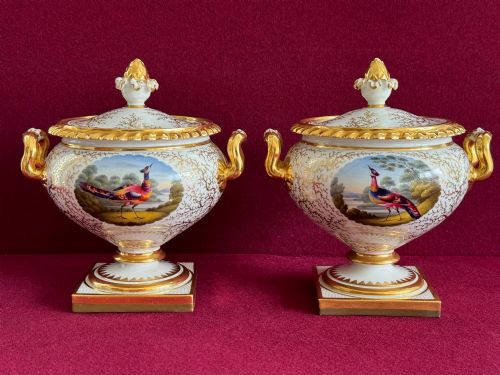
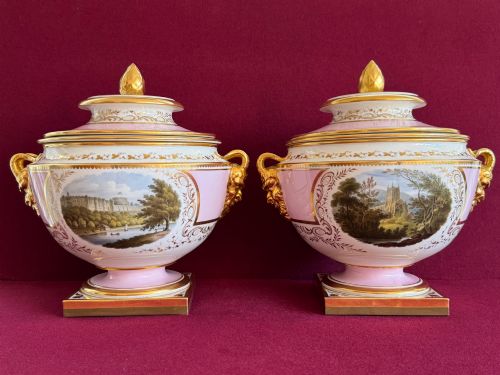
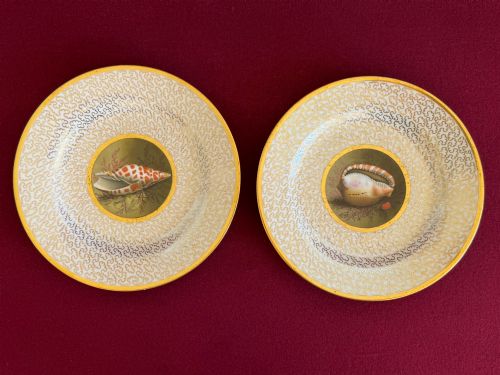
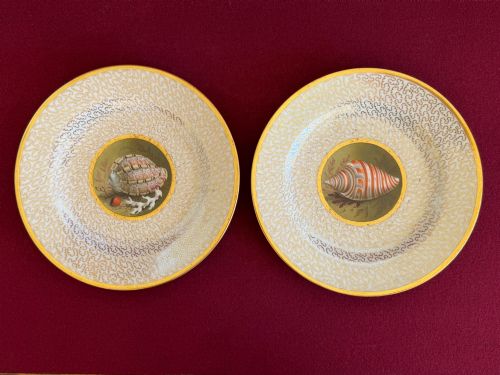
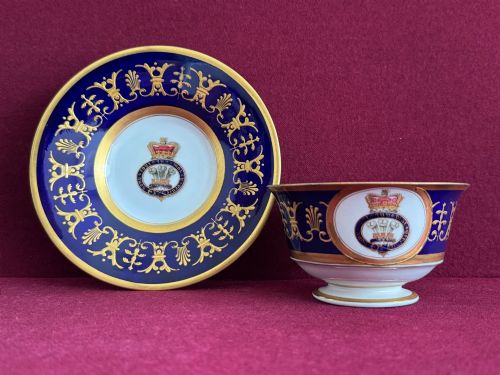
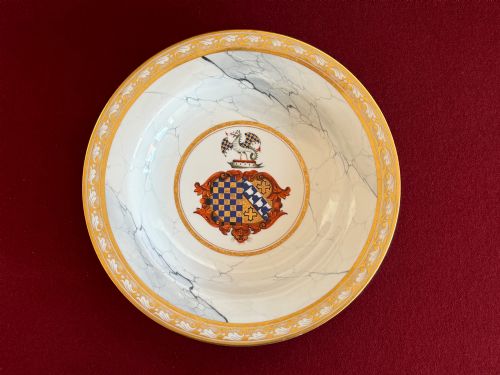
These pieces of barr flight and barr are fine Worcester porcelain vessels and tableware crafted during the Georgian and Regency periods.
Barr Flight and Barr
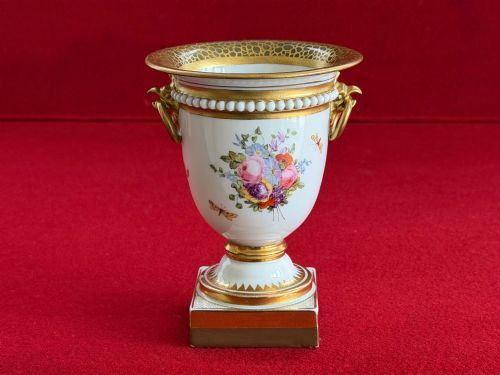
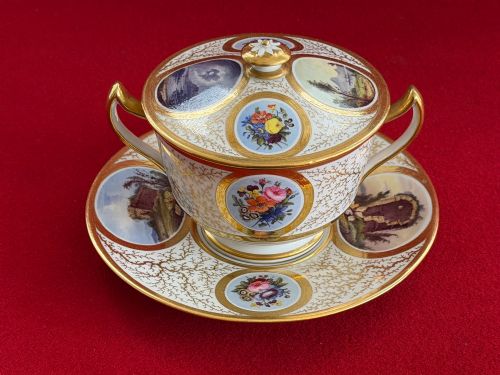
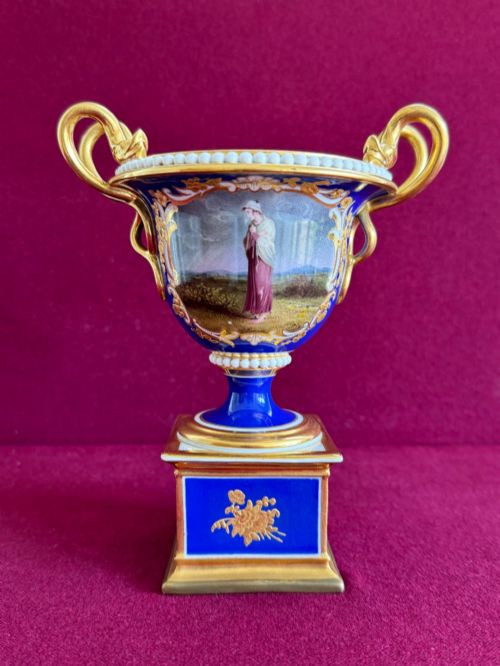
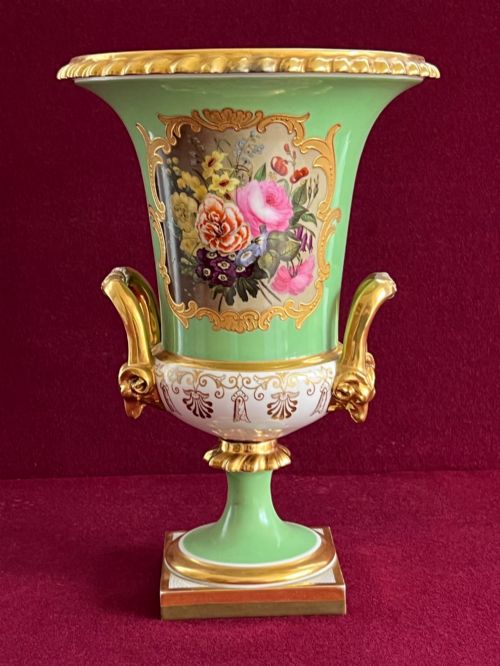
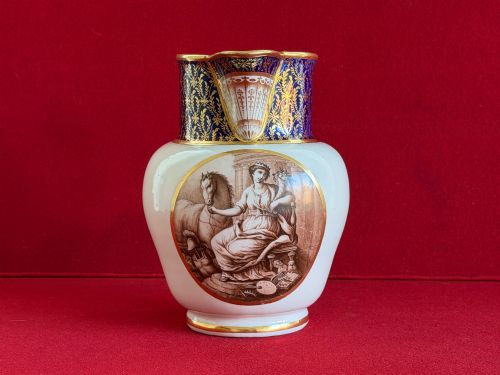
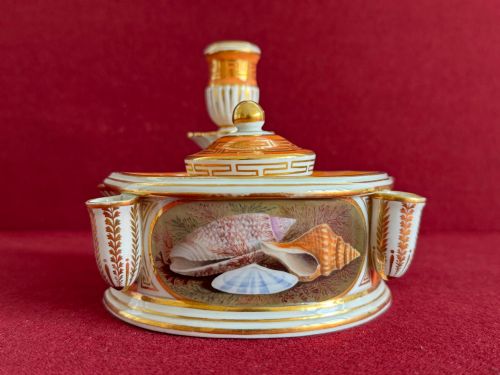
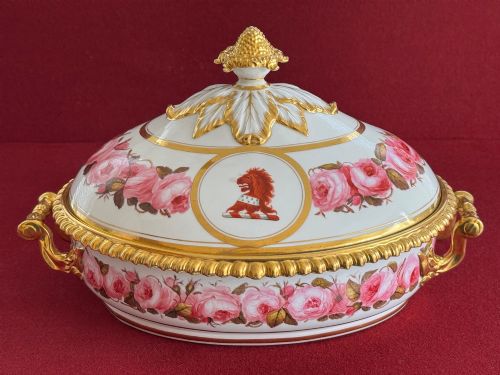
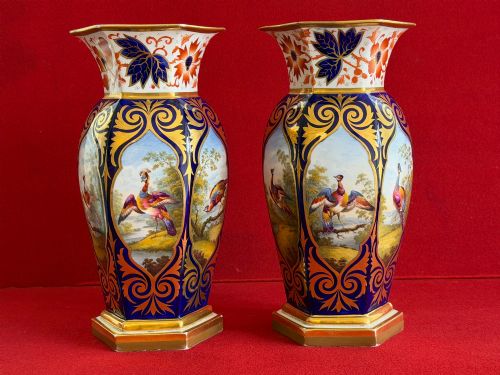
When you search for barr flight and barr, you encounter porcelain produced by the renowned Worcester factory during its successive partnerships under the Flight, Barr and Barr names. The pieces span utilitarian dining wares such as soup plates, entrée dishes, and teacups, alongside decorative display objects including campana vases, jardinieres, and ice pails.
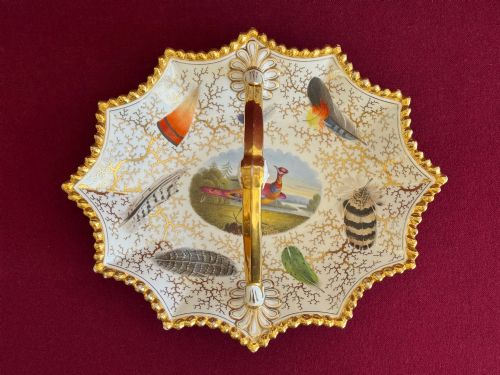
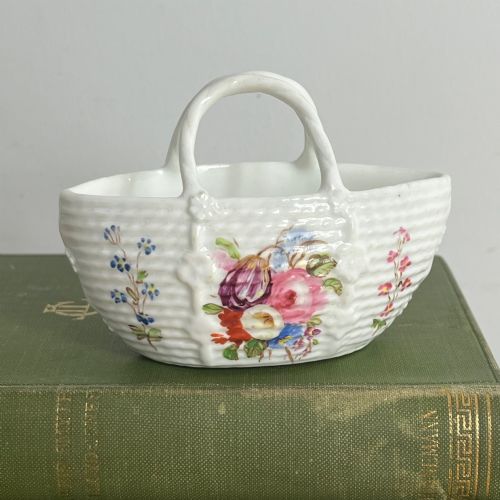
The selection on this page centres predominantly on Regency and Georgian forms, reflecting the height of the factory's output in the late eighteenth and early nineteenth centuries. You will find cabinet plates, baskets, and inkstands bearing handpainted motifs and rich gilding from this specific era.
Materials and technique
The body of each piece consists of fine porcelain or soft-paste porcelain, thrown or moulded into complex shapes like campana urns and pedestal vases. Artisans applied detailed handpainted designs, often featuring botanical studies, topographical scenes, or Chinoiserie patterns such as the Dragon in Compartments.
Decoration relies heavily on gold leaf, gilding, and enamel to accent borders, handles, and central motifs. Specialist decorators such as Thomas Lowe and Samuel Astles added painted details that were subsequently fixed in the kiln.
Barr Flight and Barr Retail Price Guide 2026
Typical asking prices for barr flight and barr among the pieces listed under this phrase on Sellingantiques today, from the lower quarter to the upper quarter. They describe what is for sale here now, not the wider market.
Listings feature porcelain from both the Georgian and Regency periods, utilising enamel, gold leaf, and soft-paste porcelain.
What separates the tiers
Quality in these porcelain objects rests upon the precision of the handpainted decoration and the ambition of the form. Elaborate garnitures, armorial services, and pieces bearing named topographical scenes or distinct patterns demand greater artistic skill than standard domestic tableware.
The application and preservation of the gold leaf and enamel also determine distinction. Dense, burnished gilding and intricate multi-coloured enamel work elevate an item above simpler, monochrome counterparts.
John Pennington·Thomas Lowe·Samuel Astles
The Barr Flight and Barr Glossary
- Campana shape
- A vase profile resembling an inverted bell with an everted rim and a pedestal foot. This classical form was popular during the Regency period for decorative urns.
- Entrée dish
- A covered serving vessel designed for the second course of a formal Georgian or Regency meal. These pieces often include matching liners and stands.
- Gilding
- The application of gold or gold leaf to the surface of porcelain for decorative effect. It is frequently burnished to create a contrasting matte and bright finish.
- Soft-paste porcelain
- A ceramic material composed of clay and glass frit, fired at lower temperatures than hard-paste porcelain. It is characteristic of earlier English factory production.
- Armorial
- A porcelain service or individual plate decorated with a family coat of arms. These custom commissions indicate high-status ownership during the Georgian era.
Barr Flight and Barr: Frequently Asked Questions
How do I date these items?
Dating relies on the specific factory partnerships recorded in the painted or impressed backstamps, alongside stylistic indicators of the Georgian and Regency periods. Variations in the script and royal warrants help narrow the manufacturing window between roughly eighteen hundred and eighteen twenty-five.
Changes in porcelain paste composition and decorative fashion also assist in placing a piece within this specific chronological bracket.
Were these pieces used daily?
Many items, such as tea cups, saucers, and soup plates, were intended for dining and social rituals in prosperous households. Fine tableware saw service during formal meals and afternoon tea gatherings.
Conversely, large vases, jardinieres, and ice pails served primarily as decorative furnishings for drawing rooms and dining tables.
How should I care for them?
Gentle hand washing in lukewarm water with mild soap preserves the delicate enamel paints and gold leaf gilding. Harsh detergents and modern dishwashers will erode the historical surface decoration permanently.
Display pieces should be kept away from direct sunlight to prevent fading of the handpainted pigments over time.
What are the common patterns?
Popular decorative themes include botanical flower studies, topographical views of English scenery, and elaborate Chinoiserie designs. The Dragon in Compartments pattern is a recurring motif seen across plates and tea wares.
Armorial crests and classical neoclassical borders also appear frequently on high-status cabinet pieces.