



Baroque Writing Table
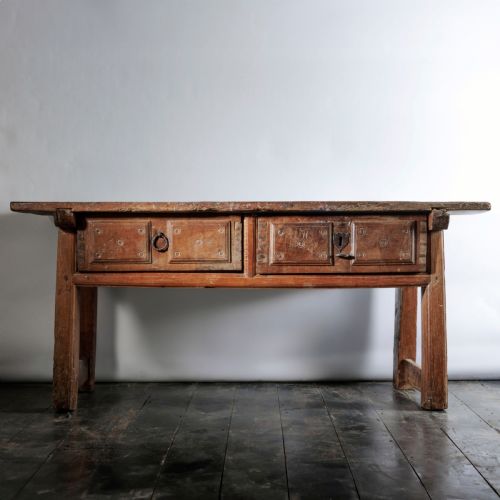
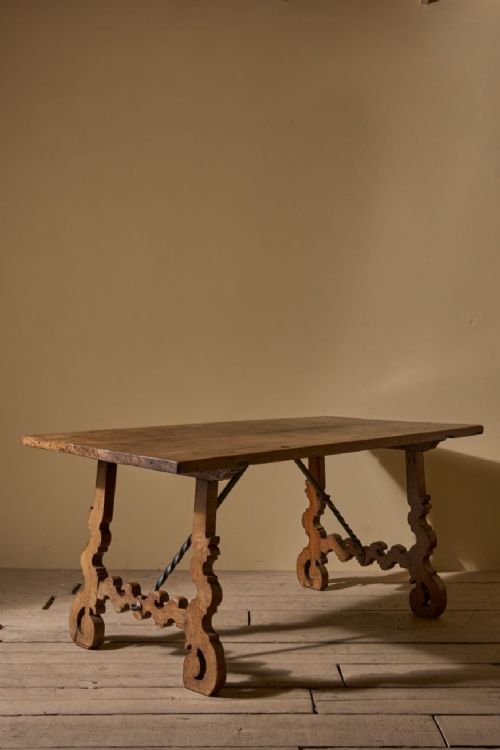
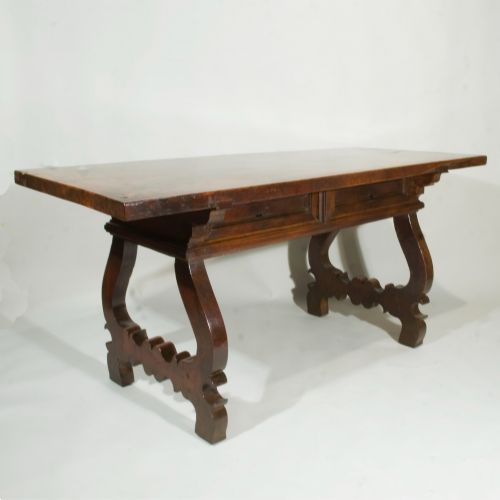
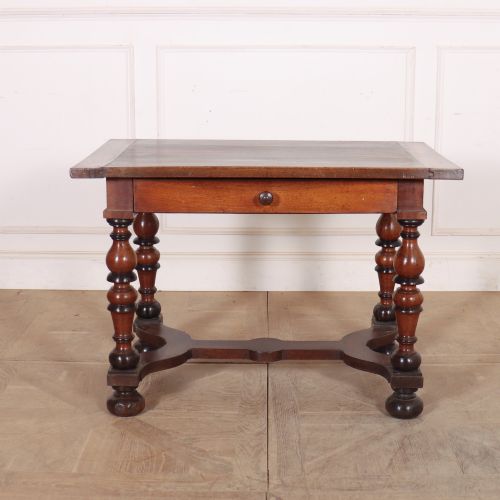
These pieces known as a baroque writing table are sturdy timber desks built to work at, bringing rich continental history into the study.
Baroque Writing Table
A baroque writing table provides a solid surface for correspondence and study, drawing on centuries of European craftsmanship. When searching for a baroque writing table, buyers encounter heavy wooden desks and side tables originating from Italian, Spanish, Dutch, French, and English workshops.
The selections available span from the seventeenth and eighteenth centuries up to the nineteenth century, including revival pieces. Walnut forms the backbone of these pieces, alongside oak, fruitwood, yew tree, and rosewood.
How they were made
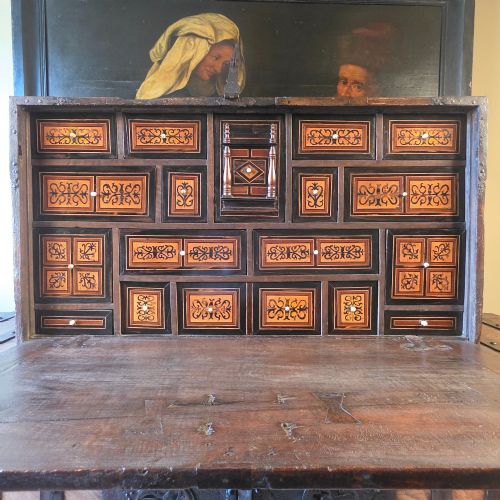
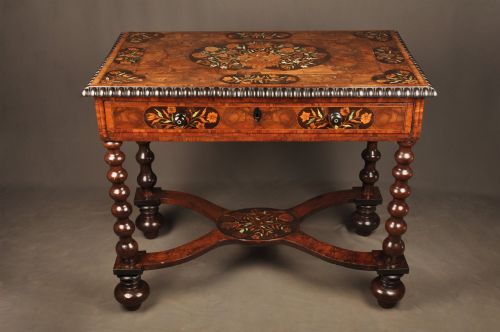
Cabinetmakers constructed these pieces using dense hardwoods like walnut, oak, and fruitwood, often accented with marquetry and inlay work. Iron and brass fittings provide structural support and functional hardware, while leather inserts frequently top the writing surfaces.
Surfaces receive ebonised finishes or natural polish to highlight the grain, paired with carved details ranging from Spanish styles to Dutch marquetry patterns.
Baroque Writing Table Retail Price Guide 2026
Typical asking prices for baroque writing table among the pieces listed under this phrase on Sellingantiques today, from the lower quarter to the upper quarter. They describe what is for sale here now, not the wider market.
Some tables hide carved wooden cherubs beneath the desktop, keeping quiet company with centuries of ink stains.
What varies in quality
The distinction between standard examples and exceptional pieces lies in the precision of the marquetry and the depth of the timber carving. Regional origins also influence the character, with Italian and Spanish workshops displaying distinct decorative ambitions compared to provincial French pieces.
Angiolo Barbetti Firenze
The Baroque Writing Table Glossary
- Marquetry
- Decorative patterns created by fitting together thin slices of wood veneer onto a structural surface. This technique allows cabinetmakers to depict intricate floral or geometric designs across the table top.
- Ebonised
- Wood treated with a dark stain or finish to imitate ebony. This process was utilised during various periods to create high-contrast surfaces.
- Fruitwood
- Timber harvested from fruit-bearing trees such as pear or apple, known for its fine grain and density. Makers used it for smaller elements and detailed marquetry.
- Centre table
- A freestanding table designed to be viewed from all sides rather than pushed against a wall. These pieces often feature finished backs and all-round carving.
Baroque Writing Table: Frequently Asked Questions
Where were they originally used?
These tables served in grand libraries, studies, and administrative rooms across continental Europe during the seventeenth and eighteenth centuries. Wealthy merchants and nobles utilised them for correspondence and estate management.
Over time, they moved into domestic drawing rooms and studies as status symbols and functional writing surfaces.
How do I clean the leather top?
Leather writing surfaces require gentle maintenance using a slightly damp cloth without harsh chemical detergents. Regular dusting prevents debris from settling into the natural grain.
Applying a specialist leather balsam periodically helps keep the material supple and prevents cracking over the years.
Can I use it as a modern desk?
These pieces accommodate modern writing tasks and laptop use, provided the height and leg clearance suit your posture. Walnut and oak construction offers the sturdiness required for daily office work.
Care should be taken with moisture and sharp objects to protect historic timber and leather inserts.
How do I distinguish Italian from Spanish styles?
Italian pieces often feature elaborate figurative carvings, cherubs, and classical architectural motifs reflecting Renaissance influences. Spanish examples tend to showcase heavier wrought iron stretchers, plain walnut panels, and restrained geometric mouldings.
Examining the secondary woods and construction joints also helps reveal the likely regional workshop origin.