


Baroque Wooden Candlesticks
Baroque wooden candlesticks are sculptural forms carved in timber, offering rich illumination and dramatic silhouettes for the interior.
Baroque Wooden Candlesticks
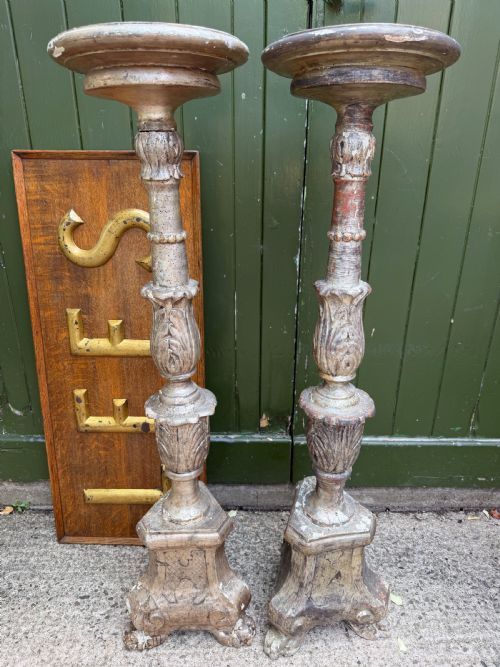
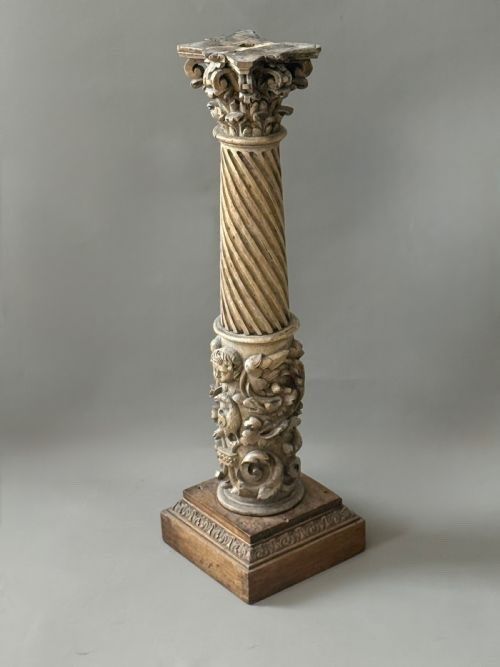
When you search for baroque wooden candlesticks, you encounter monumental floor-standing torcheres, altar sticks, and table lamps originating from continental workshops.
The inventory on this page spans the seventeenth, eighteenth, and nineteenth centuries, with Italian and Flemish interpretations dominating the selection alongside later revivals.
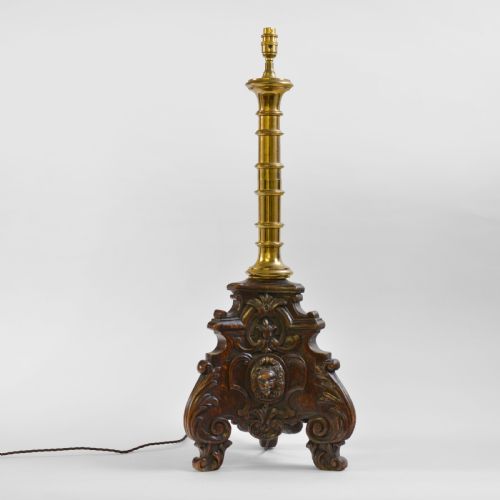
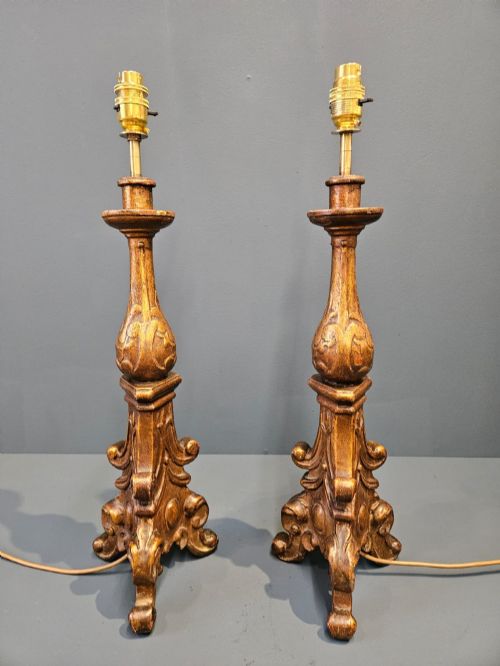
Many examples have been adapted over time to function as electric lamps while retaining their original hand-carved surfaces and proportions.
How they were made
Artisans typically carved these objects from dense timbers such as pine, oak, and pinewood before applying layers of gesso to prepare the surface for decoration.
Giltwood, silver leaf, and polychrome paint were then meticulously applied to create shimmering finishes that caught the flickering light of candles in dim interiors.
Current listings feature pieces spanning the seventeenth century through to the 1920s revival period, created from carved wood, gesso, and giltwood.
What varies in quality
The distinction between ordinary and exceptional pieces lies primarily in the depth, confidence, and anatomical precision of the wood carving.
Surfaces that retain their original untouched gilding or polychrome pigment hold greater visual integrity than those subjected to heavy later repainting.
The Baroque Wooden Candlesticks Glossary
- Torchere
- A tall decorative stand designed to support a light source or candle. These monumental pieces often feature elaborate twisted columns and carved bases.
- Gesso
- A plaster-like mixture applied to wooden surfaces to create a smooth base for gilding or painting. It allows intricate relief details to remain crisp.
- Giltwood
- Timber coated with a thin layer of gold leaf or powder. This finish provides a warm, reflective surface suited to formal baroque rooms.
- Pricket stick
- A candlestick featuring a sharp metal spike at the top rather than a socket. This spike secures large altar candles during liturgical use.
- Polychrome
- Decorated in multiple colours. This traditional painted finish often includes aged pigments over a prepared wooden ground.
Baroque Wooden Candlesticks: Frequently Asked Questions
Are baroque wooden candlesticks wired for electricity?
Many examples on this page have been thoughtfully converted to function as table lamps or standard lamps.
This adaptation allows you to display historical carved wooden forms with modern electrical lighting safely.
How do I identify seventeenth-century pieces?
Seventeenth-century examples typically display robust carving, heavy proportions, and darker patinated timber surfaces without excessive gilding.
They often originate from Flemish or Italian workshops and show deep tool marks from hand-working.
What is the difference between an altar stick and a torchere?
Altar sticks are generally smaller candlesticks designed to stand on furniture or liturgical tables during services.
Torcheres are much taller floor-standing columns intended to illuminate large ecclesiastical or domestic spaces.
How do I care for antique giltwood surfaces?
Giltwood requires a dry environment away from direct sunlight and excessive moisture to protect the delicate gold leaf.
Dusting should be done gently with a soft brush rather than a cloth to preserve the fragile gesso beneath.