

Baroque Wall Art Canvas
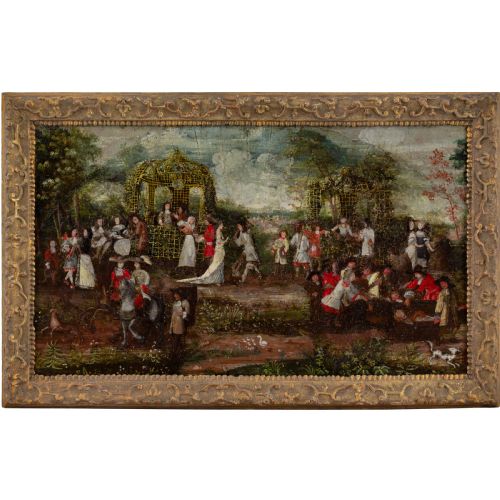
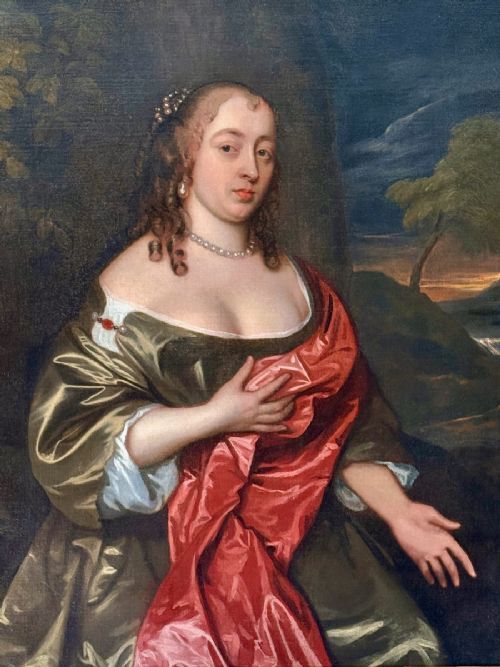
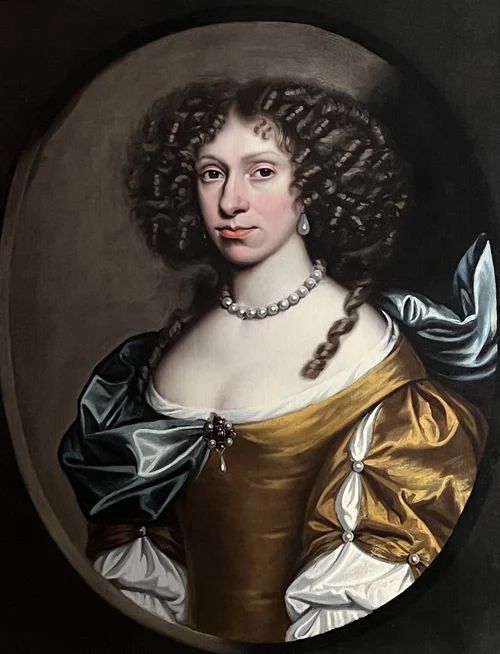
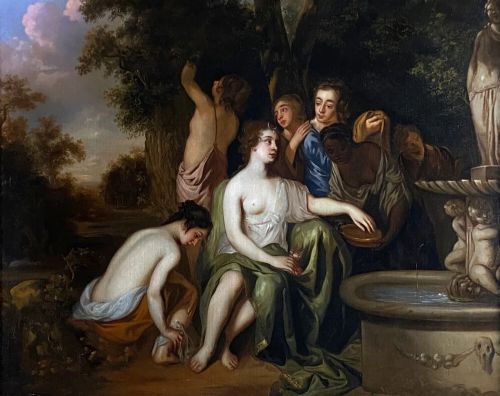
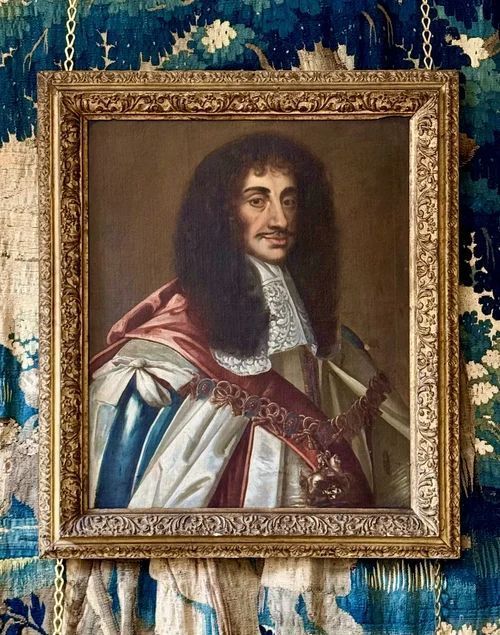
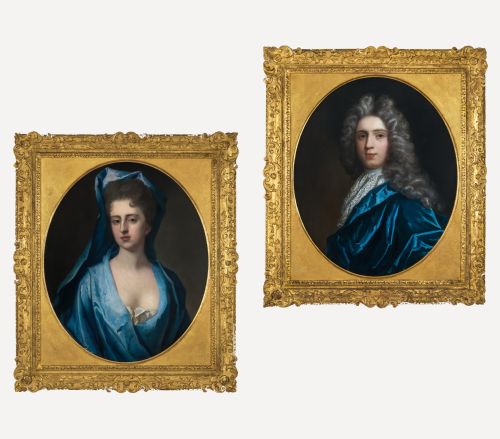
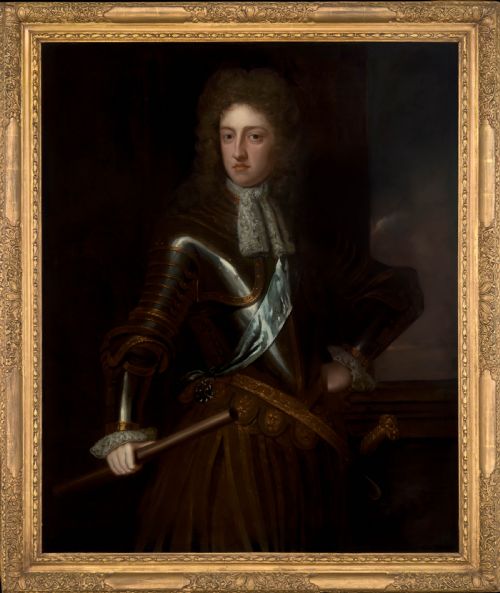
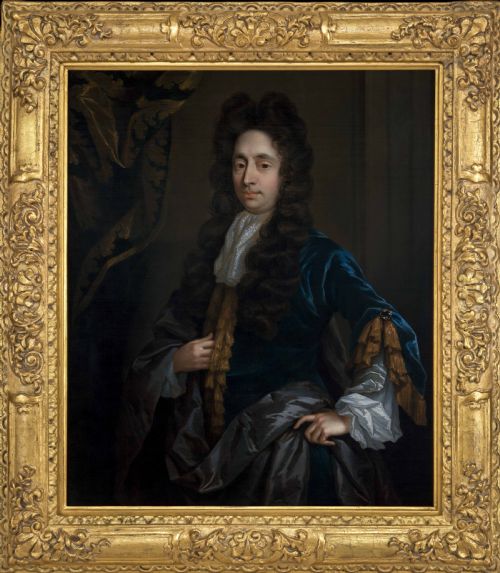
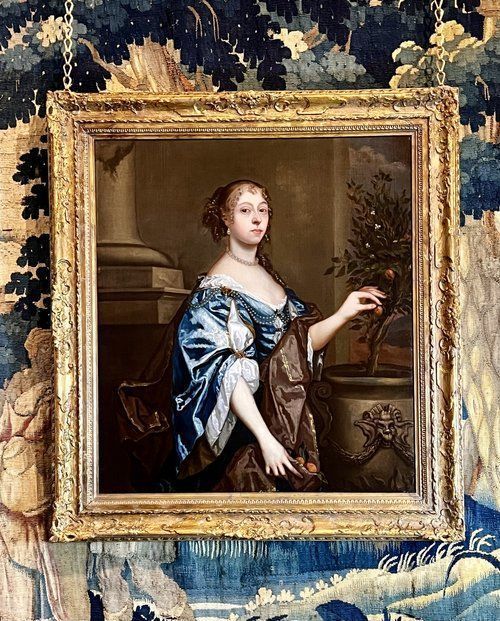
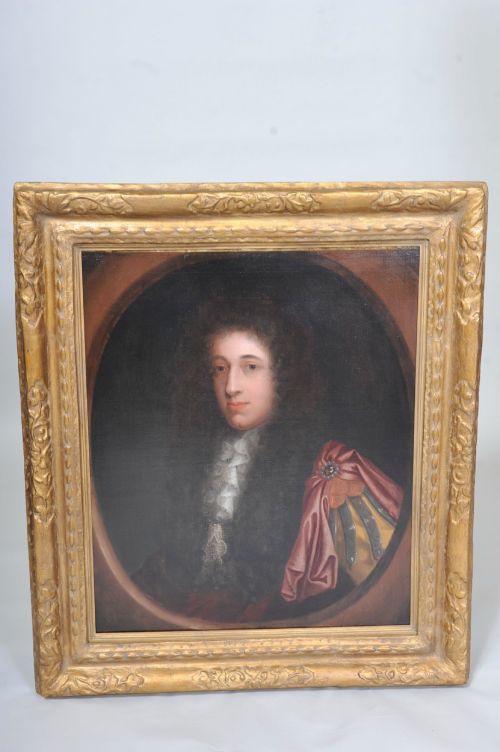
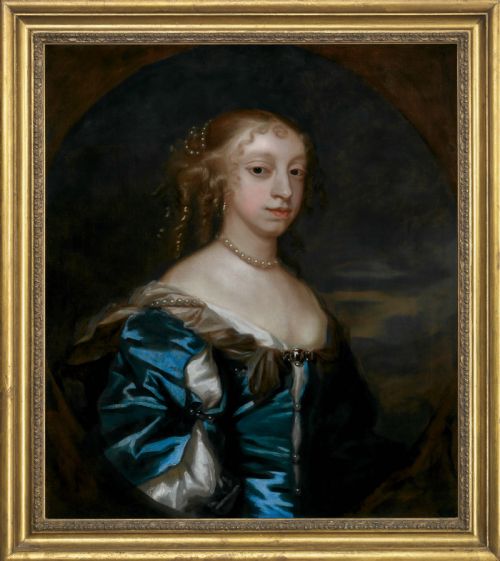
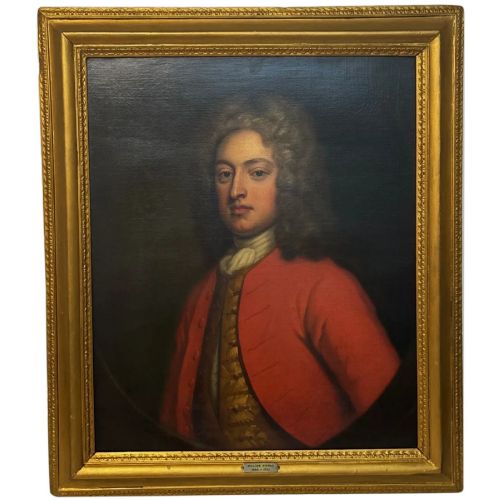
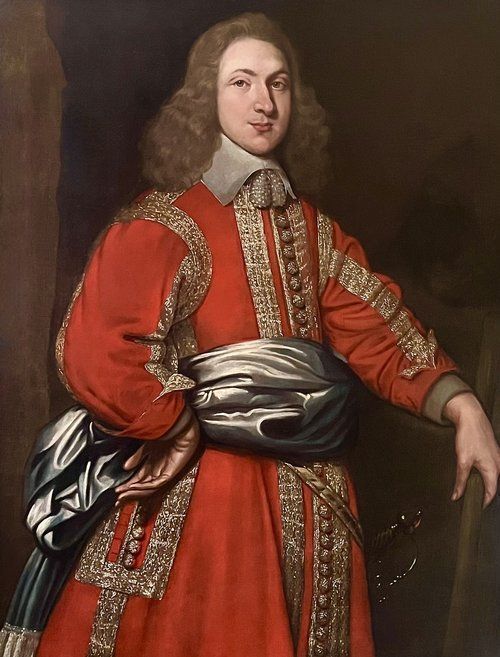
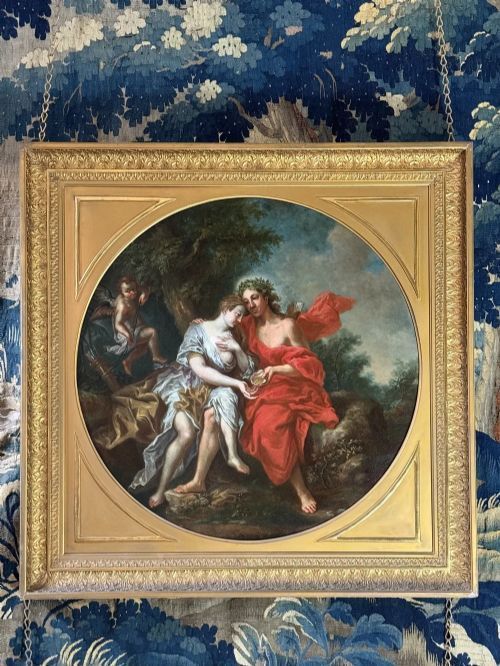
When you search for baroque wall art canvas, you are looking at centuries-old oil paintings on canvas depicting classical figures, nobility, and religious scenes.
Baroque Wall Art Canvas
Baroque wall art canvas encompasses oil paintings originating primarily from the seventeenth and eighteenth centuries, alongside later revivals, reflecting the dramatic and ornate aesthetic of the period.
The selections available here lean heavily into portraiture of aristocrats, military officers, and nobility, alongside classical mythological scenes and religious subjects.
Originating from diverse European traditions including Flemish, Dutch, Italian, Spanish, and British schools, these works display the characteristic theatricality and rich palettes of their respective regions.
How They Were Made
Artists utilised oil paint applied to woven canvas supports, allowing for deep tonal gradations and luminous layering that defined the visual drama of the era.
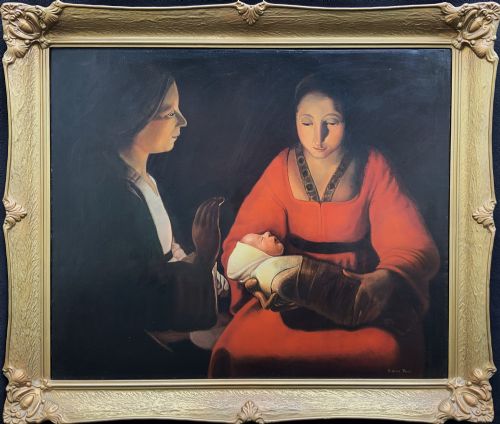
Many of these canvases are housed within their period surrounds, often featuring carved giltwood or gold leaf frames that complement the grandeur of the painted surface.
Substantial wooden stretcher frames provide the internal structural support for the canvas, maintaining tension across centuries of display.
Materials recorded across the selection include traditional oil on canvas, gold leaf, giltwood, and carved wooden frames.
What Varies In Quality
The standard of execution in figure drawing, facial expression, and textile rendering distinguishes works by prominent portraitists or established schools from lesser studio productions.
The preservation of the original pigment and the integrity of the canvas surface dictate the visual impact, as historical restorations and overpainting alter the original hand of the artist.
John Hayls·David Scougall·Sir Peter Lely·Sir Godfrey Kneller·Constantyn Netscher·Pieter Borsseler·Charles-Antoine Coypel·Charles D'Agar·Pietro Fachetti·John Greenhill·Robert Byng·John Michael Wright·Gaspar Peeter Verbruggen·Sir Anthony van Dyck
The Baroque Wall Art Canvas Glossary
- Canvas
- A heavy woven fabric utilised as a support surface for oil paintings. It replaced wooden panels as the preferred medium for large-scale works during the period.
- Giltwood
- Wood that has been decorated with a thin layer of gold leaf or powder. Elaborately carved giltwood frames frequently accompany these paintings.
- Old Master
- A term applied to European painters of skill working before the nineteenth century. These pieces often originate from named continental schools.
- Circle of
- An attribution indicating the artist worked in close association with a master painter, sharing techniques and stylistic traits.
- Provenance
- The documented history of ownership of an artwork. Clear records help establish authenticity and historical context.
Baroque Wall Art Canvas: Frequently Asked Questions
How do I hang a heavy canvas?
These substantial oil paintings require secure wall anchors fixed directly into masonry or wooden studs to support the weight of the canvas and heavy frame safely.
Ensure you utilise professional picture-hanging wire or brackets rated specifically for the total weight of the piece.
Where should I display these paintings?
Position your canvas away from direct sunlight, heating vents, and damp environments to protect the organic fibres of the canvas and the stability of the oil paint.
Traditional portraits and mythological scenes work well as striking focal points in reception rooms, libraries, or above fireplaces.
How do I identify the school of painting?
Look to the handling of light, shadow, costume, and subject matter, which often reveal regional traits associated with Dutch, Flemish, Italian, or British workshops.
Signatures, stylistic attributions, and historical documentation within the listing details further clarify the artistic origin.
What is the difference between an original and a later copy?
Period originals date directly from the seventeenth or eighteenth centuries and exhibit the natural ageing of oil pigments and canvas supports.
Later interpretations or studies, such as twentieth-century renditions after earlier masters, reflect the enduring appeal of the aesthetic using period-appropriate techniques.