



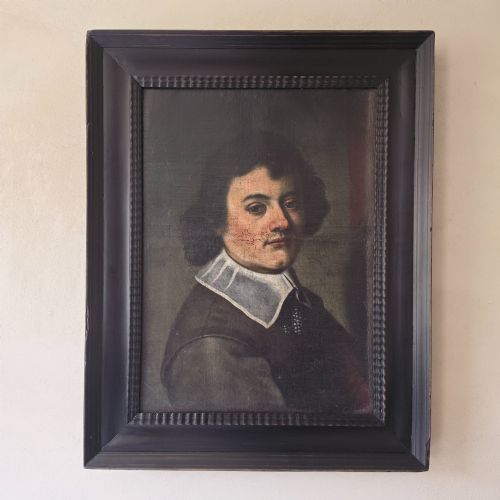
Dutch Portrait Painting Canvas
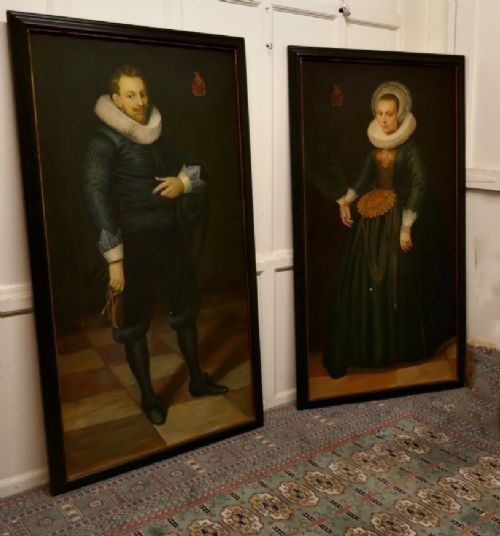
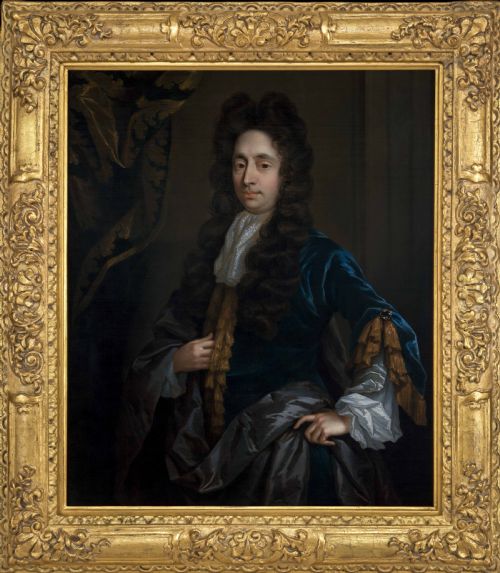
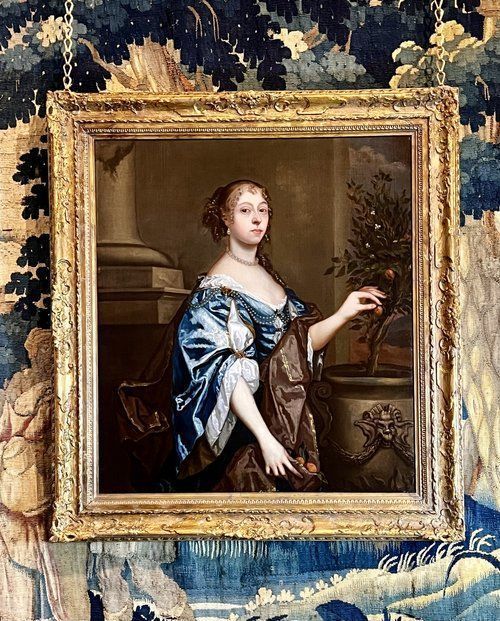
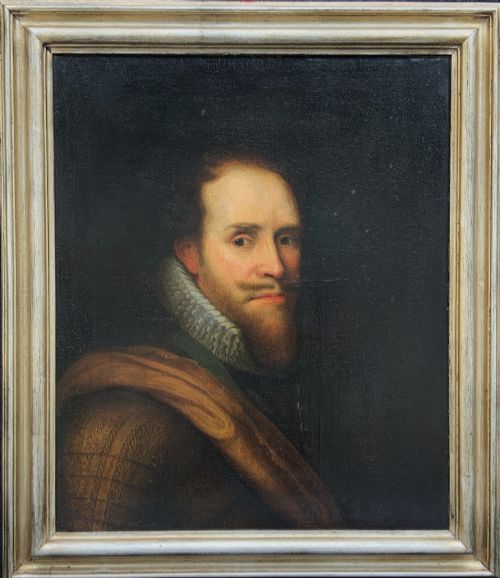
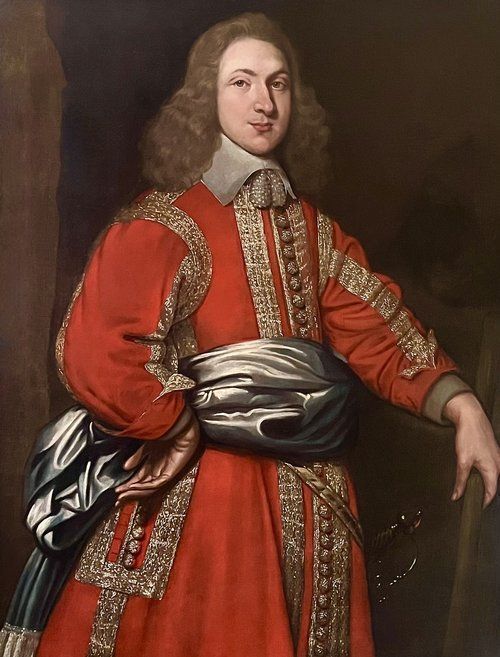
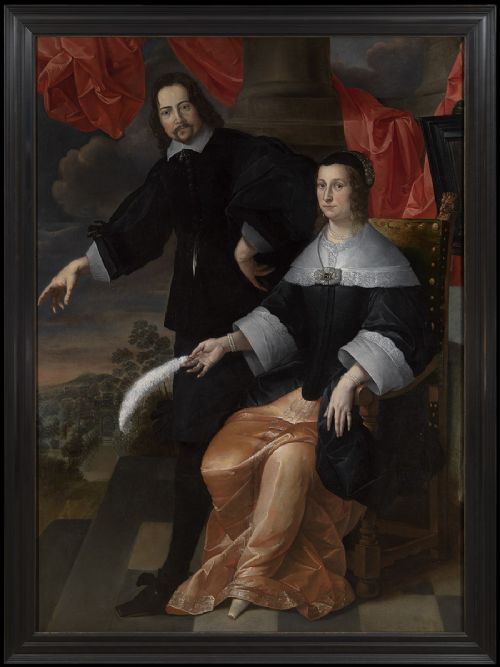
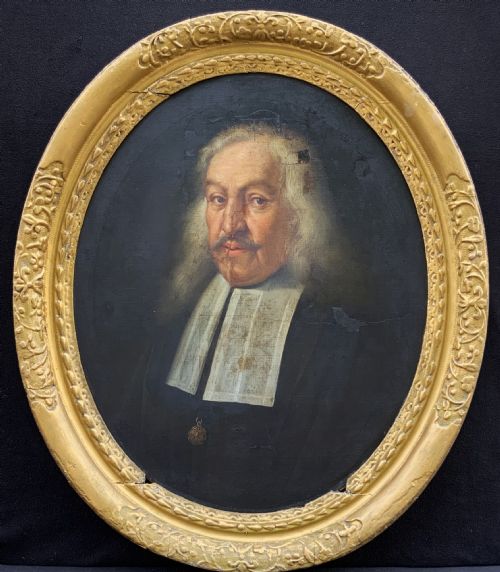
When you search for a dutch portrait painting canvas, you enter a world of seventeenth-century sitters rendered in oil.
Dutch Portrait Painting Canvas
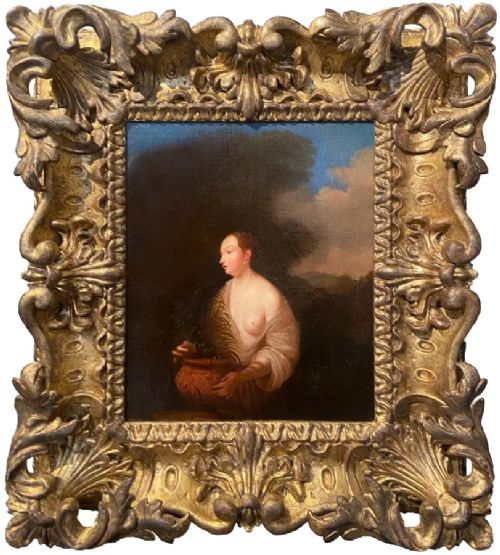
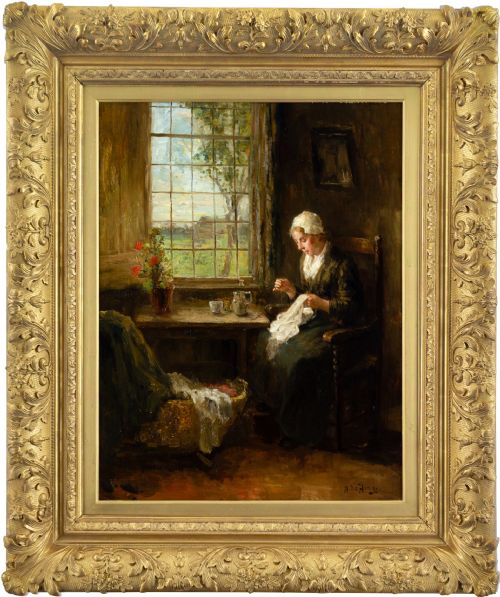
A dutch portrait painting canvas brings centuries-old likenesses into modern rooms, ranging from seventeenth-century works to later interpretations in the nineteenth century and beyond.
The subjects span nobility, military officers, and everyday figures, captured by artists working in the Dutch Golden Age tradition, Baroque styles, and later regional schools.
Most examples on this page utilise oil paint on woven supports, framed by the aesthetics of northern European portraiture and historic revival movements.
How they were made
Makers built these works using oil paint applied to canvas, often supported by wooden stretcher frames and finished with protective varnishes.
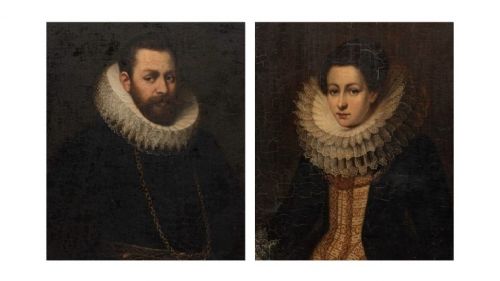
Artists layered pigments to achieve depth in fabrics such as satin, velvet, and ruff collars, while gold leaf frequently enriched the surrounding giltwood frames.
Several sitters stare out across the centuries wearing remarkably stiff ruff collars that look entirely exhausting to wear.
What varies in quality
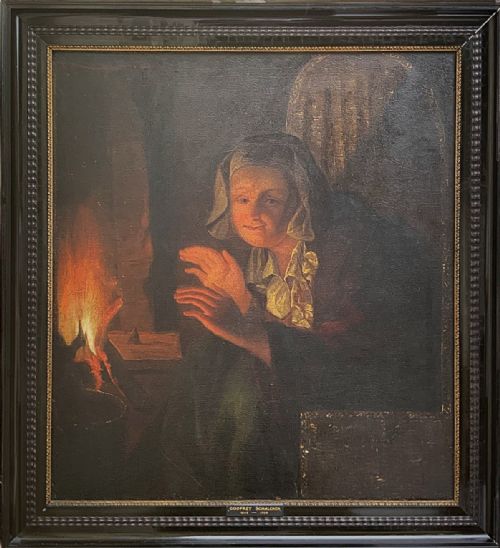
Quality rests in the handling of light, shadow, and texture across the sitter's face and garments, distinguishing master workshops from later copyists.
The preservation of the original canvas and pigment layers dictates the visual strength of the piece, alongside the integrity of any associated period framing.
Constantyn Netscher·Pieter Borseler·Toussaint Gelton·Bernard De Hoog·David Teniers The Younger·Nicolaes Maes·Rembrandt van Rijn·Jan Cossiers·Jozef Israels·Pieter Nason·Christoffel Bisschop·Willem Johannes Martens·Jacob Huysmans
The Dutch Portrait Painting Canvas Glossary
- Oil on Canvas
- A traditional painting technique utilising pigments suspended in drying oils applied to a woven fabric support. This combination allowed artists to blend tones smoothly and achieve rich surface textures.
- Dutch Golden Age
- A period in seventeenth-century painting marked by exceptional output in portraiture, genre scenes, and landscapes. Masters of this era focused on naturalistic rendering and psychological depth.
- Ruff Collar
- A prominent pleated fabric collar worn during the sixteenth and seventeenth centuries, meticulously detailed in many northern European portraits to denote social status.
- Giltwood
- Wood carved and coated with a thin layer of gold leaf or metallic powder. It provides opulent framing that complements the dark, rich palettes of old master paintings.
- Old Master
- A term for European painters of high skill working before the nineteenth century. These artists set the technical standards for composition and portraiture.
Dutch Portrait Painting Canvas: Frequently Asked Questions
How do I identify a seventeenth-century Dutch portrait?
Look for characteristic costume details such as white ruff collars, lace cuffs, and dark, muted backgrounds that throw the sitter's face into sharp relief. Painters of this era prioritised naturalism and solemn dignity.
Examine the construction of the canvas and stretcher frame behind the work, as older pieces often show hand-planed wood and oxidised linen fibres consistent with historic centuries.
What does after an artist mean in a title?
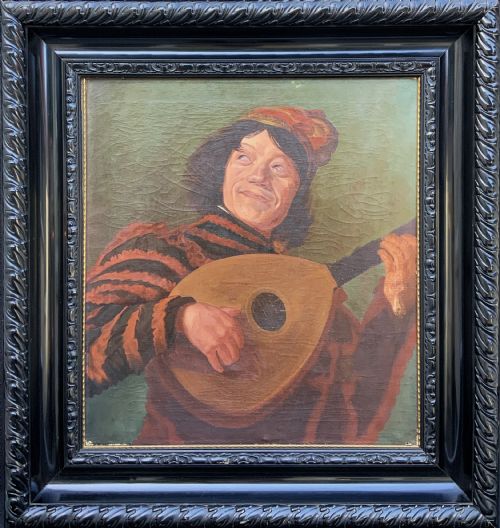
When a painting is described as after a master such as Rembrandt or Frans Hals, it indicates that the work is a later copy or interpretation rather than an original from that artist's hand.
These pieces were often created by studio members, later followers, or nineteenth-century artists studying historic techniques.
How should I care for an oil on canvas painting?
Keep the artwork away from direct sunlight and maintain stable room temperatures to prevent the canvas from slackening or the oil paint from cracking over time.
Dust the surface gently with a soft, dry brush and avoid using water or chemical cleaners on either the paint layer or the giltwood frame.
Are nineteenth-century copies considered authentic antiques?
Nineteenth-century works painted in the style of earlier Dutch masters are authentic antiques in their own right, reflecting the Victorian and Edwardian revival of interest in the Golden Age.
These pieces offer a window into how later generations valued and reinterpreted historic portraiture.