


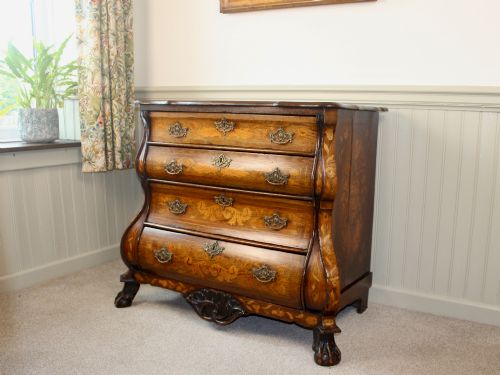


Baroque Storage Chest
A baroque storage chest brings heavy seventeenth and eighteenth-century craftsmanship into a room through walnut, oak, and iron.
Baroque Storage Chest
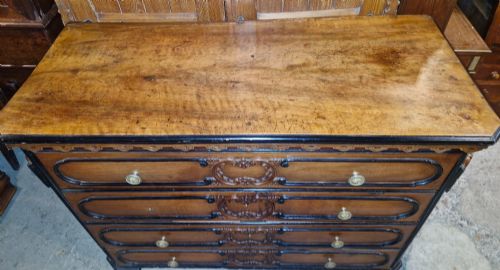
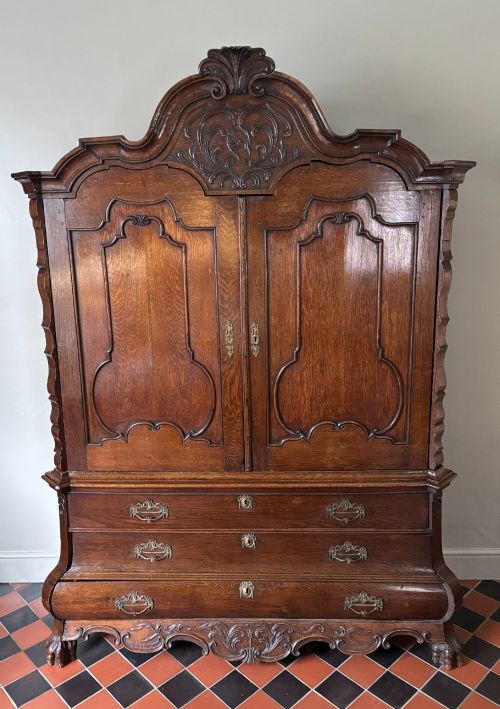
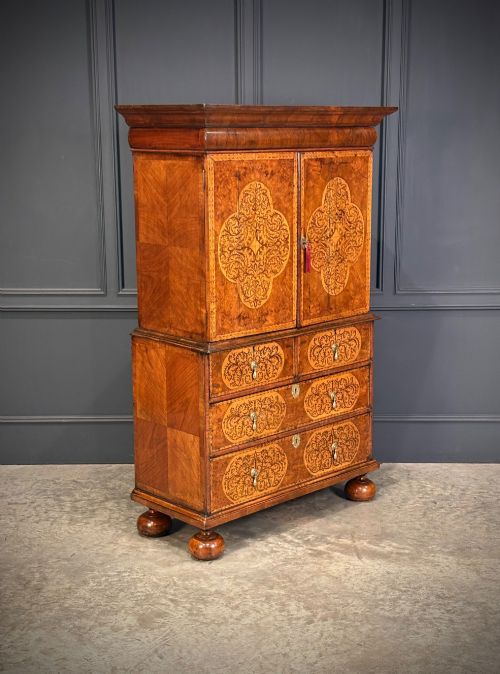
When a buyer searches for a baroque storage chest, they are looking at heavy, sculptural furniture designed for domestic utility and display. The forms range from large Italian commodes and Dutch marquetry chests of drawers to Spanish leather-covered trunks and walnut cabinets on stands.
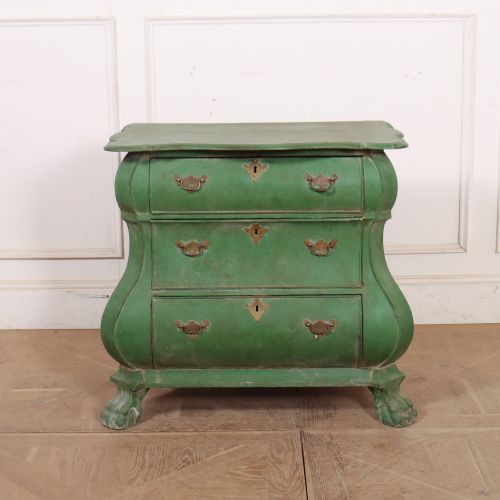
The version most commonly met on this page is the eighteenth-century chest of drawers or commode, often featuring shaped or bombe fronts. These pieces combine substantial storage capacity with elaborate geometric or floral design elements characteristic of the period.
Materials and construction methods
Makers built these pieces primarily using solid oak, walnut, and pine, frequently applying burr walnut or floral marquetry veneers to primary surfaces. Structural reinforcement relied on iron hinges, brass mounts, and metal banding to secure heavy lids and drawers.
Joinery techniques involved sturdy framing and dovetailing to support dense hardwoods, while surface decoration incorporated hand-painting, carving, and leather studding. Table cabinets and commodes often integrated secret drawers and specialised compartments within their internal layouts.
Baroque Storage Chest Retail Price Guide 2026
Typical asking prices for baroque storage chest among the pieces listed under this phrase on Sellingantiques today, from the lower quarter to the upper quarter. They describe what is for sale here now, not the wider market.
Listings feature walnut, oak, pine, and burr walnut across seventeenth and eighteenth-century forms including commodes, coffers, and cabinets on stands.
Distinctions in construction and design
The degree of refinement in the carved detailing, marquetry inlay, and hardware mounting separates standard storage boxes from exceptional commodes and cabinets. Pieces featuring intricate floral marquetry or substantial carved oak relief show greater artisan investment than plain painted or leather-clad trunks.
The integrity of the timber selection also distinguishes the range, particularly where figured burr walnut or exotic veneers are matched across shaped bombe fronts. Original brass work, hinges, and functional secret drawers elevate the architectural complexity of surviving examples.
The Baroque Storage Chest Glossary
- Bombe
- A swelling, outward-curving contour found on the front and sides of commodes and chests. This bulging profile is characteristic of eighteenth-century Dutch and Italian furniture design.
- Cassone
- A traditional large Italian chest or coffer used historically for storing household valuables and trousseau items. These pieces frequently feature carved wood or painted decoration.
- Marquetry
- The art of applying pieces of veneer to a structure to form decorative patterns and pictures. Floral motifs in contrasting woods appear frequently on Dutch furniture.
- Commode
- A low chest of drawers introduced during the eighteenth century. These storage units often stand on short legs and display shaped fronts.
- Table cabinet
- A smaller enclosed storage piece designed to sit on a desk or table surface. They contain internal drawers and compartments for papers or small valuables.
Baroque Storage Chest: Frequently Asked Questions
What is a baroque storage chest used for?
These pieces function primarily as heavy-duty storage furniture for linens, garments, and household valuables while serving as focal points in a room.
Historically, large coffers and commodes held prized possessions, whereas today they provide concealed surface storage in modern interiors.
How do I identify a seventeenth century piece?
Seventeenth-century examples typically display heavier structural oak or walnut timber, simpler rectilinear framing, and minimal decorative carving or leather coverings.
By contrast, later eighteenth-century variants introduce curved bombe outlines, intricate marquetry, and lighter painted finishes.
Where were these chests made?
The listings show regional workshops across Italy, the Netherlands, Spain, Germany, Sweden, and Flanders, each applying distinct local timber and decorative traditions.
Italian pieces frequently utilise walnut and carved cassone forms, while Dutch workshops specialised in floral marquetry and shaped commodes.
How should I care for walnut veneer?
Walnut and burr walnut surfaces require stable indoor humidity levels and protection from direct sunlight to prevent veneer lifting and timber drying.
Regular dusting with a dry cloth helps maintain the polished finish without introducing moisture to aged joints.