



Baroque Print
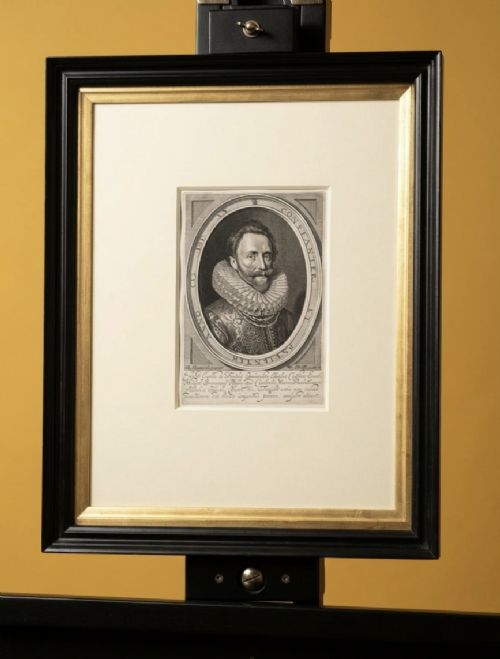
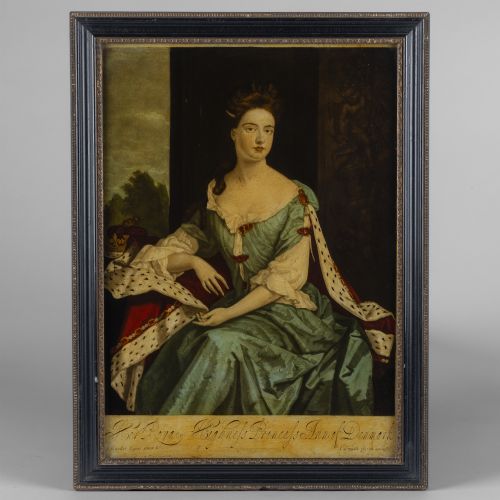
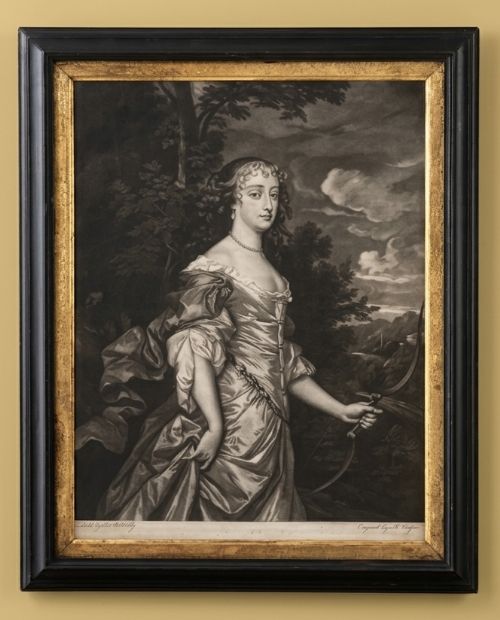
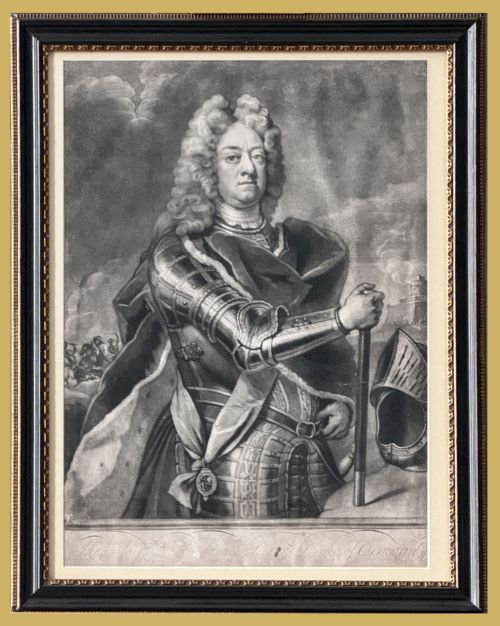
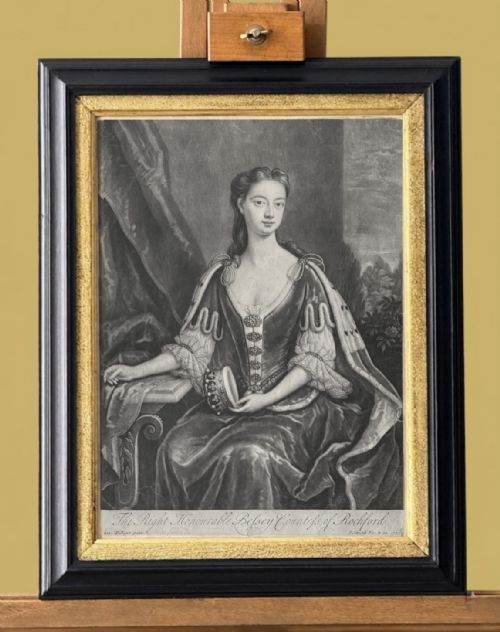
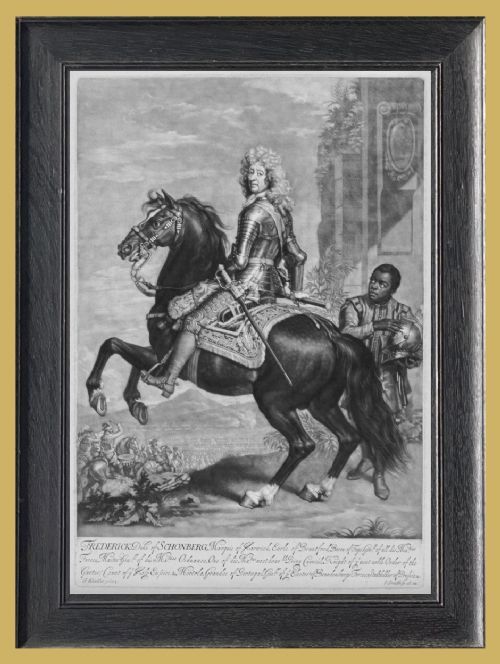
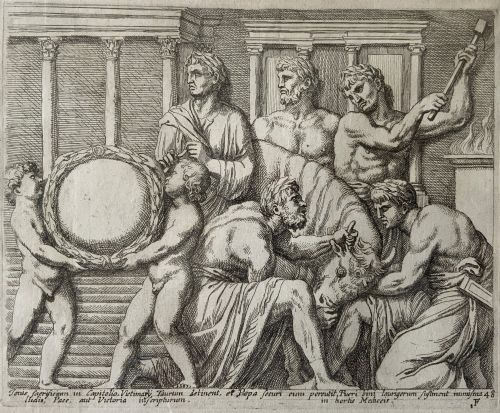
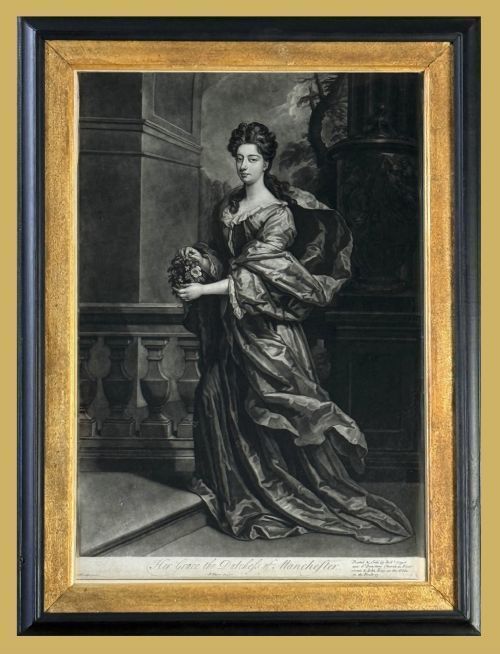
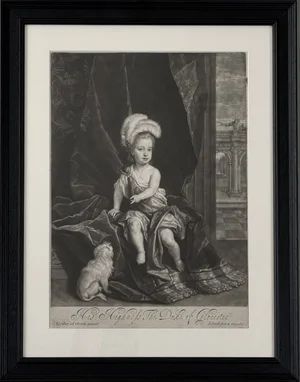
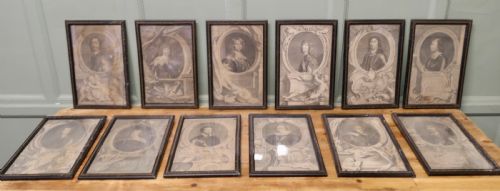
These baroque print examples capture the grand, theatrical spirit of the seventeenth and eighteenth centuries through detailed portraiture and classical engraving.
Baroque Print
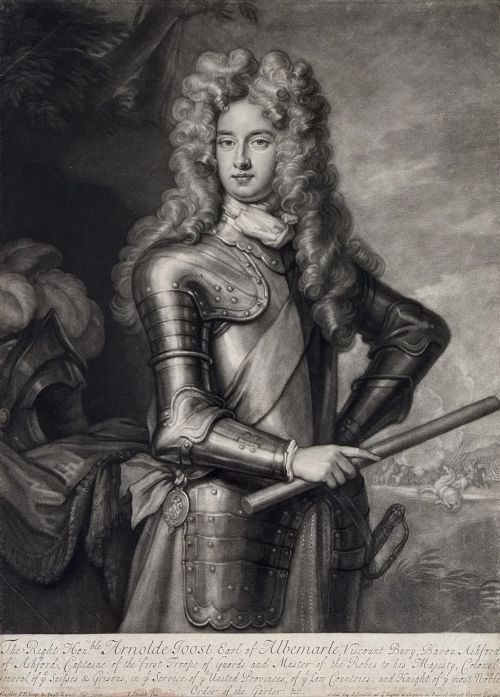
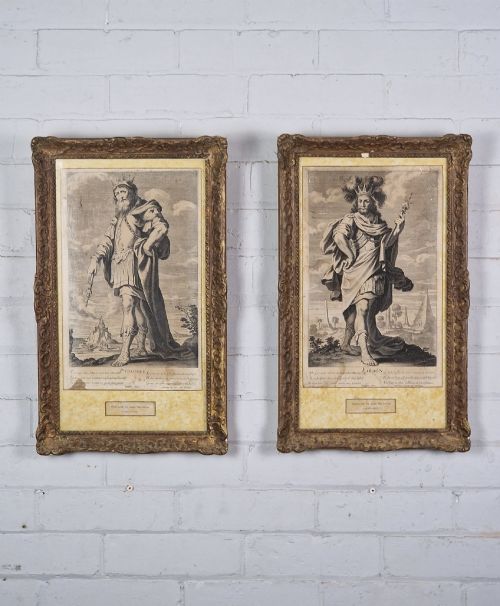
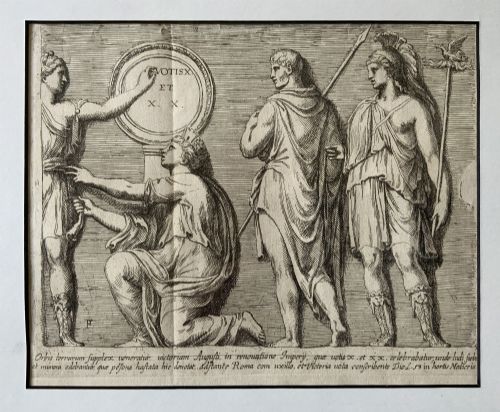
A baroque print brings historical depth and formal drama to interior walls, presenting subjects ranging from classical antiquity to aristocratic portraiture. When searching for a baroque print, collectors encounter everything from delicate seventeenth-century etchings to eighteenth-century mezzotints framed in period wood.
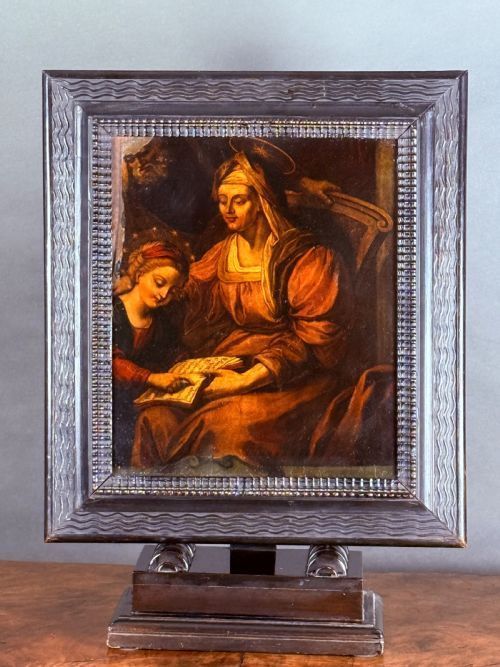
The items found here span various forms, including framed engravings, reverse glass prints, and oil paintings executed in historical styles. Pieces originating from the seventeenth and eighteenth centuries dominate the selection, accompanied by occasional later interpretations from the early twentieth century.
Buyers frequently find works after celebrated painters such as Sir Godfrey Kneller, Anthony van Dyck, and Nicolas Poussin. These pieces offer a direct link to the grand manner of European visual culture, executed through skilled printmaking techniques of the period.
Materials and execution
The physical objects rely primarily on paper sheets bearing ink impressions, frequently housed within gilt wood frame enclosures or walnut mouldings. Printmakers utilised copper plates to produce fine line engravings and rich tonal mezzotints, capturing subtle gradations of shadow and light.
Specialised techniques include reverse glass painting and mezzotint engraving, where artists roughened the copper plate to hold ink for deep, velvety dark areas. Pigments, gold leaf, and oil media occasionally supplement the graphic works, particularly in reverse glass applications and companion paintings.
Baroque Print Retail Price Guide 2026
Typical asking prices for baroque print among the pieces listed under this phrase on Sellingantiques today, from the lower quarter to the upper quarter. They describe what is for sale here now, not the wider market.
Countesses, dukes, and biblical figures stare down twentieth-century floral still lifes across these diverse historical listings.
Factors of quality
The clarity of the impression on the paper sheet determines much of the visual impact, separating sharp, early strikes from worn later editions. Strong contrast and well-defined plate marks indicate careful printing and preservation over centuries.
John Smith·François Perrier·John Faber Jr·Jacobus Howbraken·John Simon
The Baroque Print Glossary
- Mezzotint
- A printmaking process where the copper plate is roughened to achieve rich tonal shades and dark backgrounds. This technique allows for smooth gradations of light and shadow.
- Engraving
- A method of cutting design lines directly into a metal plate using a sharp tool called a burin. The resulting incisions hold the ink for transfer onto paper.
- Etching
- A process where acid bites lines into a metal plate protected by an acid-resistant ground. Artists draw through the ground to expose the metal before chemical immersion.
- Reverse glass print
- An artwork painted or transferred directly onto the back of a glass panel to be viewed from the front. This method creates a luminous surface quality.
- Plate mark
- The indentation left on the paper by the edge of the metal printing plate under heavy press pressure. Its presence confirms a genuine impression from a traditional plate.
Baroque Print: Frequently Asked Questions
What is a mezzotint portrait?
A mezzotint portrait is a print created by working a metal plate to produce smooth tonal variations rather than simple lines. This technique was widely used in the seventeenth and eighteenth centuries to reproduce grand oil paintings.
These prints capture subtle facial expressions and rich garments with remarkable depth. They offer an accessible way to collect historical portraiture.
How should I hang old prints?
Old paper works require protection from direct sunlight to prevent the ink and paper from fading over time. Position them away from moisture-prone areas to safeguard both the print and its frame.
Using stable wall fixings supports the weight of period wooden frames securely. Maintaining steady indoor humidity preserves the paper and mounting materials.
Are these pieces original antiques?
The selection includes genuine seventeenth- and eighteenth-century productions alongside period-style works from later decades. Listing details specify the estimated era of creation for each individual item.
Examining the paper characteristics and plate marks helps confirm the historical context of the piece. Dealers provide specific period attributions based on the physical evidence.
What subjects appear most often?
Aristocratic portraits and classical mythological scenes dominate the imagery of this period. Subjects often mirror the grand artistic output of Dutch and French masters.
Historical figures, biblical narratives, and allegorical themes also frequently appear in the listings. These themes reflect the educational and cultural values of early collectors.