






Baroque Church Art
Baroque church art brings carved wooden saints, gilded angels and dramatic continental figures directly into a room.
Baroque Church Art
Baroque church art encompasses carved wooden statues, wall sculptures and architectural salvage originating from continental ecclesiastical settings. These pieces primarily date from the seventeenth, eighteenth and nineteenth centuries, reflecting intense religious devotion and theatrical craftsmanship.
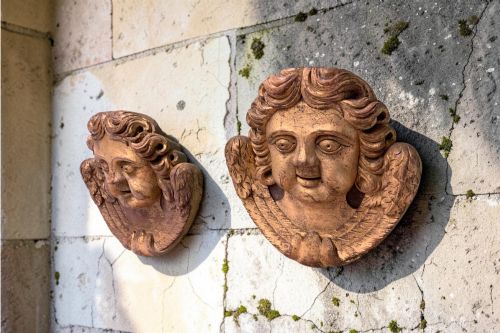
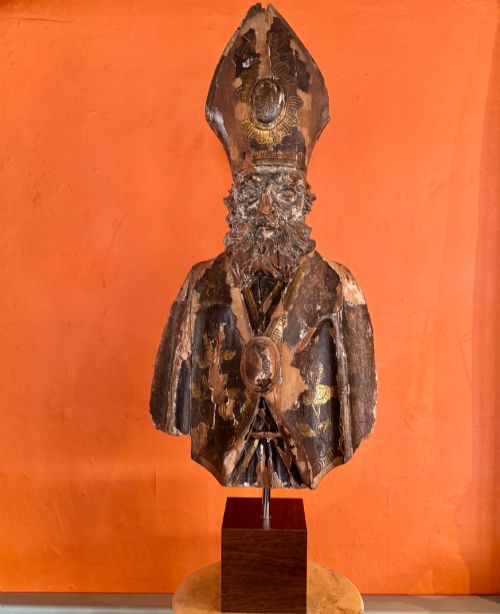
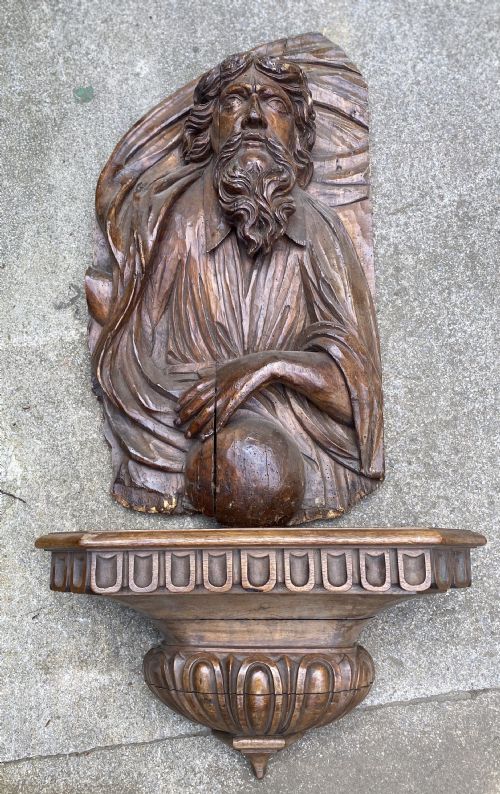
A buyer examining this selection encounters figures of saints, bishops and cherubs alongside depictions of the Pieta and Christ. Italian, French and Spanish origins dominate, with regional styles shaping the carved postures and emotional intensity.
Forms range from life-sized representations down to individual angel heads and fragments of church architecture. Oak, walnut and mixed timbers provide the structural foundation for these devotional objects.
How baroque church art was made
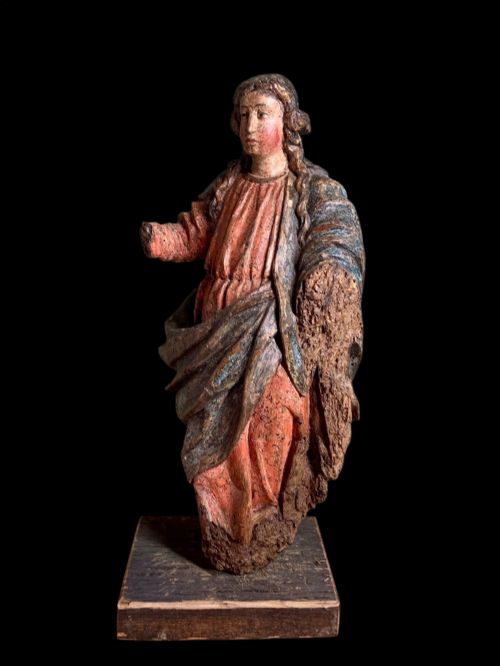
Gesso and gold leaf were applied over the wooden substrates to create luminous, reflective surfaces on busts and large figures. Polychrome paint and polychrome wood finishes added realistic skin tones and vibrant colours to saints and angels.
The combination of carved timber, gesso preparation layers and applied metal leaf or pigment produced the rich textural contrast characteristic of the period.
Baroque Church Art Retail Price Guide 2026
Typical asking prices for baroque church art among the pieces listed under this phrase on Sellingantiques today, from the lower quarter to the upper quarter. They describe what is for sale here now, not the wider market.
Listings feature carved wood, gesso, gold leaf and polychrome paint across seventeenth, eighteenth and nineteenth-century Italian, French and Spanish items.
What varies in quality
The skill of the carver dictates the anatomical conviction and emotional resonance of the human form, distinguishing master workshops from regional artisans. Finer pieces demonstrate precise control over facial expression, hand gestures and the natural fall of heavy drapery.
The preservation of original surface treatments, including early polychrome paint and genuine gold leaf, heavily influences the integrity of a piece. Later overpainting or stripped timber alters the visual balance intended by the original ecclesiastical maker.
The Baroque Church Art Glossary
- Gesso
- A plaster mixture applied to wood surfaces as a smooth base for gilding and painting. It creates a solid ground that holds fine detail.
- Ecclesiastical
- Relating to the Christian Church or its clergy. Items described thus were made specifically for use within religious buildings.
- Pieta
- A subject in Christian art depicting the Virgin Mary cradling the dead body of Jesus. It is most often found in sculptural groups from Italian and Spanish traditions.
- Architraves and salvage
- Architectural elements rescued from church interiors. These fragments often include carved cherubs, angel heads and decorative mouldings.
Baroque Church Art: Frequently Asked Questions
What is baroque church art?
Baroque church art consists of carved wooden sculptures, statues and architectural salvage created for religious settings during the seventeenth, eighteenth and nineteenth centuries. These pieces typically depict saints, bishops, angels and biblical scenes with dramatic expression.
Originating largely from France, Italy and Spain, the works combine traditional woodworking with gesso, gold leaf and polychrome paint to achieve a theatrical and devotional presence.
How were these figures used originally?
These sculptures and statues were commissioned for churches, abbeys and private chapels across continental Europe. They served as focal points for prayer, processional objects or decorative architectural components within ecclesiastical interiors.
Many stood above altars or within wall niches, designed to inspire religious devotion through emotional realism and opulent surface gilding.
How do I live with church art?
Placing a carved wooden saint or gilt angel in a modern interior requires a considered spot where the texture of aged wood and gold leaf can catch the light. Wall sculptures and brackets benefit from secure fixings into solid masonry or studs.
Keep these pieces away from direct heat sources and strong sunlight to protect the fragile gesso and historic polychrome paint layers from drying out or fading.
How can I tell the periods apart?
Seventeenth-century carvings often display robust proportions and heavy walnut construction, reflecting deep counter-reformation severity. Eighteenth-century pieces frequently introduce dynamic movement, elaborate gilding and refined polychrome finishes.
Nineteenth-century interpretations tend toward stylistic revival, sometimes combining older motifs with softer timber selections and more uniform surface patination.