


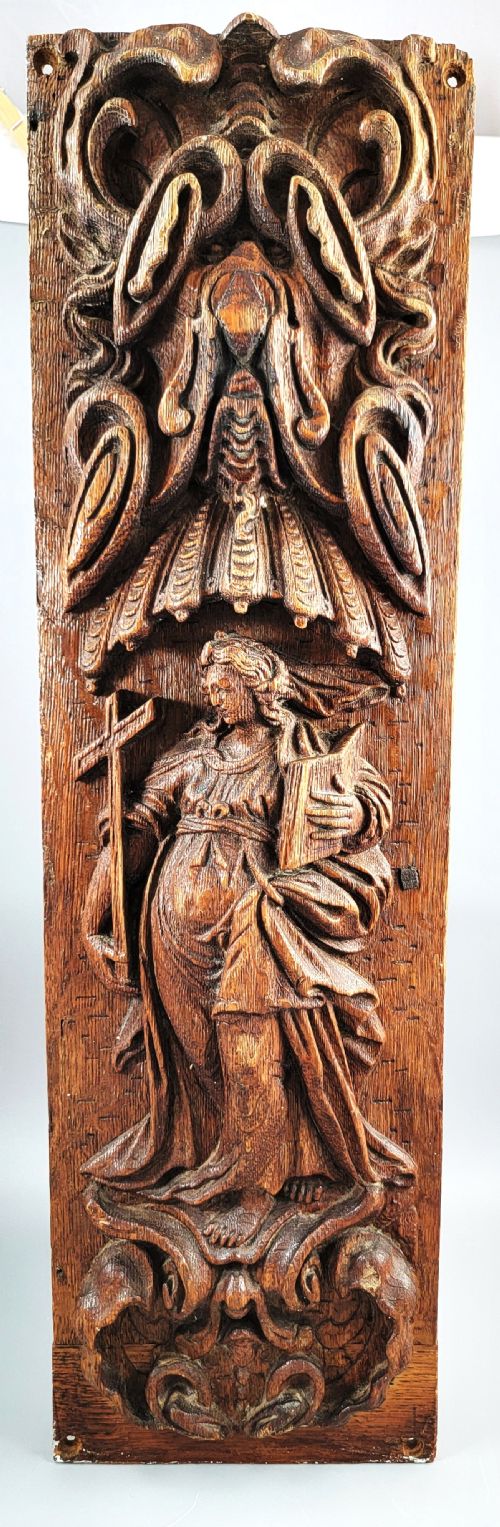
Baroque Carved Wood Panel
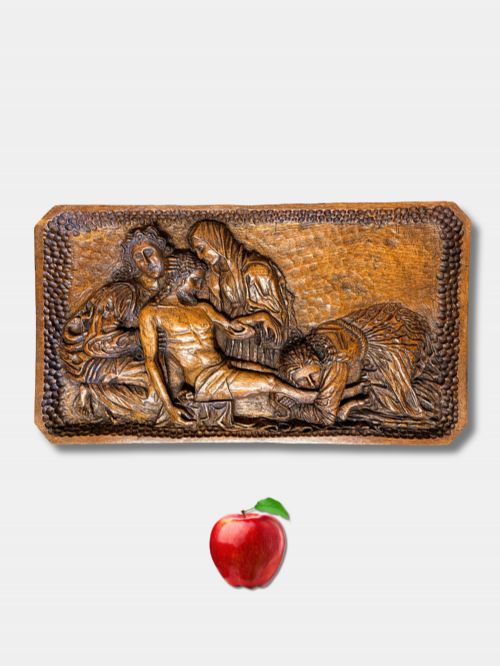
These baroque carved wood panel examples bring heavy, sculptural drama to a room, spanning grand architectural fragments and intimate figurative plaques.
Baroque Carved Wood Panel
A baroque carved wood panel brings heavy architectural presence to an interior, often originating from overdoors, wall reliefs, and ecclesiastical settings. These pieces range from monumental seventeenth-century oak carvings to nineteenth-century interpretations and revivals.
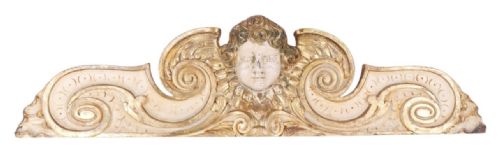
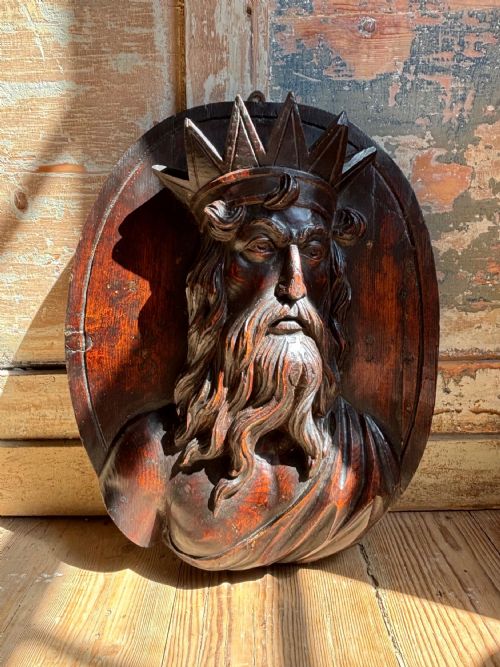
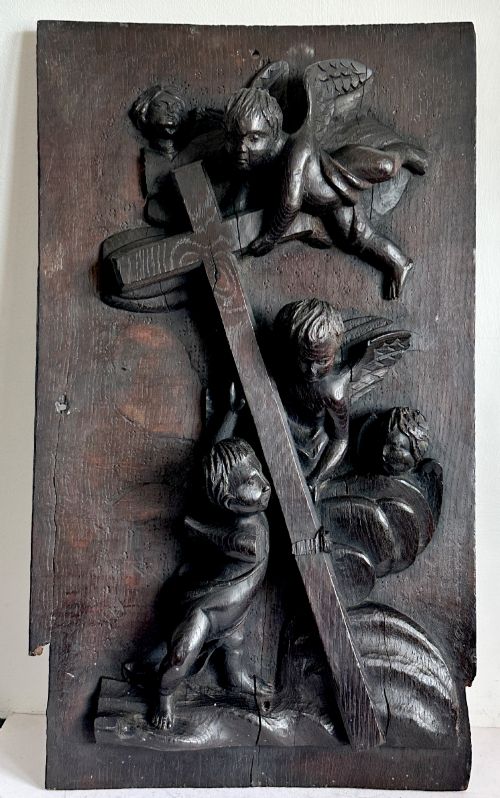
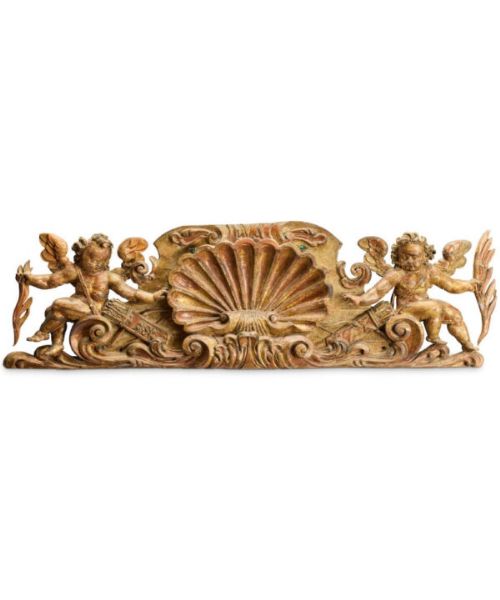
Buyers encounter solid timber panels depicting cherubs, mythological figures, and religious allegories alongside pierced acanthus leaves and parcel gilt pediments. Oak, walnut, and chestnut dominate the material record, frequently worked into deep relief.
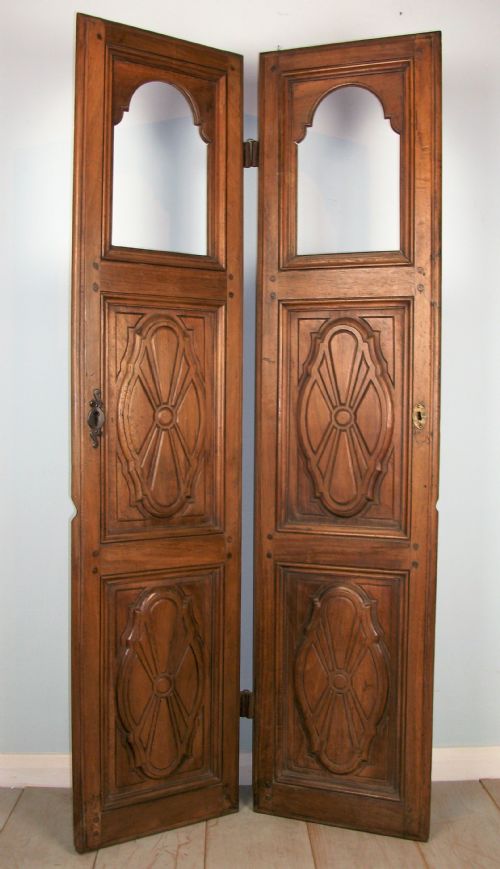
The selection includes architectural salvage and wall sculptures, occasionally integrated into furniture forms such as settles or console tables. Seventeenth-century examples share space with later nineteenth-century pieces mirroring Italian, Flemish, and Spanish traditions.
Materials and methods
Carpenters and carvers worked primarily in dense hardwoods such as oak, walnut, and chestnut, allowing for sharp detail and deep undercutting in high relief. Timber selection dictated the scale of the carving, from intimate plaques to monumental overdoors.
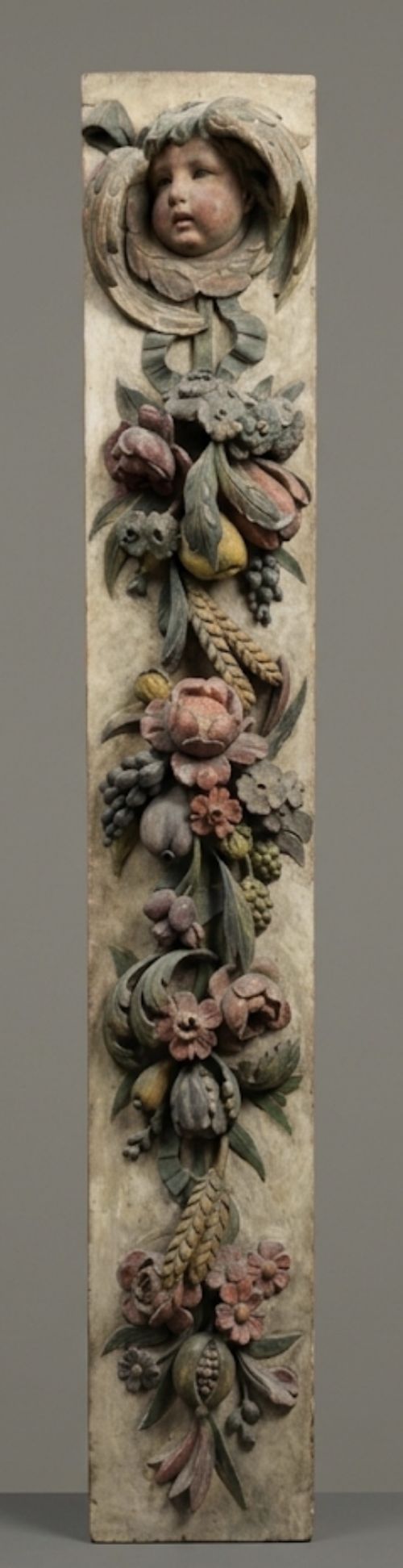
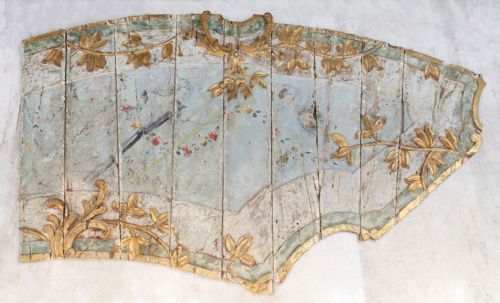
Surfaces were frequently finished with gesso, gold leaf, or polychrome paint, adding layered colour and light reflection to the carved wooden elements. Tool marks and hand-chiselled depths remain visible across seventeenth-century and nineteenth-century panels alike.
Listings feature oak, walnut, and chestnut panels spanning the seventeenth through to the nineteenth century.
Judging the carving
Quality rests in the crispness and depth of the chisel work, particularly in complex figural subjects like cherubs, saints, and allegorical scenes. Bold, undercut acanthus foliage and expressive anatomical details separate competent joinery from master carvers.
The integrity of the timber ground and the survival of original surface treatments, including parcel gilt and polychrome paint, dictate the historical value of each piece. Integrated architectural fragments retain more presence when their original scale and proportions remain unaltered.
Edward Pearce·Grinling Gibbons
The Baroque Carved Wood Panel Glossary
- Baroque
- A style of European architecture and art spanning the seventeenth and eighteenth centuries, characterised by exaggerated motion, drama, and deep sculptural relief. This aesthetic manifests in dense scrolls, cherubs, and dynamic allegorical panels.
- Gesso
- A plaster-like mixture applied to wood surfaces to prepare them for gilding or painting. It creates a smooth white ground that holds fine detail.
- Parcel gilt
- A finishing technique where portions of an object are highlighted with gold leaf while other areas show the natural wood or paint beneath. This method draws the eye to specific carved motifs.
- Architectural salvage
- Building elements rescued from structures slated for demolition or alteration. These fragments often include carved overdoors, panels, and pediments.
- Polychrome
- Decorated in a variety of colours. Applied to wood carvings, this finish adds painted realism to garments, flesh, and ornamentation.
Baroque Carved Wood Panel: Frequently Asked Questions
How were these panels originally used?
These carvings served as architectural embellishments within grand interiors, churches, and civic buildings, often mounted above doors, fireplaces, or staircases.
They functioned both as decorative wall reliefs and as structural components within larger wood-panelled rooms.
How do I hang a heavy wood panel?
Due to the substantial weight of dense hardwoods like oak and walnut, mounting requires secure fixing directly into wall studs or masonry.
Custom metal brackets or concealed french cleat systems distribute the load evenly across the back of the panel.
What is the difference between seventeenth and nineteenth-century panels?
Seventeenth-century pieces carry the original execution of the Baroque period, showing period tool marks and contemporary wear.
Nineteenth-century examples often revive earlier styles, utilising historic motifs within later architectural contexts.
How do I clean an antique wood carving?
Dust gently with a dry, soft-bristled brush to clear crevices without disturbing dry timber or delicate gesso and paint surfaces.
Avoid liquid cleaners, polishes, and moisture, which can degrade old finishes and unsealed wood.