





Baluch Tribal Bag
A baluch tribal bag is a tactile piece of nomadic heritage, offering rich wool and vegetable dyes crafted for daily storage.
Baluch Tribal Bag
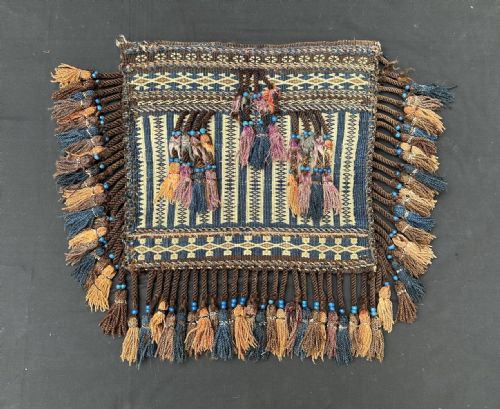
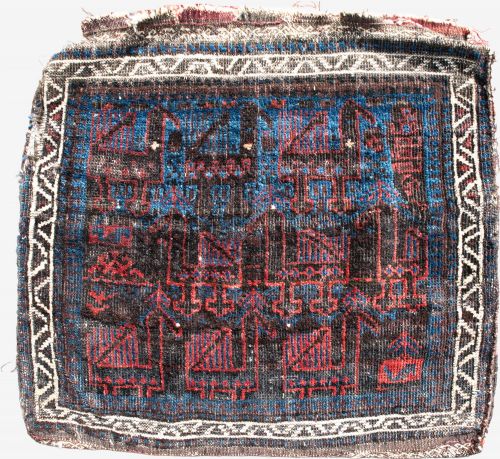
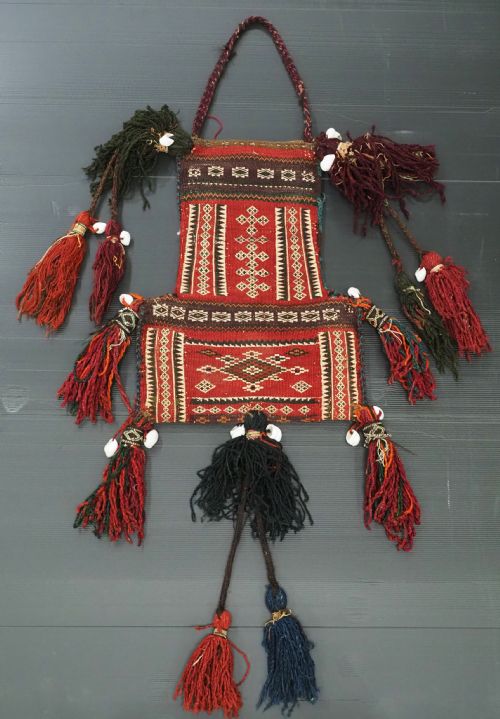
A baluch tribal bag represents the utilitarian weaving traditions of nomadic groups travelling through Persia and Afghanistan. These textiles encompass storage bags, grain bags, salt bags, vanity bags, and saddle bag faces dating from the late nineteenth and early twentieth centuries.
Buyers will most frequently encounter antique storage pieces and smaller bag faces finished with traditional tribal designs. The forms range from complete double-sided vanity pieces to single cushion faces retaining their original plain weave backs.
Materials and construction methods
These textiles rely primarily on wool, cotton, and goat hair combined with natural dyes to create durable surfaces. Artisans incorporated decorative elements such as glass beads, cowrie shells, and banded weft work designs into the structure.
Nomadic weavers utilised flatweave and pile techniques, frequently employing plain weave backs to ensure functionality for grain or salt storage. The resulting structures balance robust utility with intricate tribal iconography.
Baluch Tribal Bag Retail Price Guide 2026
Typical asking prices for baluch tribal bag among the pieces listed under this phrase on Sellingantiques today, from the lower quarter to the upper quarter. They describe what is for sale here now, not the wider market.
The listings span the period from eighteen-ninety to nineteen-twenty, featuring wool, cotton, goat hair, and natural dyes.
Distinctions in quality and execution
Quality rests upon the fineness of the weave, the clarity of the natural dyes, and the preservation of original elements like backs and tassels. Finer examples display precise geometric motifs and undamaged wool pile.
The integrity of secondary materials, including goat hair selvedges and cowrie shell attachments, separates ordinary utility items from superior surviving specimens.
The Baluch Tribal Bag Glossary
- Namakdani
- A traditional salt bag woven by nomads for domestic use. These pieces often feature narrow necks and hanging loops.
- Balisht
- A small pillow or cushion face produced by tribal weavers. They frequently display characteristic Herati or tile patterns.
- Salar Khani
- A specific tribal sub-group associated with distinctive Khorassan weaving styles. Their work is noted for particular chromatic palettes and designs.
- Weft work
- The transverse threads passed over and under the warp threads during weaving. Banded variations add structural decoration to bag faces.
Baluch Tribal Bag: Frequently Asked Questions
What is a baluch tribal bag?
A baluch tribal bag is a hand-woven nomadic textile intended for practical storage, such as holding salt, grain, or personal items.
These pieces originate from regions including Afghanistan and Persia, created by tribal groups during the late nineteenth and early twentieth centuries.
How were these bags used originally?
Nomadic families utilised these textiles inside tents and during travels to store provisions, salt, and vanity items. Some functioned as saddle bags or small grain containers.
Their robust construction of wool and goat hair ensured durability in harsh nomadic environments.
How do I date an antique baluch bag?
Dating relies on assessing the natural dyes, the wear of the wool pile, and structural characteristics typical of turn-of-the-century work. Examining the materials, such as early cotton foundations and goat hair, provides further context.
Most surviving examples date from around eighteen-ninety to nineteen-twenty.
How should I care for a textile bag?
Keep these fragile items away from direct sunlight to protect the natural dyes from fading. Gentle vacuuming through a mesh screen helps remove dust without damaging the wool fibres.
Avoid hanging heavy bags by their fragile loops to prevent structural strain.