



Balouch Wool Runner
A balouch wool runner brings nomadic tribal character into a hallway through rich wool and traditional patterns.
Balouch Wool Runner
When you search for a balouch wool runner, you encounter hand-knotted tribal and nomadic floor coverings originating from the nineteenth and early twentieth centuries. These pieces span periods from the eighteen-eighties to nineteen-thirty, encompassing various rug and hallway runner formats.
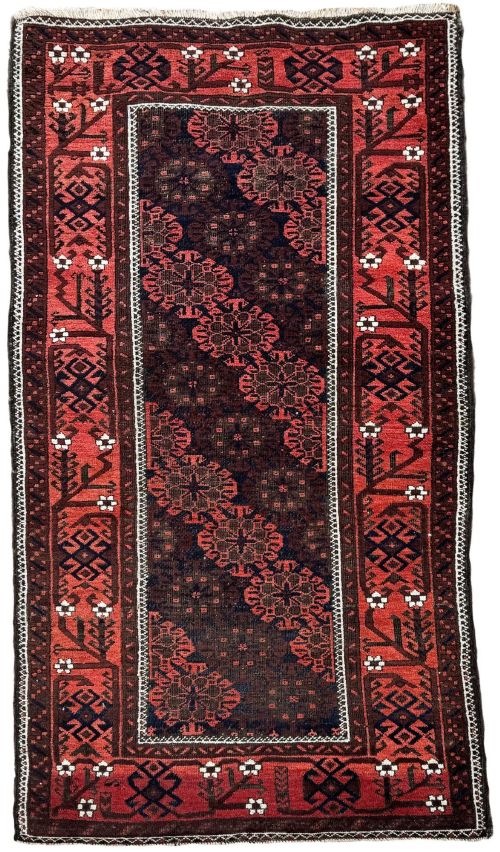
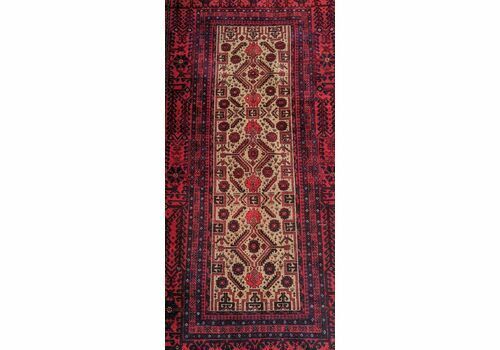
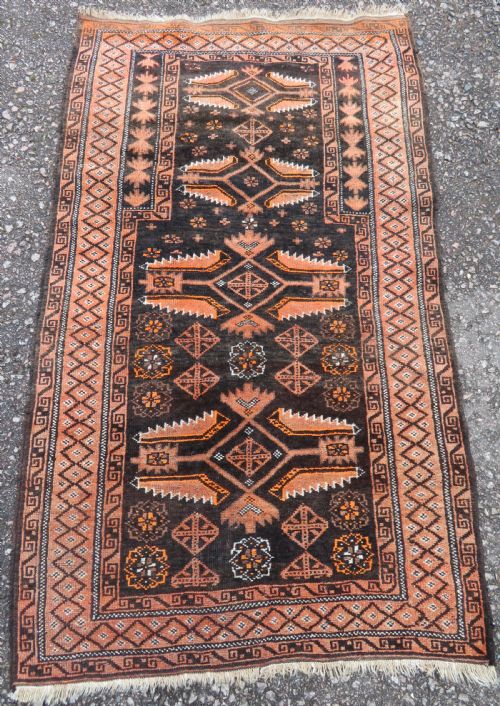
The specimens seen here include Afghan, Salar Khani, and Khorasan variations displaying traditional tribal motifs such as large guls, the Herati design, and Mina Khani variants. Buyers regularly meet these distinct geometric patterns alongside prayer rug formats in wool and cotton construction.
Tribal workshops and nomadic weavers produced these hallway runners and rugs to withstand practical daily use while expressing distinct cultural patterns. Each piece carries the aesthetic traditions of Persian, Afghan, and Baluch tribal makers across multiple decades.
How they were made
The construction relies fundamentally on wool piles knotted onto sturdy foundations, frequently utilising cotton for structural integrity and warp stability. Weavers selected resilient animal fibres to ensure the textiles endured heavy foot traffic in domestic corridors.
Natural dyeing techniques produced the deep colour palettes characteristic of these tribal floor coverings, anchoring the geometric guls and floral variants across the surface. Artisans tied each knot by hand, building dense piles that maintain their structural form over generations.
Balouch Wool Runner Retail Price Guide 2026
Typical asking prices for balouch wool runner among the pieces listed under this phrase on Sellingantiques today, from the lower quarter to the upper quarter. They describe what is for sale here now, not the wider market.
Nomadic weavers occasionally embedded small intentional asymmetries in their repeating guls to ward off the evil eye.
What varies in quality
The distinction between ordinary and exceptional examples rests upon the precision of the knotting and the complexity of the woven design. Denser piles and finely executed motifs like the Herati or large guls demonstrate superior workshop capability and material selection.
Condition and colour retention significantly influence the standing of an individual runner within its period. Rich, well-preserved palettes and intact edges elevate the overall presence of nineteenth and early twentieth-century examples above simpler standard weaves.
The Balouch Wool Runner Glossary
- Gul
- A medallion motif repeated across tribal carpets and runners. This geometric emblem often defines the central field of Baluch and Afghan weaving.
- Herati
- A repeating floral and leaf pattern arranged around a central rosette. Weavers utilised this intricate design across various nineteenth-century Persian and tribal rugs.
- Mina Khani
- A symmetrical lattice pattern enclosing small floral motifs and rosettes. This traditional layout appears frequently on Khorasan and related tribal pieces.
- Prayer rug
- A small format textile featuring a distinct mihrab arch design at one end. Nomadic weavers created these specific rugs for daily devotional use.
- Warp
- The vertical threads stretched onto the loom that form the structural foundation of the textile. Weavers tie the wool knots directly onto these parallel strings.
Balouch Wool Runner: Frequently Asked Questions
Where were balouch wool runners made?
These runners originated through tribal and nomadic weaving traditions across regions spanning Persia and Afghanistan. Makers utilised local materials to produce durable floor coverings for domestic interiors.
Individual pieces reflect specific regional styles including Salar Khani and Khorasan traditions. The techniques passed down through generations shaped the distinct geometric layouts seen today.
How do I care for a wool runner?
Regular gentle vacuuming without a rotating brush roll helps remove grit from the wool pile. Professional cleaning suited for antique textiles preserves the natural fibres.
Positioning the runner away from direct continuous sunlight prevents fading of the natural dyes. Using a suitable underlay keeps the textile stable and reduces friction against the floor.
What designs appear on these runners?
Common motifs include large guls, repeating Herati patterns, and Mina Khani variants. These geometric and floral elements reflect traditional tribal design vocabularies.
Prayer formats featuring architectural arches also occur alongside standard hallway runner configurations. Each pattern links the textile to specific nomadic and regional maker groups.
How old are these antique runners?
The available pieces date from the nineteenth century through to the early decades of the twentieth century. Specific periods represented include the eighteen-eighties, eighteen-nineties, and nineteen-tens up to nineteen-thirty.
DATING relies on stylistic markers, material analysis, and structural construction methods. These temporal benchmarks help place each runner within its historical context.